Planning a reef trip sounds simple until you start comparing bases. You want a comfortable, memorable stay near the water, but glamping near the Great Barrier reef is spread across hundreds of kilometers of Queensland coast, and the options in each region feel very different. A safari tent outside Cairns is not the same experience as an eco-dome in the Daintree, and the Whitsundays play by their own rules entirely.
This guide breaks the coast into practical regions so you can match your base to your itinerary. We look at why this stretch of Queensland suits tent stays in the first place, compare the classic Cairns and Port Douglas corridor with the rainforest camps of Cape Tribulation, and weigh up the island-flavored Whitsundays further south. You will also find advice on timing your trip around the dry season and stinger season, plus a checklist for choosing and booking your site with confidence.
Why the Great Barrier Reef Coast Suits Glamping
Queensland’s reef coast is unusual in how much it packs into a small map. Within short drives of each other you can wake up in rainforest, drive to a coral lagoon for a morning snorkel, and end the day on an island beach. Few places in the world let you combine that mix without long transfers, which is exactly why the region works so well for tent-based stays.
Glamping here is not just a cheaper hotel room with nicer photos. The whole point is canvas comfort with reef access: a real bed and a proper bathroom, but with cicadas instead of corridors and the water a short boat or beach walk away. Standard resorts tend to cluster in towns like Cairns and Port Douglas, where you drive out to everything. Eco-camps invert that, putting you where the wildlife already is.
Small camps, closer to nature
Many of the sites along this coast are deliberately small, often running just 5 to 15 tents. That scale keeps noise down, leaves vegetation intact, and means staff can walk you personally through what to see on the reef or in the forest. If your idea of a good trip involves falling asleep to rain on canvas rather than air conditioning hum, this coast delivers. The trade-off is limited availability, which matters when you plan your dates.
Cairns and Port Douglas: The Classic Reef Base
If you want the simplest logistics, base yourself in the Cairns and Port Douglas corridor. Cairns is the region’s main hub, with the widest choice of reef tours departing daily and the largest concentration of glamping options within about an hour’s drive. Whether you want a pontoon day trip, a liveaboard, or a boat to the outer reef, you will find more departures and operators here than anywhere else on the coast.
Port Douglas, roughly 65 km north along the coast, offers a quieter and more upscale version of the same access. It has a relaxed village feel, a lovely four-mile beach, and the Daintree Rainforest beginning about an hour further north. Many travelers split the difference: a few nights near Cairns for reef days, then a move north for forest and privacy.
What to expect on price
Tent and eco-camp stays in this corridor typically range from about AUD 250 to 600 per night, depending on season, tent size and whether meals or transfers are bundled in. Check what each rate includes before comparing, because small sites often package things differently than hotels. If you are new to choosing between regions and sites, the same logic covered in how to pick the right glamping base near national parks applies here too: start with what you want to do each day, then work backward to your bed.
The Daintree and Cape Tribulation: Rainforest Meets Reef
North of Port Douglas, the landscape changes quickly and the rewards change with it. The Daintree is famous as the only place on earth where two World Heritage areas meet: the rainforest runs down to the fringing reefs of the Coral Sea, so you can hike beneath ancient ferns in the morning and snorkel in the afternoon. For many travelers, this is the most memorable corner of the entire coast.
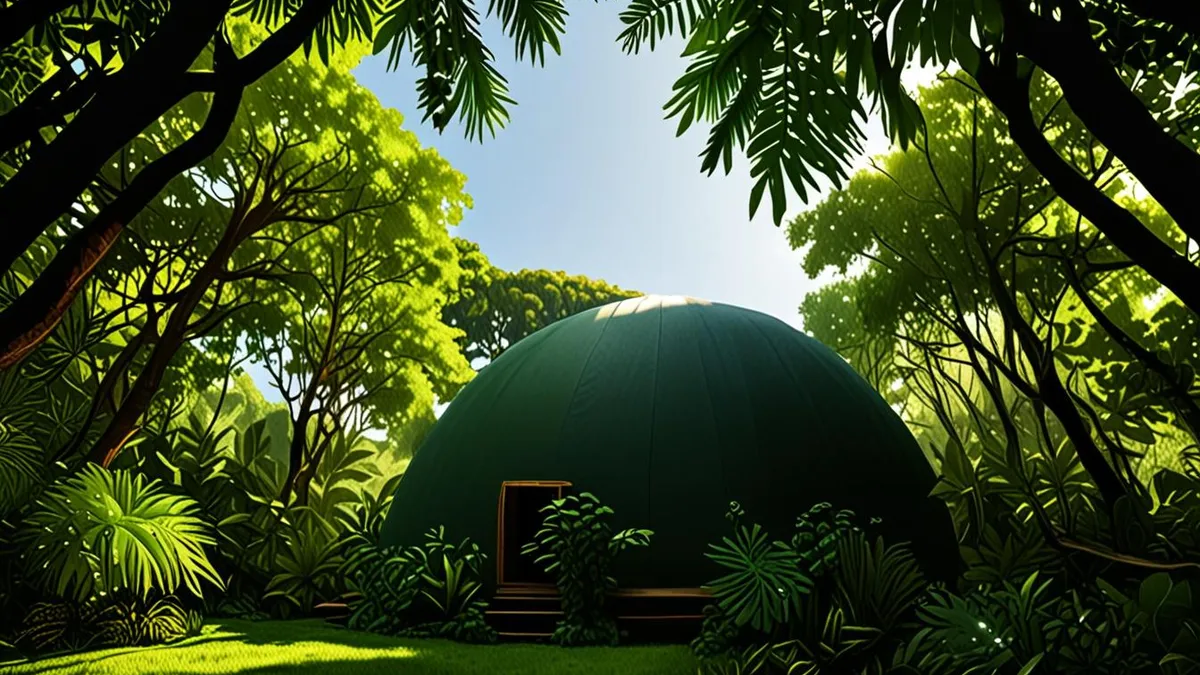
Accommodation here leans into the setting. Expect safari tents and eco-domes tucked into rainforest clearings rather than rows of canvas on open ground, often with boardwalks between sites, outdoor showers and nocturnal wildlife calling from the canopy. Access adds to the adventure: crossing the Daintree River typically means using the vehicle ferry, so plan your arrival and departure times and check current ferry details before you travel. Because sites here are small and remote, it also pays to confirm whether meals, transfers or guided walks are included before you commit.
Timing your rainforest stay
The Daintree is best visited in the dry season, May to October, when humidity drops, creeks run clear and walking tracks are passable. In the wetter months, heavy rain can close tracks and make the forest feel steamy and challenging. That seasonal rhythm shapes everything here, from which tours operate to how comfortable your tent feels at midday, so let the calendar lead when you pick dates for this region rather than the town-based corridors.
If the idea of sleeping in a canvas room surrounded by wilderness appeals to you well beyond Queensland, the same formula works elsewhere. For a very different mountain setting, our guide to glamping regions and seasons in the Pyrenees shows how the European version compares.
The Whitsundays: An Island-Flavoured Alternative
If you picture your reef trip with a cocktail by a marina and a boat waiting at the pontoon, the Whitsundays might be your base. The region centers on Airlie Beach, a small mainland town that serves as the jumping-off point for the 74 islands scattered offshore. It sits roughly 620 km south of Cairns, so treat it as a separate trip rather than a day trip from the classic reef corridor.
One thing to know upfront: glamping options here are limited. The Whitsundays developed around resort islands and sailing tourism, so you will find far more hotel rooms than safari tents. A handful of tent and eco-style stays exist on the mainland and on some islands, but availability is patchy and sites tend to book out early. If a canvas bed under the stars is non-negotiable, the Cairns to Port Douglas stretch will serve you better.
Why sailors choose the Whitsundays
What the region does exceptionally well is water. Whitehaven Beach, with its famous white silica sand, is one of the most photographed stretches of coast in Australia, and day trips and multi-day sailing charters leave from Airlie Beach regularly. Choose this base if your priorities are sailing trips, island hopping and long beach days rather than rainforest walks. You trade the Daintree’s jungle for open water, and for many travelers that is exactly the right trade.
Practical note: getting here usually means flying into Hamilton Island or the Whitsunday Coast airport near Proserpine, then transferring to Airlie Beach. Check current transport options with your operator, as routes and schedules change.
When to Go: Seasons and Stinger Season
Timing shapes a reef glamping trip more than almost any other decision. The dry season, running from May to October, delivers calm seas, clear water and the best snorkelling conditions of the year. Nights cool down enough to make a canvas tent genuinely comfortable, and rain rarely disrupts plans. Morning light on the water is at its best, and the lower humidity makes sleeping in a tent far more pleasant than during the steamier months. This is when most travelers should aim to visit.
From November to April, conditions change. This is stinger season, when box jellyfish and other stingers appear in coastal waters, and swimming usually requires a stinger suit. Tour operators provide these, and most reef trips run year-round, but you should factor the extra layer and the warmer, more humid weather into your plans. Sudden downpours are also more common in these months, and heavy rain can affect visibility on some inner reef sites.
- June to August is peak season. Australian winter school holidays and international visitors converge on the reef coast, so the smallest and most atmospheric tent sites fill first.
- Book 3 to 6 months ahead for peak-season stays. Small eco-camps often have fewer than a dozen tents, so last-minute availability in the dry season is rare, especially around Port Douglas and the Daintree.
- Shoulder months like May and September can be a sweet spot. You still get dry-season conditions, but with more tent availability and a quieter feel at popular snorkelling spots.
- Water clarity varies within the dry season too. Inner reef sites can be affected by tides and runoff earlier in the year, so if crystal-clear snorkelling is the priority, ask operators which months typically suit your chosen reef location.
Whatever month you pick, confirm current stinger advice and water conditions with your tour operator before booking swim-heavy activities, as local guidance can change from season to season. A quick email before you pay your deposit can save a disappointing trip.
How to Choose and Book Your Glamping Near the Great Barrier Reef
Choosing a glamping base on the reef coast comes down to matching your accommodation to your itinerary. A tent in the wrong location can mean long drives to every activity, extra fuel costs and less time actually enjoying the reef. Before you compare prices or photos, work out what you actually want to do each day: snorkelling trips, rainforest walks, sailing or simply relaxing by the water. Then pick the camp that puts you closest to those activities. The steps below walk you through the process in order, and taking ten minutes to work through them can save you from a booking you regret.
- Match the base to your plan. Base yourself near Cairns if reef tours are the priority, since that stretch has the widest choice of boats and the most glamping options within an hour’s drive. Choose the Daintree if rainforest walks and wildlife matter most, and pick the Whitsundays if sailing and Whitehaven Beach are the draw. If your trip mixes all three, decide which one you would be most disappointed to miss, and build around that.
- Check exactly what is included. Many small sites run only 5 to 15 tents, and what comes with your stay varies widely: some include meals and airport or pier transfers, others leave you self-sufficient. Ask before booking so you can budget for meals, car hire or transfers. A cheaper nightly rate can quickly become the more expensive option once you add a hire car and restaurant meals.
- Compare tent types and insulation. Safari tents, eco-domes and canvas lodges behave very differently overnight. Canvas warms quickly by day and cools fast after dark, while domes hold temperature more evenly. If you are traveling in the cooler dry-season months, look for details on bedding, insulation and whether the tent is sealed against insects and evening chill. Photos rarely show this, so read recent guest reviews or email the host directly.
- Confirm cancellation terms early. Small eco-camps often have stricter policies than hotels, with shorter free-cancellation windows and deposits that are harder to refund. Read the fine print before you commit, especially for peak-season dates when a cancelled booking is quickly resold and operators have little incentive to be flexible. If your plans might change, ask whether dates can be shifted instead of refunded.
A little preparation goes a long way here, because the best tent sites are small and fill quickly. It also helps to decide your non-negotiables early, whether that is an ensuite bathroom, air conditioning or step-off-the-deck swimming access, so you can filter options fast rather than falling in love with a tent that does not fit your trip. For a deeper walkthrough of timing your booking and understanding cancellation policies, our guide on how to book a glamping stay covers the practical details step by step.
Wrapping Up Your Reef Glamping Plan
Choosing where to base yourself comes down to what you want from the trip. Cairns and Port Douglas suit first-timers who want the widest choice of reef tours, the Daintree suits rainforest lovers who want two World Heritage areas on their doorstep, and the Whitsundays suit sailors chasing Whitehaven Beach and island days.
Timing matters as much as location. The May to October dry season offers the best mix of weather and reef conditions, and booking 3 to 6 months ahead secures the small, high-demand tent sites along the coast. Get that pairing right and your glamping base becomes the memorable part of the trip, not just a place to sleep. If this helped you plan, leave a comment or share the article.