Glamping in Uluru sits at the sharp end of Australian travel planning. The Red Centre is one of the most extreme climates in the country, with desert days that can push past 40°C in summer and nights that drop close to freezing in winter. That swing makes many travelers hesitate: when should you go, and what does a luxury tent stay in this landscape actually involve?
This guide walks through the essentials before you book. We look at why the desert environment changes what comfort features you really need, which months offer the best conditions for walking and stargazing, and where to base yourself around Yulara. You’ll also find a breakdown of stay types, from safari tents to stargazing domes, what a night in the Red Centre typically costs, and how to plan your days around sunrise, sunset and the base walk. By the end, you’ll know exactly what to expect and how to time your trip.
Why Glamping in Uluru Is Different From Anywhere Else
Glamping in Uluru is shaped first by the desert itself. Day and night temperatures here can swing by more than 20°C, so a tent that feels perfect at lunchtime can turn genuinely cold after dark. This is why features like heating, quality bedding and good insulation matter far more than they would in a milder coastal setting. Before booking, treat these comfort details as essentials rather than luxuries, because they determine whether you sleep well or shiver through the night.
The remoteness is the second defining factor. Yulara is the only accommodation hub in the area, sitting roughly 25 km from Uluru itself. There are no alternative towns nearby where you can shop around or switch hotels on a whim, so your choice of base matters from the start. Everything from dining to tours is organized around this one small settlement, and supplies travel a long way to reach it, which also shapes prices.
The night sky is the main event
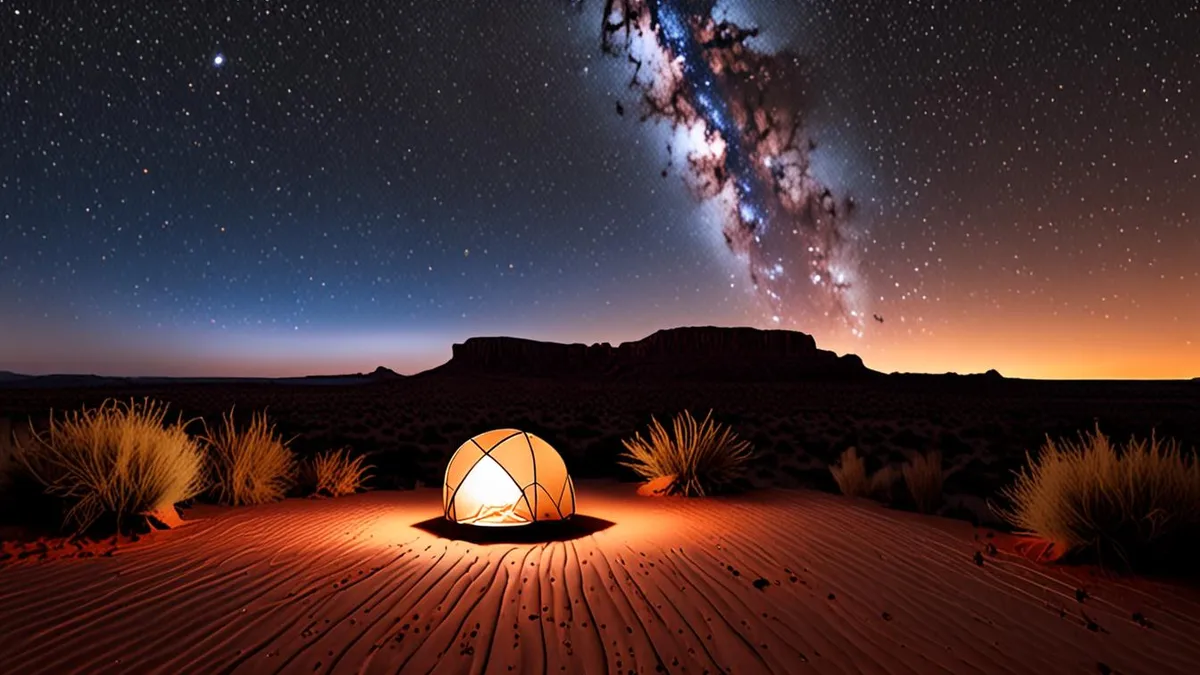
What truly sets a Red Centre tent stay apart is what happens after sunset. This is one of the darkest night-sky environments you’ll find in Australia, and stargazing from your tent or deck becomes a core part of the experience rather than an added extra. Sunrise and sunset viewing are equally central, since the rock changes color dramatically in low light. When comparing options, prioritize stays that make the most of these moments: clear views toward Uluru, outdoor seating oriented west and east, and easy access to designated viewing areas. Build your evenings around the sky and you’ll get far more from the trip than from any single comfort feature.
Best Seasons for Glamping in Uluru and the Red Centre
Timing is the single biggest decision for a Red Centre trip, and the desert seasons are more extreme than most first-time visitors expect. The difference between a comfortable tent stay and a miserable one often comes down to the month you pick.
The sweet spot: May to August
Winter, from May to August, is when glamping in Uluru works best. Daytime highs sit around 20-25°C, ideal for the base walk and desert hikes, while nights drop to a crisp 5-8°C. Pack warm layers for evenings by the fire, but the walking conditions are hard to beat. This is also peak season, so the best tents and domes are claimed first, which is worth keeping in mind when you plan your booking window.
When to think twice
Summer, from December to February, is a different story. Daytime temperatures regularly reach 38-40°C, making tent stays uncomfortable during the day and pushing most activities to early morning, if they run at all. Only consider this window if you’re experienced with heat and flexible about what you can do.
April and September are the shoulder months, and they suit many travelers well. You’ll find lower rates and noticeably fewer crowds than in the June-August rush, in exchange for warmer days. If you’ve enjoyed desert trips elsewhere, the same season logic applies, as covered in this guide to choosing the right region and season for a glamping trip: match the calendar to the climate, then book around it.
Where to Stay: Yulara, Ayers Rock Resort Area and Beyond
Location decisions in the Red Centre are simpler than in most destinations, because there is essentially one hub. Yulara is the practical base for any glamping stay: it sits just 10-15 minutes from Ayers Rock Airport, where most visitors fly in, and about 25 km from Uluru itself. Being close to the airport matters more than it sounds, since transfers are short, you can settle into your tent quickly after landing, and airport pickups are usually straightforward to arrange.
Choosing your base in the dunes
Luxury tent and dome options cluster in the dune country around Yulara, many with sightlines toward the monolith. Staying here puts you within easy reach of sunrise and sunset viewing areas, resort dining and tour pickups, all without long drives on unsealed roads. If you’re weighing a desert base against other options, the same principles apply as when choosing where to stay near any major national park: proximity to the highlights, on-site comfort in the local climate, and easy access to tours should all rank above novelty. Our guide to glamping near national parks breaks down how to pick the right base, and it applies neatly to the Red Centre.
Going further out
Beyond Yulara, more remote stations and bush camps exist across the region, and they can offer a stronger sense of isolation and darker skies. The trade-off is real, though: they generally require self-driving on long outback roads, more thorough trip planning, and comfort with limited services nearby. For a first visit, most travelers are better off basing themselves in Yulara and taking day trips, leaving the remote stations for a second, more adventurous Red Centre stay.
Stay Types: Safari Tents, Domes and Desert Suites
Safari tents remain the classic Red Centre choice. These canvas structures sit on raised timber platforms, which keeps sand out, improves airflow and helps them cope with the steady desert wind that whips across the dunes. Most are fitted with solid beds on proper frames rather than air mattresses, and the better setups include en-suite bathrooms with hot showers, so you lose very little comfort compared with a hotel room.
Geodesic domes take a different approach. Their curved panels, often clear or semi-clear sections, turn the night sky into part of the room, letting you lie in bed and watch stars without stepping outside. The trade-off is thermal performance: domes have more surface area than tents, and on winter nights that can drop to 0-5°C, thin panels lose heat fast. If you’re considering a dome for a cool-season stay, check whether it has underfloor heating, insulation layers or a reliable heater before committing. Our comparison of safari tent and dome warmth breaks this down in more detail.
Because the desert punishes poor design, a few practical features separate a great stay from a mediocre one. Ask about these before you book:
- Heating type: underfloor heating warms a dome evenly through the night, while a portable heater can be noisy and may switch off on a timer, leaving you cold around 3 am.
- Blackout options: the Red Centre sun rises early and brutally, so check whether clear panels have blinds or curtains if you want to sleep past dawn.
- Shade structures: a veranda, pergola or shade sail over the deck makes the difference between a usable outdoor sitting area in the afternoon and a deck too hot to touch.
- Wind rating and guy lines: well-tensioned canvas and sturdy anchoring matter, as gusty evenings are common and a flapping tent wall will disturb your sleep.
What a Red Centre Glamping Stay Costs
Luxury glamping in the Red Centre sits firmly in the premium price bracket. Expect roughly AUD 400-1,100 per night for a luxury desert tent or dome, with peak winter dates in June and August sitting at the top of that range. The cheapest rates usually appear in the shoulder months, while the sweet-spot winter weeks command the highest prices of the year.
That wide price band reflects real differences in what you get. A tent at the lower end might be a comfortable platform tent with an en-suite, while top-range domes and suites add extras like outdoor lounges, private fire pits and dedicated stargazing setups. Location within the resort area matters too, since units with clear views toward Uluru tend to price above those facing the dunes.
Compare inclusions, not just the nightly rate
Red Centre glamping rates often bundle in more than accommodation. Airport transfers from Ayers Rock Airport, breakfast, and some guided experiences or dining events are frequently included, and these add up quickly if you would otherwise book them separately. Two stays at the same headline price can differ by hundreds of dollars in real value once you count what each includes. Ask for a full list of inclusions before comparing properties, and price out anything missing as if you had to buy it yourself.
Timing your booking
The May to August window is when demand peaks, and the most desirable units sell out first. Booking 3-6 months ahead gives you the best combination of availability and pricing, especially if you want specific dates around school holidays or a particular sunrise dining experience. Last-minute deals do occasionally appear, but counting on one in peak winter is a gamble with a small pool of properties. If your dates are flexible, shifting by even a few days outside the busiest weeks can bring the rate down noticeably.
Planning Your Days: What to Do From a Glamping Base
A glamping base in the Red Centre is only as good as the plan you build around it, and the distances here mean a little structure goes a long way. Most travelers find that 2-3 nights is the right length to cover the essentials without rushing, and the order you do things in matters as much as how long you stay. Think of your tent as the fixed point in your itinerary: once it is locked in, everything else can be arranged around it with far less stress.
- Start with your sunrise and sunset slots. These are the anchor points of any Uluru stay, and the viewing areas fill early in winter. Reserve sunrise or sunset dining experiences and guided walks at the same time you book your tent, because popular winter dates fill alongside accommodation rather than after it. Writing them into your plan first also helps you pace the days between them sensibly.
- Block out a full morning for the Uluru base walk. The full circuit runs about 10 km, which takes several hours at an easy pace, so start at first light while it is cool and carry more water than you think you need. Build in time afterward for a slow breakfast and a rest, not another activity.
- Set aside a separate half-day for Kata Tjuta. The domes sit about 50 km from Uluru, so this is a dedicated outing rather than an add-on, and the Valley of the Winds walk deserves its own unhurried morning. Aim to be on the trail early, then let the afternoon stay open.
- Leave one flexible evening for stargazing. With minimal light pollution around Yulara, an unplanned night simply lying back from your tent platform can end up being the highlight, so do not schedule every hour. Keep that slot free no matter how tempting extra bookings look.
Packing deserves equal attention, because the desert punishes one-sided luggage. For days that hover around 25°C you will want a wide-brimmed hat, high-SPF sunscreen, sunglasses and lightweight long sleeves, plus sturdy walking shoes for the base walk. For nights that can drop near 5°C, pack a warm jacket, a beanie and layers you can peel off at sunrise. A small daypack with both a water bottle and a thermal layer covers almost every scenario you will encounter here. Add a reusable water bottle you can refill at your tent, a light buff for dusty trails and a headlamp for pre-dawn starts, and your packing list is genuinely done.
Wrapping Up Your Red Centre Glamping Plan
Glamping in Uluru answers a simple question well: how do you enjoy one of Australia’s most extreme climates without giving up comfort? The answer is to time your trip for May to August, when days sit at 20-25°C and nights drop to cool desert temperatures. That window is the sweet spot for walking, stargazing and watching the light change over the rock.
Keep the rest of the plan simple. Base yourself in Yulara, choose between safari tents and geodesic domes, and budget around AUD 400-1,100 per night depending on the season and inclusions. Allow 2-3 nights to cover sunrise, sunset and the base walk, and book 3-6 months ahead to secure the winter high season before it sells out. If this helped you plan your Red Centre trip, leave a comment or share the article with a fellow traveler.