Iceland looks made for glamping: glass-roofed domes under the aurora, cozy cabins beside waterfalls, endless summer light. But pick the wrong region or month, and that dream trip can turn into storm-lashed nights, a sky with no auroras in sight, or a midnight sun that makes sleeping nearly impossible. Glamping in Iceland rewards good timing more than almost any other destination, and that is exactly what this guide is here to sort out.
We will walk through what makes glamping in Iceland different from anywhere else, then compare the best regions, from the Golden Circle within easy reach of Reykjavík to the dramatic South Coast. A season-by-season section covers the trade-offs, from brief winter days to the long June light, and when aurora season actually delivers. We will also help you choose between stay types, break down what glamping in Iceland typically costs per night, share a realistic booking timeline, and finish with a first-timer checklist and a step-by-step planning framework so you can book with confidence.
Why Glamping in Iceland Is Different From Anywhere Else
Glamping in Iceland comes with a challenge you rarely face elsewhere: the weather can flip from calm and clear to gale-force winds and sideways rain within a few hours. A flimsy tent that would be fine in mild climates simply doesn’t cut it here. That’s why the quality of the structure matters so much. Well-built geodesic domes and insulated cabins with proper heating let you enjoy the drama of an Icelandic storm from a warm, secure interior instead of fighting it at midnight with cold fingers.
The payoff for putting up with that unpredictability is huge. Many Icelandic glamping sites feature glass roofs or panoramic dome panels, which means the northern lights or the midnight sun become part of your stay rather than a side trip. Instead of bundling up for a late-night aurora hunt, you can watch the green glow drift overhead from bed. During the bright summer weeks, the same design lets you fall asleep under a sky that never quite darkens.
Short distances, seasonal roads
Iceland looks compact on a map, and in many ways it is: you can reach major sights from Reykjavík in a couple of hours. But road conditions change sharply with the seasons. Paved routes are generally reliable year-round, while gravel tracks and highland F-roads are only typically open in the summer months. Wind, ice and snow can slow or close roads in winter even near the capital. This is why the region you choose should depend heavily on when you travel, and why it pays to check road conditions for your specific dates before you book.
Best Regions for Glamping in Iceland
Iceland rewards glampers who pick the right corner of the country, because each region delivers a different version of the landscape. The south-west lowlands around the Golden Circle are the easiest starting point: the classic Þingvellir–Geysir–Gullfoss route sits within about a 2-hour drive of Reykjavík, and this is where you’ll find the widest choice of domes and cabins. First-timers do well here, since you can base yourself somewhere comfortable and still tick off the big-name sights without long drives.
Head east along the South Coast and the scenery gets more dramatic. The stretch around Vík and Skógafoss puts you close to black-sand beaches and thundering waterfalls, with highlights like Seljalandsfoss and Reynisfjara all within roughly 2.5 hours of the capital. It’s a manageable day-trip distance, but staying overnight means you get the beaches and falls in quieter evening light after the day crowds leave.
The Snæfellsnes peninsula, on the west coast, packs glaciers, volcanic craters, dramatic cliffs and fishing villages into a compact area that’s often called “Iceland in miniature.” It’s also a strong pick for stargazing, as the peninsula has some genuinely dark skies away from town lights.
North Iceland, around Akureyri and Lake Mývatn, asks more of you in driving time but pays you back. The longer nights and northern latitude give you stronger odds of catching the aurora during the season that runs from September to mid-April, and in summer the near-continuous daylight of the midnight sun feels most intense up here.
If you’ve glamped in wild, wind-swept places before—say, remote sites in Patagonia’s glamping regions—the north will feel familiar in spirit: fewer sites, longer transfers, bigger rewards.
- Golden Circle: Many sites here sit within easy reach of Reykjavík, making it practical for short trips or a first night after a late flight arrival at Keflavík.
- South Coast: The Vík area is a sensible base for glacier-related day trips on the nearby slopes, though you should confirm seasonal access with local operators.
- Snæfellsnes: The peninsula’s national park at the western tip centers on the Snæfellsjökull glacier-volcano, with coastal walking trails close to several glamping spots.
- North Iceland: Mývatn’s geothermal area means you can pair a night under the lights with a soak in natural hot springs—check current opening details locally.
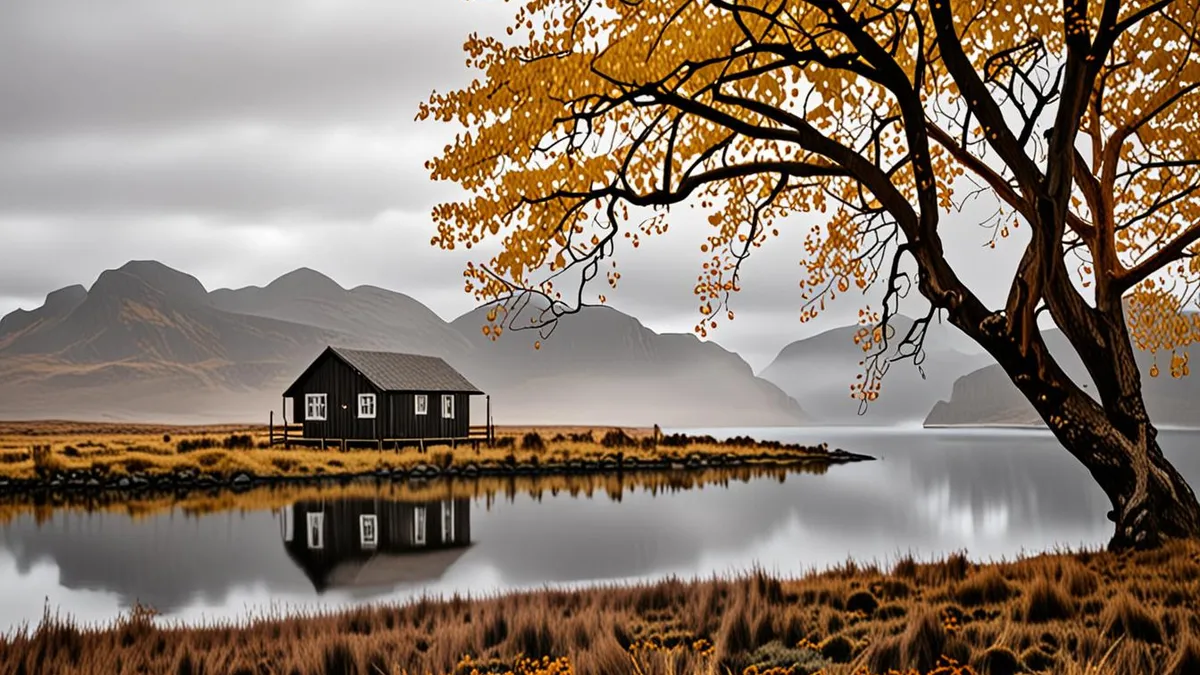
Season by Season: When to Go
Iceland’s glamping calendar really comes down to one question: what do you want to see out of your dome or cabin window? If the northern lights top your list, aim for the aurora season that runs roughly from September to mid-April. The darkest skies fall between November and February, which is prime viewing time, but be ready for a trade-off. In December, daylight lasts only around 4-6 hours, so your sightseeing window shrinks dramatically.
On the flip side, the midnight sun takes over from about mid-May to late July, with near-24-hour daylight in the north and 20+ hours even in the south. This is glorious for road trips, since you can drive and explore late into the evening without ever switching on your headlights. Light-sensitive sleepers, though, should pack a serious eye mask, because many glamping structures are designed with big windows and transparent panels that let in every last ray.
Timing also matters for access. If your dream site sits in the highlands, note that F-roads typically open only from late June to early September, so highland glamping is essentially a summer activity. If you want a middle path, the shoulder months are worth a close look, and the same shoulder-season logic applies elsewhere in Europe, as explained in our guide to the best seasons for glamping in Portugal.
- Equinox sweet spots: aurora visibility tends to peak around the September and March equinoxes, making early autumn and early spring surprisingly productive for lights.
- Shoulder-month advantages: May and September often combine milder weather, lower nightly rates and the first or last aurora chances of the season, all without December’s extreme darkness.
- Driving considerations: summer’s endless daylight makes long regional drives far easier and safer, while winter trips demand daylight-aware planning since usable hours are so limited.
- Sleep quality check: if you book a transparent-roofed dome during midnight sun months, ask whether blackout options or an eye mask are provided before you commit.
Choosing the Right Stay Type
Iceland glamping comes in a few distinct flavors, and picking the wrong structure type for the season is the most common first-timer mistake. A transparent dome is magical in September, but a thin tent shell in a January storm is a different story entirely.
Heated geodesic domes with transparent panels are the signature Icelandic option. They suit aurora watchers who want to watch the sky from bed, and many are engineered specifically for wind and snow loads. Insulated cabins and lodges are the safer bet for winter trips, when storms roll in fast and sub-zero nights are common — you get solid walls, reliable heating and none of the worry.
Tent-based options are genuinely enjoyable, but only in the right window. Safari-style tents and upgraded bell tents work best from June to August, when nights are at their mildest. If you go this route, pack deliberately — this complete luxury safari tent packing guide covers the layers and extras that make canvas stays comfortable.
Wherever you book, scrutinize the facilities. Remote regions often mean basic setups, so confirm the essentials before you commit:
- En-suite bathrooms: in remote areas you may otherwise share a washroom block or rely on outdoor facilities, which is a real consideration on freezing nights.
- Kitchenettes: some remote sites sit far from restaurants, so a small stove and fridge can save you long drives for dinner.
- Heating source: ask whether heat is electric, geothermal or gas, and whether it runs all night or switches off.
- Bedding and linens: some tent-style sites expect you to bring a sleeping bag liner, while cabins typically include full linens.
Budgeting: What Glamping in Iceland Costs
Glamping in Iceland is not a budget hostel experience, but it is also more attainable than many travelers assume. Expect roughly $150-400 per night for two people, with the wide range driven by three things: season, structure and remoteness. A summer dome near the Golden Circle will price very differently from a basic cabin on a quiet peninsula in October.
Premium dates sit firmly at the top of the range. Summer stays and aurora-peak dates command the highest rates, and weekends in those windows fill first. Shoulder-season weekdays — think late September or mid-May midweek — can fall well below the range, sometimes by a meaningful margin, so flexible dates are your best money-saving tool.
Don’t Forget the Car
A rental car is near-essential outside the south-west, and even there it makes life far easier. Factor the rental into your nightly math, plus fuel for long regional drives — distances look short on the map, but gravel stretches and detours add real kilometers. Check current rental rates and fuel prices before you travel, as both shift with the season and demand.
One more budgeting note: ask whether bedding, towels and cleaning fees are included in the quoted rate. Some sites itemize these separately, and the difference can add up over a multi-night stay.
Booking Timeline and First-Timer Checklist
Glamping in Iceland rewards early planning more than almost any other trip type. The best sites are small operations with a handful of units, so popular dates vanish fast. A clear booking timeline and a simple comparison checklist will save you both money and disappointment.
- Book summer stays 6-9 months ahead. Midsummer domes and cabins are the scarcest inventory in the country. The best-positioned sites sell their June and July dates many months out, especially those near the Golden Circle and the South Coast where demand from first-time visitors is highest.
- Reserve aurora-season domes 3-6 months ahead. Aurora-season domes often sell out well in advance, particularly around the September and March equinoxes when visibility tends to peak. If your dates are fixed around a specific week, treat them like a summer booking and move even earlier.
- Confirm winter readiness before paying. Ask specifically about heating, insulation and 24-hour check-in. A storm-delayed arrival with no late check-in option is a real scenario in winter, and you want to know how a host responds before you commit.
- Verify road access for your travel month. Some sites sit beyond paved roads, and a track that is easy in July can be a different proposition in March. Ask the host directly which vehicle they recommend for your dates, and check whether a standard rental car will do.
- Compare sites on a checklist. Score each option on facilities, cancellation terms and proximity to the sights you actually want to visit, rather than on photos alone. Two domes with similar interiors can differ hugely in drive time to the waterfalls or beaches on your list.
Finally, read recent guest reviews with winter travel in mind, even if you are booking for summer. Comments about wind noise, heating reliability and how hosts handle disruptions tell you more than any listing description. A flexible cancellation policy is worth a small premium in Iceland, where weather occasionally rewrites plans at short notice. If a host answers questions quickly and clearly before you book, that same responsiveness will usually show up when something goes wrong mid-trip.
Planning Your Iceland Glamping Trip
So, is Iceland right for your glamping trip? Yes, as long as you match the region to the season. The south-west and Golden Circle make the easiest first trip, while the north rewards you with stronger aurora odds and near-24-hour summer daylight. Aim for the September to mid-April aurora season if the lights are your goal, or mid-May to late July if you would rather chase the midnight sun and long road-trip days.
Budget roughly $150-400 per night for two, and book early: summer stays 6-9 months ahead, aurora-season domes often 3-6 months out. In winter, choose a heated dome or insulated cabin rather than a tent, and confirm heating, facilities and road access before you commit. Pick the right combination of region, season and structure, and Iceland delivers one of the most memorable nights you will ever spend in a tent. If this helped you plan, leave a comment or share the article with a fellow traveler.