Planning a glamping trip and lying awake wondering whether you’ll actually sleep warm? You’re not alone. The safari tent vs dome question trips up a lot of travelers: canvas looks romantic in photos, domes look cozy, and neither tells you much about how it holds heat at 2 a.m. in October.
This guide compares the two structures where it counts. We’ll look at how each one handles heat loss, what kind of heating you’ll realistically be running overnight, and which seasons suit each option. We’ll also cover condensation and drafts, what to pack for a cold night, what you’ll pay for guaranteed warmth, and the final verdict on which structure wins. By the end, you’ll know exactly which one to book for your dates and destination.
Safari Tent vs Dome: How Each Structure Handles Heat
The warmth gap between these two structures comes down to basic construction. A safari tent is essentially a single layer of canvas stretched over a frame. That canvas breathes beautifully on a summer afternoon, which is why safari tents feel so pleasant in warm weather. But once evening temperatures drop below about 10°C (50°F), that same single layer sheds heat fast, and the interior temperature tracks the outdoors closely.
Why domes hold heat better
Domes are built differently. Most use rigid or insulated panels with far fewer seams than a stitched canvas tent, so they retain heat more like a small cabin than a tent. Many dome glamps use insulated sandwich panels or insulated liners, which keeps interiors comfortable even when it’s near 0°C (32°F) or colder outside. There’s simply less surface area and less fabric for warmth to escape through.
Shape matters in bad weather, too. A dome’s curved geometry sheds snow and deflects wind efficiently, so there’s no cold load building up on the roof. A flat canvas roof, by contrast, can sag under wet snow or rain, and that damp, heavy canvas chills the whole interior. If your trip involves wet cold weather rather than dry frost, that difference becomes very noticeable by bedtime.
Heating Systems You’ll Actually Use at Night
The structure is only half the story — the heating system determines whether you actually stay warm, and the two options handle it very differently. Safari tents commonly feature wood stoves, which give wonderful atmosphere and serious radiant heat. The catch is refuelling: expect to load wood every 2–4 hours, which on a genuinely cold night means waking up in the small hours to feed the fire or waking up to a cold tent.
Domes typically rely on sealed electric or propane heaters with thermostats. You set a temperature, go to sleep, and the heat holds without any attention from you. In genuinely cold destinations — a snowy trip like glamping in Patagonia, for example — that hands-off consistency matters far more than a crackling stove.
Before booking either, ask the operator one direct question: does the heating run all night, or does it switch off after check-in? You might be surprised how often the answer varies, and it varies more between operators than between structure types.
- Ask how much wood is included. Some operators provide a generous nightly supply, while others charge per bundle — a real cost on a multi-night winter stay.
- Check for a timer or safety cut-off. Some propane and electric heaters shut off automatically after a set period, which can leave you cold well before dawn.
- Confirm who lights the stove at check-in. A pre-lit, hot stove at bedtime makes the first night far more comfortable than lighting one from cold yourself.
- Ask about backup heating during power cuts. In remote areas, an electric heater with no backup can mean a very long night.
Season and Climate: When Each Option Makes Sense
Season is often the real deciding factor, more than the structure itself. Most safari tent operators in temperate climates close for the season between roughly October and April, so the coldest stay you can actually book is a shoulder-season night in spring or autumn. That’s good news for warmth worriers: the canvas-vs-cold problem is mostly designed out of the safari tent calendar before you even arrive.
If you want to check how shoulder seasons play out in a specific destination, our guide to when to go glamping in Portugal breaks down the best seasons and regions for exactly this kind of decision.
Winter trips favor domes
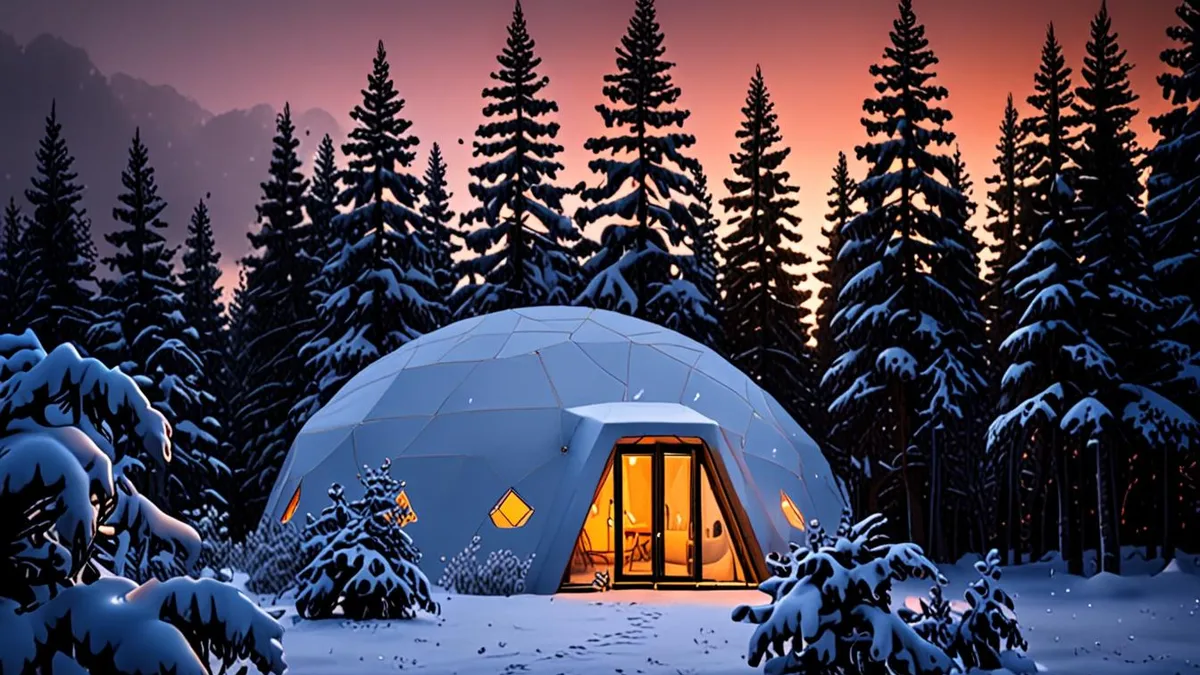
Domes increasingly operate year-round, including snowy winter stays in alpine and Nordic regions. Because they’re insulated and built to shed snow, operators can keep them open through conditions that would close a canvas site entirely. If your heart is set on a snowy landscape, a dome is usually the option that exists.
Hot climates flip the equation
In warm destinations, the comparison reverses. Canvas breathes, allowing air to move through the tent, so safari tents stay noticeably cooler in the heat of the day. Domes, with their sealed panels and windows, can overheat without air conditioning — a real consideration in Mediterranean summers or tropical locations. Match the structure to your climate, not just to the photos.
Condensation, Drafts and Sleeping Comfort
Ask any glamping operator what guests complain about most in cold weather, and the answer is rarely the temperature itself. It’s condensation: damp patches on the ceiling, wet bedding edges, and that clammy feeling when you wake up. This affects both safari tents and domes, and it gets noticeably worse once outside temperatures fall below 5°C (41°F). Warm bodies and a heater push moist air upward, where it meets a cold surface and turns to water.
Domes generally cope better. Their curved panels shed moisture toward the edges, and the better operators fit ventilation vents at the apex plus an insulated liner that keeps the inner surface warm enough to stop water forming. A dome with no vents or liner, though, can drip just as badly as any tent, so check the spec before booking.
Safari tents have their own cold-weather quirk: drafts. Canvas moves with the wind, and air sneaks in at the zips, the guy points, and any rolled-up window flaps. It’s rarely enough to chill the whole tent, but a steady draft across your bed at 2 a.m. is miserable. The single best feature to look for is an inner cotton liner — a second canvas layer hung inside the main shell that traps a layer of still air and genuinely adds warmth.
Finally, think about glass. Dome windows and skylights are wonderful for stargazing and terrible for heat retention, losing warmth far faster than the surrounding panels. If you’re booking a cold destination, ask whether the windows are double glazed — a single acrylic pane will be the weakest point in the whole structure. For more on sleeping well when the mercury drops far lower, see this guide to sleeping deep in Alaska’s wilderness.
- Zip draft test: When you arrive, run a hand along the tent zips and door edges on a windy evening — if you feel airflow, hang a spare towel or ask staff for draft excluder strips before bedtime rather than discovering the leak at midnight.
- Vent strategy: It sounds counterintuitive, but leaving a small vent open in either structure reduces condensation; a sealed room with a wood stove or propane heater produces more moisture, and trapping it means a wet ceiling by morning.
- Bed placement: In canvas tents, ask for a bed positioned away from the walls — the gap of air between bed and canvas matters more than an extra blanket, since touching or nearly touching the fabric pulls heat straight out of your bedding.
- Morning routine: Wipe down dome panels or tent liner walls with the cloth usually provided before you pack up; leaving condensation unattended over a multi-night stay soaks sleeping bags and makes the second night colder than the first.
What to Pack for a Cold Glamping Night
Here’s the mistake almost every first-time cold-weather glamper makes: they trust the bedding provided. Most operators supply duvets and blankets sized for the main season, which in practice means summer-weight bedding. On a night when the thermometer drops well below what the structure was designed for, that duvet alone won’t cut it. Bring your own sleeping bag, and rate it at least 10°C below the forecast overnight low. If the forecast says 2°C (36°F), pack a bag rated around -8°C. That margin sounds excessive until you spend a night shivering in a bed that never quite warmed up.
The second thing people underestimate is the floor. Whether it’s a wooden deck under canvas or a platform under a dome, the floor stays cold all night because cold air pools at ground level. You’ll feel it the moment you swing your legs out of bed. Slippers solve that. And if your safari tent runs on a wood stove, expect at least one trip to refuel it overnight — those walks happen in the dark, on cold ground. A headlamp hung on the bed frame beats fumbling with a phone flashlight every time.
The packing rule that surprises people most: thermal base layers for sleeping beat extra blankets. Both canvas and dome panels cool the air right next to the fabric, so the top blanket fights a losing battle against a cold boundary layer. Warm layers worn against your skin work from the inside out and stay with you when you roll over or kick the blankets off.
- Insulated mat or rug: If you sleep on a platform floor, a foam mat under your sleeping bag or a folded rug beside the bed stops conduction from pulling heat out through your back — cold floors steal warmth faster than cold air does.
- Hot water bottle: Fill one at the camp kitchen or ask staff for a kettle before lights-out; tucked at your feet inside the sleeping bag, it keeps your core warm for hours and doubles as a hand warmer on stove-refuelling trips.
- Wool hat and dry spare clothes: A surprising amount of heat escapes through your head while you sleep, and changing into dry clothes reserved only for bed matters — clothes worn all day around a campfire hold moisture that chills you once you stop moving.
- Sealable bag for electronics: Cold nights and moisture-prone interiors kill phone batteries fast; keep your phone and headlamp batteries inside the sleeping bag with you overnight so they still work in the morning.
Price and Booking: What Warmth Costs
Warmth has a price tag, and it’s worth knowing the numbers before you fall in love with a listing. In the same region, a winter-operable dome stay typically costs roughly 20–50% more than a seasonal safari tent. That premium reflects real costs on the operator’s side: insulated panels, sealed heating systems, snow clearing, and the staff needed to keep a site running through winter. You’re not just paying for a fancier structure — you’re paying for the fact that it exists in January at all.
Book cold-weather domes early
Winter dome inventory is genuinely scarce. Most operators offering true snowy-season stays — think alpine and Nordic destinations — run a handful of units, not dozens, and those units fill fast. Book 3–6 months ahead for a winter dome stay, especially around holidays and school break periods. Summer safari tent supply, by comparison, is far larger, so last-minute summer deals are common. The same flexibility does not exist in February.
The shoulder-season sweet spot
If your budget matters more than guaranteed warmth, look at safari tents in the shoulder months of May–June and September. Operators trying to fill the weeks before peak season and after it often discount noticeably, and you get the full safari tent experience — space, charm, canvas walls — for less than midsummer rates. The trade-off is cooler nights, sometimes chilly enough that you’ll want the wood stove lit and the thermal layers packed. For many travelers that’s a fair deal: warm days, quiet sites, and the best value on the board. Just check the operator’s exact season dates before booking, since closures between roughly October and April mean the calendar for tent stays is shorter than you might expect.
The Verdict on Warmth
So, which glamping stay keeps you warmer at night? The dome wins on design alone. Its insulated panels and sealed heating that runs without attention make a real difference once the evening turns genuinely cold, and domes increasingly operate year-round in snowy alpine and Nordic destinations where a single layer of canvas simply can’t compete.
That doesn’t make the safari tent the loser. In warm weather, canvas breathes and stays comfortable, and few structures match its charm and sense of space for a summer trip. The real answer is to match the structure to your season: book a dome for cold-weather and snowy trips, and choose a safari tent for late spring through early autumn. If a chilly glamping night has been holding you back, now you know exactly which option to pick. Have you slept in either one? Share your experience in the comments or pass this along to a friend planning a trip.