Picking the right villa in Mallorca is trickier than it sounds. The same island that delivers lively marina evenings in the southwest also offers silent stone villages high in the Tramuntana and shallow, family-friendly bays in the northeast. Add the month of your trip into the mix, and the options multiply fast. Many travelers book a beautiful property in the wrong zone or the wrong season and only realize it once they arrive.
This guide breaks down Mallorca villas by area and season so you can match both to your trip style. We will compare the southwest coast near Palma, the mountain villages of Deià, Sóller and Valldemossa, and the beaches of Alcúdia, Pollença, Santanyí and Porto Cristo. You will also find advice on when to book, how to vet practical details like pool heating and drive times, and a simple plan for pulling it all together.
Why Area and Season Shape Your Mallorca Villa Stay
Mallorca is not one experience but several, and the island splits cleanly into four distinct zones. The southwest coast near Palma is the polished side: marinas, restaurants and easy airport access. The Tramuntana mountains along the northwest run through stone villages like Deià and Valldemossa, all terraced hills and hiking trails. The northeast bays around Alcúdia and Pollença offer long sandy beaches, while the flat southeast is quieter, dotted with coves and low-key towns like Santanyí.
How the month changes the zone
Each zone also shifts character with the calendar. Beach-focused areas peak in summer, when the sea is warm and the bays are at their busiest. Mountain villages shine in spring and autumn, when trails are comfortable and the stone streets stay calm. A villa that feels perfect in May can feel crowded or exposed in August, and vice versa.
This is why choosing area and season together matters more than villa size or amenities. A larger pool or extra bedroom cannot fix a location that does not suit your travel style or a month that fights your plans. The sections that follow look at each zone in turn, then cover booking windows and practical checks so you can pair the right coast with the right dates.
Southwest Coast: Palma, Portals Nous and Andratx
If convenience is your priority, the southwest coast is the obvious starting point. Villas here sit about 20 to 30 minutes from the airport, which makes the zone ideal for short stays of a few nights and for travelers who want restaurants, marinas and shops within easy reach rather than a long transfer at either end of the trip.
Where to base yourself
Palma’s old town suits walkable city-villa stays. You can step out of your front door into tapas bars, the cathedral district and boutique shopping without touching a car. Portals Nous and Andratx, further along the coast, offer hillside properties with sea views, often close to marinas where you can watch the yachts come and go over dinner.
The best months for this coast
May, June and September are the sweet spot here. Temperatures are warm, the sea is pleasant, and the coast is noticeably calmer than in July and August, when beaches, marinas and restaurants fill up. Shoulder-season months also tend to be easier on the budget for comparable properties. If you are set on peak summer, book well ahead and expect the liveliest atmosphere the island offers. For a first visit combining city, coast and dining, this zone delivers the most in the least driving time.
Tramuntana Mountains: Deià, Sóller and Valldemossa
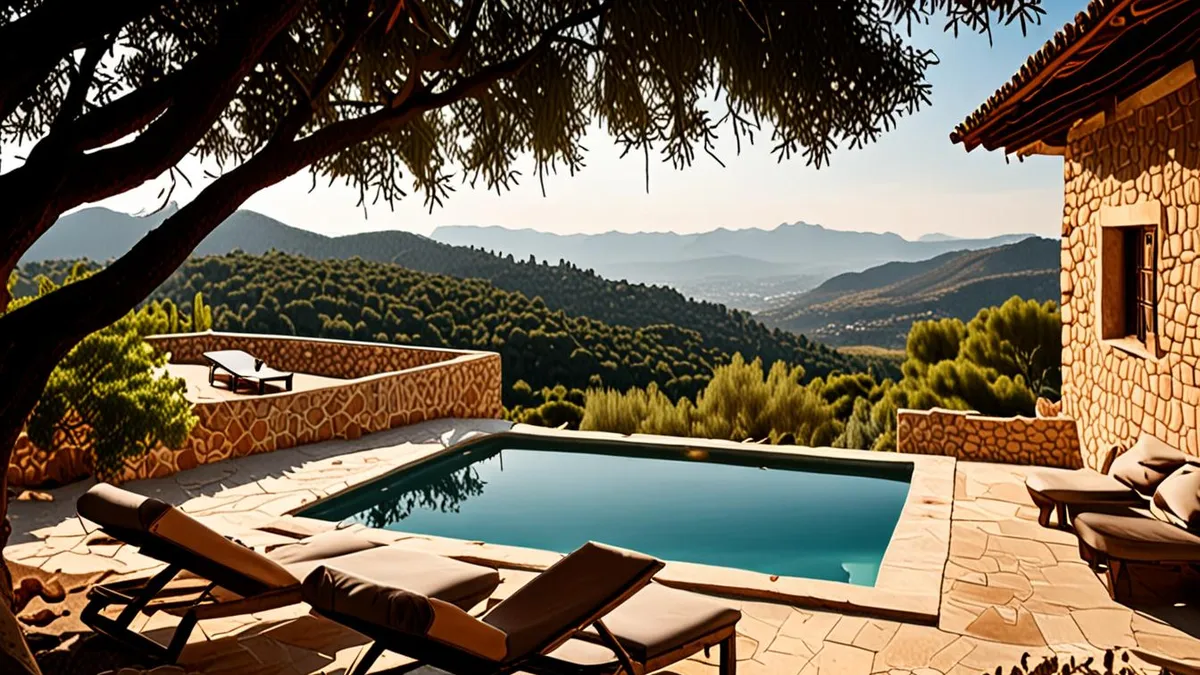
The Tramuntana mountains offer a completely different side of Mallorca. Villas in villages like Deià, Sóller and Valldemossa are typically stone properties, many of them centuries-old houses restored with modern interiors. They sit roughly 30 to 45 minutes from Palma, close enough for an easy arrival but far enough to feel like another world. This zone is best for scenery, hiking and quiet rather than beach access; if long sandy shores are your priority, look elsewhere on the island.
When to visit the mountains
Spring, from April to May, and autumn, especially October, are prime for walking trails. Temperatures are comfortable, the terraced olive groves and coastal paths are at their best, and the villages stay peaceful. Summer brings heat and day-trip crowds to the villages, so a mountain villa in July or August trades some of the tranquility you came for. Winter and the low season suit hikers and city-break travelers, though many villas close and the sea is too cold for most swimmers.
Practical realities of mountain villas
Expect narrower access roads and fewer large pools here than on the coast. Many properties perch on hillsides or sit inside village lanes where a full-size car is a tight fit. Prioritize listings with dedicated parking and generous private outdoor space, since you will likely spend evenings on the terrace rather than at the beach. It is the same logic that applies when choosing a private villa in a scenic destination: the setting is the luxury, so make sure the practical details support it. Check drive times to trailheads and restaurants before booking, as a stunning view can come with a winding approach road.
Northeast and Southeast: Alcúdia, Pollença, Santanyí and Porto Cristo
If your trip revolves around the beach, the north and east coasts are where Mallorca delivers. Alcúdia and Pollença sit on sheltered bays with long stretches of sand and shallow, gently shelving water, which makes them a natural fit for families with small children. Both towns are typically 45 to 60 minutes from the airport, an easy enough drive to arrive with patience intact.
Pollença adds a handsome old town and a hilltop staircase of 365 steps for the energetic, while Alcúdia pairs its beach with a walled old quarter full of markets and restaurants. Villas here range from family homes a short walk from the sand to countryside fincas a few minutes inland.
The quieter southeast
Santanyí and Porto Cristo suit travelers who prefer coves to long beaches and towns with a slower rhythm. Expect rocky bays with clear water, small beach clubs, and a more low-key atmosphere than the big northern resorts. Porto Cristo also makes a convenient base for boat trips and cave visits along the east coast.
Timing matters here more than anywhere else on the island. July and August work well for beach-focused families, with warm seas and full services. May and September give you the same beaches with far fewer people, often at friendlier villa rates.
When to Book Mallorca Villas: Seasons and Lead Times
Mallorca villa pricing swings more by month than most travelers expect, and the booking window you use should match the season you want. High season runs from June to August, and the best properties in popular zones are often reserved far in advance.
For a summer trip, plan to book 6 to 9 months ahead. July and August rates typically run 2 to 3 times shoulder-season prices for comparable villas, so flexibility on dates can save a family hundreds of euros per week. If you want a deeper explanation of how booking windows work across destinations, our guide to when to book a villa and how far ahead to plan breaks it down step by step.
The value sweet spot is May and September to early October. The sea is warm, the crowds are thinner, and these weeks are usually bookable 3 to 5 months out. Low season from November to March looks different: many villas close entirely, but hiking trips and Palma city stays remain possible at lower rates.
- Book early spring for summer: owners of the most desirable sea-view and pool villas often hold prices firm once summer calendars fill, so late bookers pay more for the same property.
- Shoulder-season availability is wider: with a 3 to 5 month lead time you can still find heated-pool villas and townhouses in Palma’s old town rather than settling for leftovers.
- Check minimum-stay rules in low season: some owners who close for winter still accept week-long hiking or city-stay bookings, but require longer minimum stays than in summer.
How to Spot the Best Mallorca Villa for Your Trip
The right villa type depends on the zone you choose, and matching the two is half the battle. In the countryside around the island, sea-view fincas offer stone walls, wide terraces and space to spread out. In old towns like Palma or Pollença, townhouses put you steps from restaurants and shops, though often without a private pool.
On the southwest coast, modern pool villas with glass walls and infinity edges dominate, many built into hillsides above the water. These suit travelers who plan to spend afternoons at the villa rather than driving to beaches.
Verify the details before you pay
Three practical checks save the most disappointment. First, if you travel in the shoulder seasons of May or September to early October, confirm the pool has heating, because unheated pools can feel chilly outside high summer. Second, for a July or August stay, make sure air conditioning is included in every bedroom, not just the living areas. Third, ask for real drive times to the beaches you plan to use, since listing photos can make a distant cove look close.
Budget with season in mind: a week-long peak-season stay for a family typically starts well above the shoulder-season price for the same size property. If your dates are flexible, shifting to May or late September often buys you a bigger villa for the same money.
Wrapping Up Your Mallorca Villa Plan
Mallorca is really several islands in one. The southwest coast suits travelers who want convenience, marinas and restaurants close by, while the Tramuntana villages reward those chasing scenery, hiking and quiet. The northeast and southeast bays are the pick for beaches, shallow family-friendly water and a calmer pace. Match the zone to your trip style first, then think about the month.
Timing matters just as much. May and September to early October deliver the best balance of warm sea, reasonable prices and manageable crowds, while July and August guarantee heat and peak rates. Book 6 to 9 months ahead for a summer villa and 3 to 5 months ahead for shoulder season. If this helped you plan, leave a comment or share the article with a fellow traveler.