Glamping near national parks has exploded in popularity, and so has the confusion around it. Search any famous park’s name and you’ll find dozens of safari tents, domes and cabins scattered around the boundary. Some sit ten minutes from a gate; others are technically “near the park” but a two-hour drive from anywhere you actually want to be at sunrise. Picking the wrong one can quietly eat your vacation.
The good news: choosing the right base comes down to a handful of practical checks, not luck. This guide walks through how to weigh location against luxury, which stay type fits which season, when to book for the best prices, what a realistic budget looks like, and how to vet comfort before you pay. We’ll also flag the red signals that separate a great base camp from an expensive disappointment, so the tent you book works as hard as the park you came to see.
Why Location Beats Luxury When Choosing Glamping Near National Parks
When it comes to glamping near national parks, location should drive every other decision. A gorgeous tent loses its appeal fast if you spend two hours a day driving to and from the gate instead of hiking, watching wildlife or simply sitting still. As a rule of thumb, prioritize sites within a 30 to 45 minute drive of an entrance gate. That’s the sweet spot where a dawn start still gets you onto a trail before the crowds, and an evening return doesn’t feel like a second road trip.
Know exactly which gate you’ll use
This is the detail most travelers skip. Popular parks have multiple entrances, and they can be hours apart. Yellowstone’s five gates sit on different sides of a massive plateau, and Zion’s entrances serve different corners of the canyon country around it. A listing that says “near Yellowstone” might put you on the wrong side entirely, adding hours to every single day of your trip. Before booking, identify the trailheads and viewpoints on your itinerary, figure out which gate serves them, and only then check the drive time from the tent.
There’s also a simple money-versus-time trade to run. A $150 tent far from the gate can cost you more in lost park hours than a $400 dome right beside it. If the cheaper option adds two hours of daily commuting across a four-day stay, you’ve burned a full day of your trip on the road. Price the stay in time as well as dollars, and the right choice usually becomes obvious.
Matching the Stay Type to Your Trip
Once you’ve narrowed the map, think about what kind of structure actually fits your trip. The stay type you choose determines your season, your comfort level and, often, your budget. Safari tents and yurts are the classic glamping image, and they suit warm-weather trips beautifully. The catch is that many of these sites operate spring to fall and close from late fall through spring, when canvas and uninsulated structures stop being practical in cold or wet conditions.
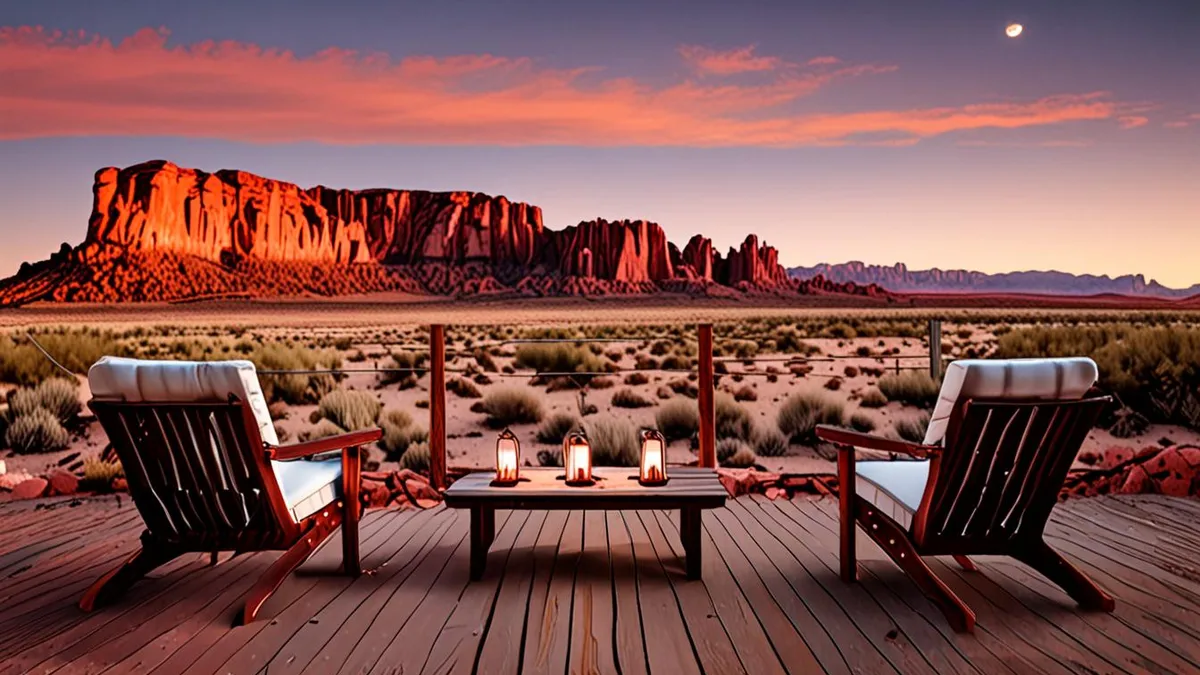
If you’re dreaming of a winter escape to a desert park, heated geodesic domes and cabins are the better bet. These solid or insulated structures can run year-round, which makes them ideal for cooler months when the parks themselves are quieter and the daytime temperatures are pleasant. For a deeper look at how these options compare to traditional camping, this guide to glamping versus camping breaks down the costs and comfort differences in detail.
The word “luxury” also deserves scrutiny. Real beds and quality bedding are standard across the industry, but plenty of listings use upscale language for what is essentially a nice tent. Before booking, compare exactly what each property includes:
- Private bathrooms: Some sites offer an ensuite bath in every unit, while others point you to a shared bathhouse that may be a short walk down a gravel path.
- Heating and cooling: A wood stove or propane heater transforms a shoulder-season stay, and air conditioning matters more than many travelers expect in desert locations.
- Kitchen or meal service: Check whether you get a full kitchen, a basic camp stove setup, or on-site dining, because nearby food options can be thin around remote park boundaries.
- Power and lighting: Solar-powered sites may have limited electricity, which affects charging devices, running fans or using a hair dryer.
Timing Your Glamping Stay: Seasons and Booking Windows
Timing shapes both the price and the experience of your glamping trip. Peak season runs June through August, when families travel and weather is at its most reliable. Near famous parks, that demand means you should book 3 to 6 months ahead to have a real choice of sites rather than whatever leftovers remain. Leave it later and you’ll often face slim pickings at full price, or a great tent two hours from the gate you need.
Why shoulder months deliver better value
The shoulder seasons of April-May and September-October are the sweet spot for many travelers. Prices typically drop, crowds thin out noticeably on popular trails, and weather stays pleasant enough for full days outside. A September stay near a busy park can feel like a different destination compared to mid-July, with cooler mornings and easier parking at trailheads. The trade-off is that weather is less predictable, so it’s worth checking cancellation terms before you commit.
Winter is the sleeper pick, and it pairs especially well with desert parks. Off-season glamping near Zion and the Grand Canyon’s South Rim means fewer crowds, crisp hiking weather and rates well below summer peaks. Heated domes and cabins make these trips comfortable even when nights drop near freezing. The same logic applies internationally, and if you’re curious how seasons play out elsewhere, this guide on when to go glamping in Portugal shows how regional climate shapes the best booking windows.
Setting a Realistic Budget
Glamping rates near a major US national park are shaped by three things: the type of stay, the season, and how close you are to the entrance gate. A basic safari tent in shoulder season sits at the low end of the market, while a heated dome steps from the gate in July will push toward the top. Before you compare rates, find out what the price actually covers.
Some sites include breakfast or full meal service, firewood, and even gear like kayaks or bikes. Others charge for every bundle of wood and expect you to drive 20 minutes for dinner. A mid-range night with meals included can beat a cheaper one where you are also buying groceries and restaurant meals, so run the numbers on the full stay rather than the headline rate.
Split the cost, keep the comfort
Large family tents and multi-room structures are built for sharing. Splitting one between two couples or two small families can bring the per-person cost close to a standard hotel room, often with better views and a fire pit thrown in. If you are comparing glamping against a far-flung lodge stay, the same logic applies to destinations abroad, as covered in this guide to glamping in Patagonia.
One last tip: ask about extras before you book, not at check-in. Cleaning fees, pet charges and minimum-stay requirements during peak months can quietly add a night’s worth of cost to your total. A quick message to the host listing every fee usually gets you a straight answer and an accurate final price.
Vetting Comfort and Facilities Before You Book
Tent walls are thin, and that is the whole point. But thin walls also mean the structure offers little temperature control on its own. Sites near desert and mountain parks routinely swing around 30°F between day and night, so a tent that feels perfect at 3 p.m. can be genuinely uncomfortable by midnight. Confirm in writing whether your unit has heating, cooling, or both, and ask what happens during a cold snap.
Then work through the practical questions. Is the bathroom private and attached, or shared and a short walk away? Is there potable water on site? Is there a kitchen, a camp stove, or meal service, or should you plan to eat every meal in town? The answers change what you pack and how early you need to leave for the park gate each morning.
- Ask whether linens and towels are provided for every guest, or whether you need to bring your own sleeping bag.
- Check if the unit has lighting and USB or standard outlets, since some canvas structures run on limited solar power only.
- Confirm whether the site has cell coverage or Wi-Fi, which matters if you need to check road conditions or gate status each morning.
- Ask about shade and ventilation for summer trips, since screened vents or a fan can matter as much as a heater in spring.
Finally, read recent reviews and search them for two words in particular: cleanliness and wildlife. Reviews that mention mice, ants, or raccoons getting into tents tell you how seriously the operator takes wildlife-proofing and upkeep, and recent ones matter more than a glowing write-up from three seasons ago.
Red Flags That Signal the Wrong Base Camp
The fastest way to waste a glamping budget is to book a listing that says “near Zion” or “near Yellowstone” and nothing else. Near is not a distance. A good listing names the closest entrance gate and gives a realistic drive time, and if the host will not tell you, assume it is longer than you would like. Cross-check the address on a map yourself before paying anything.
Read the photos like a detective
Listing photos are chosen to flatter, but they still leak information. A tent framed with a highway shoulder in the background, or a bathhouse shown a long walk from the sleeping structure, tells you what the “luxury” experience really involves. Look for photos of the surroundings at wide angle, not just the styled interior, and note whether the fire pit and seating area look private or lined up with neighbors.
Cancellation policy is the other quiet warning sign. Shoulder-month trips in April, May, September and October carry real weather risk, and a listing with no stated refund terms leaves you absorbing all of it. A confident operator spells out deadlines and partial refunds clearly.
One more habit worth building: message the host with two direct questions before booking. Ask for the drive time to the specific gate you plan to use, and ask what happens if a storm damages your unit mid-stay. Fast, specific answers are the best signal that the base camp will match the photos.
The Right Base Makes the Park
The biggest mistake glampers make is falling for a beautiful tent in the wrong spot. With dozens of sites scattered around every major park’s boundary, the one that actually saves you time is the one close to the gate you’ll use. Pick location and gate access first, then match the stay type and season to your trip.
From there, the rest falls into place. Book 3 to 6 months ahead if you’re traveling in peak season, or target the shoulder and winter windows for better value and thinner crowds. Before paying $150 to $500 a night, verify the details that matter: heating, private bathrooms and honest drive times. Do that, and your base camp becomes an asset instead of a compromise. If this helped you plan your trip, leave a comment or share the article with a fellow traveler.