Patagonia lodge stays can make or break a trip to the far south of South America. The region is enormous, spanning both Chile and Argentina, and the seasons shape everything from trail access to lodge prices. Many travelers book a beautiful lodge only to realize it sits hours away from the hikes or glaciers they actually came to see.
This guide breaks Patagonia into its two main lodge regions: the northern Lake District around Bariloche and Villa La Angostura, and the southern hiking hubs of El Chaltén, El Calafate and Torres del Paine. We match each region to the right season, compare lodge styles and price ranges, help you pick a base for your travel style, and cover booking windows and travel logistics between regions.
Why Patagonia Lodge Stays Depend on Getting the Region Right
Patagonia is not one destination but a sprawling region covering the southern ends of both Chile and Argentina. The distances between its headline attractions are genuinely vast: driving from the Lake District in the north down to the southern glacier country typically takes a full travel day, and often more once you factor in road conditions and border crossings. If your trip is shorter than two weeks, trying to cover both halves by road is rarely a good use of your time.
This is why getting the region right matters more here than in almost any other destination. Choosing the wrong base can add hours of driving between your lodge and the trails or glaciers you came for. A lodge that looks cheap on the map may cost you a two-hour drive each way to the nearest trailhead, turning a relaxed hiking day into a logistics exercise.
Two regions, two very different trips
To keep things simple, this article splits Patagonia into northern lake country and the southern hiking hubs. The north centers on Bariloche and Villa La Angostura, with lakeside lodges and gentler outdoor activities. The south is where you find the big-name treks and glaciers, anchored by Argentina’s trekking capital and Chile’s most famous national park. We then match seasons to each region, because the best months for lodge stays differ noticeably between the two.
Northern Patagonia: Lake District Lodges Around Bariloche and Villa La Angostura
The northern Lake District is Patagonia at its most relaxed. Bariloche and Villa La Angostura sit on the shores of glacial lakes in Argentina’s Río Negro and Neuquén provinces, and both towns offer easy access to Nahuel Huapi and Los Arrayanes national parks. From many lodges, you can be on a lakeside trail, a kayak or a mountain-bike path within minutes of leaving your room.
When to visit the Lake District
The region is at its best from October to April, when days are long and the weather supports the full range of activities. Hiking, kayaking and cycling are all in play during these months, and the lake scenery is at its most photogenic. Outside this window, conditions shift toward winter sports, which changes the character of a lodge stay considerably.
What lodges cost and what to expect
Lodge styles here range from family-run cabaña lodges tucked into the forest to full-service lakefront properties with restaurants and spas. Most fall in the $120-350 per night range, which makes the Lake District one of the more affordable ways to experience Patagonia in comfort. Because the towns are well developed, you also have far more dining and service options than in the remote southern hubs, which matters if you prefer flexibility over all-inclusive remote lodges.
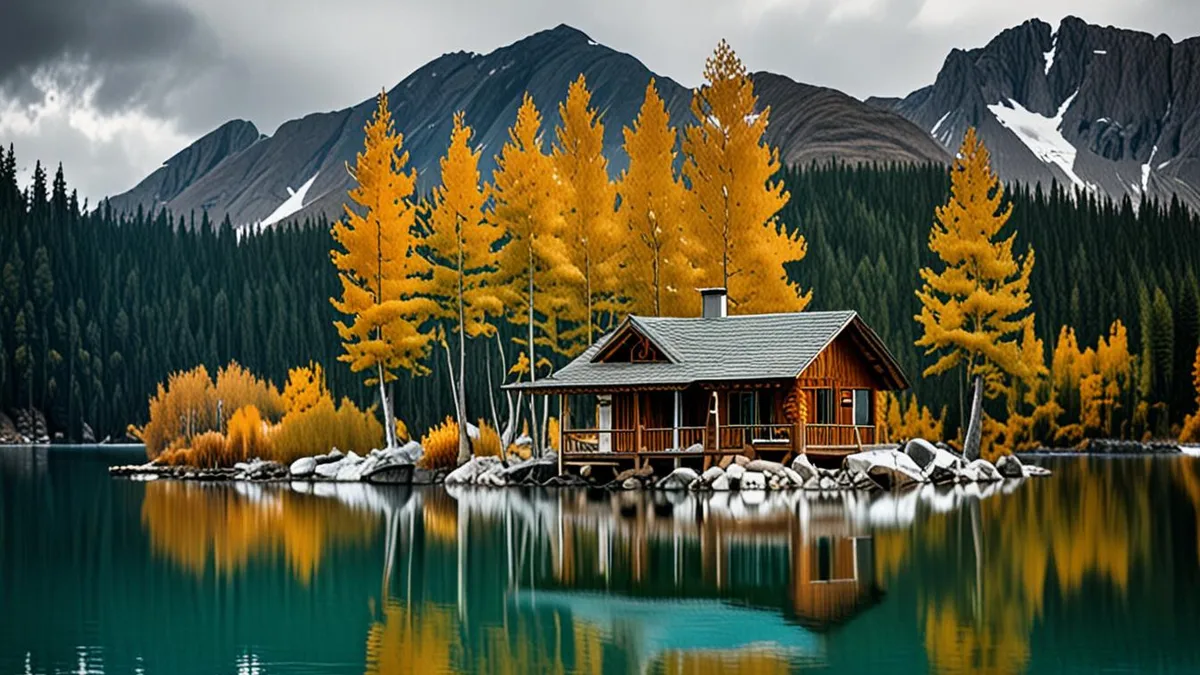
Southern Patagonia: Lodges Near El Chaltén, El Calafate and Torres del Paine
Southern Patagonia is where the postcard scenery lives, and each of the three main hubs serves a different purpose. Picking the right one depends on whether your priority is trekking, glaciers or early trail access.
El Chaltén for trekking
El Chaltén is the trekking base for Mount Fitz Roy, and it is a hiker’s dream in terms of logistics: trailheads are walking distance from most lodges in town. You can step out of your room in the morning and be on the trail to Fitz Roy or Laguna Torre within minutes, with no shuttle or driving required. This walkable access is the single biggest reason hikers choose El Chaltén over cheaper lodges elsewhere in the region.
El Calafate for glaciers
El Calafate works best as the base for Perito Moreno Glacier day trips, and it has the largest range of lodges, restaurants and services in southern Patagonia. Keep the geography in mind: El Calafate sits about 220 km from El Chaltén, roughly 3 hours by road, so combining the two in one day is not realistic. Most travelers split their stay between the two towns rather than commuting back and forth.
Torres del Paine for early trail access
Lodges inside or near Torres del Paine national park in Chile give you early trail access before the day crowds arrive, which is a real advantage on the park’s famous routes. That convenience comes at a price: peak-season premiums of $400-600+ per night are common for these properties. If you want the park experience without the premium, staying just outside the park gates is a middle path, though you trade away some of that early-start flexibility.
When to Go: Matching Patagonia Lodge Stays to the Season
Timing is the single biggest factor in what your lodge stay will cost and feel like. In the south, the peak window runs from November to early March. Days stretch long, weather is at its mildest, and that combination pushes lodge prices to their highest while trails around Fitz Roy and Torres del Paine see their busiest foot traffic.
October and April are the shoulder months, and many experienced travelers prefer them. Crowds thin out noticeably, daytime temperatures sit around 10-15°C, and you will find far more lodge availability without booking a year ahead. You trade some warmth and stability for quiet trails and better rates.
Winter, from May to September, changes the picture completely. Many southern lodges close for the season, and high trails become unreliable or outright unsafe. The Lake District, however, stays lively: Bariloche and Villa La Angostura shift into ski mode, and lakeside lodges keep their doors open with a cozy, fireside atmosphere.
- Peak season daylight: In December and January, southern Patagonia can stay light past 10 p.m., letting you start long treks early and still return for a late dinner at your lodge.
- Shoulder-month wind: October and April still carry Patagonia’s famous winds, so pack layers even when the forecast looks mild.
- Winter logistics: Some roads and park services in the far south operate on reduced schedules in winter, so confirm access before committing to a southern lodge.
- Ski-season pricing: Lake District lodges can be busy and priced up during ski weeks, especially around Argentine school holidays, so book Bariloche winter stays early too.
How to Choose the Right Lodge for Your Trip Style
Patagonia lodges vary enormously depending on what kind of trip you are planning, so start with your travel style rather than the photos. A lodge that looks charming online can leave you an hour’s drive from the trailhead you actually came for, while a plainer option inside a national park might save you that drive every single morning.
Hikers should put walkable trailhead access at the top of the list. In El Chaltén, most lodges sit within walking distance of the Mount Fitz Roy trails, which means you can start at dawn without a car. Inside Torres del Paine, lodges near or within the park cost more, but the early trail access is usually worth the premium over cheaper places in distant towns.
If scenery matters more to you than miles, estancia lodges out on the steppe often deliver the best value. They typically run around $200-450 per night, frequently with meals included, and offer wide-open views and a taste of working-ranch life that town hotels cannot match.
- Ask about dinner: Remote lodges may have no other food options within an hour’s drive, so confirm whether dinner is included or can be added before you book.
- Check meal quality reviews: At estancias far from any town, you will eat every meal at the lodge, so recent guest feedback on the kitchen matters more than usual.
- Count transfers: Some lodges include airport or trailhead shuttles in the rate; others charge separately, which can shift the real price noticeably.
- Match lodge size to your style: Small family-run lodges offer personal attention but limited amenities, while larger properties add comfort, spas and guided excursions on-site.
Booking Windows and Getting Between Regions
Patagonia rewards early planners, especially if your dates fall in the southern summer. The best lodges in the most sought-after locations are limited in number, and the ones with the best trail access sell out first. Because the region spans two countries and hundreds of kilometers of steppe, lakes and mountains, a realistic booking sequence matters as much as the booking itself. A few simple steps will keep the process manageable and your itinerary honest about what you can actually cover.
- Book peak-season southern lodges first. For December-February stays in Torres del Paine and El Chaltén, reserve 6-9 months ahead to secure your preferred lodge and room type.
- Use the shoulder season for flexibility. October and April trips can often be booked 2-3 months out, and rates tend to be better than peak-season pricing.
- Plan a full travel day between regions. The distance between the Lake District and the southern hubs is vast, so do not try to combine Bariloche and El Chaltén in a single moving day.
- Fly rather than drive where possible. Routing through El Calafate or Punta Arenas saves the most time; for reference, El Calafate to El Chaltén is about 220 km, roughly 3 hours by road.
- Confirm flights and lodges together. Lock in your lodge first, then match flights to it, since regional flight schedules can be limited and change seasonally.
Once your anchor bookings are set, the rest of the trip falls into place. Build in a buffer day around each long transfer so a delayed flight or rough road does not cost you a trek. Keep confirmation numbers handy, both printed and offline on your phone, since WiFi at remote lodges can be slow or unavailable. Finally, recheck lodge and flight details a week or two before departure, because schedules in remote Patagonia can shift with little notice, and a quick email to your lodge ahead of time usually resolves small problems before they reach the trailhead.
Wrapping Up Your Patagonia Lodge Plan
Patagonia rewards a bit of planning, and it all starts with picking your base. If you want variety, lakes and a longer season, the Lake District around Bariloche is your best bet. If glaciers and big treks are the goal, base yourself near El Chaltén, El Calafate or Torres del Paine. Then match the months to your plans: November to early March delivers peak hiking conditions, while October and April offer quieter trails and easier lodge availability.
Once your region and season are set, move quickly on bookings. The most sought-after southern lodges fill up well ahead of summer, so reserving 6-9 months out for December-February stays is a sensible habit. Expect rates to run from around $120 per night for simple stays to $600+ for high-end estancia lodges in peak season. If this helped you plan your trip, leave a comment or share the article with a fellow traveler.