You’ve saved up for a nature escape, and now you’re stuck on the same question that trips up thousands of travelers every year: does a furnished tent or a solid cabin actually give you more comfort for your money? The glamping vs cabin stay debate isn’t just about style. It affects what you pay per night, how well you sleep when the wind picks up, and whether you can cook dinner when it rains.
In this guide, we’ll break down what each option really is, compare beds, bathrooms and weather performance, and look at the true costs including the extras that quietly inflate your bill. We’ll also cover the best time to book, who each option suits, and where in the world glamping or a cabin makes the most sense. By the end, you’ll know exactly which stay fits your trip, your budget and your tolerance for chilly mornings.
Glamping vs Cabin Stay: What Each One Actually Is
The two options sound similar on a booking site, but they’re built completely differently. Glamping means glamorous camping: furnished tents, geodesic domes or small lodges with real beds, proper linens and often en-suite bathrooms. These setups sit on campsites or private land, and the experience is designed to feel like a hotel room that happens to have canvas walls.
A cabin is a different animal entirely. It’s a solid, insulated structure with real walls, windows, a private bathroom and usually a small kitchen. You get a front door that locks, a roof that doesn’t flap in the wind and heating you control with a thermostat or a stove.
The core difference
Glamping keeps you closer to the outdoors because you’re sleeping inside a fabric structure. You’ll hear the rain, feel the temperature swings and wake up with the birds. That’s the appeal for many travelers, but it also means the weather is part of the deal whether you like it or not.
Cabins, on the other hand, offer fully weatherproof comfort. Insulated walls and solid windows mean a storm outside barely registers inside. If your priority is a cozy base that behaves like a small house, a cabin delivers. If you want the sensation of sleeping outdoors without giving up a real mattress, glamping is the closer match. Knowing which feeling you’re after is the first step in choosing well.
Comfort Compared: Beds, Bathrooms and Weather
Glamping comfort varies more than most travelers expect. At the entry level, you get a real bed and linens but shared bathhouses a short walk away. Step up to a high-end safari tent and you’ll find en-suite bathrooms, a wood stove for cold evenings and a private deck for your morning coffee. The gap between these two experiences is enormous, so read the listing carefully before you book.
One thing that helps is knowing what to bring, since even upscale tents often skip items you’d take for granted in a hotel. A good packing guide for a luxury safari tent stay covers the extras like layers, slippers and a flashlight that make canvas living genuinely comfortable.
How cabins compare
Cabins almost always include heating, hot water on demand and a kitchen, which makes them reliable in rain, wind and cold. You’re essentially renting a small house, and the weather outside has little effect on your evening. For winter trips or a week of unsettled forecasts, that reliability is hard to beat.
Temperature is where tents struggle most. In summer heat, canvas can feel stuffy by mid-afternoon, and good ventilation only goes so far. Below 10°C, most tents get genuinely chilly, since heating is often limited to a wood stove or extra blankets. Cabins stay comfortable in any season thanks to full insulation and central heating. If your dates fall in a shoulder month with unpredictable weather, that difference alone can decide the glamping vs cabin stay question for you.
Costs: Nightly Rates and Hidden Extras
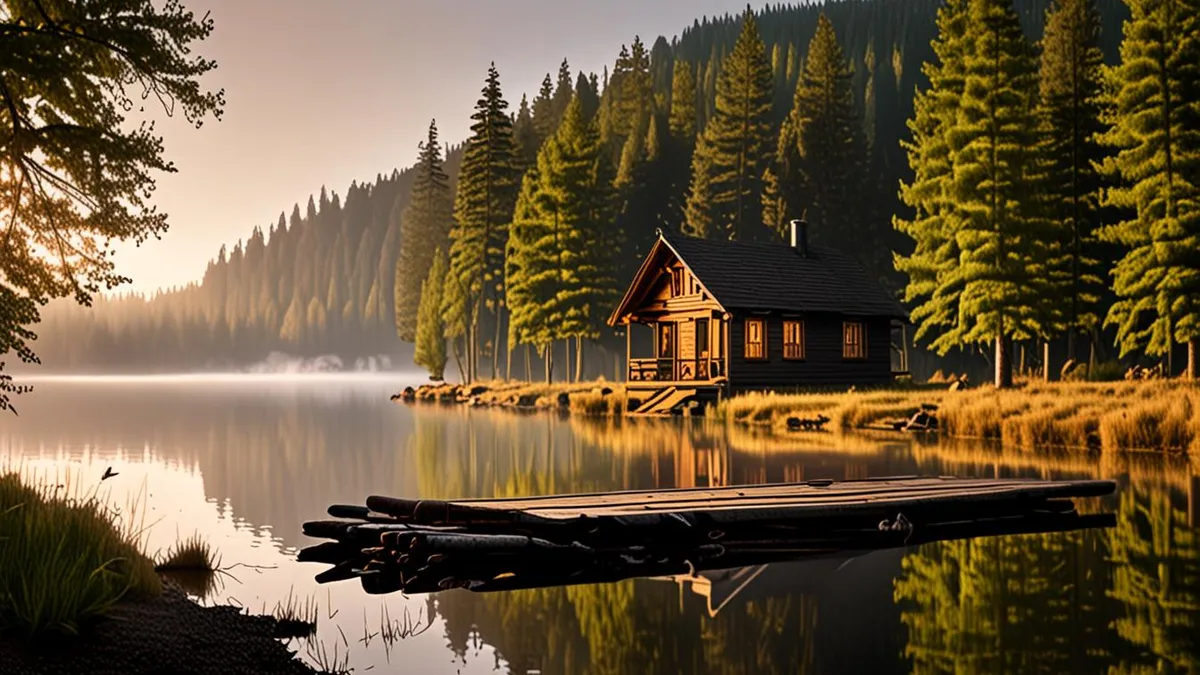
On nightly rates, cabins usually win the price comparison. Glamping tents typically cost $150–$400 per night, while comfortable cabins typically run $100–$300 per night. That means for the same budget, a cabin often gets you more space, a kitchen and dependable heating, especially outside peak season. The gap widens further once you factor in what each rate actually includes, since tented sites tend to charge separately for things a cabin would cover anyway.
Glamping prices also swing harder with demand. Peak-season rates can be 30–50% above shoulder-season prices, and the jump is sharpest on summer weekends when sites sell out. If you’re considering a scenic destination like Patagonia, this guide to glamping in Patagonia covers what to expect from rates and setups in remote regions.
The listed rate is rarely the whole story. Watch for these common extras:
- Firewood bundles: many glamping sites charge per bundle for wood stoves and fire pits, and a cool evening can burn through two or three.
- Breakfast add-ons: some tented sites offer breakfast for an extra per-person fee, which adds up over a week for a couple or family.
- Activity fees: kayaks, guided walks or stargazing sessions are sometimes billed separately rather than included in the nightly rate.
- Cleaning fees on cabins: cabins usually have fewer add-ons, but hosts often charge a flat cleaning fee that hits hardest on one- or two-night stays.
Before booking, add up the total for your exact dates rather than comparing headline rates. Check whether linens, towels and parking are included, since a few tented sites treat these as paid extras too. A cabin with a cleaning fee can still come out cheaper than a tent with three add-ons, but you’ll only know once you do the math for your specific trip.
When to Book and When to Go
Timing matters more for glamping than for almost any other type of stay. In most temperate regions, the glamping season runs roughly April to October, because canvas tents, domes and safari lodges simply are not built for deep winter. That means demand gets squeezed into a narrow window, and the best sites fill up fast.
If you want better rates and quieter surroundings, aim for the shoulder months. May, June and September usually deliver pleasant weather, lower prices and fewer crowds than the July and August peak. The trade-off is that evenings can still be cool, so pack layers even in early summer.
How far ahead to book
For peak summer weekends, especially in popular regions, glamping sites usually open bookings 6 to 12 months ahead, and the most sought-after tents can be gone within weeks of the calendar opening. If you have your heart set on a specific dome or safari tent for a July Saturday, book as early as the site allows.
Cabins work differently. Because they are bookable year-round and insulated against the weather, they are the safer pick for winter trips or last-minute getaways. You can often find availability a few weeks out, even in shoulder season, though holiday periods still warrant early booking. For a closer look at how seasons affect a specific destination, see this guide on when to go glamping in Portugal.
Who Should Pick Which: Matching the Stay to Your Trip
The right choice depends less on the structure and more on the shape of your trip. A two-night summer escape and a week-long winter retreat are asking for completely different things, and each option shines in a different scenario.
Glamping is at its best on warm-season trips where the experience itself is the point. Falling asleep under canvas, stepping onto a deck with a coffee and watching the stars with no roof overhead is hard to replicate in a conventional room. If your trip is short, the weather is settled and you want something memorable, a well-sited tent delivers.
A cabin, by contrast, rewards longer stays and less predictable conditions. With solid walls, full central heating, a private bathroom and a kitchen, you can cook your own meals, dry out wet gear after a rainy day and settle into a routine. That reliability matters even more when young children are along, since a cold night in a tent can undo an otherwise great trip.
- Couples chasing romance: a deck-and-dome glamping setup, with a private deck, string lights and an unobstructed view of the sky, often beats a standard cabin for atmosphere on a short warm-weather break.
- Families with young kids: a cabin gives you space to spread out, a kitchen for picky eaters and heating that keeps nap times and bedtimes comfortable regardless of the weather outside.
- Remote workers: a cabin’s reliable power, heating and proper table space make multi-week working trips far more practical than a tent, where Wi-Fi and charging options can be limited.
- First-time campers: glamping works well as a gentle introduction, since you get real beds and often en-suite bathrooms without buying any gear.
Where Each Option Shines: Regions and Settings
Where you go should shape what you book, because the same tent can feel magical in one setting and disappointing in another. The structure matters, but the setting around it matters more.
Where glamping excels
Glamping works best in destinations where the tent itself is part of the experience. Think of Patagonia, where domes and safari tents put you inside dramatic landscapes you would otherwise only see through a car window, or Portugal’s Alentejo coast, where canvas accommodation pairs with quiet beaches and dark skies. European surf camps are another strong fit: the laid-back, social atmosphere of a tented site suits the rhythm of a surf trip better than a standard hotel room ever could.
Where cabins make more sense
Cabins come into their own in wilderness regions where weather protection genuinely matters. Alaska, with its cold nights and unpredictable conditions, is classic cabin country. Arizona’s red rock country benefits from a solid base when desert temperatures swing between scorching days and chilly nights. Around northern lakes, where rain and early cold snaps are common, a cabin with heating and a kitchen lets you enjoy the setting without suffering through it.
One final check before you book: look at the setting, not just the structure. A tent in a crowded campsite, wedged between RVs and next to a washroom block, only beats a cabin if the location itself delivers the view, peace or access you booked it for. Read recent guest reviews and, if possible, study a map of the site before committing.
The Bottom Line on Glamping vs Cabin Stay
So which gives you more comfort for your money? If you’re traveling in the warm months, want that closer-to-nature feel and don’t mind paying a premium for it, glamping is the pick — just remember it usually costs more per night and most sites close down outside the April–October season. If your budget is tighter, your trip is longer or the forecast looks cold and wet, a cabin wins. It’s cheaper, available year-round and gives you real heating, a kitchen and a private bathroom no matter the weather.
The honest answer is that neither option is better across the board. Glamping trades some weatherproof comfort for a more memorable experience, while a cabin trades novelty for reliability. Match your choice to your season, your budget and how much protection from the elements you actually need — and you’ll get the right stay for the money. If you’ve stayed in one or both, tell us which you’d pick in the comments, or share this article with a friend planning their own escape.