Glamping in Victoria sounds simple until you start planning. This is a small state that packs four very different glamping seasons into one compact area, and the region that shines in February can be cold and damp by July. Choose the wrong area for your dates, or book the wrong window, and a trip you saved for can turn into a shivering, overpriced disappointment.
This guide breaks the decision down. We compare the seasons, from mild autumn days to wet winter nights, then look at the four main glamping areas: the Great Ocean Road, the Grampians, the Mornington Peninsula and Yarra Valley, and the High Country. You’ll also find advice on choosing between safari tents, domes and lodges, what a night typically costs, when to book for each region, and how to pack for conditions that can swing 20 degrees in a day. By the end, you should be able to match your dates, budget and comfort level to the right corner of Victoria.
When to Go: Glamping in Victoria by Season
Victoria rewards travelers who match their trip to the season, because the state swings from hot, fire-prone summers to genuinely cold, wet winters. Picking the right window matters as much as picking the right site.
The sweet spot: autumn
Autumn, from March to May, offers the best all-round mix for glamping in Victoria. Days are mild, generally around 15-22°C, the weather is more stable than in other seasons, and crowds thin out after the summer holidays. Rates ease back from peak levels too, which makes autumn the default answer if you can travel anytime.
The other three seasons
Summer, from December to February, is when the coast is at its best, but it comes with trade-offs. Temperatures often sit between 25-35°C, bushfire risk is a real consideration, and you’ll pay peak pricing. Book early and stay flexible.
Winter, from June to August, brings 5-14°C days and regular rain. That sounds uninviting, but it’s ideal if you book a geodesic dome with heating, and rates often drop 30-40% below summer levels. Spring, from September to November, is a lovely time for wildflowers in the Grampians, though nights can still drop close to 5°C, so pack warm bedding and layers.
Best Areas for Glamping in Victoria
Victoria’s glamping sites cluster in four main regions, each with a distinct character and a different best season. The good news is that every one of them sits within a manageable drive of Melbourne, so even a one-night stay is realistic. If you only have a weekend, the wine regions are the simplest choice; if you can stretch to three or four days, the Grampians and the Great Ocean Road reward the extra distance with far more dramatic scenery.
Before choosing, think about what you actually want from the surroundings: coast, ranges, vineyards or alpine forest. A couple chasing a vineyard-and-spa weekend has very different needs from a family planning bushwalks and wildlife spotting. It’s also worth reading up on how to pick the right base near national parks, since several of these regions sit beside protected land where access, wildlife and fire rules shape the experience. Checking these details before you book saves disappointment later, especially for remote, off-grid sites.
- Great Ocean Road: coastal tents and sites with ocean views, roughly 3 hours from Melbourne. Best in summer and autumn, when you can actually swim and enjoy the sea breeze rather than hunker down against it.
- Grampians: bushland domes and safari tents set among the sandstone ranges. The landscape is the draw here, with walking trails and lookouts on the doorstep, and the region suits both March-May and September-November visits.
- Mornington Peninsula and Yarra Valley: wine-region glamping only 1-1.5 hours from Melbourne, making these the easiest weekend trips in the state. Expect vineyard settings, hot springs nearby on the Peninsula and cellar doors within a short drive.
- High Country (Bright, Mansfield): alpine scenery that peaks in autumn color, plus snow-adjacent winter domes for travelers who want a snowy backdrop without sleeping in a tent on the slopes.
A practical rule of thumb: match the region to the season rather than forcing a trip to fit your calendar. The coast earns its keep in the warm months, while the ranges and High Country come into their own in autumn, spring and winter. Working out your priorities first, then picking the region that suits the time of year you can travel, will almost always lead to a better stay than the reverse.
Choosing Your Stay Type: Tents, Domes and Lodges
Not all glamping is the same experience, and the stay type you pick matters more in Victoria than in milder states. A tent that feels romantic on a February night on the coast can be miserable in a July cold snap.
Safari tents vs domes
Safari tents are the classic choice for summer and autumn coastal trips, especially along the Great Ocean Road. They offer space, canvas charm and good airflow in warm weather, but they cool down fast once temperatures drop, so they’re best avoided for winter stays. If you’re torn between the two styles, it helps to compare how a safari tent and a dome hold heat before you commit, since the difference in shoulder-season nights is noticeable.
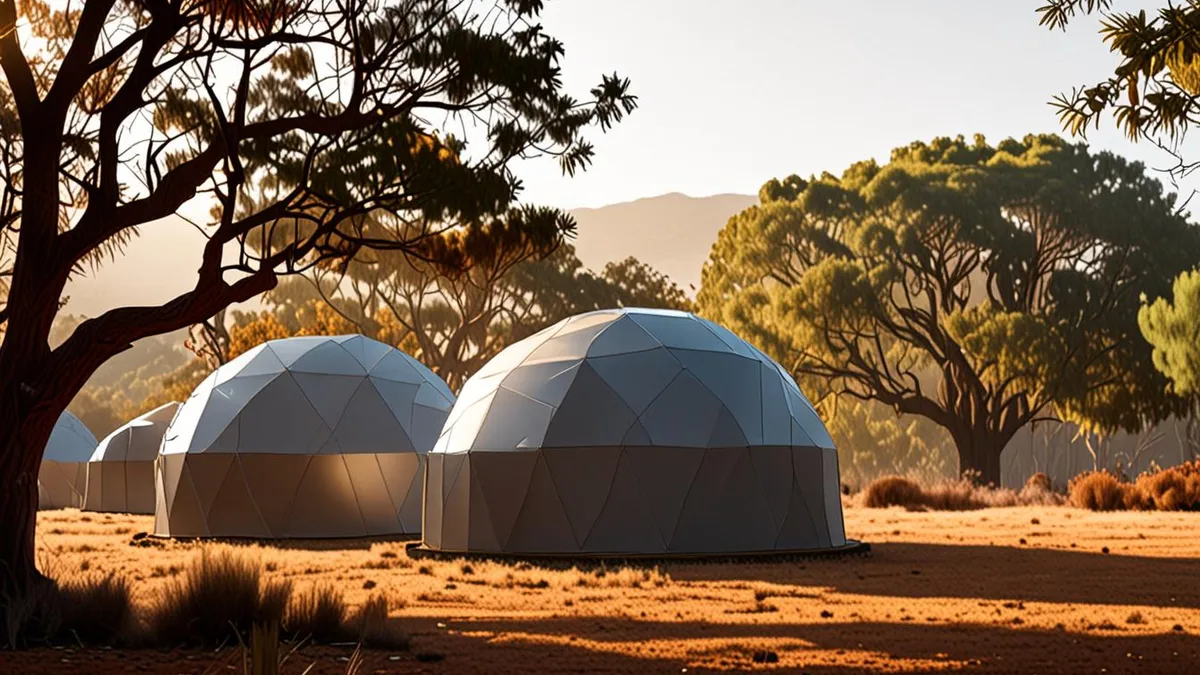
Geodesic domes with wood heaters are the winter pick. Their curved shape and insulation hold warmth well, which is why they dominate in the Grampians and the High Country, where cold nights are the norm from June to August. Waking up warm inside a dome while frost sits outside is one of the best glamping experiences the state offers.
Lodges, treehouses and off-grid reality checks
At the top end, luxury lodges and treehouses typically run AUD 250-500 per night and suit honeymoons and special occasions. You generally get proper bathrooms, better kitchens and extras like spas or fireplaces, so you’re paying for comfort as much as scenery.
One final check before booking: whether the site is off-grid. Many Grampians properties have no power or Wi-Fi, which is part of the appeal for some travelers and a dealbreaker for others. Ask about lighting, phone charging and refrigeration in advance so there are no surprises when you arrive after dark.
What Glamping in Victoria Costs
Glamping in Victoria sits in a fairly predictable price band, which makes budgeting easier than with many getaways. Safari tents and geodesic domes typically run AUD 180-350 per night, while luxury lodges and treehouses range from AUD 250-500. If you want a fuller picture of how these rates compare across the country, this budget breakdown of glamping costs by stay type is a handy reference.
Location and timing push you toward the top or bottom of those ranges. Summer weekends along the Great Ocean Road and on the Mornington Peninsula sit at the premium end, and a safari tent with an ocean view can cost as much as a modest lodge inland. The same property midweek in winter often drops to the cheapest rates on its books, frequently 30-40% below summer pricing. That winter window is where experienced glampers find the best value, especially in heated domes.
Watch the Add-Ons
The nightly rate is rarely the whole bill. Many sites charge separately for extras that are easy to underestimate:
- Firewood bundles, essential for wood-heater domes in cooler months
- Kayak or paddleboard hire at coastal and lakeside properties
- Spa treatments or private hot tub add-ons at lodge-style stays
These extras often add AUD 20-60 per stay, though longer trips with multiple bookings can climb higher. Ask when you reserve what’s included in the base rate, so you’re not surprised at checkout. A little homework here keeps a winter bargain from quietly becoming a full-price trip.
Booking Tips and Timing
Victoria’s best glamping sites are small, often with only a handful of tents or domes per property, so they sell out quickly in peak periods. A popular Great Ocean Road site might have six or eight tents in total, which means a single busy weekend can wipe out availability across the whole property. The good news is that booking windows are predictable, and off-peak trips reward flexible travelers with real discounts, often 30-40% below summer rates. Follow this sequence when planning your trip:
- Book summer coastal stays 4-6 months ahead. Great Ocean Road and Peninsula sites fill earliest, and school holidays from late December through January sell out first. If you want a specific dome or an ocean-facing tent over the holidays, book the moment dates open rather than waiting for a price drop that rarely comes.
- Reserve autumn Grampians and High Country trips 2-3 months ahead. March to May is popular for its mild days around 15-22°C, and the best-positioned sites go first. Booking this far out gives you the full choice of layouts and views rather than whatever is left.
- Use winter and midweek stays for last-minute plans. Many operators offer discounted rates on winter midweek dates, and these can often be booked just 3-4 weeks out. It is the easiest way to try a wood-heated dome without planning months in advance.
- Read the cancellation terms carefully. Fire-season closures and storm cancellations are a real risk in Victoria, and policies vary widely between operators. Look for sites that offer rescheduling credit rather than losing your payment entirely.
One extra habit that pays off: sign up for mailing lists at two or three operators you like. Cancellations in peak season do happen, and being on the list means you hear about them before the dates reappear publicly. Combine that with the booking windows above and you will rarely pay top rate for a top site.
Packing and Planning for Victorian Conditions
Victorian conditions can swing hard within a single day, and glamping amplifies that because you are closer to the elements than in a hotel. The single most useful habit is packing layers year-round. Even in midsummer, nights can drop to 10-12°C, especially at inland sites like the Grampians, so a warm jumper and socks belong in the bag even for a January trip.
Rain gear matters outside summer. Winter across all regions brings regular showers, and even shoulder-season trips can hit a wet day. A waterproof jacket and quick-dry shoes will keep you enjoying the site instead of hiding in the tent.
Food planning deserves more attention than most first-timers give it. Many glamping kitchens are minimal, and off-grid sites may have no oven, limited gas burners and a small esky rather than a fridge. Before you leave, check exactly what cooking equipment is provided, then build your menu around it.
- Bring one-pot meal ingredients. Dishes like curries, stews and pasta bakes work best at off-grid sites with a single burner, and they reheat well if you cook extra for the second night.
- Pack a headlamp or lantern. Off-grid Grampians properties often have no mains power or Wi-Fi, so paths between your tent and the bathroom can be genuinely dark after sunset.
- Download maps before you drive. Mobile coverage drops out in the Grampians and parts of the High Country, and an offline map saves you from guesswork on unsealed access roads.
- Plan around realistic drive times. Some regions sit close enough to Melbourne for an easy weekend dash, while the Grampians takes 3-4 hours, so decide in advance whether you want a quick break or a proper getaway.
- Ask about water and supplies. Remote sites can rely on rainwater tanks and limited amenities, so it pays to confirm what is on site and bring your own drinking water if in doubt.
A little planning goes a long way here. Victoria rewards travelers who prepare for four seasons in one day, and once your packing list covers warmth, rain and food, the rest of the trip takes care of itself.
Wrapping Up Your Victoria Glamping Trip
Victoria may be a small state, but it offers a glamping experience for every time of year, and the difference between a great trip and a disappointing one often comes down to matching the right region to the right season. If you want the simplest answer, aim for autumn, from March to May: the weather is mild, crowds are thinner and availability is easier to secure across all four main areas.
Otherwise, match the area to the season. Head to the coast for summer, the Grampians for autumn, and book a heated dome for winter. Timing matters as much as location: reserve peak summer coastal stays 4-6 months out, lock in autumn trips 2-3 months ahead, and expect to pay anywhere from AUD 180 to 500 per night depending on the stay type. If you have a favorite glamping spot in Victoria or a tip that saved your trip, share it in the comments below.