You want to wake up steps from the ocean without giving up a real bed, but beachfront glamping in Australia books out fast and prices swing wildly by season. The tent with the postcard view in January can cost double what it does in April, and the best sites near Sydney, Brisbane and Melbourne are often fully reserved months before summer even starts. That gap between what you imagine and what you actually get is where most coastal trips go wrong.
This guide breaks down coastal glamping in Australia step by step: which regions suit which season, how to tell a genuine oceanfront site from one hidden behind the dunes, when to book and how to save, what a night really costs, and how to pack and cook for a stay right on the sand. There’s also advice on splitting a multi-tent site with family or friends, plus a final checklist to pull the whole plan together.
Where Coastal Glamping Works Best in Australia
Australia’s coastline is long and varied, and the season you pick matters more than the destination. For a classic summer beach stay with warm water and long days, the New South Wales south coast and Queensland’s Sunshine Coast are hard to beat from December to March. These southern and central coastlines hit their stride in peak summer, when the surf is inviting and the beach towns are fully open.
The north flips the calendar
Northern Queensland and the Top End work on the opposite schedule. Their wet season runs roughly November to April, bringing humidity, heavy rain and stinger risk at some beaches, so the comfortable window is May to October. If your dates are fixed to the southern summer, look south; if you want the tropics, plan for the dry season instead.
Western Australia’s south-west coast is the value play. In October-November and March-April you get milder weather, fewer crowds and better rates at the same sites that fill up in peak summer. It’s a shoulder-season sweet spot worth considering if your dates are flexible.
One practical check before you fall in love with a listing: distance. Most quality beach-adjacent sites sit around 1-3 hours’ drive from Sydney, Brisbane or Melbourne, which makes them easy weekend trips, but some “coastal” options are much further out. Confirm the drive time from your city before booking, especially if you’re only staying two nights.
How to Choose the Right Beachfront Site
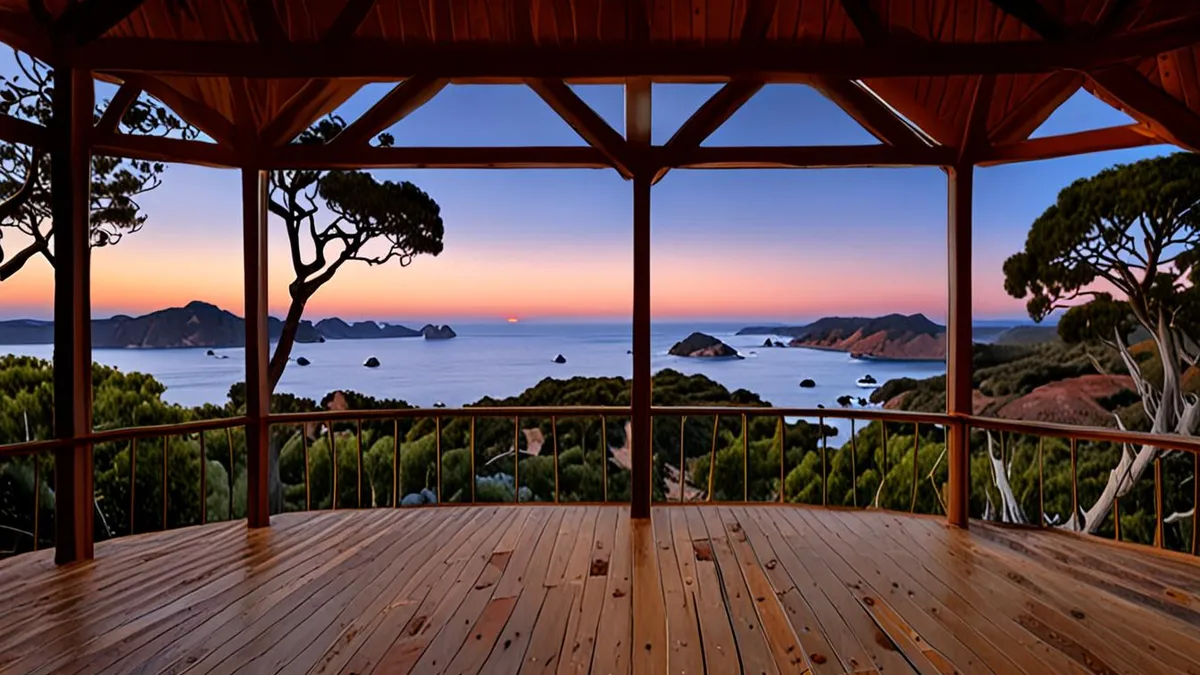
The word “beachfront” gets stretched hard in glamping marketing. Before you pay a premium, confirm exactly what it means: an ocean-view site, a dune-front position, or a tent that’s technically a short walk inland. Two sites at the same property can differ by hundreds of meters from the waterline, and the view from your deck changes accordingly. Ask the operator where your specific tent sits, not just where the best photo was taken.
Summer at an Australian beach is intense, so sun protection needs to be built into the site, not improvised. Look for shade structures over decks and common areas, screened tents that let the sea breeze through while keeping insects out, and an orientation that catches the afternoon breeze. A site with good airflow feels several degrees cooler than one tucked behind a dune with no cross-ventilation.
Infrastructure matters too. Some coastal sites have potable water and powered sites; remote setups run off-grid with tank water, solar power and composting toilets. Neither is better, but you should know which you’re booking so you can pack and plan meals accordingly. If you’re unsure what a listing’s amenities actually include, it helps to read up on what to expect at a glamping site before comparing options.
Finally, match the beach to your group. An exposed surf beach looks dramatic but isn’t ideal for kids or mixed-ability swimmers. A family-friendly cove with calm, shallow water lets everyone swim without constant supervision, which makes group trips far more relaxed.
- Phone and data coverage: remote coastal sites often have patchy reception, so download maps and confirm how you’d contact the operator or emergency services if needed.
- Wind exposure: tents on open headlands catch strong afternoon sea breezes; ask whether decks are sheltered and whether tents are staked for gusty conditions.
- Beach access path: check whether the walk to the sand involves stairs, soft sand or a dune track, which matters if anyone in your group has limited mobility or you’re hauling coolers and boards.
Booking Timing for Summer Coastal Stays
Timing is the difference between the oceanfront tent you want and whatever is left in March. For December-February dates, reserve 3-6 months ahead. The most popular New South Wales and Queensland sites often sell out by September for the summer holidays, so a December trip really needs to be locked in during winter. If you’re browsing in October for Christmas, expect slim pickings and peak prices.
Shoulder seasons, same sites
The same properties that command peak rates in January are noticeably calmer in March-April and October-November. You get the same location, often milder weather and fewer crowds, at lower prices. For southern coasts, late March still offers warm water; for Western Australia’s south-west, these shoulder months are the sweet spot. Shifting your dates by a few weeks is the single easiest way to save.
Midweek stays stretch the budget further. Off-peak weekday rates can run 20-30% below weekend prices, so a Monday-to-Thursday booking at a popular site can cost less than two weekend nights. If you can work remotely or take a couple of days off, a midweek beach stay is the best value in coastal glamping.
Read the cancellation terms before you commit, not after a storm rolls in. Coastal weather can change plans quickly, and a rigid non-refundable rate near the ocean is a risk. Flexible rates usually cost slightly more but let you move dates if a front is forecast. For a fuller walkthrough, see these tips on booking timing and cancellations for glamping stays.
What Coastal Glamping Costs
Beachfront glamping in Australia is a premium product, and peak summer is when that premium shows. For a true oceanfront tent or dome during December to February, expect to pay around AUD 200-450 per night. You are paying for the location as much as the accommodation, so it makes sense to be clear about what you are getting before you commit.
If an ocean-view wake-up is not essential, you can save significantly. Non-oceanfront and inland-edge coastal sites typically run AUD 120-250 per night, and many of these are still only a short stroll from the sand. Before booking, it helps to see how these rates stack up against other stay types – this glamping cost breakdown by stay type gives a useful side-by-side comparison.
The nightly rate is rarely the whole story. Extras can quietly add up, so check what is included when you compare sites.
- Linen upgrades: many sites supply basic bedding but charge extra for premium linen or towels, often a per-person fee rather than per-tent
- Firewood: beach campfires are popular, but wood is usually sold on-site at a premium, so bring your own if the rules allow
- Water gear hire: kayaks and paddleboards are often available at coastal sites, typically adding a daily hire cost rather than a once-off charge
- Peak surcharges: some operators add a summer holiday loading on top of the listed rate, so confirm the final total before paying
It is also worth comparing glamping against cabins in the same beach towns. Cabins can be cheaper and offer solid walls, kitchens and air conditioning, but glamping often wins on location – closer to the sand, quieter, and with more space around you. If waking up near the water is the point of the trip, the price gap can be money well spent. If not, a cabin a few streets back may serve you just as well for less.
Packing and Meals for a Beach Tent Stay
Sun protection is the number one packing priority for an Australian beach summer, and it is not negotiable. The UV at southern Australian beaches is intense even on overcast days, so pack reef-safe sunscreen and reapply it through the day. A wide-brim hat and light long-sleeve shirts will do more for your comfort than any amount of sunscreen alone, especially for kids spending hours in and out of the water.
Footwear and towels matter more at coastal sites than people expect. Quick-dry towels are essential when you are swimming multiple times a day in humid conditions – regular bath towels stay damp for days and start to smell. Closed shoes are worth their space in the bag too, since rocky coves and dune tracks can be rough, hot and full of prickly seed pods.
Food planning is where beach stays differ most from bush camping. Salt air corrodes packaging and rusts anything metal, fridge space is usually a small esky or compact camp fridge, and delicate ingredients simply do not survive. Build your menu around one-pot meals and BBQ-friendly food that tolerates heat and handling.
- One-pot dinners: think curries, stir-fries and pasta bakes that need a single burner and minimal washing up when water is limited
- BBQ staples: sausages, marinated chicken thighs and vegetable skewers hold up far better than fresh fish unless you have reliable refrigeration
- Hardy produce: carrots, capsicums, oranges and potatoes last for days without a fridge, unlike leafy greens and berries
- Decant at home: move oils, sauces and spices into small sealed containers so salt air does not wreck full-sized packets
The real time-saver is prep work done before you leave. Make marinades at home and pour them over meats in freezer bags, so dinner is a matter of tipping and grilling. Pre-cook breakfasts like frittata squares or overnight oats jars so mornings take minutes, not an hour of your beach day. The whole idea of coastal glamping is more beach time, and every meal you simplify buys back another swim.
Making It a Group or Family Trip
Coastal glamping gets dramatically better value as a group. A multi-tent site that sleeps 6-10 people lets you split the nightly rate across the whole group, and the per-person cost drops sharply compared to booking a single tent for a couple. If the site charges per person rather than per tent, do the math both ways before you book – the pricing structure changes which setup wins.
Share the gear, not the headaches
Groups routinely make the mistake of duplicating equipment. Instead of every family bringing their own esky and cookware, assign one shared cooler and one shared cooking kit for the whole group. That frees up car space, cuts packing time and means there is exactly one set of dishes to wash each night. A simple rotation for cooking and cleaning duty keeps resentment out of the trip.
Choosing a site that works for kids
With young children, site layout matters more than luxury. Look for sites with a fenced deck or a shallow-water beach within sight of the tents, so kids can play while adults relax rather than standing guard at the waterline. Calm coves beat exposed surf beaches for family trips for exactly this reason – you can see the water without being in it every second.
Finally, sort the money conversation before you arrive, not on the last morning. Agree on a shared cost spreadsheet that tracks fuel, food and any hire gear, and nominate one person to settle up at the end. It feels fussy at booking time and saves every awkward “who paid for what” moment later. Groups that handle costs upfront tend to book the next trip together; groups that do not often do not.
Wrapping Up Your Coastal Glamping Plan
There’s something special about falling asleep to the sound of waves and stepping out of your tent straight onto the sand. Coastal glamping in Australia makes that possible without asking you to sleep on a thin mat or wrestle with tent poles after a long drive. You get a proper bed, often a deck, and sometimes an outdoor bathroom, all positioned so the ocean is the first thing you see each morning.
The experience varies more than most travelers expect. Some sites sit right on the dunes with nothing between you and the water, while others are tucked into coastal bushland a short stroll from the beach. Both can be wonderful, but they deliver very different mornings, so it pays to know which one you’re booking before you commit. A quick look at the site map or a message to the operator usually clears it up.
Think of it as camping with the hard parts handled: someone else has sorted the shade, the bedding and the sturdy structure, so your job is simply to enjoy the salt air. Bring a good book, take the sunrise walks, and let the ocean do the rest of the work. If this helped you plan your trip, leave a comment or share the article with your travel group.