Tasmania glamping sounds dreamy until you start planning. The island’s weather is famously unpredictable, with summer evenings that can still feel wintry and rain possible almost anywhere, and prices swing just as wildly depending on when you book. Travelers often end up either overpaying for a peak-season tent they booked too late, or shivering through a bargain stay they weren’t prepared for.
This guide breaks down everything you need to plan with confidence: how the seasons compare, which region makes the smartest base, what glamping actually costs by stay type, and how to time your booking so you don’t miss out. We’ll also cover how to stay comfortable in Tasmania’s changeable conditions, how to make the most of your days once you’re there, and a quick recap to pull the whole plan together.
When to Go: Tasmania Glamping Seasons Explained
December through February is peak season for good reason. These months bring Tasmania’s warmest days, long daylight hours, and the liveliest atmosphere at popular sites. The trade-off is simple: this is when prices climb to their highest, and the best tents get snapped up early. Expect to book four to six months ahead if you want a summer spot worth having.
March through May is the sweet spot for many travelers. Autumn paints the deciduous landscapes in color, crowds thin out noticeably, and rates drop steadily as the season goes on. If you want good weather without peak-season prices, this is your window.
Spring and winter: quieter, cheaper, wetter
September through November brings blooming wilderness, wildflowers, and some of the quietest sites of the year. The catch is weather that changes quickly, with windy days common and conditions rarely settling for long.
June through August suits budget travelers and anyone chasing a cozy stay. Winter is the cheapest season, but nights turn cold and rain is more frequent than at any other time of year. If you go, pick a site built for comfort rather than one that assumes fine weather.
Where to Base Your Tasmania Glamping Trip
Where you base yourself shapes the whole trip, because Tasmania’s regions genuinely have different climates. The east coast, around Freycinet and Bicheno, is the driest and warmest part of the island and performs best from December to April. If sunshine matters to you, start here.
Cradle Mountain and the northwest deliver the alpine scenery most people picture when they imagine Tasmania, but rain falls year-round in this part of the island, even in summer. Go for the landscapes, not the forecast. The Huon Valley and the south near Hobart offer a middle path: easy access from the city, orchards, forests, and generally mild conditions.
Launceston and the northeast make a solid second base, especially if you’re combining a glamping stay with time in the Tamar Valley or the Bay of Fires region. Keep in mind that most sites sit one to three hours from a city, and distances that look short on the map take longer than you’d expect.
- Check the road, not just the distance. Tasmanian roads outside the cities are slow and winding, so a 100-kilometer drive can easily take most of the morning.
- Match your base to your activities. If hiking in national parks is the priority, it pays to read up on how to pick the right base for glamping near national parks before committing.
- Think about provisioning. Bases closer to Hobart or Launceston make it easier to stock up on groceries and fuel before you head to a remote site.
What Tasmania Glamping Costs by Season and Stay Type
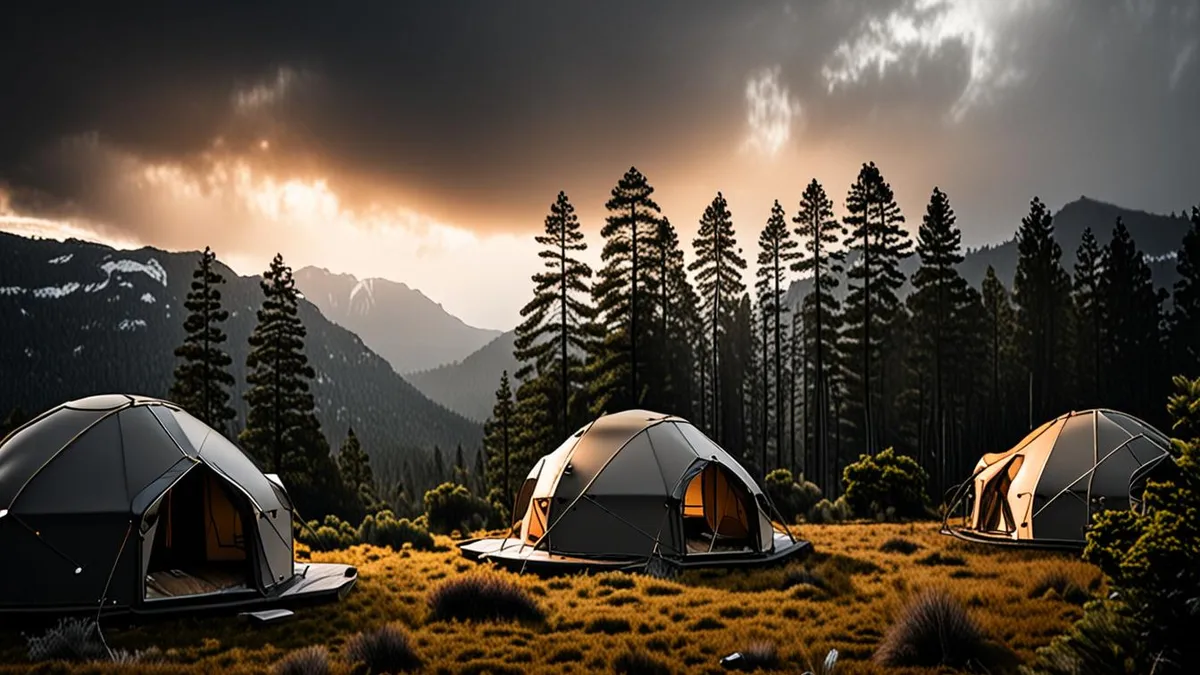
Glamping in Tasmania spans a wide price range, and the season you choose moves you along it. Standard glamping sites typically run roughly AUD 150-350 per night, with summer stays pushing toward the top of that range. In winter, rates drop toward the lower end, and midweek bookings save noticeably compared to weekends. That spread means two travelers can pay very different amounts for what looks like the same experience on a booking site, so it pays to check what the nightly rate actually covers before you commit.
At the top end, luxury wilderness lodges with tented suites can exceed AUD 500 per night. These stays often include meals or guided activities, which changes the value math considerably, since you’re not just paying for the tent. A lodge that bundles dinner, breakfast and a guided walk into the rate can end up comparable to a cheaper site where you’re adding all of that separately. If you want a broader comparison across stay types, this glamping budget breakdown by stay type is a useful reference.
- Budget for a hire car. Almost all sites require self-driving from Hobart or Launceston, so car rental is effectively part of the trip cost, not an optional extra.
- Compare what’s included. A site at the higher end of the range that includes breakfast, kayaks, or firewood may work out cheaper overall than a bare-bones tent plus add-ons.
- Watch the length of stay. Because minimum-stay rules often apply in summer, a three-night weekend at peak rates costs far more than the same tent midweek in shoulder season.
- Ask about extras. Some remote sites charge for things like linen upgrades, wood-fired hot tubs, or activity bookings, so factor those into your nightly budget.
How to Book Smart and Time Your Stay
Booking a glamping stay in Tasmania is mostly about timing. Summer is short and the best sites fill fast, so anything in December or January should be reserved 4-6 months ahead, especially if your dates overlap with school holidays when families snap up tented sites first. If you have your heart set on a particular tent style or a site with a view, booking early matters even more, since the most sought-after options are usually the first to go.
Before you commit, read the fine print. Two details catch travelers out more than any others: minimum stays and cancellation terms. Tasmanian weather can make a late date change genuinely tempting, so you want flexible conditions rather than a strict no-refund policy. It also pays to double-check check-in and check-out times, as some smaller properties run on tight schedules.
Shoulder-season travelers have far more breathing room. In March-May or September-November, you can often book 4-8 weeks out and still have real choice over sites and tent styles. If your dates are flexible, that window rewards spontaneity.
- Check minimum-stay rules early. Popular sites often require 2-3 nights over summer weekends, which can shape whether a Friday-to-Sunday trip is even possible.
- Ask about midweek rates. Some operators price Monday-Thursday nights noticeably lower than weekends, so shifting your stay by a day or two can cut costs.
- Confirm whether the site charges the full balance upfront or a deposit. Payment schedules vary between small owner-operated sites and larger resorts.
- Book directly with the operator when possible. It makes questions about heating, access and cancellation much easier to sort out before arrival.
For a deeper walkthrough of policies and timing, this guide to booking a glamping stay covers cancellation windows and date changes in more detail.
Staying Comfortable in Tasmania’s Changeable Weather
Tasmania’s weather is the main reason glamping here feels different from mainland Australia. Even in the middle of summer, evenings can drop below 10°C, so pack warm layers regardless of the forecast, and check with the operator whether your tent has a heater, wood stove or electric blanket before you arrive.
Rain is the second factor to plan around. Cradle Mountain and the west coast see rain most of the year, even in summer, so if you are booking in those regions, favor sites with covered decks, a proper common lodge or indoor lounge space. A beautiful tent is far less appealing when the only dry spot is your bed.
It is also worth clarifying how the site runs. Many Tasmanian properties are off-grid, and remote locations often mean no Wi-Fi and patchy mobile coverage at best. Ask in advance so you can download maps, let family know your plans and set expectations for the trip.
- Ask what heating is included. Some tents supply firewood, others rely on portable heaters, and a few charge extra for fuel, so it pays to know before a cold night.
- Check whether power comes from the grid, solar or a generator. This affects whether you can charge cameras, use a hairdryer or run a CPAP machine overnight.
- Confirm the cooking setup. Options range from a full kitchenette to a fire pit to a shared camp kitchen, and this changes what food and gear you bring.
- Ask about lighting after dark. Off-grid tents often have limited or battery lighting, so a headlamp is a simple packing win.
Making the Most of Your Stay
One of the biggest mistakes glampers make in Tasmania is underestimating driving times. Distances look short on the map, but roads are slow and winding, so plan day trips generously. Freycinet, Cradle Mountain and the Huon Valley each deserve a full day rather than a rushed half-day tacked onto something else.
If you are based near Hobart, the Huon Valley is the easiest run, with orchards, forest walks and waterside towns along the way. Freycinet and the east coast take more commitment, and Cradle Mountain is effectively a whole-day outing from almost anywhere, so leave early and factor in stops.
Food and supplies
Self-catering works well, but only if you plan it. Rural shops are limited and close early, so pack groceries before leaving Hobart or Launceston. Most glamping sites have at least basic cooking facilities, and a stocked esky plus a few good local ingredients often beats driving forty minutes for dinner.
Experiences and wildlife tours
In shoulder season, booking on the spot is usually realistic. Wildlife tours, national park walks and boat trips commonly have walk-in availability outside the summer rush, so you can decide day by day based on the weather. In peak season, the reverse applies: book anything with a fixed departure well ahead, since small operators fill their groups early and rarely run extra trips.
Quick Recap for Planning a Tasmania Glamping Trip
Tasmania’s glamping puzzle comes down to two things: unpredictable weather and prices that swing hard by season. The simplest answer is to match your priorities to the calendar. Aim for December-February for the warmest days, March-May or September-November for good value with fewer crowds, and June-August if price is your main concern and you don’t mind cold nights and frequent rain.
On location, the east coast is the driest and warmest pick, while Cradle Mountain and the south deliver the most memorable scenery and easy access from Hobart or Launceston. Budget roughly AUD 150-350 per night for most sites, more for luxury wilderness lodges, and book any summer stay 4-6 months out to avoid missing out. If this guide helped you plan your trip, leave a comment or share it with a fellow traveler.