Choosing between lodge rooms vs private cabins is one of the most common dilemmas travelers face when booking a wilderness or resort stay, and it’s easy to see why. Both options can look appealing in photos, yet they offer very different experiences, price tags and practical trade-offs. Pick the wrong one for your trip style and you may end up paying more for space you don’t need, or miss out on the privacy you were hoping for.
This guide breaks the decision down step by step. We’ll look at what you actually get with a lodge room, what makes private cabins different, and how the two compare on price, including extras like cleaning fees. We’ll also cover booking timing and minimum stays, which trip types suit each option best, and the practical trade-offs worth weighing before you commit. By the end, you’ll know exactly which choice fits your budget, your group and the kind of stay you want.
What You Get with a Lodge Room
Everything Under One Roof
Lodge rooms sit inside the main building, which means the property’s restaurants, spa and reception desk are all just steps from your door. If you want to roll out of bed and be at breakfast in two minutes, or wander from a massage straight to dinner without stepping outside, this is the setup for you. It’s a genuine advantage on rainy days, in winter, or anytime you’d rather not drive anywhere after an evening glass of wine.
Service is the other big draw. Daily housekeeping is a standard inclusion in most lodge rooms, so your bed is made and towels refreshed while you’re out hiking. A staffed front desk handles check-in, questions and any problems on the spot, which is reassuring if your plans change mid-trip or you need a dinner reservation sorted.
Who It Suits Best
Lodge rooms are the natural pick for solo travelers and couples who value convenience over square footage. Most rooms sleep two, so families or larger groups will quickly feel cramped. But if your days are packed with activities and your evenings revolve around the lodge’s dining and amenities, a room in the main building gives you the smoothest, most effortless stay.
What Makes Private Cabins Different
A Home of Your Own
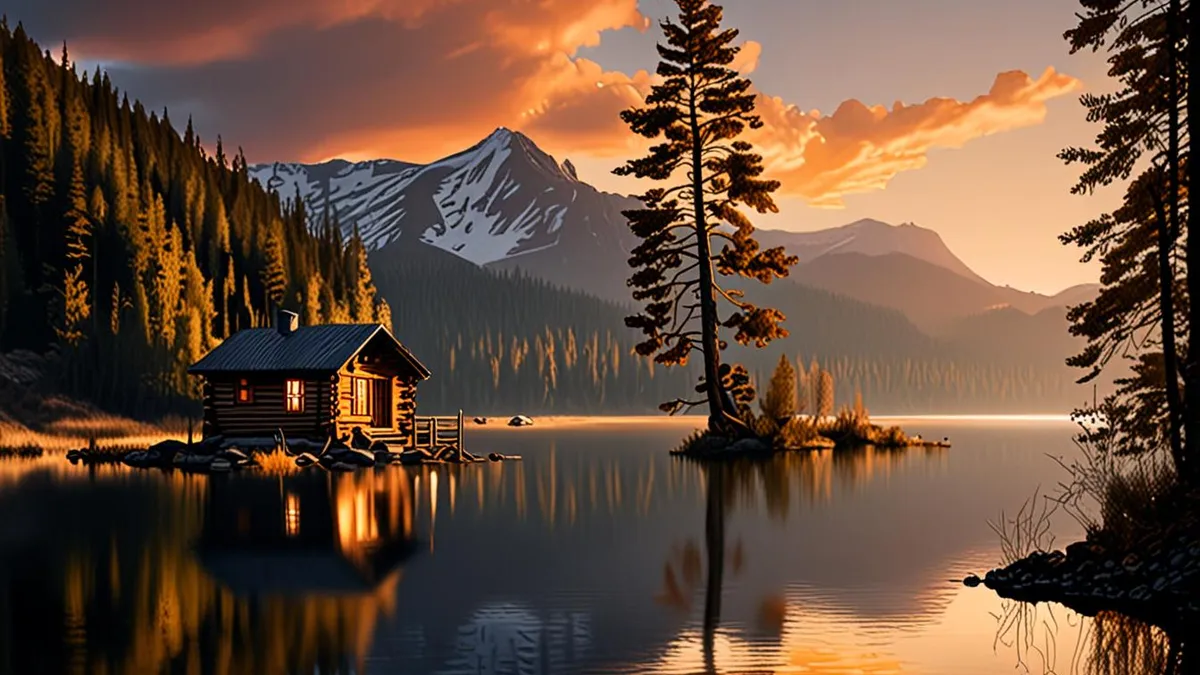
Private cabins are standalone units with their own entrances, set apart from the main lodge. Most include a kitchen or kitchenette, and many add a fireplace, which turns evenings into something closer to staying at a friend’s country house than a hotel. You can cook your own breakfast, spread out across multiple rooms and enjoy the kind of quiet that’s hard to find near a busy lobby.
Space is where cabins really pull ahead. Most cabins sleep 4 to 8 guests, compared to the two people a typical lodge room accommodates. That makes them a smart option for families with kids, groups of friends or multi-generational trips where everyone wants to stay together under one roof.
The Group Value Case
Because the cabin price is split across everyone staying, the per-person cost often drops well below what each person would pay for a separate room. For a group of six, the math can be convincing.
The trade-off is distance and self-reliance. Cabins are usually farther from shared facilities like restaurants and spas, so expect a walk rather than a few steps. And while you gain privacy and quieter surroundings, you give up the ease of on-site dining and front-desk service. For many travelers, that trade is exactly the point.
Price Comparison: Lodge Rooms vs Private Cabins
On a straightforward nightly rate, lodge rooms are usually the cheaper option. At the same property, a room in the main building typically costs 15-30% less than a comparable private cabin. That gap reflects what you’re getting: less space, but full service and a prime location. If your trip is mostly about dinners, spa time and activities based around the main lodge, you may barely notice the difference in square footage.
Cabins change the picture in two ways. First, instead of nightly housekeeping, many properties charge a one-off cleaning fee of $50-150 per stay. Second, because cabins sleep 4 to 8 guests, the headline price can look steep until you divide it. Split a cabin across a full group and the per-person rate can undercut what each of you would pay for individual lodge rooms. For two people, though, that same math usually works against the cabin.
- Count the total, not the night. A cabin’s cleaning fee stings more on a two-night stay than a week-long one, so the longer you stay, the more that one-off cost dilutes.
- Factor in food costs. A cabin kitchen means groceries and home cooking, which can trim a meaningful amount off a trip’s food budget compared with eating every meal at the lodge restaurant.
- Compare at the same property. Rates between different lodges vary widely for reasons unrelated to room versus cabin, so the fairest comparison is always within a single property.
The practical takeaway: couples and solo travelers usually save with a lodge room, while groups of four or more should run the per-person numbers before assuming rooms are the budget option. A quick spreadsheet with the cleaning fee, groceries and nightly rate divided across your group will settle the question in minutes, and it’s worth doing before you commit to either option.
Booking Timing and Minimum Stays
Cabins and lodge rooms follow very different booking rhythms, and knowing them can save you both money and disappointment. Many properties require a minimum stay of 2-3 nights on private cabins, especially during high season, while lodge rooms can usually be booked for a single night. If your trip is short or flexible, that alone can make a room the easier option.
For travel in June through August, cabins are the ones that disappear first. At popular lodges, cabin availability for high season can sell out 3-6 months ahead, so book early if you want a standalone unit with a fireplace and kitchenette. Lodge rooms typically release closer to the date, which means last-minute travelers often still find one, but at the risk of paying peak rates or settling for a less desirable view.
When shoulder season works in your favor
If your dates are flexible, aim for May or September. These shoulder months usually offer the widest cabin choice at noticeably lower rates, and you still get good weather in most destinations. A practical approach: reserve a cabin 3-6 months out for summer stays, but for shoulder-season trips you can often wait a few weeks and still find space. Always confirm minimum-stay rules with the property before you commit, since they vary by season and by individual lodge.
Which Suits Your Trip Type
The right choice depends less on the property and more on what kind of trip you are taking. If you are packing a lot into a short stay, a lodge room keeps you steps from breakfast, the spa and the front desk, so you spend your time doing things rather than walking back and forth. For trips built around a single activity each day, that convenience is hard to beat.
Longer stays change the math. Once you are somewhere for 3 or more nights, the extra space in a cabin starts to matter, and a kitchen lets you eat in a few evenings instead of dining out every night. The same goes for groups: a cabin that sleeps 4-8 guests gives everyone room to spread out, and splitting the rate across several people often makes it the cheaper option per person.
- Family reunions and group trips: a shared cabin gives you a common living room for games and late-night conversation, which a row of separate lodge rooms never quite replicates.
- Remote nature retreats: standalone cabins put you closer to the forest, lake or trailhead, and the quiet usually means better chances of spotting wildlife from your own porch.
- Safari trips: guided game drives start before dawn from the main lodge, so staying in the central building simplifies early wake-up calls and pre-drive coffee.
- Spa-focused getaways: if your days revolve around treatments, pools and wellness classes, a lodge room keeps everything a short indoor stroll away.
Safari stays deserve a little extra thought, since lodge layout, drive schedules and camp location all affect your experience. For a deeper look at what matters, see how to choose a safari lodge in Kruger National Park before you book.
Practical Trade-offs to Weigh Before You Book
Photos rarely show you the distance between your cabin and everything else, so it pays to ask. At many properties, cabins sit 5-15 minutes from the main lodge restaurants and spas, sometimes uphill or along unlit gravel paths. That walk is lovely on a summer evening and less charming after a heavy dinner in the rain. If you have mobility concerns or young children in tow, ask the lodge about shuttle options or request a cabin closer to the main building.
Service and self-catering
The day-to-day experience differs more than most travelers expect. In a lodge room, you get daily housekeeping, a restaurant downstairs and someone at the front desk when you need extra towels. In a cabin, you are largely self-sufficient: you cook your own meals, wash your own dishes and handle your own rubbish. Instead of nightly service, cabins typically come with a separate cleaning fee per stay, so budget for that alongside your grocery runs.
Winter adds one more layer to check. Snow can close or slow access to outlying cabins, so before booking a cold-season stay, confirm that paths and roads to the cabins are ploughed regularly and that the units themselves are well heated. It is also worth asking whether the property offers any mid-stay cleaning or linen changes for longer cabin trips, as policies vary widely. A quick email to the property now can save you a cold, inconvenient surprise later.
The Bottom Line
So which should you book? If convenience, daily service and a lower nightly rate matter most, a lodge room is the safer pick. You will typically pay 15-30% less than a cabin at the same property, and everything from dinner to the spa is just steps from your door. For couples and solo travelers, that combination is hard to beat.
Private cabins win on space, privacy and per-person value. Sleeping 4-8 guests, they shine for families, groups and longer stays where splitting the cost makes them genuinely cheaper per head. The simplest way to decide is to match your choice to your group size, your trip length and how far you are happy to walk for dinner. If you have stayed in both, tell us which you prefer in the comments or share this article with someone planning a trip.