Planning a lodge trip through the Canadian Rockies usually ends in the same dilemma: Banff vs Jasper lodges — which park actually gives you the better base, the better scenery and the better value? Both promise timber lodges, mountain views and easy access to turquoise lakes, but the day-to-day experience of staying in each park is surprisingly different.
This guide breaks down the core differences between the two parks, then maps out the best areas and lodge styles in Banff and Jasper. We’ll compare seasons and prices so you know when each park costs less, share a practical plan for combining both parks along the Icefields Parkway, and finish with booking tips on lead times and choosing the right lodge. By the end, you should know exactly where to hang your hiking boots.
Banff vs Jasper: The Core Differences at a Glance
Banff and Jasper sit in the same mountain range, but they feel like two different trips. Banff is the busier and more developed of the two, built around a compact townsite packed with restaurants, shops and tour operators. That development is part of the appeal — you can walk from your lodge to dinner — but it also means summer crowds are noticeably higher, especially around the main lake viewpoints.
Jasper, farther north, feels wilder and quieter. The town is smaller and more low-key, and the park’s roads are known for frequent wildlife sightings — elk, deer, bears and even wolves are spotted along the highway corridors far more often than around Banff. If your ideal evening is watching for animals from the car rather than browsing boutiques, Jasper has the edge.
Same lodge styles, different settings
When it comes to accommodation, the parks share more than you might expect. Both offer classic timber lodges, cozy chalets and larger resort-style properties near famous lakes. The real difference is what surrounds them: Banff’s lodges come with a lively town next door, while Jasper’s come with dark skies and long stretches of quiet road.
Where to Stay in Banff: Best Areas and Lodge Styles
Banff townsite is the obvious pick for first-timers. You can park the car once and walk to dinner, cafés and shops, and the three ski areas within about 30 minutes of town make winter logistics simple — no long drives before first lifts. Lodge options here range from timber-built classics to larger resort properties with pools and restaurants, so there’s something at most budgets. The trade-off is price: summer rates reflect heavy demand, and parking near your lodge can be tight in peak season.
The Lake Louise area, about 40 minutes from Banff along the Trans-Canada Highway, offers the classic Canadian Rockies lodge experience: lakeside and near-lakeside properties with postcard views right outside your window. Staying here lets you beat the day-trippers to the lakeshore in the morning, which is reason enough for many travelers. The trade-off is demand. These lodges book out earliest of anything in the park, often many months ahead for summer, so if a Lake Louise lodge is your dream, treat it as the first reservation you make rather than an afterthought.
If you’d rather trade convenience for quiet and savings, look beyond the park’s core. Two areas in particular reward the short extra drive.
- Radium Hot Springs: just outside the park boundary on the southern approach, this village has hot-springs-side lodges and motels that typically cost less than anything in Banff, with a soak in the mineral pools an easy add-on to your day.
- The Bow Valley corridor: lodges scattered between Canmore and the park’s east gate put you 20-30 minutes from the townsite while sitting beside the river rather than on a busy street — a good fit for travelers who want mountain views without paying townsite prices.
- Day-trip practicality: both areas work well as bases if your itinerary mixes Banff highlights with quieter hikes, since you’re still within easy driving range of the main sights.
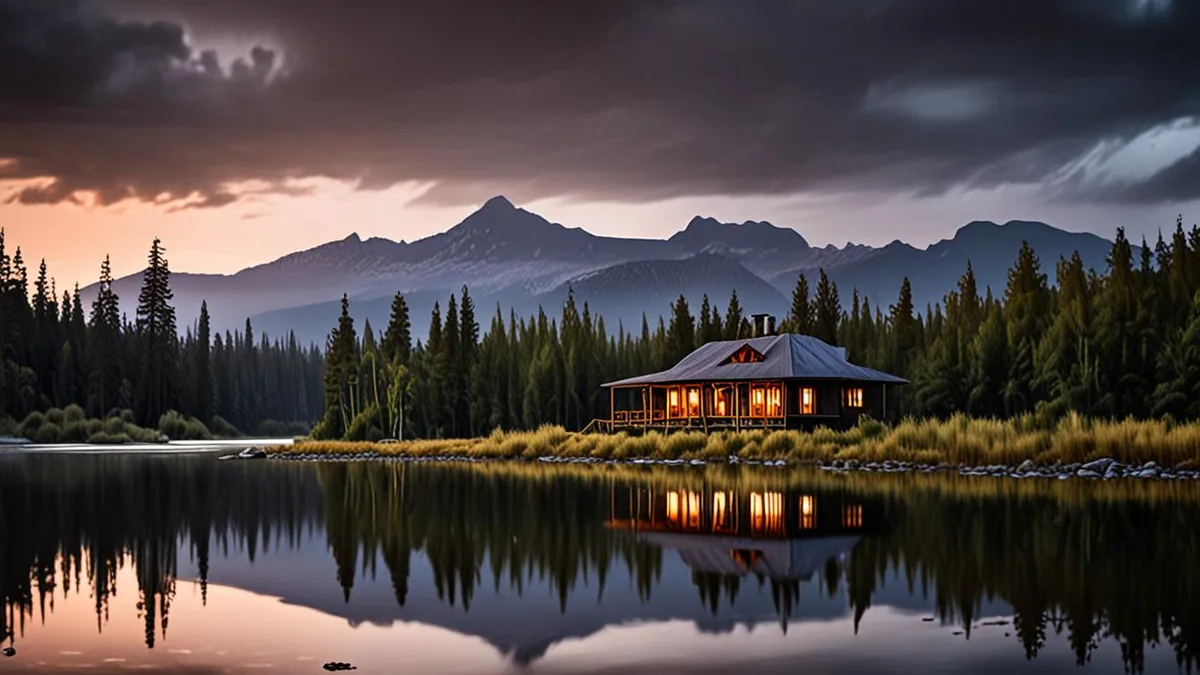
Where to Stay in Jasper: Best Areas and Lodge Styles
Jasper townsite is the practical base for almost every itinerary in the park. It’s small enough to walk in ten minutes, yet lodges here put you a short drive from the park’s headline sights — Maligne Lake to the southeast and Pyramid Lake just minutes from town. Unlike Banff, you won’t find a long list of high-rise hotels; Jasper’s accommodation leans toward low-rise lodges, cabins and small hotels. That smaller scale means fewer rooms overall, so the best-value properties tend to fill first, especially for peak season dates between late June and early September.
For more seclusion and better value, head east on Highway 16. The stretch of highway outside town is dotted with secluded riverside lodges that typically cost less than comparable properties in the town core. You trade walkable dining for the sound of the river and a better chance of elk grazing outside your window in the morning. If you go this route, check whether the lodge has an on-site restaurant or a kitchen in your cabin, since a drive back into town for dinner adds time to every evening.
Jasper also holds one trump card that Banff can’t match.
- Dark Sky Preserve status: the entire park is protected from light pollution, making it one of the most reliable places in the Rockies to see stars — and, on active nights, the aurora.
- Aurora season timing: from roughly September to March, long dark nights give aurora-focused travelers their best window, and lodges often promote stargazing packages in these months.
- Winter wildlife bonus: the quieter winter roads around Jasper mean elk and deer sightings along Highway 16 are common on early morning and evening drives back to your lodge.
For stargazers and aurora chasers, that Dark Sky status alone can tip the choice toward Jasper — and it pairs naturally with the lower winter rates the park is known for.
Seasons and Prices: When Each Park Costs Less
Lodge prices in the Canadian Rockies swing a lot with the calendar, and Banff sits at the top of the range. In summer, expect Banff lodges to run roughly CAD 250-600 per night, while comparable properties in Jasper often come in at CAD 200-450. That gap can add up fast over a week-long trip, especially for families booking two rooms.
Winter is the budget window. From November through March, rates in both parks can drop 30-50% below summer prices, and lodges that were fully booked in August suddenly have midweek availability. If skiing is on your list, this is where Banff wins: multiple ski hills sit within a short drive of town, while Jasper has just one smaller hill. If aurora watching is the goal instead, Jasper’s dark skies make its winter rates even better value.
Shoulder season sweet spots
June and late September are the smart traveler’s months. You get lower rates than peak summer, thinner crowds on the big trails, and lodge staff who actually have time to chat about where the elk are hanging out. Weather is less predictable, so pack layers and check road conditions, but the trade-off is usually worth it. For context on how lodge pricing works elsewhere, it’s interesting to compare these rates with what a stay at an African safari lodge really costs, where the per-night figures can be surprisingly similar.
Combining Both Parks: The Icefields Parkway Plan
The Icefields Parkway is the reason to visit both parks in one trip, but it deserves more than a quick dash between towns. The route links Banff and Jasper along roughly 130 km of mountain highway, and the drive takes around 3.5-4.5 hours without stops. In practice, you should budget the better part of a day, because glaciers, waterfalls and turquoise lakes pull you over every few kilometers. A straight-through run wastes the best part. Treat the Parkway itself as a full day of your itinerary, not just a transfer between two lodge bookings, and plan your fuel and snack stops in advance since services along the route are limited.
- Book Banff first for 3 nights. This gives you time for the townsite, Lake Louise and the Bow Valley without feeling rushed, and it puts you at the southern end of the route so the Parkway drive starts fresh in the morning.
- Follow with 2-3 nights in Jasper. That’s enough for Maligne Lake, Pyramid Lake and a relaxed evening in town, and it breaks up the return journey if you’re looping back south.
- Drive the Parkway in daylight with generous stops. Build in extra time for viewpoints and short walks, and check road conditions before setting out, since mountain weather can slow the trip at any time of year.
- Manage two separate bookings carefully. Staying in both parks means two reservations with potentially different policies, so read the cancellation terms on each before you lock in summer dates, when lodges fill early and deposits can be stricter.
Done this way, the split stay covers the highlights of both parks without a single rushed driving day. Start early from Banff, stop whenever a viewpoint catches your eye, and aim to reach Jasper by early evening so you can check in, settle into your lodge and still enjoy dinner in town. If you have room in your schedule, an overnight stop partway along the route removes time pressure entirely, though it does add a third booking to coordinate. The small extra effort of juggling two reservations is what turns a long transfer into one of the best road days in the Rockies, and for most travelers it becomes the highlight of the whole trip rather than the stretch between two destinations.
How to Book: Lead Times and Choosing Your Lodge
Timing matters more in the Canadian Rockies than in most lodge destinations. For July and August stays, reserve 6-9 months ahead, and start even earlier if you have your heart set on Lake Louise or the Jasper townsite, where the best-known lodges book out first. Set a calendar reminder for the day booking windows open, because popular lakeside rooms can sell out within hours of release. Last-minute deals do exist in shoulder season, but counting on one in peak summer is a gamble, especially if you need two rooms or a specific cabin layout for your group.
Before you compare prices, look at what each rate actually includes. Many Canadian Rockies lodges are cabin-style with kitchenettes, which changes the math significantly: cooking breakfast and a few dinners can offset a higher nightly rate compared with a cheaper room that forces you to eat every meal in town. Also weigh location honestly against your must-see list, because a bargain lodge 45 minutes from the sights you came for can cost more in daily driving, fuel and time than a pricier central one.
- Check whether bedding and housekeeping are included. Some cabin-style lodges charge separately for daily service or supply linens only at check-in, which affects both budget and comfort.
- Ask about winter access. A few outlying lodges sit on roads that need careful winter driving, so confirm access arrangements if you’re visiting between November and March.
- Match the lodge to your trip style. A property with a dining room and lounge suits travelers who want evenings sorted, while a self-catering cabin suits longer stays and families watching food costs.
- Read the deposit schedule, not just the cancellation date. Some lodges take a deposit at booking and the balance closer to arrival, so know when each payment lands on your card.
Wrapping Up Your Banff vs Jasper Lodge Decision
So, Banff or Jasper? If you want walkable dining, easy access to a handful of ski hills on Banff’s doorstep and the classic lake scenery, Banff is your pick — just expect busier streets and higher lodge rates, especially in peak season. If you would rather wake up somewhere quieter, watch for wildlife on park roads and chase the aurora under Dark Sky Preserve conditions, Jasper delivers that wilder feel at lower prices.
Of course, you do not have to choose. A split stay along the Icefields Parkway, with a few nights in each park, remains the best way to experience both in a single trip. Whichever base you land on, you will be sleeping surrounded by some of the most dramatic mountain scenery in the Rockies. Have you stayed in Banff or Jasper? Tell us which lodge area won you over in the comments, or share this article with a fellow traveler.