Choosing a safari lodge in Kruger national park can feel overwhelming. There are hundreds of options inside the park and in the private reserves that border it, ranging from simple self-catering bungalows to ultra-luxurious all-inclusive lodges. Each sits in a different area, attracts different animals and works best in a different season, so the “best” lodge really depends on how you like to travel.
This guide breaks the decision into manageable steps. We’ll look at why your choice of lodge matters in the first place, how to pick between the park itself and private concessions like Sabi Sand, and how the seasons shape both wildlife viewing and prices. We’ll also compare budgets and what different rates actually include, then cover the practical logistics of getting there, from airports to gate times. By the end, you’ll know which area, season and price tier genuinely fit your safari style.
Why Your Choice of Safari Lodge in Kruger National Park Matters
Where you sleep in Kruger shapes almost everything about your safari, starting with your mornings. Lodges inside the park gates can begin game drives at first light, when predators are most active. If your lodge sits outside the gates, you typically have to wait for the gate to open before entering, which can cost you the best hour or two of the day. Some private reserves get around this with their own access, but it’s a detail worth confirming before you book.
Location also determines your sightings. Kruger is enormous, and different areas have different reputations for wildlife. The southern region is famous for regular leopard and lion encounters, while the north leans toward elephants, unusual antelope and exceptional birdlife. No lodge can promise specific animals, but the area you choose strongly influences what you’re likely to see often.
Lodge style changes the whole experience
Finally, think about the style of stay. A self-catering rest camp bungalow puts you in charge: you cook your own meals and explore on self-drive. A private concession lodge, by contrast, delivers guided game drives, hosted dinners and a much more curated experience. Neither is better, but mixing them up is the most common mistake travelers make.
Pick the Right Area: Inside Kruger vs Private Concessions
Kruger covers roughly 19,485 square kilometers, so “staying in Kruger” means very different things depending on where you land. The southern section around Skukuza and Lower Sabie is the classic choice: wildlife density is high, roads are good, and it’s an easy drive from Nelspruit airport. The far north around Pafuri and Punda Maria feels like a different park altogether, remote and quiet, with fewer vehicles and superb birdwatching.
Then there are the private concessions. Reserves like Sabi Sand border Kruger with no fences between them, so animals move freely across the boundary. Because these reserves are private land, rangers can drive off-road to follow sightings and can run drives after dark, neither of which is allowed inside the national park itself.
- Park rest camps suit self-drive travelers who want flexibility, self-catering facilities and the freedom to plan their own routes day by day.
- Private concession lodges suit travelers who prefer a guided, all-inclusive stay, with expert rangers, tracked sightings and meals handled for you.
- Border-area lodges outside the gates can offer lower rates, but check how their access arrangements affect early morning game drives.
A simple way to decide: if you want to steer your own safari, choose a rest camp. If you want everything arranged and expert eyes on the wildlife, choose a concession.
Time Your Stay Around the Seasons
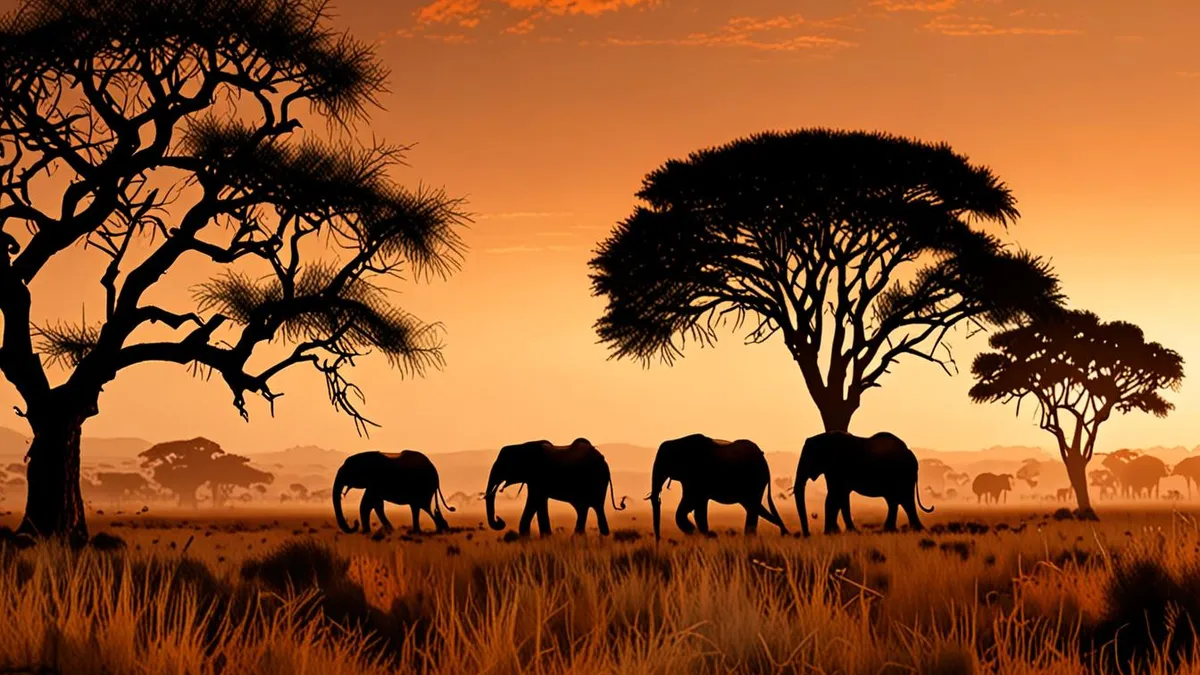
Timing has a bigger effect on your Kruger safari than most first-time visitors expect. The dry season runs from May to September and is widely considered the best game-viewing window. Vegetation thins out, animals gather at waterholes, and grass that would hide a whole pride of lions in summer barely reaches knee height. Sightings come easier and photograph better.
The green season trade-off
From November to March, the wet season transforms the park. The bush turns lush and green, newborn animals appear everywhere, and migrant birds arrive in numbers. Game viewing is harder work because animals can disappear into thick vegetation and don’t need to crowd around water, but rates drop and the parks feel quieter. Birders and photographers who love dramatic skies often prefer this window.
The catch is availability. Dry-season lodges, especially in June through August, sell out early. If you’re set on peak-season dates, book 6 to 12 months ahead, particularly for smaller private-concession lodges with only a handful of rooms. Green-season trips are far more flexible, and you can often find good lodges a month or two out. If your dates are fixed and fall in the dry season, start your search early; if you’d rather chase a deal, shift your trip into the green season and book with confidence later.
Match the Lodge to Your Budget
Safari lodge prices in the Kruger region span an enormous range, so deciding what you can spend before you start browsing will save you hours. The good news is that every budget level still puts you in front of wildlife; what changes is the level of service, exclusivity and guiding that comes with your bed.
Mid-range lodges typically run $150–$400 per person per night, and at that level you can generally expect meals and two game drives a day to be built into the rate. These lodges often sit in private reserves or just outside the park gates, with comfortable rooms, small pools and shared vehicles led by a professional guide.
Luxury private-concession lodges often exceed $600 per person per night, all-inclusive. At this tier you are paying for prime land, fewer guests per vehicle, butler-style service and gourmet dining, often with a private deck overlooking a river or waterhole.
- Single supplements: many lodges charge solo travelers a premium, so ask before booking if you are traveling alone.
- Conservation or park fees: these are usually billed separately from the nightly rate and change regularly, so confirm the current amount with the lodge.
- Children’s rates: most lodges price kids differently, and some luxury properties set minimum age limits for game drives.
- Self-catering savings: units inside park rest camps cost far less than any guided option, but you will need your own vehicle since guided drives are not included.
Compare Stay Types and What’s Included
Two lodges can sit in the same price bracket and offer completely different experiences, so read the inclusions carefully before you commit. The most important question is simple: what does the nightly rate actually cover?
All-inclusive packages usually cover accommodation, meals, and both a morning and an evening game drive. That is the core safari formula, and at most private lodges it represents excellent value compared with paying for activities separately.
Watch for the extras
Not everything lands in the base rate. Ranger-guided bush walks, night drives and park conservation activities are frequently charged as add-ons, and drinks policies vary from fully inclusive to cash bar. Ask for a written summary of what is included so you can compare lodges like for like.
Facilities that shape your stay
Physical features vary widely between lodges of the same price tier. Some properties offer family suites that sleep four or more, while others only take couples. A plunge pool matters more than you might think in the heat of the day between drives, and a waterhole-view deck can turn the quiet hours into some of your best sightings. If any of these matter to you, confirm them with the lodge directly rather than assuming they come standard.
Plan Logistics: Airports, Distances and Getting There
Getting to your lodge is straightforward once you know the options, but Kruger is enormous and arrival day deserves some planning. The park covers roughly 19,485 square kilometers, so the difference between a sensible route and a wrong turn can mean missing your first afternoon in the bush. The steps below walk you through the decisions in order.
- Choose your airport. Hoedspruit and Nelspruit are the two main gateways, and both sit roughly 2 hours’ drive from key lodge areas. Pick the one closest to your lodge’s side of the park to avoid a long transfer, and remember that the drive itself usually runs on ordinary public roads rather than rough tracks.
- Arrange the transfer. Many private lodges offer road transfers from either airport, or a short charter flight to an airstrip inside the reserve. Charters cost more but save hours of driving and add a scenic aerial view of the bush, often with a chance of spotting game from the air before you even check in.
- Plan your self-drive timing. If you are driving your own rental, factor park gate opening times into your route. Gates close in the evening, and arriving after closing can leave you locked out or forced to overnight elsewhere. Leave your origin point early and note that distances inside the park are covered at slow speeds, so a map distance can take far longer than it looks.
- Confirm details before you fly. Transfer times, gate hours and road conditions can shift, so check current arrangements with your lodge or operator when you book. Ask specifically where you should collect keys, check in or meet your ranger, since private concessions and park rest camps handle arrivals differently.
Whichever route you choose, build some buffer into arrival day. A delayed flight or a slow stretch of road should not cost you your first evening game drive, and lodges generally appreciate knowing your expected arrival time in advance. If you land late in the day, it is often easier to overnight near the airport and drive in fresh the next morning rather than racing the gate closing time.
Wrapping Up Your Kruger Lodge Decision
With hundreds of lodges inside and around Kruger, it’s easy to feel stuck before you’ve even booked a flight. The good news is that the decision boils down to four questions: which area suits the animals and atmosphere you want, which season fits your schedule, what your budget per night really is, and which stay type matches how you like to travel. Answer those in order and the shortlist writes itself.
Remember the timing too. Dry-season trips between May and September usually need 6 to 12 months of lead time, while the green season from November to March offers more flexibility and lower rates. Once your area, season and budget line up, matching the inclusions and logistics to your travel style gives you the right base for your safari. If this helped you plan your trip, leave a comment or share the article with a fellow traveler.