Glamping in Banff looks dreamy online: canvas tents under jagged peaks, wood stoves glowing at dusk. The reality takes more planning. The season is short, the distances between areas are huge, and Banff, Lake Louise, Golden and Jasper each offer a very different experience at a very different price.
This guide breaks down the decisions that actually matter. We cover when to go, from the core mid-May to early October season to the quieter sweet spots in June and September, and help you choose between the four main base areas. You’ll also find a rundown of stay types, from safari tents to heated domes and cabins, practical booking advice on timing and budget, packing tips for cold mountain nights, and ideas for wildlife watching, stargazing and day trips once you’re there. By the end, you’ll know exactly when and where to book.
When to Go Glamping in Banff and the Canadian Rockies
Glamping around Banff runs roughly from mid-May to early October. Outside that window, most sites close up entirely, so your dates matter more than they would for a city hotel. July and August bring the warmest weather and the longest days, which is why they’re also the busiest and most expensive months on the calendar.
The sweet spots: June and September
For most travelers, June and September hit the balance best. You’ll share trails and campgrounds with far fewer visitors, and temperatures typically sit around 5-18°C — warm enough for a hike, cool enough for a fire. September has a bonus: the golden larches turn the higher slopes a brilliant yellow, one of the Rockies’ best shows.
Prices follow the crowds. Shoulder-season rates start at around CAD 200 per night, while peak summer at quality sites often runs CAD 500 or more. That’s a big saving for nearly the same scenery.
What about winter?
True winter glamping is possible, but only in a small number of heated domes and cabins, roughly between November and April. If a snowy stay appeals to you, expect limited availability and book well ahead — and confirm the heating setup directly with the site before committing.
Choosing Your Base: Banff, Lake Louise, Golden and Jasper
The Canadian Rockies are bigger than they look on a map, and where you base yourself shapes your whole trip. Banff townsite is the most convenient option: restaurants, shops and tour operators are all within walking distance. That convenience comes at a cost — it’s the busiest and priciest base in the region, and glamping sites near it fill up fastest.
Lake Louise sits about 57 km from Banff and puts you right at the trailheads for the area’s iconic turquoise lakes. Golden, just west of the park boundary in British Columbia, trades proximity for space and lower prices while staying within easy driving range of Banff. Jasper, roughly 290 km north of Banff, is the quiet, dark-sky option — best suited to longer trips.
If you’re weighing remote, high-comfort stays in other mountain regions, our guide to glamping in Patagonia and where to stay covers similar trade-offs between access and solitude.
- Banff: best for first-time visitors who want to walk to dinner after a day of hiking, and for joining guided tours that pick up in town.
- Lake Louise: ideal for early trailhead starts — you can be on the trail before the day-trippers arrive from Banff.
- Golden: a strong pick for travelers watching their budget, with more room per site and a relaxed, small-town base in BC.
- Jasper: worth the drive if you have a week or more, and the standout choice for stargazing thanks to its dark-sky reputation.
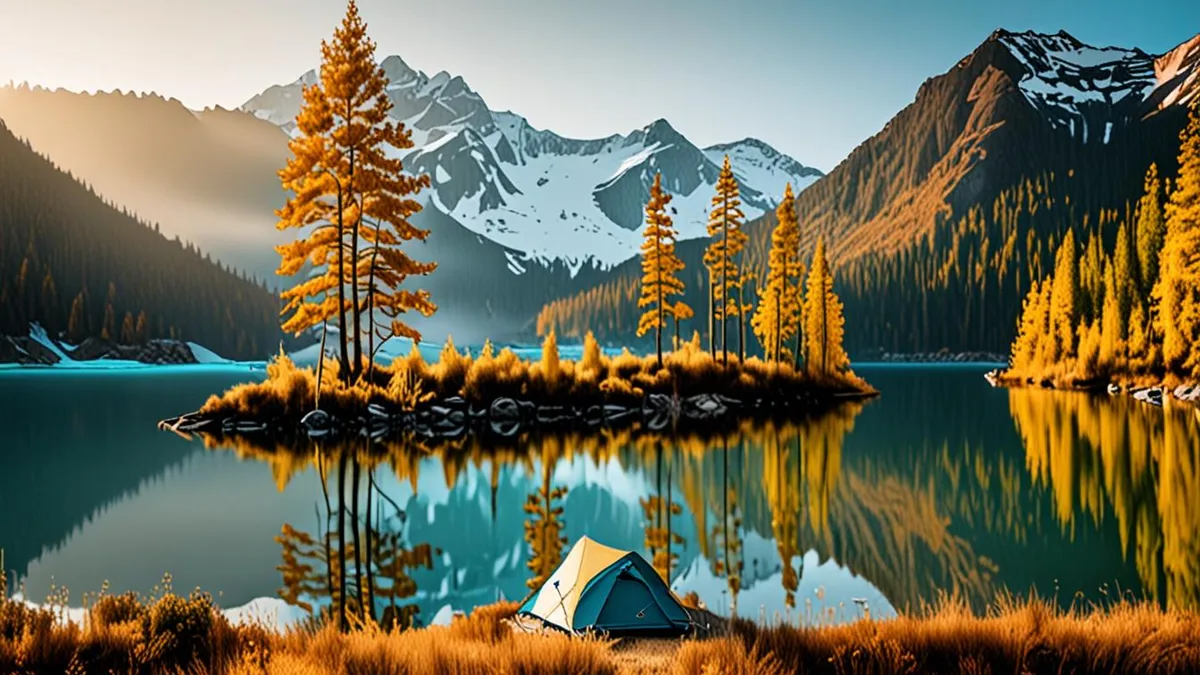
Glamping Stay Types in the Rockies: Tents, Domes and Cabins
Not all glamping is created equal in the Rockies, and the difference usually comes down to insulation. Safari-style canvas tents are the classic image — a proper bed, a deck, a view of the pines — and they’re wonderful on a warm July night. But canvas offers little insulation, so on cold mountain nights even in summer you’ll feel the chill. They suit summer trips best.
Domes and cabins
Geodesic domes are the middle ground. With a wood stove or heater inside, they extend comfortable stays into late spring and early autumn, when temperatures can drop well below what a tent handles. If your dates fall in June or September, a heated dome is often the smartest pick.
Cabins and A-frames are the most weatherproof option, and outside the summer window they’re the only realistic choice. Solid walls, real heating and a roof that doesn’t care about mountain weather make them the safe bet for roughly November to April stays in the handful of sites that open then.
The bathroom question
Before you compare prices, check whether the bathroom is private or shared. This is one of the biggest price and comfort differentiators between sites — a tent with an ensuite can cost far more than one with a communal washhouse a short walk away. Neither is wrong; just know which you’re booking.
And if you’ve never slept under canvas before, our complete guide on what to pack for a luxury safari tent stay covers the essentials in detail.
How to Book: Timing, Budget and Site Selection
Glamping sites around Banff and the Canadian Rockies are small, often family-run operations with a handful of tents, domes or cabins each, and the best ones sell out fast. That means a little planning goes a long way, especially if you have your heart set on a mid-summer stay under the peaks. The good news is that the booking game here is fairly predictable: demand spikes with the crowds, prices follow the calendar, and the sites that handle mountain conditions best are usually the ones that fill first. Before you put down a deposit, it pays to think through three things together: when you want to travel, how much you are realistically willing to spend per night, and which type of structure will keep you comfortable at the elevation you choose. The five steps below walk through that decision in order, from locking in peak-season dates to reading reviews for the details that actually matter once the sun goes down and the temperature drops.
- Book July and August stays 6-9 months ahead. These are the busiest weeks of the year, and quality sites often open reservations far in advance. If you wait until spring, expect slim pickings or premium prices.
- Target June and September for flexibility. Shoulder-season dates can often be booked 2-4 months out, and you will usually find better availability midweek.
- Budget around CAD 200 per night in shoulder season. For peak summer, plan on CAD 500+ per night at the better sites. Shared bathrooms are usually the main lever that brings the price down.
- Check elevation and highway proximity. A site higher up a valley will run colder at night, while one close to the Trans-Canada Highway trades silence for convenience.
- Read recent reviews on wildlife protocols and heating. These are the two make-or-break factors in the Rockies. Look for comments on food storage rules, bear-aware practices and whether the heater or wood stove actually keeps the tent warm.
If this is your first glamping trip, it helps to work through a first-timer’s checklist for choosing a glamping site before you commit to a deposit. A checklist keeps you honest about the basics, like confirming what is actually included in the rate, whether linens and cooking equipment are provided, and how far the nearest town is for supplies. It is also worth comparing two or three sites side by side against your dates and budget rather than settling on the first one with availability, because layouts and amenities vary a lot even within the same price band. Once you have chosen, book early and read the cancellation terms carefully before paying. Mountain weather is unpredictable, and a flexible booking gives you room to shift dates if a storm rolls through or your plans change. Finally, save the site’s contact details and check-in instructions offline, since cell coverage at more remote properties can be patchy right when you need it most.
Packing and On-Site Tips for Mountain Glamping
Mountain weather is the thing most first-time glampers underestimate. A day that feels like summer at 3 pm can drop close to single digits after dark, especially in June and September when overnight temperatures sit around 5-18°C. Pack in layers you can add and shed easily: a warm midlayer, a proper insulating jacket and dry socks for evenings around the fire are worth more than extra daytime clothes.
The other surprise is how dark and quiet the sites are. That is exactly why you came, but it also means you need to be self-sufficient once the sun goes down. A few small items make a big difference, and a few habits keep you on the right side of park wildlife rules.
- Headlamp with spare batteries: sites outside Banff townsite have limited lighting, and walking to a shared washroom in the dark is routine, not an emergency.
- Offline maps downloaded before you leave: cell service is patchy outside town, so do not rely on streaming directions or mobile data at the site.
- Food stored exactly as instructed: use the lockers, bear-proof bins or vehicle storage your site specifies, and never keep snacks in your tent. Elk and bears are most active at dawn and dusk, and the September-October elk rut makes autumn encounters more likely.
- Realistic driving times: Banff to Lake Louise takes about 45 minutes, and Jasper is a full day’s journey from Banff, so plan your route before you arrive, not from a dead phone.
Finally, keep a small bag packed for night trips to the washroom and leave a spare layer in your car. Small conveniences like these turn a cold, fumbling evening into part of the experience rather than a chore.
Beyond Glamping: Wildlife, Dark Skies and Day Trips
Glamping puts you closer to the Rockies’ best hours of the day: early morning and late evening. Wildlife is most active at dawn and dusk, so time your drives and short walks around those windows rather than midday. Elk are the most likely sighting near Banff, and the autumn rut peaks in September and October, when bugling males and gathering herds make for some of the most memorable viewing of the year. Keep your distance, stay in or near your vehicle for roadside animals, and never leave food out.
Stargazing in Jasper
If your itinerary allows a longer trip, Jasper is the region’s best stargazing base. Its dark-sky status means minimal light pollution, so even a glance upward from outside your tent or dome can reveal more stars than most city dwellers see in years. On clear nights, plan to step outside well after dark, let your eyes adjust for 15-20 minutes and keep your headlamp on its red mode if it has one.
Day trips worth building around
Three outings anchor most Rockies itineraries. Lake Louise is the classic, though parking fills early, so go at dawn or use shuttle options and check current access rules before you set out. Moraine Lake has its own access logistics, and private vehicles have faced restrictions in recent years, so verify how visitors are currently getting there. Finally, the drive along the Icefields Parkway between Banff and Jasper is a destination in itself, with glaciers, waterfalls and viewpoints that reward a full, unhurried day. Build your glamping nights around these trips and you will get far more out of the region than a single base camp allows.
Wrapping Up Your Rockies Glamping Plan
Glamping in the Canadian Rockies looks effortless online, but the reality is a short season, long distances and four very different bases. The good news is that the planning puzzle has a simple answer: glamping in Banff works best between mid-May and early October, and June and September strike the best balance between comfort and crowds.
Where you stay depends on your budget and trip length, because every one of the region’s four main bases suits a different kind of traveler. If you take away just two things, make them these: book July-August stays 6-9 months ahead, and pack for cold mountain nights even in summer. Do both, and your Rockies glamping trip will run far more smoothly than most. If this guide helped you plan your trip, leave a comment or share it with a fellow traveler.