Glamping in Utah’s national parks sounds simple until you pull up a map. The Mighty 5 aren’t neighbors; they stretch across hundreds of miles of desert and plateau, so the real question isn’t which tent to book but which park cluster to base yourself near. Pick the wrong region and you’ll spend your vacation behind the wheel instead of under the stars.
This guide breaks Utah down into practical base camps: the Zion-Bryce cluster in the southwest, the Moab area for Arches and Canyonlands, and quieter options near Capitol Reef and Grand Staircase country. You’ll also find advice on the best seasons to go, when to reserve, what typical nightly rates look like, and how to vet a site’s amenities before you commit. Choose your base first, and everything else falls into place.
Why Your Base Matters More Than Your Tent
Here’s the mistake almost every first-timer makes: they find a beautiful safari tent online, book it, and only then start planning park days. In Utah that order backfires badly. The Mighty 5 span roughly 400 miles corner to corner, and no single glamping site, no matter how gorgeous, puts you within easy reach of them all.
The good news is that most trips don’t actually try to cover all five parks. A realistic itinerary focuses on one or two clusters: Zion and Bryce Canyon in the state’s southwest, or Arches and Canyonlands around Moab in the east. Pick your cluster first, then hunt for a glamping site inside it.
Why the base-first approach works
When your site sits near the parks you actually want to visit, daily driving stays under 1-2 hours round trip. That means sunrise hikes instead of sunrise departures, and time to lounge on your deck in the afternoon instead of grinding highway miles. Skip this step and your Utah trip becomes a road marathon with tent stops, which is exhausting in a region where distances are deceiving and fuel stops can be far apart.
Glamping Near Zion and Bryce Canyon
Zion is Utah’s most visited park, drawing over 4 million visitors a year, and that popularity shapes where you should stay. The smartest glamping bases for a Zion trip are Springdale, Hurricane, or Mount Carmel. Springdale sits right at the park entrance, Hurricane offers more space and value a short drive away, and Mount Carmel works well if you want a quieter plateau setting on the east side.
Adding Bryce Canyon to the mix
Here’s what makes the southwest cluster so appealing: Bryce Canyon sits about 85 miles from Zion, roughly a 2-hour drive. That’s close enough to run a two-park trip from a single base, splitting your nights between hoodoos and red rock canyons without ever packing up camp. Check current park shuttle and entry details before you go, since Zion’s access logistics change seasonally.
One thing to prepare for is elevation. Bryce sits at 8,000-9,000 feet, noticeably higher than Zion, and the nights up there run cool even in summer. Pack layers and a warm sleep setup if your itinerary includes Bryce, because a desert wardrobe alone won’t cut it after sunset on the plateau.
Glamping Around Moab: Arches and Canyonlands
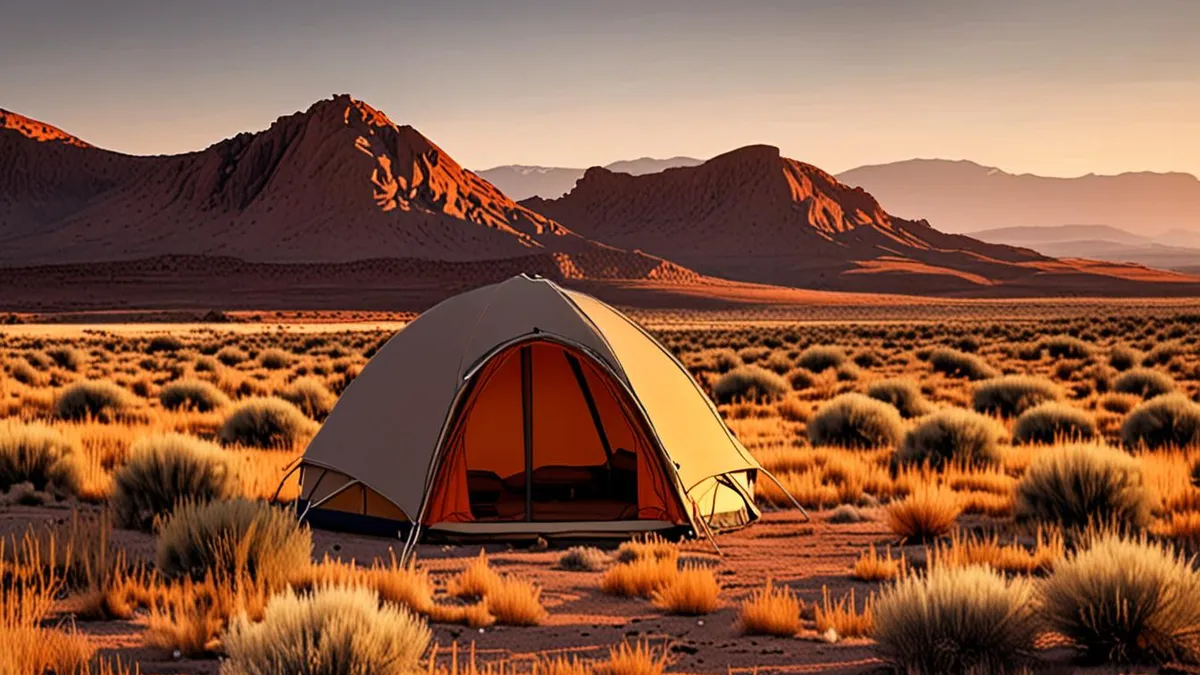
Moab is the classic base for the eastern parks, and for good reason: it sits roughly 30 minutes from the entrances of both Arches and Canyonlands. That proximity means you can catch sunrise at Delicate Arch and still be back at your tent for a late breakfast. Few glamping regions in the country offer this kind of access to two major national parks from one town.
Moab also has the largest concentration of safari tents, domes, and luxe RV-style glamping in Utah. Whether you want a canvas suite with a wood-fired hot tub or a dome with panoramic desert views, the options here are more varied than anywhere else in the state. If you’ve glamped somewhere remote before, like the setups covered in this guide to glamping in Patagonia, you’ll find Moab’s range surprisingly polished by comparison.
Timing your desert stay
The desert floor runs hot. Summer highs near Moab often top 95-100°F, which turns midday into survival mode rather than sightseeing time. Spring and fall stays are the sweet spot: warm days for hiking, comfortable evenings around the fire, and better conditions for the dogs (both the two-legged and four-legged kind). If summer is your only window, plan hikes for dawn and save the shaded deck for the afternoon heat.
Quieter Bases: Capitol Reef and Grand Staircase Country
If the idea of sharing a viewpoint with a few hundred people makes you wince, point your compass toward central and southern Utah’s quieter corners. Torrey sits just outside Capitol Reef, roughly 10 minutes from the park entrance, and it delivers a completely different rhythm than Zion or Moab. The town is small, the roads are calm, and the night skies are dark enough that stepping outside your tent after dinner counts as stargazing.
Torrey: dark skies and orchard-country calm
Capitol Reef is Utah’s least crowded Mighty 5 park, and glamping around Torrey reflects that. You’ll find a handful of tent and cabin-style properties rather than a big resort scene, which is exactly the appeal. Days here revolve around scenic drives, fruit orchards in the historic district and hiking trails where you might go an hour without passing another group.
Kanab: the flexible southern hub
Kanab works as a flexible hub between Zion, Bryce and the Grand Staircase region, sitting within reasonable driving distance of all three. If your itinerary mixes slot canyons, park days and backroad exploring, one Kanab base can cover a lot of ground. It’s also a sensible fallback when lodges inside the parks are fully booked.
The tradeoff for the quieter setting is choice. Expect fewer glamping properties here than near Zion or Moab, so book earlier than you think you need to, and verify amenities carefully. Ask specifically about heating, real beds and private bathrooms, because some remote sites keep things more rustic than their photos suggest. A quick email to the host before you pay saves a cold, uncomfortable surprise.
When to Book and What to Pay
Timing makes or breaks a Utah glamping trip. Aim for April-May or September-October, when days are mild and nights are cold but manageable. Summer works near Bryce’s cooler elevation, but at the desert floor it can be brutal, and winter nights at tent sites are a commitment most travelers shouldn’t make on a first trip.
Because spring and fall are the peak glamping windows, the best sites fill fast. Reserve 3-6 months ahead for those seasons, especially if you want a specific tent style or a weekend near Zion or Moab. Last-minute openings do appear, but waiting usually means settling for whatever’s left.
As for budget, expect $150-$400 per night depending on season, tent type and proximity to the parks. If you’re weighing whether the premium over a regular campsite is worth it, it helps to understand exactly what you’re paying for, which is where a closer look at glamping versus camping costs and comfort comes in handy.
A few things that push a site toward the top or bottom of that price range:
- Tent type: a canvas safari tent with a wood stove and real furniture sits at the high end, while a simple dome or bell tent with cots lands lower.
- Private vs. shared bathrooms: en-suite facilities typically add a meaningful bump to the nightly rate compared to a shared bathhouse a short walk away.
- Views and privacy: sites with unobstructed red rock views or isolated placements command more than clustered sites near a highway.
- Included extras: firewood, kayaks, guided stargazing or stocked kitchens are often bundled into pricier listings, so compare what’s actually included rather than the sticker price alone.
One more practical note: fees for park entry and any local taxes are separate from your nightly rate and change regularly, so check current rates before finalizing your budget.
How to Pick the Right Glamping Site
Photos of a white dome against red rock look great online, but the details that determine whether you sleep well are rarely in the hero shot. Utah’s desert environment is beautiful and unforgiving in equal measure, so vet a few specifics before you book.
Start with temperature. Desert nights can drop near freezing even in shoulder season, when daytime highs feel pleasantly warm. A tent with a heater, wood stove or solid insulation makes the difference between a cozy evening and shivering in a sleeping bag. Ask the host directly what climate control is provided rather than assuming.
Water and bathrooms deserve the same scrutiny. Some desert sites run on limited water supplies and use shared facilities, which is fine for many travelers but a dealbreaker for others. Confirm whether your tent has a private bathroom, how far the nearest one is, and whether showers are hot and reliably available.
Then think about the middle of the day. Between hikes, you’ll want somewhere to escape the sun, which is why shade structures and covered decks matter so much. A tent with no shade cover turns into an oven by early afternoon.
Finally, dig into recent reviews with these specific checks in mind:
- Wind mentions: exposed Utah plateaus can produce gusty nights, and flapping canvas or rattling frames will keep light sleepers awake.
- Dust and sand: reviewers often flag sites where fine dust works its way into tents, bags and gear, especially in dry, windy stretches.
- Noise from roads or neighbors: a “secluded” listing can still sit near a highway; recent guest notes reveal what the map doesn’t.
- Season-specific complaints: look for reviews written during the same season you plan to visit, since a site that’s lovely in October may have different issues in spring.
Ten minutes of review-reading and one clarifying email to the host will tell you more than any listing description. Do both, and you’ll book with confidence.
Wrapping Up Your Utah Glamping Base
Utah’s Mighty 5 parks stretch across hundreds of miles, so the real glamping question was never which tent to book. It’s where to plant your flag first. Pick your region before you browse listings: Zion-Bryce in the southwest, or Moab for Arches and Canyonlands, about 30 minutes from both entrances. If you want quieter nights, Torrey near Capitol Reef is roughly 10 minutes from the park.
Once your base is set, the rest falls into place. Target April-May or September-October for mild days and manageable nights, and book 3-6 months out to secure a spot in the $150-$400 per night range. Before committing, match the site’s amenities to desert conditions: climate control, water access, shade and shelter from wind and dust all matter more than they would in a milder climate. If this helped you plan your trip, leave a comment or share the article.