Winter glamping sounds dreamy until you picture the reality: snow outside, and you inside a tent wondering whether your breath will freeze before morning. Many travelers love the idea of a snowy escape but worry that a tent or cabin in freezing temperatures will mean shivering through a cold, sleepless night.
The good news is that a properly winterized unit changes everything. A wood stove, insulated walls or heated floors can keep the inside genuinely cozy while the landscape turns white around you. In this guide, we cover what winter glamping actually means, how heated tents compare to cabins, how to choose a winter-ready site, when to book, what to pack for cold nights, and how to stay safe and comfortable in freezing conditions. By the end, you will know exactly how to pick a stay where the cold stays outside where it belongs.
What Winter Glamping Actually Means
Winter glamping means sleeping in a heated, insulated unit — a dome, safari tent, cabin or A-frame — during the cold months, roughly from November to March. The key word is heated: these are not summer tents with an extra blanket. They are built or adapted so the inside stays warm even when temperatures drop well below freezing outside.
The biggest difference from summer glamping is what matters most when you book. In warm months, the view or the location often sells the stay. In winter, the comfort of the unit decides whether your night is pleasant or miserable. The heating type and the quality of the insulation are the two factors that make or break the experience, so they deserve more attention than the photos of the surrounding mountains.
What to expect from winter rates
Because heating costs money and fewer sites stay open in the cold months, expect winter glamping prices to run around 10-30% higher than shoulder-season rates. That premium buys you a unit that is actually designed for frost, so treat it as the cost of sleeping warm rather than a markup. Check current prices directly with hosts, since they vary widely by region and demand.
Heated Tents vs Cabins: Which Stays Warmer
Not all glamping units handle frost equally well, and the difference comes down to how each one holds heat. If you are a first-timer heading into deep frost, this comparison matters more than any photo gallery.
Cabins: the steady option
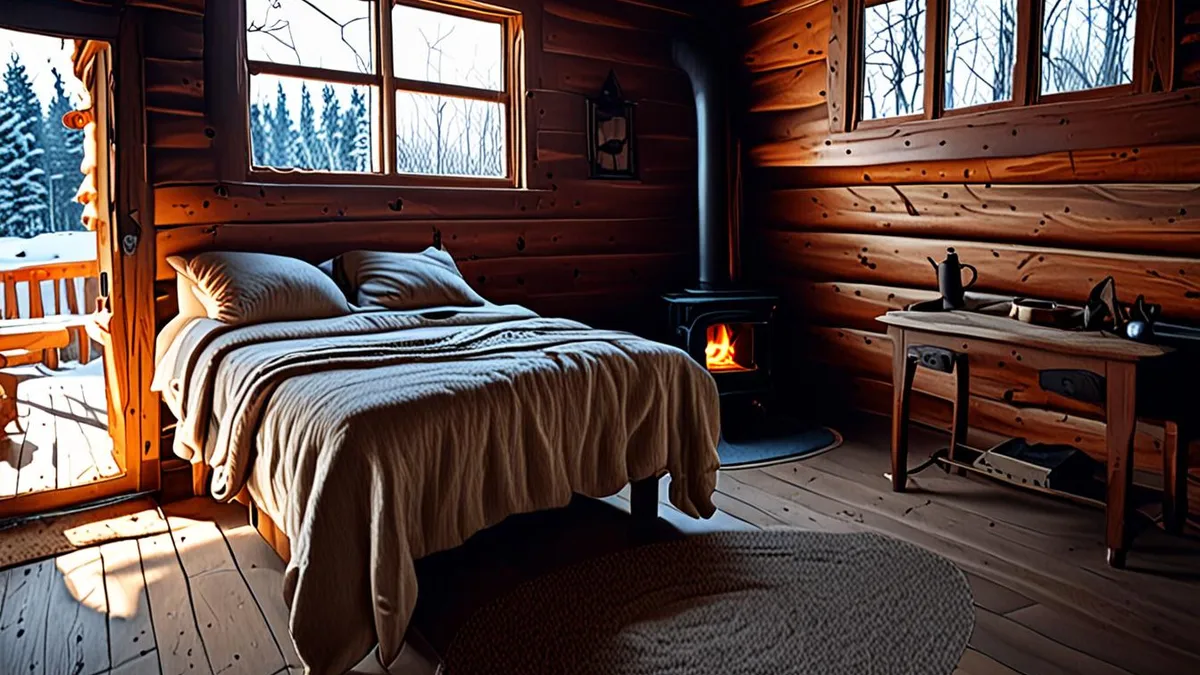
Cabins with solid walls and a wood stove are the safest choice in serious cold. Solid construction insulates far better than fabric, so a cabin generally holds heat longer overnight. If the fire burns low at 3 a.m., the walls still trap warmth, which gives you a buffer that tents simply do not have.
Heated tents and insulated domes
Heated tents rely on wood stoves or electric heaters combined with insulated canvas. In a well-built unit, indoor temperatures of 18-22°C (64-72°F) are realistic — but that warmth depends on the heat source. If the fire dies, the temperature can drop fast, so ask the host how refuelling works. Domes and yurts with insulated covers and small stoves sit somewhere in between: wonderfully atmospheric, but always check whether the heat runs all night or only while someone tends it.
If you want to see how dramatic cold-weather settings work in practice, this guide to glamping in Patagonia shows what to look for in a remote, wind-exposed destination.
How to Choose a Winter-Ready Glamping Site
A site can look magical in summer photos and still be miserable in January, so filter your search specifically for winter capability. Look for units with a wood stove, underfloor heating or proper insulation as their main heat sources, and read reviews written by guests who actually stayed between November and March. Summer reviewers will never mention whether the bathroom pipes froze.
Before booking, contact the host with direct questions. Ask whether the heating runs all night or needs refuelling every few hours, and whether paths, parking and bathrooms are regularly cleared of snow. Their answers will tell you quickly whether they run a genuine winter operation or simply keep the site listed year-round. For a broader framework, this first-timer’s checklist for choosing a glamping site covers the basics that apply in every season.
Proximity matters more in winter than in any other season. A site roughly 10-20 minutes from a village gives you a backup for food and supplies when a storm hits, while a remote location can leave you stranded.
- Ask which road authority plows the access route, since a private lane may be cleared less reliably than a main road after heavy snowfall.
- Confirm whether water is winterized — insulated pipes and a heated bathroom mean the difference between a hot shower and no running water at all.
- Find out if the host lives on-site or nearby, because a quick response matters if a stove part breaks on a freezing night.
- Check whether food can be pre-ordered or delivered, since cooking facilities may be limited to a single small stove top.
When and How Far Ahead to Book
The winter glamping window runs from November to March in most Northern Hemisphere destinations, but demand is not spread evenly across those months. December through February weekends sell out first, especially around holidays and ski season, when cabins with wood stoves can be fully booked weeks in advance.
The practical answer is to book 2-3 months ahead if you want a heated unit. Many glamping sites simply close in winter, so the remaining inventory is small even at larger properties. A site that lists a dozen tents in summer might have only two or three winterized options, and those go quickly once snow is in the forecast.
Why midweek in January or February is the sweet spot
If your schedule allows it, aim for a midweek stay in January or February. These dates often cost less than weekend rates, and you get a quieter, snowier experience: fresh powder on the trails, no queue for the firewood, and the kind of silence that weekend crowds push out. Some hosts also offer flexible check-in on weekdays, which helps if a storm shifts your travel plans.
Timing matters beyond the booking itself. If you are flexible about destination, milder regions extend the season at both ends. For example, Portugal’s glamping season works differently than in Alpine countries, with milder winters that can stretch the usable months. Check your specific destination’s pattern before locking in dates, and confirm with the host that heating is already running for the season.
What to Pack for Cold Nights
Packing for a heated tent is different from packing for a hotel. Even a well-insulated unit can cool off before dawn when the stove burns low, so your clothing needs to work for indoor evenings and outdoor midnight trips alike. Dress in layers rated for -5 to -15°C (23-5°F) nights, depending on your destination: a thermal base layer, a midlayer fleece, and an insulated jacket you can pull on the moment you step outside.
The small items matter more than people expect. Paths between your tent and the bathroom are dark and icy, and fumbling with laces at midnight in freezing air is miserable. A headlamp and slip-on shoes solve that problem before it starts.
- Wool socks in multiple pairs: bring at least one spare pair per day, since damp socks from snow or boots will not dry overnight in a cool tent, and wet feet are the fastest route to a cold, sleepless night.
- A beanie that stays on while you sleep: you lose a surprising amount of heat through your head, and a snug merino beanie keeps you warm even if your blankets shift during the night.
- A hot water bottle: fill it at the stove before bed and slip it into your sleeping bag at your feet; it holds warmth for hours and beats an extra blanket when the fire dies down around 4 a.m.
- Merino sleepwear: a dedicated set of merino base layers for sleeping regulates temperature far better than cotton pajamas or piling on heavy blankets, and it does not feel clammy if you warm up.
One final tip: leave a set of dry layers in the sleeping area rather than the car or an unheated storage box. Putting on clothes that have been sitting in freezing temperatures all night undoes half the benefit of changing into them.
Staying Safe and Comfortable in Freezing Conditions
Winter glamping is safe when you follow the rules of the unit, and the most important ones involve the stove. Follow the host’s instructions exactly, even if they seem fussy. Crack a window for ventilation — a small gap is enough — because burning wood consumes oxygen and any combustion heater carries a carbon monoxide risk in a small, sealed space. And never leave a wood fire burning while you sleep. Let it burn down before bed and rely on your bedding and sleepwear to carry you to morning.
Protect your electronics from the cold
Cold drains batteries faster than most travelers realize. Keep phones and camera batteries warm inside your sleeping bag overnight, ideally in an interior pocket or wrapped in a sock. A phone that reads full at bedtime can be dead within hours on a freezing night, and that matters if you need it for navigation or emergencies the next morning. The same goes for headlamp batteries: keep spares in an inside pocket rather than a backpack left in the cold.
Plan your arrival around daylight
Plan to arrive in daylight, and check the weather forecast daily during your stay. Finding a dome or cabin down an unfamiliar snowy track in the dark is stressful at best, and winter storms can close mountain roads with little notice. Ask your host which access routes are plowed and what to do if a storm rolls in mid-stay. A flexible departure day, or a backup plan to wait out the weather, turns a possible problem into a minor inconvenience.
The Warm Way to Do Winter Glamping
The fear behind winter glamping is simple: a freezing, sleepless night in a flimsy tent. The good news is that a genuinely winterised unit makes that worry unnecessary. A cabin or insulated tent with all-night heat, booked between November and March, keeps indoor temperatures comfortable even when snow piles up outside. Cabins generally hold heat longer overnight, which makes them a reliable pick for your first cold-weather trip.
The rest comes down to preparation. Book 2-3 months ahead, pack thermal base layers, a warm midlayer and an insulated jacket suitable for nights well below freezing, and confirm with your host that the heating runs all night, that access paths are cleared, and that ventilation is handled properly. Do that, and the frost outside becomes part of the charm rather than a risk. If you have a favorite winter glamping spot or a cold-night tip of your own, share it in the comments below.