Most travelers searching for villas in Tuscany end up looking at the same stretch of map: around Florence, through Chianti, and out to San Gimignano. These are lovely areas, but they attract peak demand from late June through August, and prices climb accordingly. Meanwhile, equally beautiful corners of the region sit a short drive away, often at a fraction of the cost.
This guide looks at where to stay instead. We compare hotspot and off-peak pricing, then walk through three areas worth considering: the rolling valleys of Val d’Orcia and the Crete Senesi, the green Garfagnana north of Lucca, and the wild Maremma coast in the south. We also cover how to choose the right villa for your trip, when and how to book, and how to plan a quieter Tuscan villa week from start to finish.
Why Skip the Tuscany Hotspots
Florence, Chianti and San Gimignano form the classic villa triangle, and that is exactly the problem. Demand peaks from late June to August, when two-bedroom villas routinely reach €300-600+ per night. You pay a premium for proximity to famous names, not necessarily for a better property.
There is also the density issue. Villas around the hotspots tend to sit close together, often on subdivided estates. That means your “private” pool may be visible from a neighbor’s terrace, and the postcard countryside view may include the next villa’s car park. If seclusion is part of why you chose a villa over a hotel, this is where hotspot bookings frequently disappoint.
What the quieter areas offer instead
Southern Tuscany and the northern valleys deliver the same cypress-lined hills, stone farmhouses and vineyard views at roughly €120-250 per night for a two-bedroom villa. The savings add up fast on a week-long stay, often covering your flights.
The experience on the ground differs too. Roads carry lighter traffic, village restaurants have shorter waits in July and August, and you are more likely to hear birds than tour buses. You will still want to check drive times to the sights on your list, but for many travelers the trade is an easy one.
Val d’Orcia and the Crete Senesi
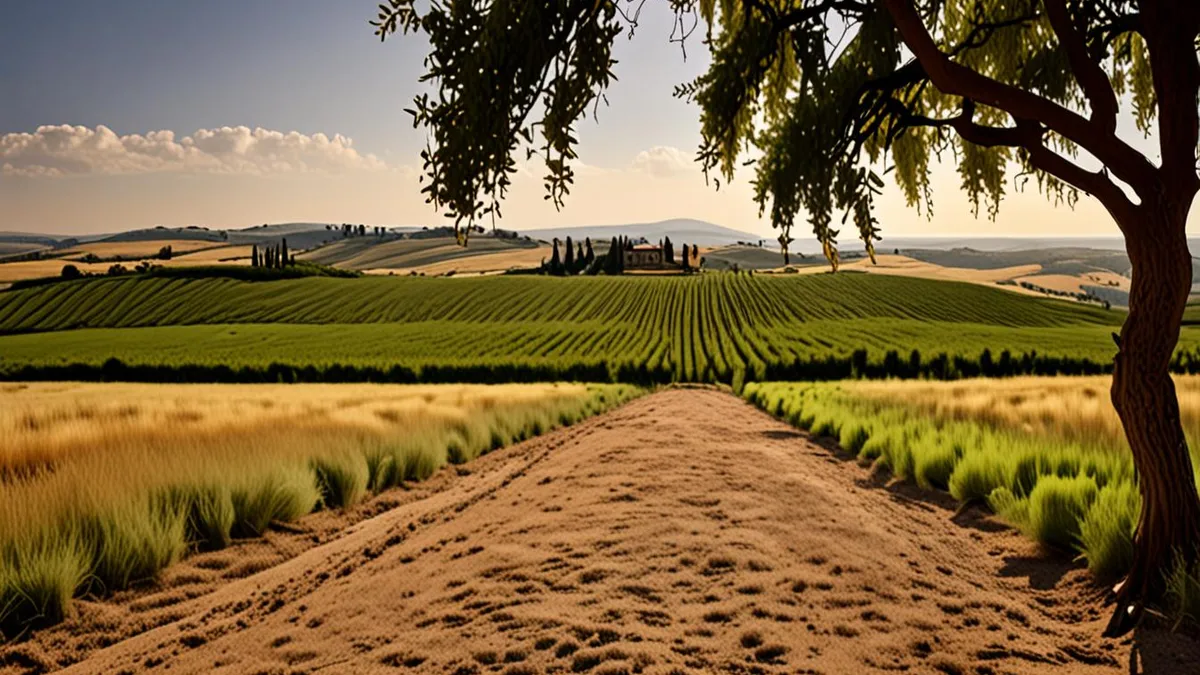
Southeast of Siena, roughly 50-75 km away, the landscape shifts into some of the most photographed countryside in Italy. Val d’Orcia and the neighboring Crete Senesi are all rolling wheat fields, winding cypress-lined roads and hill towns like Pienza and Montepulciano perched on the ridgelines. It is the Tuscany of postcards, minus the tour groups that cluster around Florence and Chianti.
This area suits travelers who want slow scenery rather than a checklist of sights. Mornings can be spent at wine estates around Montepulciano and Montalcino, afternoons wandering Pienza’s cheese shops and lanes, and evenings on a villa terrace watching the light move across the valleys.
Hot springs and villa availability
One of the region’s surprises is its thermal water. Around Bagno Vignoni, natural hot springs have drawn visitors for centuries, and a soak in the steaming pools makes a memorable break between winery visits. Some villas in the area also tap into the thermal tradition, so it is worth asking when you book.
Practically speaking, Val d’Orcia is about a 1.5-2 hour drive from both Pisa and Florence airports, so it works well as a fly-in destination without extra overnight stops. Expect the deepest villa choice in May and September, when owners release the widest range of dates and the weather is warm but not punishing. Book early within those months if you want a specific view or pool setup.
Garfagnana: Green Tuscany North of Lucca
If your image of Tuscany stops at sunbaked hills, the Garfagnana will change it. This wooded valley sits 30-45 km north of Lucca, right at the foot of the Apuan Alps, and it feels like a different region altogether. Because of the elevation, summer temperatures here are noticeably cooler than on the coastal plains, which makes July and August far more comfortable for sleeping and hiking.
Accommodation leans rustic in the best way. You will find stone village houses and converted farm villas rather than polished resort-style properties, many with chestnut forests and mountain streams on the doorstep. Hikers get direct access to Apuan trails, while guests who simply want mountain air without leaving Tuscany will be equally happy. For more on this style of stay, our guide to mountain villas across Europe covers similar properties in other ranges.
Using Lucca as your base
Lucca itself deserves time and works well as a day-trip hub. Its intact Renaissance walls are made for cycling, the towers give you rooftop views over the rooftops, and the cafes around the amphitheater are ideal for a long lunch. The city also has solid train links, which is handy if part of your group wants to skip the car for a day.
A common pattern is to split a week: a few nights in a Garfagnana villa for the cool mountain evenings, then time in or near Lucca for city comforts. Either way, you get green, quiet Tuscany at prices well below the Chianti corridor.
Maremma and the Southern Coast
Maremma is the wild southern edge of Tuscany, roughly 150 km from Florence and 100-120 km from Rome. This is a landscape of marshland nature reserves, Etruscan ruins and hill towns perched on ridges, and it feels a world away from the postcard routes around Siena. If you have ever considered pairing countryside and coast the way travelers do on a Bali villa trip, Maremma offers a similar blend at a slower Italian pace.
Countryside calm with beach access
The villa appeal here is the combination of isolation and convenience. You can wake up among olive groves and still reach the quieter beaches around Castiglione della Pescaia in a 20-30 minute drive. These stretches of sand and pine forest rarely feel crowded, even at the height of summer, especially the ones inside the regional park areas where access is more limited.
The season stretches longer here than in the hills further north. The area stays warm into early October, which means your pool, the terrace and the coast all remain genuinely usable well past the school holiday rush. For travelers who want late-season sun without peak prices, Maremma is one of the strongest choices in the region.
Choosing the Right Villa for Your Trip
Rural Tuscan villas vary enormously, and the photos on a listing rarely tell the whole story. Before you pay a deposit, it pays to ask a few pointed questions, especially if you are traveling in the shoulder months of May or October. Pool heating, road access and even the distance to a supermarket can make or break a week in the countryside.
Start with the practicalities. Many rural villas require a car, and the nearest village shop is often 5-15 km away, so check exactly how far you will drive for bread and coffee each morning. Ask about the access road too: some farm villas sit at the end of a long gravel track that a small rental car handles badly, particularly after rain.
If this is your first villa rental, a structured checklist helps you compare properties fairly. Beyond the basics, here are the details worth confirming with the owner or agent:
- Pool opening dates: some pools only open mid-May and close in late September, which matters if you are traveling in May or October.
- Bedroom count and bed configuration: confirm actual beds rather than sofa beds, especially if two couples or children are sharing.
- Air conditioning: not universal in older stone houses, so ask which rooms have it if you are sensitive to heat.
- Heating in shoulder months: evenings in April and October can be cold, and heating is sometimes charged as an extra.
- Private or shared pool: some listings advertise a pool that is actually shared with other guests or the owner’s family.
When and How to Book Villas in Tuscany
Timing your booking well saves money and widens your choice of villas dramatically. The right lead time depends almost entirely on when you want to travel, so it pays to work through a few simple steps before committing to anything. Owners and agencies release their calendars months in advance, and the best properties in any area tend to disappear first, regardless of price.
- Pick your travel window first. High season runs late June to late August, while May, early June, September and early October form the shoulder season. Knowing which window you fall into determines everything else, from pricing to availability.
- Book 6-9 months ahead for summer. July and August villas are reserved early, and waiting usually means paying more for less attractive properties, or settling for one that falls short of what you wanted.
- Aim for 2-4 months ahead in shoulder season. May, early June, September and early October typically leave you enough time to compare options carefully without losing the best ones.
- Target the quieter areas. Low-key regions outside the famous hotspots offer noticeably better value per night, along with more space and privacy for the same budget.
- Confirm heating before booking early. Booking early in shoulder season also secures villas with heating, which matters in April and October when evenings turn cool.
Once you have matched your dates to the right lead time, request written confirmation of everything that matters to you, from pool access to heating costs. Ask specifically about what is included in the rental price, since some owners charge separately for utilities, final cleaning or linen changes. A short email exchange before the deposit protects both sides and sets clear expectations for the week ahead. Keep a copy of all correspondence, and make sure the cancellation terms are spelled out in writing before any money changes hands.
Planning a Quieter Tuscan Villa Week
Most villa seekers crowd around Florence and Chianti and pay peak-season prices for the privilege. Yet the corners of Tuscany covered here sit a short drive away and offer the same cypress-lined hills, wine and slow evenings at a fraction of the cost. Look past the hotspots to Val d’Orcia, Garfagnana or Maremma, and you get more space, more privacy and better value from the same budget.
Match the area to your trip: Val d’Orcia for scenery and wine, Garfagnana for mountain air and hiking, Maremma for coast and hill towns. Then book within the right lead time and check the villa details carefully before paying the deposit, from pool dates to the drive to the nearest shop. Have a favorite quiet corner of Tuscany, or a question about planning your own villa week? Leave a comment below or share this article with a fellow traveler.