Planning a safari in Tanzania often stalls at one question: what will the lodge actually cost? Tanzania safari lodge costs swing dramatically between seasons, and the difference can be the biggest line item in your entire budget. A mid-range lodge might charge around $350–$700 per person per night during peak season from July to October, when the Great Migration river crossings draw crowds. Come green season, roughly November to May, the same room often drops 30–50%, to roughly $200–$400 per person per night.
This guide breaks down exactly what to budget, season by season. We’ll explain why rates move so much, what peak-season pricing looks like from July to October, and where the green-season savings are between November and May. You’ll also learn what a nightly rate actually includes, how location on the northern circuit around Serengeti, Ngorongoro Crater, Tarangire and Lake Manyara affects price, and how to build a realistic per-day lodge budget you can trust.
Why Tanzania Safari Lodge Costs Change So Much by Season
Tanzania safari lodges don’t set their rates arbitrarily. Prices track the quality of wildlife viewing, and the single biggest factor is the movement of animals through the parks. When game viewing is at its best, demand surges and nightly rates climb with it.
The clearest example is the peak season from July to October. These months line up with the Great Migration river crossings in the Serengeti, and the dry conditions make animals easier to spot as they gather around shrinking water sources. Thin vegetation, dusty roads and predictable game movements mean lodges can fill nearly every room at top rates, especially in the Serengeti and around the Ngorongoro Crater.
The green season discount
From roughly November to May, the equation flips. The short rains arrive in November, followed by the long rains from March to May, and many travelers simply stay home. Occupancy drops, and lodges respond by cutting rates by 30–50% to keep rooms filled. The same property that commands premium prices in August can cost a fraction of that in April, often with identical meals, game drives and service.
Why the long rains are the cheapest of all
March to May is the deepest discount window of the year. Afternoon downpours are frequent, some roads become challenging, and wildlife can be harder to find in thicker vegetation. Keep in mind that some seasonal camps close entirely or run with reduced services during this period, so availability narrows even as prices fall. If you’re considering a long-rains trip, confirm directly with each lodge that it will be open and operating at full service before you book.
Peak Season Budget: July to October Rates
Peak season in Tanzania, running July to October, is when lodge prices hit their ceiling. Mid-range lodges typically charge $350–$700 per person per night during these months, and that rate is usually all-inclusive, covering your room, all meals and shared game drives. The dry weather and the Great Migration river crossings make this the most in-demand window of the year, so lodges have no trouble filling every room.
At the top end, luxury lodges and Serengeti migration camps range from $800 to over $1,500 per person per night in peak months. These properties often sit on private concessions or in prime migration corridor locations, with fewer tents, more personalized service and dedicated guides. If you want a fuller picture of what these rates actually buy you, this breakdown of what a stay at an African safari lodge really costs walks through the details.
The single most important planning rule for July to October is lead time. Book 9–12 months ahead, especially for Serengeti and Migration areas, because the best-value rooms go first. Travelers who wait until six months out often find only the priciest options left.
- Small camps sell out fastest: Migration camps with a dozen or fewer tents can be fully booked a year in advance, so if a specific camp matters to you, reserve as soon as your dates are firm.
- Shoulder dates within peak season help: Early July and late October sometimes offer slightly better availability than August and September, when demand is at its highest.
- Ask about single supplements and child rates: Per-person pricing assumes double occupancy, so solo travelers and families should confirm how each lodge handles these before booking.
- Confirm what “all-inclusive” covers: Some peak-season rates include house drinks and laundry, others do not, and the difference adds up at $800+ per night.
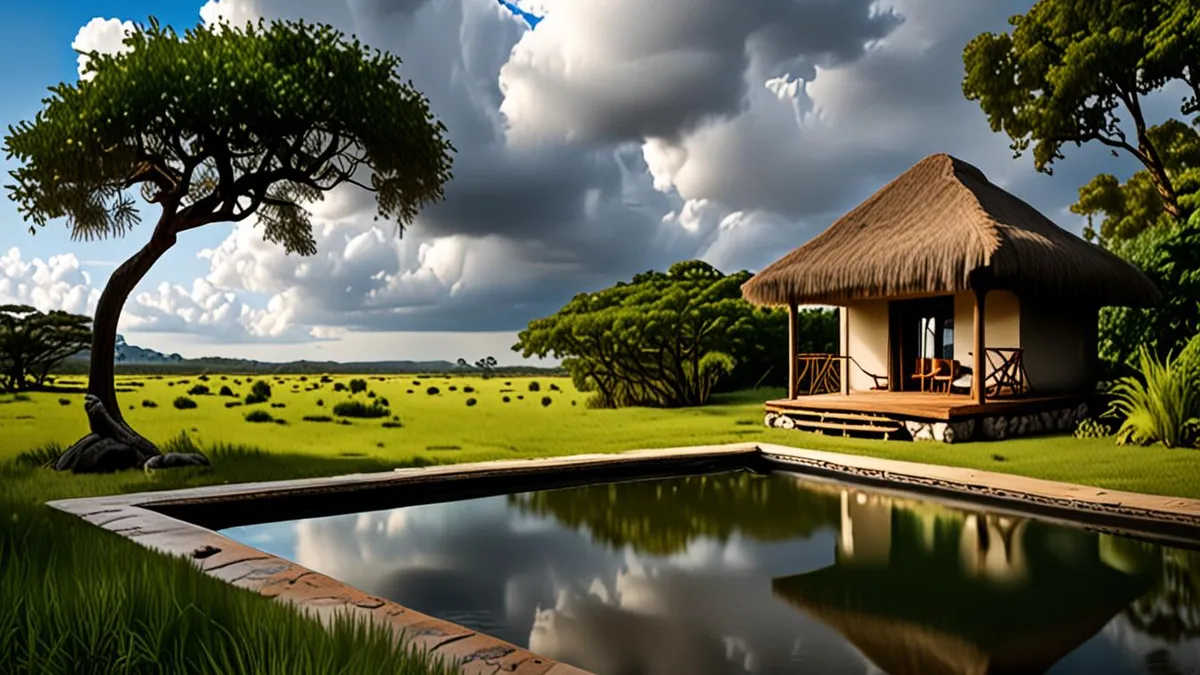
Green Season Savings: November to May
Green season is when savvy travelers catch a break on lodge prices. The very same mid-range lodges that charge peak rates from July to October often drop to roughly $200–$400 per person per night between November and May. That is a substantial discount for the same rooms, the same meals and the same guiding teams, simply because occupancy is lower and afternoon rains keep some visitors away.
The trade-offs are real but manageable. You should expect afternoon showers, especially during the long rains, and the bush is greener but thicker, which can make animals harder to spot in tall grass. Roads in some areas get muddy, so build a little flexibility into your schedule. In exchange, you get landscapes at their most photogenic, fewer vehicles at sightings, and lower rates across the board.
What the green season does especially well
Birding is outstanding from November to May, as migratory species arrive and residents come into breeding plumage. This is also calving time for many antelope and other species, so predator activity around young animals makes for rewarding game drives. Photographers often prefer this period for the dramatic skies and lush backdrops.
The standout window is January and February, when the calving season in the southern Serengeti concentrates enormous numbers of wildebeest and zebra on the short-grass plains. Predator interactions are frequent, yet lodge rates remain at green-season levels rather than peak ones. For many travelers, this stretch offers the best value-to-wildlife ratio of the entire year. If your dates are flexible, ask lodges about their shoulder rates within the green season, as pricing can vary between the short rains, the long rains and the calving months.
What the Nightly Rate Includes
Most Tanzania safari lodges price their rooms per person, not per room, and that rate usually bundles far more than a bed for the night. A typical mid-range or luxury lodge includes all three meals, two shared game drives a day in open safari vehicles with a lodge guide, and often soft drinks, local beers, and house wines. Some camps go fully all-inclusive and cover nearly everything you consume on site.
What the rate almost never includes is park access. Entry and conservation fees are billed separately, vary from park to park, and are usually paid per person per day. If your itinerary covers Serengeti, Ngorongoro Crater, Tarangire, and Lake Manyara, these fees add up quickly across a week, so ask your operator for a full breakdown before you book. Rates also change regularly, so confirm current fees rather than relying on older quotes.
Before you compare prices between lodges, budget for the common extras that sit outside the nightly rate:
- Premium drinks: imported wines, spirits, and champagne are typically billed to your room even at otherwise all-inclusive lodges.
- Laundry: many camps offer it free, but some charge per item, especially smaller tented camps with limited staff.
- Private guides and vehicles: hiring a dedicated guide or exclusive vehicle usually carries a separate daily supplement.
- Tipping: gratuities for lodge staff and driver-guides are customary and generally given in cash at the end of your stay, so carry small denominations.
How Location on the Northern Circuit Affects Price
Where you sleep on the northern circuit matters almost as much as when you travel. Lodges inside the Serengeti and along the Ngorongoro Crater rim charge the highest rates on the circuit, and there are clear reasons why. Inventory inside these prime areas is limited, demand is intense during the July to October peak, and the wildlife is quite literally on the doorstep, meaning you can be watching lions minutes after leaving camp.
The trade-off for that convenience is a nightly rate that can run well above what you would pay elsewhere on the circuit. Crater rim lodges in particular benefit from being first in line at the crater gate each morning, and operators price that advantage accordingly.
More Affordable Circuit Stops
Tarangire and Lake Manyara are typically the budget-friendlier stops on a northern circuit itinerary. Both parks deliver excellent game viewing, Tarangire is known for its large elephant herds, and lodges around them often cost noticeably less per night than their Serengeti equivalents. Many travelers balance the ledger by spending more nights at these parks and fewer in the Serengeti.
Another way to trim costs is to stay just outside park boundaries, where gate fees and lodge rates are often lower. The catch is drive time: you may spend an hour or more each morning and evening reaching the wildlife, which shortens your actual game viewing. The same logic applies anywhere in Africa, and the principles in how to choose a safari lodge in Kruger National Park translate well to weighing location against price.
Building a Realistic Per-Day Lodge Budget
Once you understand nightly rates, the next step is turning them into a realistic per-day figure, because lodge rates are only part of what leaves your wallet each day on safari. Here is a simple way to build that budget step by step.
- Start with the lodge rate. In peak season, a mid-range lodge typically costs $350–$700 per person per night, usually with meals and game drives included, so that figure covers most of your day.
- Add park entry and conservation fees. These are billed separately and vary by park, so get the current rates for each park on your itinerary and add them per person, per day.
- Include drinks and small extras. Premium drinks, laundry, and similar incidentals rarely amount to much, but budgeting a modest daily cushion avoids surprises on your final bill.
- Set aside tips. Tipping is customary on Tanzanian safaris, so factor a daily amount into your per-person total for both camp staff and your guide.
- Account for transfers between parks. Internal flights or long road transfers between the northern circuit parks are real costs, and spreading them across your trip days gives a truer daily picture.
Worked through this way, a mid-range peak-season day with a $500 lodge rate plus park fees, drinks, and tips lands near $600–$700 per person. In the green season, the same calculation can come in around $300–$400 per person per day, which is why timing your trip matters so much to the final total.
Keep in mind that park fees can change from year to year, so always check the current rate for each park before you lock in your budget. It is also smart to ask your lodge or tour operator what is included in the rate, since some bundle drinks and transfers while others bill them separately. Building in a small buffer of 10–15% over your estimated daily total gives you room for the small costs that always seem to appear on safari, from extra activities to a last-minute laundry run.
Wrapping Up Your Tanzania Lodge Budget
If you came here wondering how anyone budgets a Tanzania safari when lodge prices seem all over the place, the answer comes down to one thing: the season. Tanzania safari lodge costs swing by 30–50% between peak and green season, and once you know which window you’re traveling in, the numbers stop feeling random. Peak July–October trips mean mid-range rates of $350–$700 per person per night, and the best rooms go to travelers who book 9–12 months ahead.
Green season, roughly November to May, trades some game-viewing ease for major savings, with the same lodges often dropping to around $200–$400 per person per night. Pick your season first, build your per-day budget around it, and the rest of the planning falls into place. If this helped you sketch out your own safari budget, leave a comment or share this article with a fellow traveler.