Provence looks effortless in photos: golden stone villages, lavender fields, long lunches under plane trees. But behind those images lies a region of sharp seasonal contrasts and very different landscapes, and choosing the wrong one can turn a dream villa week into a hot, crowded or isolated disappointment. Booking a hilltop farmhouse in August without a plan, for example, often means paying peak prices and fighting for parking in the very villages you came to photograph.
This guide to villas in Provence walks you through the decisions that matter most. We cover why careful planning pays off, which season suits your travel style, how the Luberon, Alpilles and coastal fringes differ, what a villa week realistically costs, when to book, and how to structure your days once you arrive. By the end, you will know exactly which landscape, month and property type fit your trip.
Why Villas in Provence Reward Careful Planning
Provence is not one destination but several stitched together. Hill villages perch above vineyards, lavender plains stretch toward the horizon, and the Mediterranean coast runs along the southern edge. The right villa depends entirely on which of these landscapes you want outside your door — a stone mas among olive groves feels nothing like a house above the sea at Cassis.
Why the best properties go first
Summer demand comes from both French and international travelers, and it is the most sought-after properties in small villages that disappear first — not the cheapest ones. A well-restored farmhouse with a pool and views near Gordes or Bonnieux can be fully booked for peak season by early spring. If you have a specific village or property style in mind, waiting usually means compromising on location or quality.
The car question
Unlike island destinations where you might walk to a beach or taverna, Provence villas almost always require a car. Villages are typically several kilometers apart, restaurants rarely sit within walking distance of rental properties, and markets, vineyards and swimming spots all involve driving. This shapes both your region choice — do you want short hops or scenic long roads? — and your daily rhythm, since mornings and evenings become driving time rather than idle strolling.
Choosing the Season: Lavender, Heat and Quiet Months
Timing is the single biggest factor in how your Provence villa week feels. The region runs on a clear seasonal rhythm, and each stretch of the calendar offers something different — and demands something different from you.
Peak season: late June to late August
From late June to late August, Provence is at its most vibrant and its most crowded. Expect hot days around 28–32°C, busy markets, and the famous lavender bloom in early-to-mid July, particularly in the Valensole plateau and Sault area. This is the Provence of postcards, but it is also when restaurants need reservations, village parking gets tight, and villa rates sit at their highest. If the lavender fields are your priority, aim for the first half of July; later in the month, harvested fields turn golden rather than purple.
Shoulder months and winter
May–June and September–early October are the sweet spot for many travelers. The weather stays warm, restaurants and vineyards are open, and rates typically run roughly 30–40% below peak. You trade the lavender fields for clearer roads, easier bookings and a more local pace. For a deeper look at how booking timing interacts with seasons, see our guide on when to book a villa and how booking windows work.
Winter is quiet and atmospheric — wood smoke, empty roads, truffle markets — but many village restaurants and vineyards close, and the Mistral wind, strongest in winter and early spring, can make villas with pools impractical. If you travel off-season, prioritize a villa with good heating and indoor living space.
The Regions: Luberon, Alpilles and the Coast
Provence divides naturally into three villa regions, and each delivers a different version of the same postcard. Picking the right one matters more than picking the right house.
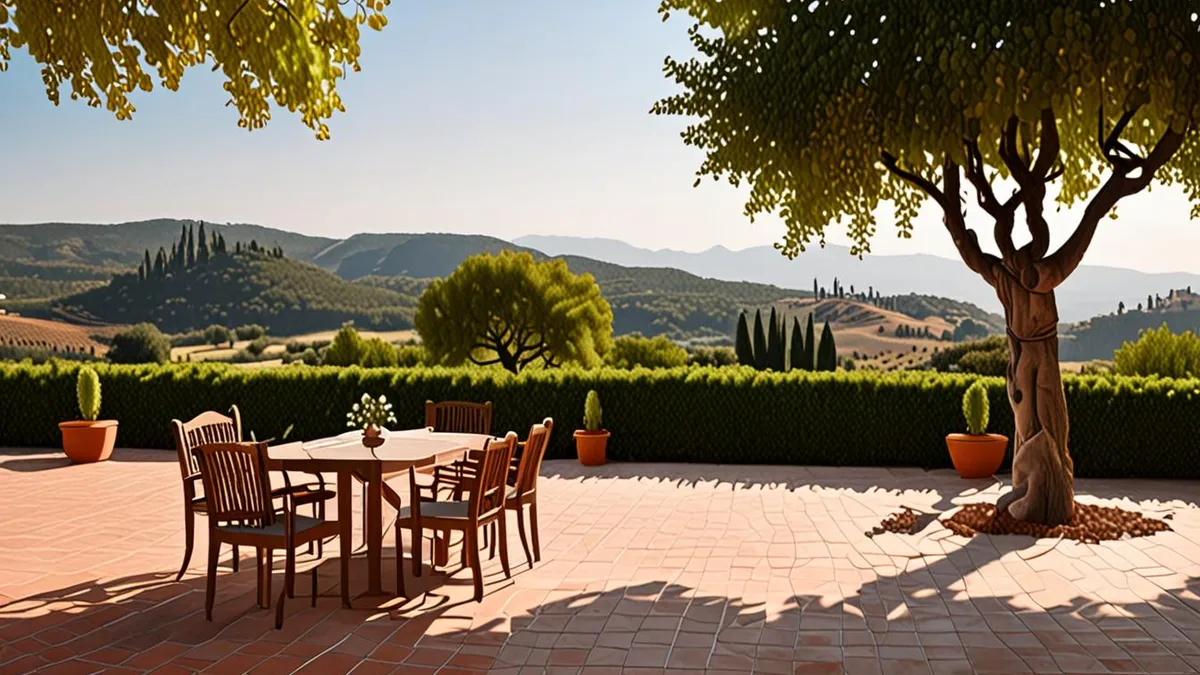
The Luberon is the classic choice: hilltop villages like Gordes and Bonnieux, stone mas properties with thick walls and shaded courtyards, and a rhythm built around market towns. It suits travelers who want the most photogenic, quintessentially Provençal setting, even if that means longer drives to restaurants and sights.
The Alpilles, centered on Saint-Rémy, offer gentler terrain, olive groves and shorter drives to major sights like Avignon and Arles. It is a compact region where everything feels within easy reach, making it a good fit for first-time visitors or shorter stays.
The coastal fringe near Cassis and Bandol adds sea access, calanques and wine country within roughly 30–60 minutes of Marseille airport. The trade-off is less rural charm — you get Mediterranean energy rather than quiet hill-country isolation.
- Check drive times to your own priorities. From the Luberon, reaching the coast takes noticeably longer than from the Alpilles or coastal fringes, so if beach days matter, weigh that against the hilltop views.
- Match village size to your style. Larger towns like Saint-Rémy have year-round shops and cafés within walking distance, while tiny Luberon hamlets can feel very quiet outside peak season.
- Consider airport logistics. Coastal properties near Cassis and Bandol make arrival and departure days much shorter, which is useful for one-week trips where you do not want to lose half a day to transfers.
What a Provençal Villa Week Really Costs
Villa pricing in Provence varies more than most travelers expect, and the difference usually comes down to three things: the pool, the view and how close you are to a village with a bakery. A three-bedroom villa in high season typically runs €3,000–€8,000 per week. A simple stone house on the edge of a hamlet sits at the lower end, while a restored mas with a heated pool and rolling vineyard views commands the top of the range.
Timing moves the needle just as much as the property itself. The same farmhouse that feels out of reach in July can fit comfortably into a September budget, when owners drop their weekly rates to fill the calendar. If your dates are flexible, ask agencies directly about shoulder-season pricing on specific properties — some will quote you a lower figure than the one listed, especially for last-minute gaps. If you want a fuller breakdown of how villa costs stack up against hotels and resorts, this villa vacation budget guide walks through the numbers in detail.
The Costs Beyond the Rent
Build your budget around more than the weekly rate. A rental car is essential in most of inland Provence, typically €300–€600 per week in summer depending on the size of vehicle you book. Then factor in the extras that turn a good week into a great one: pool heating if you are traveling outside the warmest months, and chef services or a private cook if the villa offers them. Some agencies also add a cleaning fee or a security deposit, so ask for a full cost sheet before you commit — there should be no surprises on arrival.
Booking Windows and How to Secure the Best Properties
Provence rewards early planners. The villas that photograph beautifully in the Luberon — stone farmhouses with plane trees and infinity pools — attract repeat guests who rebook year after year, so the visible inventory shrinks fast. How far ahead you need to act depends almost entirely on when you want to travel, and getting the timing wrong can mean settling for a property that was never your first choice.
- Book 6–9 months ahead for late June to August stays. This is the window where the best properties appear and disappear. The most photographed Luberon farmhouses sell out first, often before spring arrives, so start your search the previous autumn if a July or August week is fixed — especially if you want to catch the lavender bloom in the Valensole plateau or around Sault.
- Use a 3–4 month window for shoulder-season trips. Traveling in May–June or September–early October gives you breathing room, and owners with gaps in their calendar are often open to negotiating weekly rates, especially for two-week stays. You also get warm weather without peak crowds, which makes day trips and market mornings far more relaxed.
- Confirm pool season dates explicitly. Some owners open pools only for part of the summer, and the Mistral wind can make an unheated pool less inviting outside the calmest months. If swimming is central to your plans, get the exact opening and closing dates in writing before you pay a deposit.
- Ask about booking and cancellation terms early. Deposits, refund windows and damage policies vary between owners and agencies, and understanding them before you commit protects both your budget and your flexibility. Ask whether linens, cleaning and pool maintenance are included, since these extras can shift the real cost of a week.
One practical habit ties all of this together: keep a shortlist of two or three properties per region and contact owners directly with your dates. A polite, specific inquiry sent in the right window often matters more than any booking platform filter, and it frequently uncovers availability that never appears in public listings at all.
Making the Most of Your Stay: Markets, Drives and Day Trips
A villa week in Provence follows a natural rhythm, and the travelers who enjoy it most plan around the heat rather than fighting it. Mornings belong to the markets, afternoons to the pool, and evenings to long dinners on the terrace. Get this pattern right and even a peak-season week feels unhurried.
Plan your mornings around village markets — Tuesday in Gordes, Wednesday in Saint-Rémy — and arrive early, before the summer heat peaks and the parking gets difficult. Bring a bag for produce, cheese and olives, then build that evening’s dinner around whatever looked best on the stall.
Day trips work best when you base them on realistic drive times rather than map wishes. From most inland villas, Avignon and Arles sit under an hour away, making them easy half-day or full-day outings. The Verdon Gorge is about 90 minutes from the Luberon, so treat it as a dedicated day with an early start rather than a spontaneous detour.
- Shaded terraces matter more than square footage. A villa with a covered outdoor dining area lets you eat outside through July and August, when indoor tables sit empty and the evening light is the best part of the day.
- Schedule afternoons around the pool, not the car. In July and August, the hours after lunch are best spent by the water — save sightseeing for the morning or the early evening when the light softens.
- Pair markets with nearby sights. Since Gordes and Saint-Rémy each have a fixed market day, you can plan the rest of that day’s route around the same village and avoid doubling back on narrow country roads.
Wrapping Up Your Provence Villa Plan
Provence looks effortless in photos, but a poorly matched villa can leave you hot, crowded or stranded far from anywhere. The fix is simple: decide which landscape you want first — hilltop villages, olive groves or sea views — then compare properties within that region rather than across the whole of Provence. For the lavender weeks, commit early and book 6–9 months out; if your dates are flexible, aim for May–June or September instead.
Money matters deserve equal attention. A three-bedroom villa in high season typically costs €3,000–€8,000 per week, so set that expectation before you fall in love with a listing. Reserve your rental car at the same time as the house — availability tightens alongside villa calendars. Get those three decisions right and the rest of your trip tends to fall into place. If this helped you plan, leave a comment or share the article with a fellow traveler.