Sri Lanka has a puzzle that trips up even experienced travelers: two opposite coastlines, two opposite monsoons. Pick a villa on the south coast in July and you may spend your week watching rain roll in, while the east coast sits in full sunshine. Book the east in January and the same problem runs in reverse. Because the seasons flip rather than overlap, the “best” coastal area depends almost entirely on your travel month.
This guide sorts it out. We explain how the two monsoons split the island, then walk through the south and west coast areas that shine from December to April and the east coast spots worth the longer journey from May to September. We also cover the shoulder months when rates drop, what Sri Lanka villas typically cost by season, which coast suits which kind of traveler, and a month-by-month summary to match your dates to the right stretch of sand.
How Sri Lanka’s Two Monsoons Split the Coast
Sri Lanka runs on two monsoons, and they hit opposite halves of the island. The southwest monsoon, roughly May to September, soaks the south and west coasts, the stretch that includes Galle, Weligama and Bentota. During those same months, the east coast stays largely dry, which is why Pasikuda and Arugam Bay come into their own in mid-year.
From roughly October to February, the northeast monsoon reverses the pattern. Rain moves to the east coast while the south and west enjoy their driest, sunniest stretch, which is why the December to April window is considered high season for villas around Galle and Bentota.
The tricky in-between months
October and November sit between the two monsoons, and the inter-monsoon rains can hit both coasts rather than sparing one side of the island. These are generally the trickiest months island-wide, and they also happen to be the lowest-demand window, so some travelers accept the gamble in exchange for quieter beaches and softer rates. If your dates fall in October or November, keep your plans flexible and check forecasts close to booking rather than relying on a single coast being dry.
The practical takeaway is simple: first fix your travel month, then choose the coast. Trying to do it the other way around is where most villa bookings go wrong.
December to April: South and West Coast Sri Lanka Villas
From December to April, the south and west coasts enjoy their dry season, and this is when the island’s best-known villa areas are at their best. Seas are calmer, skies are clearer, and the strip between Colombo and the southern tip fills with travelers escaping northern winters. It is also the busiest period, so the most sought-after properties get booked well ahead, and high-season villa rates on the south coast run roughly 30-50% above low-season prices.
The good news is that this stretch of coast offers genuinely different experiences within a few hours of each other. If you have read a guide on where to stay in Bali for a private villa, you will recognize the same logic here: pick the area that matches your travel style, not just the prettiest beach photo.
- Galle Fort puts you inside a walled colonial town, where many villas are restored merchant houses with courtyards and thick walls that keep rooms cool without much air conditioning. Cafes, boutiques and rampart walks are all reachable on foot.
- Unawatuna sits a short drive from Galle and offers reef-protected swimming plus a compact strip of beach restaurants, handy if you want to dine out nightly rather than eat in.
- Weligama and Mirissa suit two crowds at once: gentle, beginner-friendly surf breaks in Weligama, and boat trips from Mirissa to look for blue whales and spinner dolphins, with the calmest seas typically between January and March.
- Bentota, roughly 2-3 hours from Colombo’s airport depending on traffic, draws travelers who want larger estate-style villas with space to spread out, plus calm lagoon-side swimming when the open sea is rough.
Whichever area you pick, remember this is peak season: book early and expect the highest rates of the year. For December-to-February stays, aim to reserve your villa 3-6 months ahead, especially if you want a specific property during the Christmas and New Year weeks when demand peaks hardest.
May to September: East Coast Areas Worth the Journey
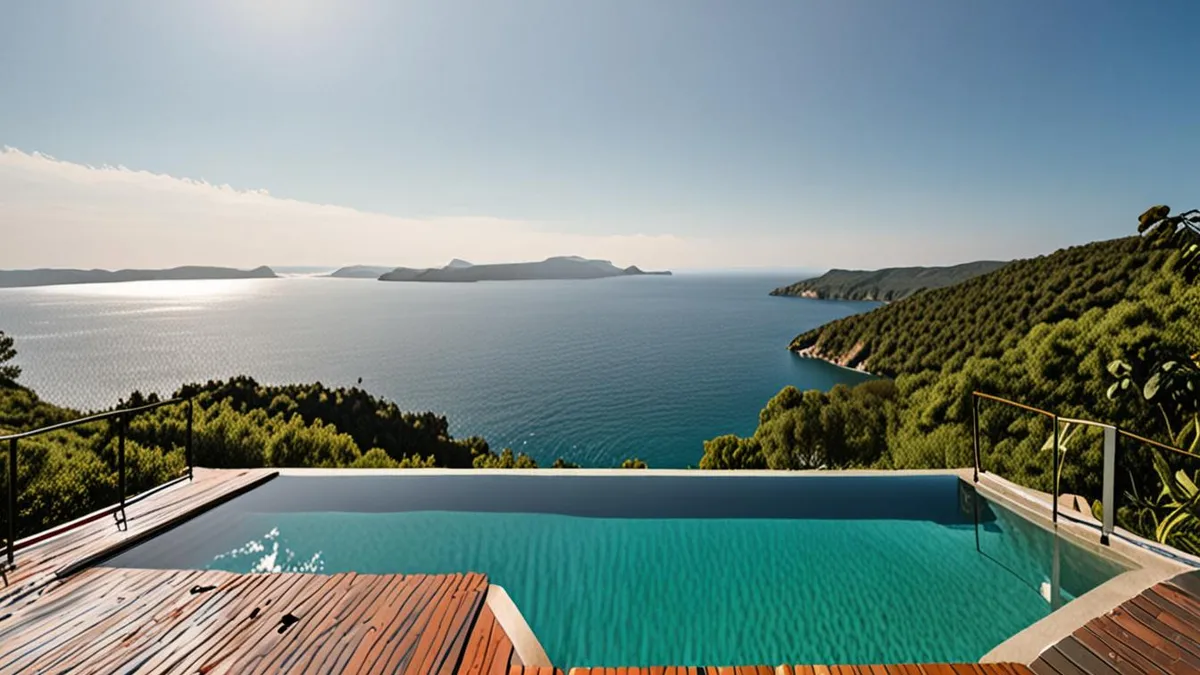
When the southwest monsoon soaks the south and west coasts from May to September, the east coast takes over as the country’s best villa bet. This is the driest stretch for Pasikuda, Kalkudah, Arugam Bay and Trincomalee, and it is a genuinely different side of Sri Lanka: quieter roads, less developed beach strips and a slower, more local rhythm than you find around Galle or Bentota. Villa stock here also costs noticeably less than south-coast high season, which runs roughly 30-50% above low-season prices, so the savings can be substantial if you time it right. The trade-off is travel time, since most east-coast areas sit the better part of a day’s drive from Colombo, so plan transfers carefully rather than treating the east as a quick add-on.
Each of the three main villa areas attracts a different kind of traveler, so it pays to match the place to your priorities before committing to the long journey east.
- Pasikuda and Kalkudah share a shallow, reef-protected bay where the water stays calm and knee-to-waist deep well offshore, which is why families with young swimmers gravitate here. The two beaches sit side by side, so villa choice often comes down to which stretch has availability for your dates.
- Arugam Bay is roughly 6-7 hours by road from Colombo, though many travelers shorten the trip with a domestic flight to Batticaloa followed by a road transfer. The surf season peaks between July and August, when consistent point breaks draw an international crowd and the small town fills with board-friendly cafes and guesthouses.
- Trincomalee pairs dry-season snorkeling trips to Pigeon Island, a protected marine national park offshore, with a quieter and generally lower-priced villa market than the south coast. It suits travelers who want a mix of underwater time and empty beaches rather than a surf scene.
For the July-August surf peak in Arugam Bay, book early despite the east coast’s lower overall demand, since the best-positioned properties fill quickly in those months. If your dates are flexible, September can be a smart compromise: the east-coast dry season is still delivering, crowds have thinned, and weekly rates are often negotiable. Whatever month you choose, confirm current access and transfer options with your operator, as road conditions and flight schedules on this side of the island can change from year to year.
Shoulder Months: March-April and September Value
If your dates are flexible, the shoulder months are where Sri Lanka starts making sense on a budget. March and April sit at the tail end of the south and west coast dry season, so you still get the reliable beach weather that draws crowds in December and January, but villa rates typically come in 10-20% below peak. The sea is usually calm, the cafes in Galle Fort are less crammed, and you can often negotiate directly with villa owners who would rather fill a room than leave it empty.
September works the same trick on the other side of the island. It closes out the east coast dry season, so Pasikuda, Arugam Bay and Trincomalee are still enjoying dry, sunny conditions, but the peak-season crowds have thinned and weekly rates become negotiable. Surf conditions in Arugam Bay can start to ease late in the month, so check with local operators if waves are your priority.
Booking these windows
The trade-off is that shoulder-season availability is less predictable than high season, when every villa is open. These windows reward flexible travelers who book 2-3 months out instead of the 3-6 months recommended for December-February south coast villas. If you want a fuller picture of timing, our guide to seasonal booking windows for villas breaks down how far ahead to plan for each region.
What Sri Lanka Villas Cost by Season
Villa pricing in Sri Lanka swings more with the monsoons than most travelers expect. On the south and west coasts, high-season villas from December to February typically run 30-50% above low-season rates. The same house that feels like a splurge in January can be a genuine bargain if you shift your trip to May or June, when the southwest coast is wet but the east is drying out.
The east coast runs on the opposite calendar, and its prices reflect that. East-coast villas in June-August stay cheaper than south-coast peaks, often by 20-30%, even though this is their best weather window. You are paying less for arguably better conditions, which is one of the quiet advantages of choosing Pasikuda or Trincomalee over the better-known southern beaches.
The cost of staff
One figure worth budgeting separately: staffed villas with a cook add roughly US$20-40 per day for food and service compared with self-catering. That covers a private chef preparing your meals, plus the household staff most Sri Lankan villas include. For families or groups, the per-person cost is modest and the convenience is hard to beat after a day in the surf or on the road.
For a fuller breakdown of where villa money actually goes, from transfers to groceries, see our villa vacation budget guide.
Choosing Between Areas: Who Each Coast Suits
The right coast depends less on postcards and more on how you travel. A couple on a one-week trip has very different needs from a family with toddlers or a surfer chasing a specific swell, and Sri Lanka’s split seasons mean the “best” area changes with the month. Match the destination to your travel style first, then narrow down the village. Getting this order right saves you from the most common mistake: falling for a beautiful villa that sits on the wrong coast for your dates.
First-timers usually do best on the south and west coast, where transfers are short and everything is within a day trip of a comfortable base. Galle Fort sits roughly 2-3 hours by car from Colombo’s airport depending on traffic, which makes it a forgiving landing spot after a long flight. Surfers and slow travelers have more freedom to chase the seasons, but they should still anchor themselves near the break rather than commuting. Families need calm water above all else, which rules out several otherwise lovely stretches of coast.
- First-timers with one week: base in Galle or Bentota, where transfers from the airport stay short and you can reach tea country, turtle hatcheries and whale-watching boats as day trips without repacking.
- Surfers and slow travelers: Arugam Bay if you are traveling between May and September, Weligama if you are on the island during the south coast dry season; both have beginner-friendly breaks and a laid-back, stay-a-while atmosphere.
- Families with small children: Pasikuda’s shallow, reef-protected bay lets young swimmers paddle safely at low tide, while Unawatuna offers similar reef-protected swimming with more restaurants and cafes within walking distance.
Whichever profile fits you, remember that demand shapes availability as much as weather does. If your dates fall in the December to April window on the south coast, you will be competing for the same villas as everyone else, so lock in your choice early rather than hoping for a late deal.
Matching Your Month to the Right Coast
The whole puzzle comes down to one question: which monsoon is active when you travel? From December to April, head south and west, where Galle, Unawatuna, Weligama and Bentota enjoy their dry season. From May to September, the equation flips, and Pasikuda, Arugam Bay and Trincomalee become the smarter picks on the east coast.
October and November are the wildcard months. Inter-monsoon rain can reach both coastlines, so travelers in this window should weigh noticeably lower villa rates against less predictable weather. If your dates are flexible, the shoulder months give you the best of both, but if they are fixed, simply match your month to the coast that is dry. Have a favorite stretch of Sri Lankan coastline, or a question about your travel month? Leave a comment below or share this article with a fellow traveler.