Booking a remote lodge on your own can feel like a gamble. You picture cozy evenings by a fire, but you also wonder: what happens if you need help at midnight, or if the property turns out to be all honeymooning couples? The good news is that most of these risks can be filtered out before you pay a deposit. Solo lodge stays work wonderfully when you know exactly which safety and social features to verify in advance.
This guide walks you through a booking checklist built specifically for one person. We cover why remote lodges need different questions than city hotels, the safety checks to run before you book, the social spaces that make a lodge feel welcoming, and the room types and meal plans that suit solo guests. You will also find guidance on destinations and seasons where solo lodge trips shine, plus the exact questions to email the lodge before you confirm your reservation.
Why Solo Lodge Stays Need a Different Booking Checklist
A lodge three hours from the nearest town operates nothing like a city hotel, and the standard booking checklist falls short. The biggest difference is staffing: front desks in remote areas are often unstaffed overnight, roughly between 9 pm and 7 am. Before you book, confirm that someone is reachable during those hours, whether through a night manager, a radio system or an on-call number. Knowing that a real person can respond if something goes wrong is the foundation of a comfortable solo stay.
Money questions worth asking early
Single travelers typically pay 20-50% single-supplement premiums unless a lodge waives them, so this is not a small detail. Ask whether the property offers true single rooms, and which room types avoid the supplement entirely. Some lodges price smaller rooms or seasonal promotions for one person, and a short email can save you a meaningful amount.
Activities and arrival timing
Guided group activities at lodges typically run twice daily, morning and afternoon, and joining both outings is the easiest way to meet fellow guests. Ask whether these groups accept single bookings and how large they usually are. Finally, confirm the check-in window: wilderness and safari lodges usually require check-in before dark, often by 4-6 pm. Arriving alone at a dark, unstaffed property is the scenario you want to avoid entirely, so plan your transport around that deadline.
Safety Checks to Run Before You Book
Safety at a remote lodge starts with communication. Look for a 24-hour emergency contact listed on the website or booking confirmation, and ask whether rooms have in-room phones or radios. In areas without cell coverage, these become your lifeline. It is also worth asking whether staff are trained in first aid for remote locations, since the nearest hospital may be far away.
Next, verify how the lodge handles medical emergencies. Ask the distance to the nearest clinic, what evacuation procedures exist, and whether activities require guides. At wilderness and safari lodges, guided activities are often mandatory for good reason, and a lodge that explains this clearly is usually one that takes safety seriously. On arrival, pay attention to the trail, wildlife and activity briefings; if solo wandering is restricted in certain areas, that restriction exists to protect you, so treat it as a feature rather than a limitation.
Beyond asking the lodge directly, reviews are your best source of unfiltered information. Filter for recent comments from solo guests and look for specific patterns rather than one-off complaints.
- Check whether solo reviewers mention feeling safe walking to their rooms after dark, including whether paths are lit and whether staff offer escorts at night.
- Look for comments on staff responsiveness: how quickly the lodge answered questions before arrival and how it handled any problem during the stay.
- Search for mentions of what happens during emergencies or activity cancellations, since a calm, organized response says more than any marketing copy.
If multiple solo guests describe the same experience, positive or negative, you can reasonably expect the same for yourself.
Social Spaces That Make a Lodge Feel Welcoming
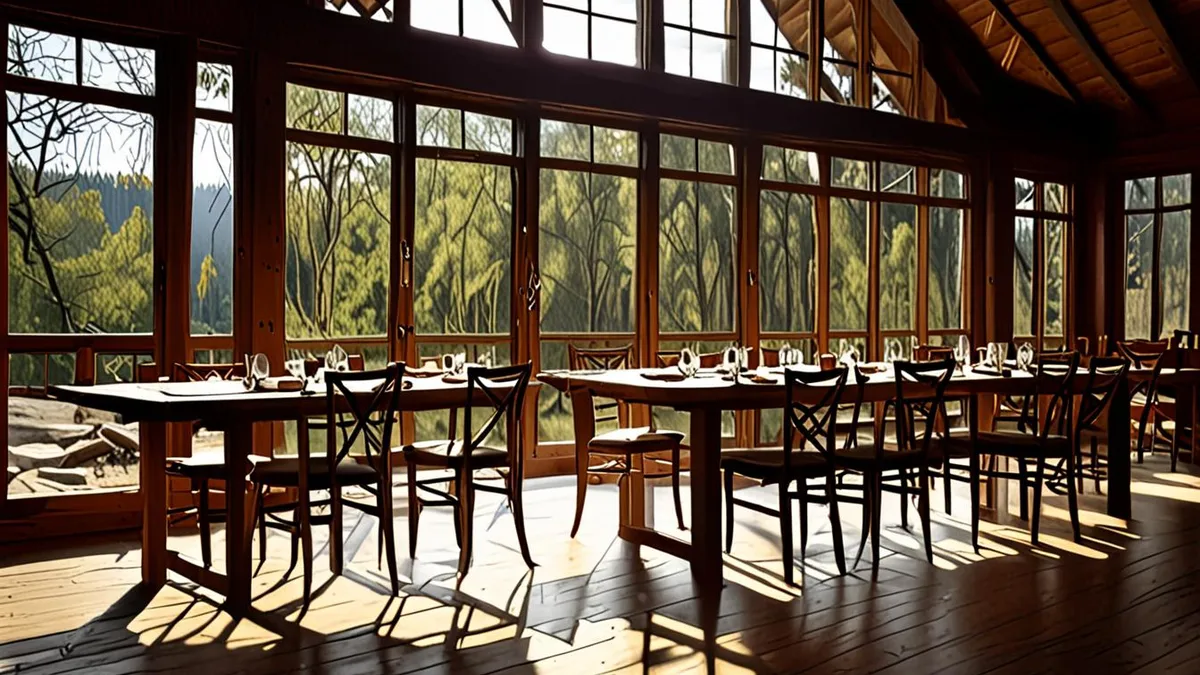
The architecture of a lodge tells you a lot about whether you will meet people. Prioritize properties with a central lounge, a fireplace area or a shared bar, because these are the spaces where conversation happens naturally in the evenings. When guests gravitate toward one common room instead of retreating to private quarters, a solo traveler has easy openings to join a discussion about the day’s hike or wildlife sightings.
Shared spaces also come with unwritten rules, and it pays to review some tips for sharing lodges and dining rooms with other guests before your trip, so you feel confident from your first evening onward.
The communal dining table
If there is one feature that matters most for solo guests, it is the communal dining table. Most wilderness lodges seat 8-14 guests together at dinner, which turns a meal into the easiest social event of the day. Ask directly whether dinner is shared or private; some properties seat everyone together by default, while others offer table-service for two. A lodge that answers this question enthusiastically is usually one that welcomes solo travelers regularly.
Low-pressure places to linger
Not every social moment needs to be a dinner conversation. Look for shared fire pits, hot tubs, game rooms or library corners, all of which give you places to spend time without pressure. Sitting by a fire pit with a drink invites casual chat, while a library corner lets you enjoy company quietly. One caution: avoid lodges designed purely for couples or private-cabin stays if meeting people matters to you. A romantic hideaway can be lovely, but it rarely offers the shared spaces that make a solo stay feel sociable.
Room Types and Meal Plans That Suit Solo Guests
Where you sleep matters more when you travel alone than it does for a couple booking a romantic hideaway. A lodge room inside the main building puts you a short walk from the front desk, the lounge and other guests, which is exactly what most solo travelers want. A detached private cabin can feel peaceful, but it also means walking alone down a dark path after dinner and knowing that no one will hear you if something goes wrong.
Meal plans are the other big decision. Full board or all-inclusive rates take the guesswork out of dinner, and at many lodges they come with shared meals at a long table, so you never have to figure out where to sit alone. If you are weighing your options, this breakdown of full board versus self-catering makes the trade-offs easy to compare before you commit. Self-catering suits travelers who genuinely enjoy quiet evenings, but ask first whether the kitchen is shared with other guests or entirely private, since that changes the whole feel of the stay.
Finally, be specific when you request a room. Ask for one close to the main lodge rather than at the end of a wing or in a separate building. A two-minute walk to your door feels very different at eleven at night than a five-minute one, especially if the path is unlit. Mention that you are traveling solo when you book; some lodges will quietly place single guests in the most convenient rooms, but only if they know to do it.
Destinations and Seasons Where Solo Lodge Trips Work Best
Some destinations make solo lodge trips almost effortless. Alpine lodges during the summer hiking season are a strong pick: most run structured group trails led by guides or hosts, so your days come with built-in company and you never have to organize a hiking partner yourself. If you book in the shoulder weeks rather than peak summer, rates often drop 20-40% below high-season prices, which stretches a solo budget considerably further. For a closer look at how the seasons shape pricing and trail access, this guide to summer stays at alpine lodges, hiking and costs breaks it down in detail.
National park lodges and safari camps
Lodges in and around Banff and Yellowstone work well for a different reason. These areas have walkable lodge zones, ranger-led programs and a steady flow of solo travelers, so being on your own feels normal rather than unusual. You can join a talk in the morning, share a trailhead shuttle with someone at noon and compare notes over dinner without any awkward planning.
Safari lodges are perhaps the best of all for meeting people, because guests are typically paired into shared game-drive vehicles. A three-hour drive at dawn with two strangers almost always turns into conversation, and by the second day you usually have friends for the evening fire. Just avoid deep off-season dates at remote properties: staffing is thinner, and group activities may be cancelled if too few guests are around to fill them.
Questions to Email the Lodge Before You Confirm
Before you click confirm, send the lodge a short email. A property that answers your questions clearly and quickly is telling you something about how it treats guests, and the replies will settle most of your booking doubts. Start with the basics: is there staff on site overnight, and how do solo guests usually spend their evenings? A good lodge will answer both without hesitation and may even mention the communal dining table or the fireplace lounge by name.
Then get the details in writing. Ask them to confirm the single-supplement policy in full, including whether any room types are priced for one person without an extra charge, and to put that answer in the booking confirmation. Also check whether dinners are communal or table-service for two, and whether activity groups accept single bookings rather than requiring two participants. A vague or evasive reply on supplements is usually a sign you will pay one.
Finally, think about staying connected. Reliable Wi-Fi in remote regions averages 5-20 Mbps, which is enough for video calls but not for streaming, so plan offline maps and downloaded entertainment as a backup. A few specific questions worth asking:
- Ask how many guests typically join the guided activities, so you know whether a morning outing will have a group atmosphere or feel like a private tour with just you and the guide.
- Ask whether the lodge can arrange a shared transfer from the nearest town or airport, since solo transport into remote areas is often the most expensive part of the trip.
- Ask what the lodge provides if your arrival is delayed past the usual check-in window, such as a late-night contact number or self-check-in instructions.
- Ask whether the communal table is offered every night or only on certain evenings, so you can plan your stay around the sociable ones.
Wrapping Up Your Solo Lodge Checklist
If you booked a remote lodge alone and worried about isolation or unclear safety support, the answer is a short, deliberate checklist rather than luck. Safety comes first: confirm overnight staffing or an emergency contact for the hours when front desks are often unstaffed, understand the medical and evacuation plan, and make sure you can arrive before dark. These checks are non-negotiable, and a lodge that answers them clearly is usually one that takes solo guests seriously.
Then think about the social side. Communal dining tables and a central lounge or fireplace area are the features that most often turn a quiet stay into a sociable one, so weigh them as heavily as room size or views. Match the destination and season to your goals, and email the lodge your specific questions before you pay. A straightforward reply tells you almost everything you need to know. Have a solo lodge tip of your own? Leave a comment or share this article with a friend planning their first solo trip.