Dreaming of saying your vows with your toes in the sand is easy. Figuring out what a destination wedding at a resort actually costs, and where to even begin planning, is where most couples freeze. Package prices, guest minimums, room blocks and legal paperwork can feel overwhelming before you’ve picked a single date.
This guide breaks the process into clear, practical steps. You’ll learn what a typical resort wedding package includes (and what it quietly doesn’t), how much the whole trip really adds up to, and how to choose a destination and resort that fit your guest list. We’ll walk through the 12-18 month booking timeline, how to manage guests and vendors during the wedding week, and the trade-offs between all-inclusive and a la carte properties. By the end, you’ll have a realistic budget range and a plan you can actually follow.
What a Resort Wedding Package Actually Includes
Most resorts sell destination weddings in tiers, and the entry-level package is more modest than the brochures suggest. A standard package typically covers the ceremony venue itself, basic decor such as a simple arch and chairs, an officiant or a coordinator who handles the legal paperwork, and a small reception, often limited to a set number of guests or a short dinner.
Mid-range tiers are where weddings start to feel personal. These packages usually add upgrades like a private venue away from the public beach or pool deck, better florals, a cocktail hour, and a dedicated photo session. Some also include extras such as a champagne toast, a private dinner or spa treatments for the couple.
Read the fine print before you sign
The details matter more than the headline price. Check whether the package requires a guest minimum, because a “free” package that only applies with 40 booked room nights can change your math completely. Ask about fees for extra hours if your reception runs long, since venues often charge by the hour beyond the contracted time. Finally, confirm what counts as an included room night: some resorts only count rooms booked in your block at full occupancy, which affects whether you actually qualify for the package or perks you were promised.
How Much a Destination Wedding at a Resort Costs
The easiest way to budget is to split costs into two buckets: the wedding package and the per-guest costs. Base packages at resorts typically run about $2,000 to $15,000 depending on guest count and inclusions. At all-inclusive properties, food, drink and rooms are bundled, which brings per-guest costs down to roughly $100 to $250 per person per day. That means a three-day celebration for 30 guests looks very different from a two-day event for 10, so sketch your guest count before comparing packages.
The package and nightly rates are only part of the total. When you add up the real number, include the items below, because couples routinely underestimate them:
- Flights for you and your partner, plus travel for your own party. If your parents, siblings or bridal party can’t afford the trip, decide early whether you’re covering part of it.
- Extra nights. You’ll usually want to arrive several days before the wedding for setup, the legal appointment and rehearsal, and stay a few nights after for recovery.
- Photography and video. These are rarely included in base packages, and bringing a photographer from home adds flights and accommodation on top of their fee.
- Upgrades and add-ons. Premium florals, live music, fireworks, extra decor and private dinners are almost always quoted separately from the package.
Timing is your biggest lever for savings. Shoulder-season dates can cut the total by 20 to 30 percent versus peak dry-season pricing, which applies to both the package and the room rates your guests pay. If you’re weighing bundled pricing against a traditional venue, our comparison of all-inclusive and a la carte resorts explains how the two models change your per-person costs.
Choosing the Right Destination and Resort
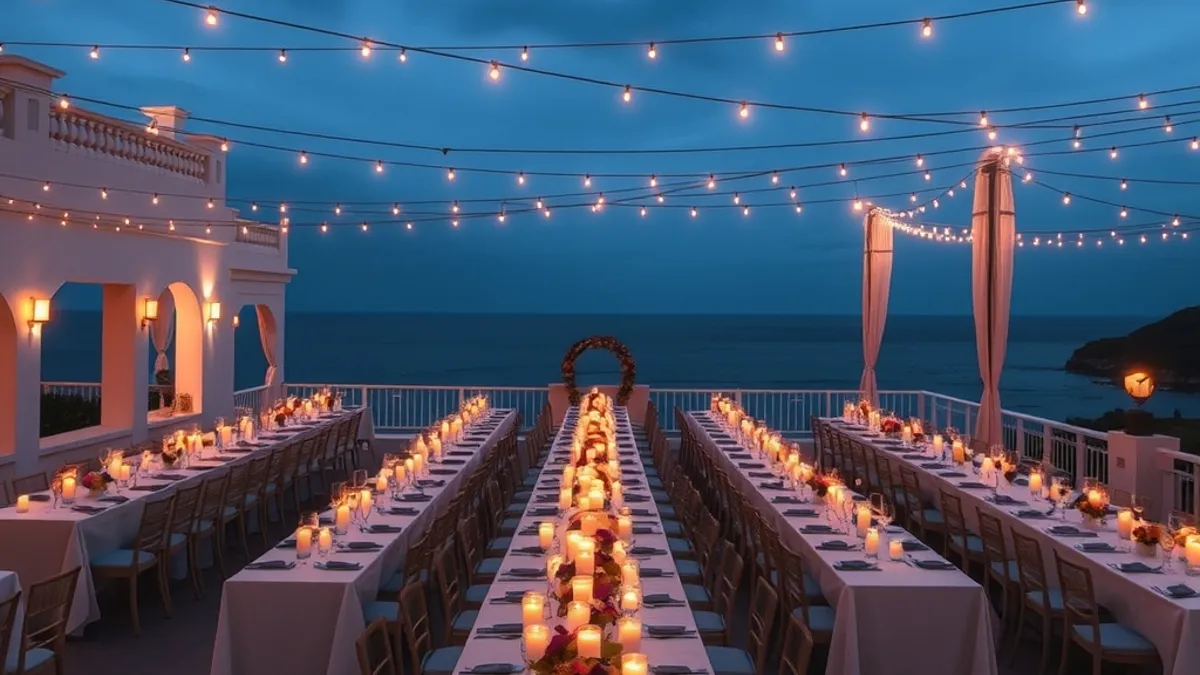
The best destination is the one that matches your guest list, not just your Pinterest board. If many of your guests are older or traveling with young children, prioritize easy flights, short airport transfers and a resort where everything is walkable. A long layover followed by a two-hour drive will drain attendance faster than any price. For a small, elopement-style wedding with only a handful of guests, you can go the opposite way: remote luxury properties that are harder to reach often deliver the most dramatic settings and total privacy.
Time your dates around the weather
Peak wedding season in most tropical destinations is the dry season, roughly November to April. Booking inside that window minimizes rain risk, though it also means higher rates and less availability. If you’re flexible, the shoulder months on either side can offer a good balance of weather and price, but check the destination’s specific rainfall patterns rather than assuming all tropics behave the same.
When comparing resorts, look past the pretty photos. Ask how many wedding venue options each property offers, since a resort with a beach deck, a garden terrace and an overwater platform gives you backups if weather turns. Confirm there’s an experienced on-site wedding coordinator rather than a general events manager, and ask whether non-guests can attend the ceremony. Some resorts restrict events to booked guests only, which matters if you have local friends or family who want to join for the day without staying overnight.
The 12-18 Month Booking Timeline
A resort wedding lives or dies by timing. Popular beachfront venues book out far in advance, especially during the dry season that runs roughly November to April in most tropical destinations, so the earlier you lock in your date, the more leverage and choice you have. Most couples should aim to reserve the resort 12 to 18 months before the wedding date. That window gives you first pick of ceremony venues, room categories and preferred dates, and it leaves enough breathing room to sort out travel details for your guests without panic. Booking late usually means settling for leftover dates, smaller venues and less negotiating power.
- Shortlist and contact resorts. Reach out to two or three properties and ask for their wedding package details, available dates and sample contracts. Compare their responses side by side before narrowing down.
- Book the resort and confirm your date. Once you choose, sign the contract and pay the deposit. Most resorts require 25 to 50 percent at booking, with the balance due closer to the wedding. Ask exactly when the final payment is due and what happens if your guest count changes.
- Set up your room block. Room blocks usually require 20 to 50 room nights spread over 3 to 5 nights. Get the cutoff date for unsold rooms, and find out whether you are liable for nights your guests never book.
- Confirm guest commitments early. Because the room block is the foundation of the whole event, ask your closest family and friends to commit before you send anything formal. A quick message months before save-the-dates can save you from paying for empty rooms.
- Calendar the payment deadlines. Put every deposit, balance and headcount deadline in your calendar the day you sign, since resorts enforce these dates firmly.
Reserve early and the rest of the planning becomes far less stressful. A signed contract secures your venue, your rooms and your date in one move, which is exactly the position you want to be in a year or more out. It also gives your guests maximum time to budget for flights and time off work, which typically means more of them actually show up. If your preferred resort is already booked for your ideal month, ask about shoulder-season dates instead, since those can trim a meaningful share off the total while still delivering great weather in many destinations.
Managing Guests, Vendors and the Wedding Week
Once the resort is booked, your job shifts from planner to logistics coordinator. Guests booking international flights, vendors crossing borders and a multi-day event all need clear information early. The good news is that a resort wedding is actually easier for guests than a traditional one, because everything happens in one place.
Start by getting information out fast. Save-the-dates should go out 8 to 10 months ahead, and they should include more than the date: flight routes, approximate costs, room booking instructions and whether children are welcome. The more your guests know upfront, the fewer reminders you will send later.
Then build your wedding week. A 3 to 5 day schedule works well, typically with a casual welcome event, a rehearsal, the wedding day itself and a relaxed farewell activity like a group breakfast or boat trip. That pacing gives travelers time to adjust and lets you actually talk to everyone.
- Traveling vendors: Photographers and hair and makeup artists are the most common vendors couples bring from home, since style matters most there. Check whether the resort charges an outside-vendor fee and confirm your photographer’s gear can clear customs without issues.
- Local vendors: Florists, musicians and officiants are usually easier and cheaper to book through the resort’s preferred list, because they know the venue, the weather patterns and the setup staff.
- Guest communication: Set up a simple wedding website or group chat for flight updates, shuttle times and daily schedules, so you are not answering the same question thirty times.
Give guests one clear point of contact, keep the schedule loose enough to enjoy it, and the week will run itself far more than you expect.
All-Inclusive vs A La Carte Resorts for Weddings
The biggest structural decision you will make is the type of resort you book, because it shapes both your budget and how much control you keep. All-inclusive resorts bundle rooms, food and drinks into one per-person price, which means the per-guest figure is locked in from the start and rarely changes. For a wedding, that predictability is worth a lot: you can tell each guest exactly what their stay costs, and your reception bar bill cannot spiral out of control because it is already covered.
When all-inclusive makes sense
Larger guest lists are where all-inclusive properties shine. When 40 or more people need rooms, meals and drinks for several days, bundled pricing keeps the math simple and usually costs less than equivalent a la carte arrangements. The trade-off is less flexibility on menu, venues and outside vendors, so read the contract to see what you can and cannot customize.
When a la carte wins
A la carte resorts offer more venue flexibility and customization, but they require separate catering and bar contracts, which means more coordination and more variable pricing. For an intimate wedding of a dozen or so guests who want a private villa, a specific menu and full control over every detail, that extra work is usually the right trade. Just budget carefully, since food and beverage minimums can add up faster than expected.
Match the resort type to your guest count and your personality. If you want simplicity and a firm number, go all-inclusive; if you want creative control and a small, personal celebration, a la carte will suit you better.
Wrapping Up Your Resort Wedding Plan
Planning a resort wedding abroad stops feeling overwhelming once you break it into numbers and steps. A package typically runs $2,000 to $15,000, with per-guest costs of roughly $100 to $250 per day at all-inclusive properties. Book the resort 12 to 18 months ahead and aim for shoulder-season dates to keep the total down, often by 20 to 30 percent versus peak pricing.
The other big decision is style: all-inclusive simplicity or a la carte flexibility. Larger guest lists usually fit the bundled per-person pricing, while intimate weddings often prefer the control of separate contracts. Match that choice to your guest count and budget, and the rest of the planning falls into place. If this helped you map out your own wedding, leave a comment or share the article with another couple starting their planning.