Many travelers pay for restaurant meals they never really wanted, three times a day, without realizing there is a simple alternative. Hotels with kitchens and kitchenettes let you prepare breakfast in your robe, keep snacks and drinks cold, and cook a proper dinner after a long day of sightseeing. For the right kind of trip, that small difference can cut your food budget in half.
But a kitchenette is not for everyone, and booking the wrong room type costs money instead of saving it. This guide explains what actually counts as a kitchen versus a kitchenette, which travelers save the most, and when a standard room is the smarter pick. We also cover how to book these rooms, where they work especially well in Europe, and the bottom line on whether one suits your next trip.
What Counts as a Kitchen vs a Kitchenette
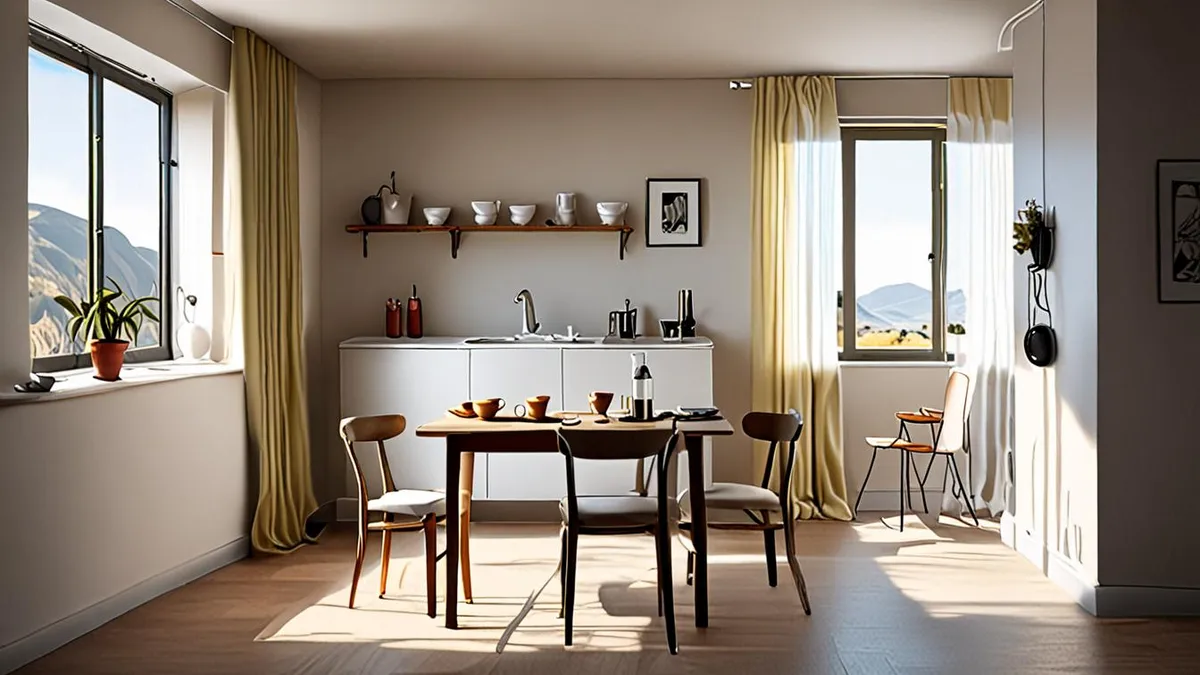
The difference between a kitchen and a kitchenette matters more than most booking sites suggest. A full kitchen includes an oven, a full-size fridge and usually a dishwasher, which means you can realistically cook anything you would at home. A kitchenette is a compact setup: typically a mini fridge, a microwave, a kettle and a two-burner cooktop, with no full oven. That is enough for pasta, omelets, salads and reheated meals, but not for a Sunday roast.
Where to find these rooms
Certain stay types are far more likely to include cooking facilities. Aparthotels, residence hotels and studio suites are the setups to search for first, since cooking equipment is part of their core concept rather than an occasional upgrade. Standard hotel rooms rarely include more than a kettle, if that.
Read the fine print
Here is the trap: some listings use the word “kitchenette” loosely. In practice, that label sometimes means nothing more than a kettle and a mini bar, which will not help you cook a single meal. Always check the room description and the photos before paying. Look for a visible cooktop, a microwave and enough counter space to actually prepare food. If the photos only show a drinks fridge and a coffee setup, treat it as a standard room and keep searching.
Families and Long Stays Who Save the Most
Families are the clearest winners when it comes to rooms with cooking facilities. A standard hotel room typically sleeps two, so a family of four to six often needs two rooms or a pricey family suite. A single kitchenette suite usually sleeps the whole group in one space, which often cuts the accommodation cost per person sharply before you have saved a cent on food.
When the food savings kick in
Trip length is the second half of the equation. Kitchen-equipped rooms suit stays of four nights or more, because that is when cooking starts to pay for the room premium. If you prepare breakfast and one main meal each day instead of eating every meal out, you can commonly save 30-50% on daily food costs. Over a week, that adds up to the price of another night or two.
The weekly rate advantage
There is a third saving that many travelers miss. Apart-hotels often price weekly rates 15-25% lower per night than their standard nightly rate. Book seven nights and you compound all three effects: fewer rooms, cheaper food and a discounted nightly price. For a family on a two-week summer trip, choosing an aparthotel over two standard hotel rooms can easily be the difference between an affordable holiday and an expensive one.
Travelers With Diets, Allergies or Young Kids
For travelers with food allergies, celiac disease or strict diets, a kitchenette removes the biggest source of travel stress: not knowing exactly what is in your meal. When you cook yourself, you control every ingredient, from the oil in the pan to the sauce on the pasta. No more lengthy explanations in a foreign language or quietly skipping meals because nothing on the menu feels safe. Keep in mind that a hotel’s star level says nothing about its kitchen facilities, so it helps to understand how star ratings work before you book and then verify the actual room amenities.
Parents of toddlers have their own reasons to love these rooms. A fridge stocked with milk, yogurt and snacks solves the 7 a.m. hunger crisis, and a kettle means warm bottles without a midnight walk to the lobby. Just as important, a simple dining table turns the room into a calm, predictable meal space for children who are tired and overwhelmed after a day of sightseeing.
A few small details make a kitchenette room work much better for families:
- A high chair or a booster seat, which some aparthotels provide on request but others do not mention at all
- A dishwasher or at least a good drying rack, because washing bottles and plates by hand in a small sink gets old fast
- Separate sleeping areas or a sofa bed, so you can eat dinner after the kids are asleep instead of eating in the dark
- A supermarket or market within walking distance, since a kitchen two kilometers from the nearest shop loses much of its appeal
When a Kitchenette Is Not Worth It
A kitchenette sounds appealing until you do the math for a short trip. Apart-hotels and aparthotels usually price 20-40% above standard rooms of the same star level, and on a 1-2 night city break that premium rarely pays back. You will almost certainly eat out anyway when you have two days to see a city, so the kitchen sits unused while you keep paying for it.
There is also a trade-off in service that catches some travelers by surprise. Most aparthotels run on a leaner model than full-service hotels, which means the perks you might be paying for disappear. If a big breakfast buffet, evening room service or a concierge who books your tours matters to you, a kitchen-equipped room is usually the wrong trade.
Solo travelers on short trips face the worst economics of all. Cooking for one rarely saves much, since groceries come in portions sized for households, and a single traveler ends up wasting food or eating the same meal twice. In many cities, a standard room plus cheap local eateries beats cooking for one on both cost and enjoyment. Before booking, ask yourself honestly:
- Trip length: savings rarely justify the premium on 1-2 night trips, so stick with a standard room unless you stay four nights or more.
- Hotel perks you actually use: if you rely on a daily housekeeping refresh, an on-site restaurant for late arrivals or luggage storage after checkout, check whether the aparthotel offers them before you commit.
- Your eating style: if you love trying street food and local restaurants as the main point of travel, a kitchen adds cost without adding value.
- Luggage and logistics: some aparthotels have limited front desks and set check-in windows, which can be awkward if you arrive late or have an early flight.
How to Book Hotels With Kitchens and Kitchenettes
Booking a room with a kitchen takes a few extra checks compared with a regular hotel stay, but the process is straightforward once you know where to look. The main risks are paying a high-season premium unnecessarily and arriving to find the “kitchen” is really just a kettle and a mini bar. A short sequence of steps keeps both problems away, and none of them take more than a few minutes.
- Filter by room amenities. On booking platforms, search for “kitchen” or “kitchenette” in the room amenities rather than the property description, since only some room types in a building include one. Filtering at room level also surfaces aparthotels and residence hotels you might otherwise scroll past.
- Verify the equipment list before paying. Read the room description line by line and study the photos: a true kitchenette should show a mini fridge, microwave, kettle and two-burner cooktop. If the listing only mentions a kettle and a mini bar, that is a different product entirely, and it will not help you prepare a single meal.
- Time your booking for the season. For summer stays, book 2-3 months ahead, when aparthotel rates often climb 30-60% above November-March prices. Booking early locks in the lower end of that swing and gives you a wider choice of kitchen-equipped room types before families snap them up. Our guide to when to book hotels for the best rates covers the timing details in more depth.
- Compare weekly rates against nightly rates. Multiply the nightly rate by seven and compare it to the quoted weekly price. Many apart-hotels offer a meaningful per-night discount on weekly bookings, but the cheaper rate is not always shown by default, so it pays to ask or check the rate plans manually before committing.
Once the booking is confirmed, send the property a short message listing the equipment you expect, especially if you plan to cook proper meals rather than just reheat snacks. Ask whether basics like pans, cutting boards and dish soap are provided, since some kitchenette rooms supply cookware while others expect you to bring or buy it. This takes two minutes and gives you written confirmation to fall back on if anything is missing at check-in.
Where Kitchenette Rooms Shine in Europe
Europe has no shortage of destinations where a kitchenette room genuinely earns its keep. The best ones share three traits: affordable aparthotels, walkable neighborhoods and easy access to fresh food markets. Get all three and self-catering becomes part of the trip rather than a compromise.
City breaks with market culture
Lisbon and Krakow are two of the strongest examples. Both pair affordable aparthotel stock with compact, walkable old towns where markets and small grocers sit within a few minutes of most accommodation. In Lisbon, you can pick up bread, cheese, olives and pastries in the morning and cook a simple dinner while the city’s restaurant queues form outside. If you are choosing a base, our guide to the best areas to stay in Lisbon for first-time visitors helps you pick a neighborhood close to the markets. Krakow works the same way, with food halls and produce markets feeding the old town’s apartments.
Mountains, lakes and coast
Lake and mountain destinations like Lucerne and Zermatt suit kitchen stays for a simple reason: restaurant prices climb with altitude. A self-catered pasta dinner in a Zermatt apartment leaves far more room in the budget for lift passes than a week of mountain-restaurant meals. Coastal spots such as Sicily and Madeira work best in shoulder season, when kitchen suites stay affordable and markets are still stocked with local produce. In high summer, the same rooms often command peak prices that erode the savings, so timing matters as much as the destination itself.
The Bottom Line on Kitchenette Hotels
So who do kitchenette hotels suit best? Families and groups of 4-6, travelers with dietary needs, and anyone staying 4+ nights, where food savings of 30-50% on daily costs genuinely add up. If that describes your next trip, a room with a cooktop and fridge can quietly cut your food budget in half compared with eating every meal out.
On the other hand, short solo city breaks are usually better served by a standard room and good local restaurants. The right choice comes down to trip length, group size and how much you actually plan to cook. If that matches your next trip, check the room description carefully before booking. Have you stayed in a hotel with a kitchenette, or are you weighing one for an upcoming trip? Share your experience in the comments below.