Lisbon is a city of steep hills and very different neighborhoods, so picking the wrong base can turn a first trip into a daily uphill struggle. The distance between a charming guesthouse and the sights you came for might be short on the map but brutal on your calves, especially when you are dragging a suitcase over cobblestones. That is why choosing among the best areas to stay in Lisbon deserves a little thought before you book.
This guide walks through the districts that matter most for a first visit: the flat, central streets of Baixa and Chiado, the atmospheric hillside lanes of Alfama and Graça, and the contrasting moods of Bairro Alto, Príncipe Real and Avenida da Liberdade. We will also cover how your choice of area affects getting around, the best times to book for fair prices, and how staying centrally makes day trips to Belém, Sintra and Cascais far simpler. By the end, you should know exactly which neighborhood matches your pace and budget.
Why Your Choice of Area Shapes a First Lisbon Trip
Lisbon’s geography is the single biggest factor in how much you will enjoy your stay. The city climbs steeply from the riverside up a series of hills, and many of its most atmospheric streets were built long before anyone thought about suitcases or elevators. An area near a metro or tram stop saves real effort, especially on arrival day when you are hauling luggage up from the airport or train station.
Stay central to save your legs
Central districts like Baixa and Chiado put most first-timer sights within a 20-minute walk. From a base here, you can reach the riverside squares, the elevators and viewpoints, and the older quarters on foot without planning every outing around public transport. That spontaneity is a real luxury on a first visit, when you will likely duck in and out of your hotel several times a day.
Staying too far west or north adds daily transit time to a short 3-4 day visit. Twenty or thirty extra minutes each way might not sound like much, but it adds up to several lost hours over a long weekend. If you only have a few days, a central base lets you spend your time in Lisbon rather than getting to Lisbon.
Baixa and Chiado: The Classic Central Base
Baixa is the sensible heart of Lisbon: a flat grid of streets rebuilt after the 1755 earthquake, running from the riverside square of Praça do Comércio up toward Rossio. For first-time visitors, that flatness is the whole selling point. You can walk everywhere without climbing, and the metro stops along Baixa’s main axis make airport transfers and day trips refreshingly simple. If walkability is your top priority, this is the district to book.
Chiado: cafés and boutique charm just uphill
Chiado sits just uphill from Baixa and adds a different flavor: elegant café culture, bookshops, small theaters and boutique stays in restored townhouses. The climb is short, and you gain some of the city’s most characterful accommodation in exchange. Travelers who like hotels with personality rather than big lobbies often find their favorite options here, much like the hotels you’ll find along Europe’s most famous streets in other capitals.
Prices are reasonable if you time it right. In shoulder season, budget guesthouse rooms in Baixa typically run €50-90 per night, while mid-range hotels in Chiado usually cost €110-200. Book a room near a metro station in either district and you will rarely need a taxi during your stay. Both areas also connect easily to the vintage 28 tram, which links most of the central neighborhoods.
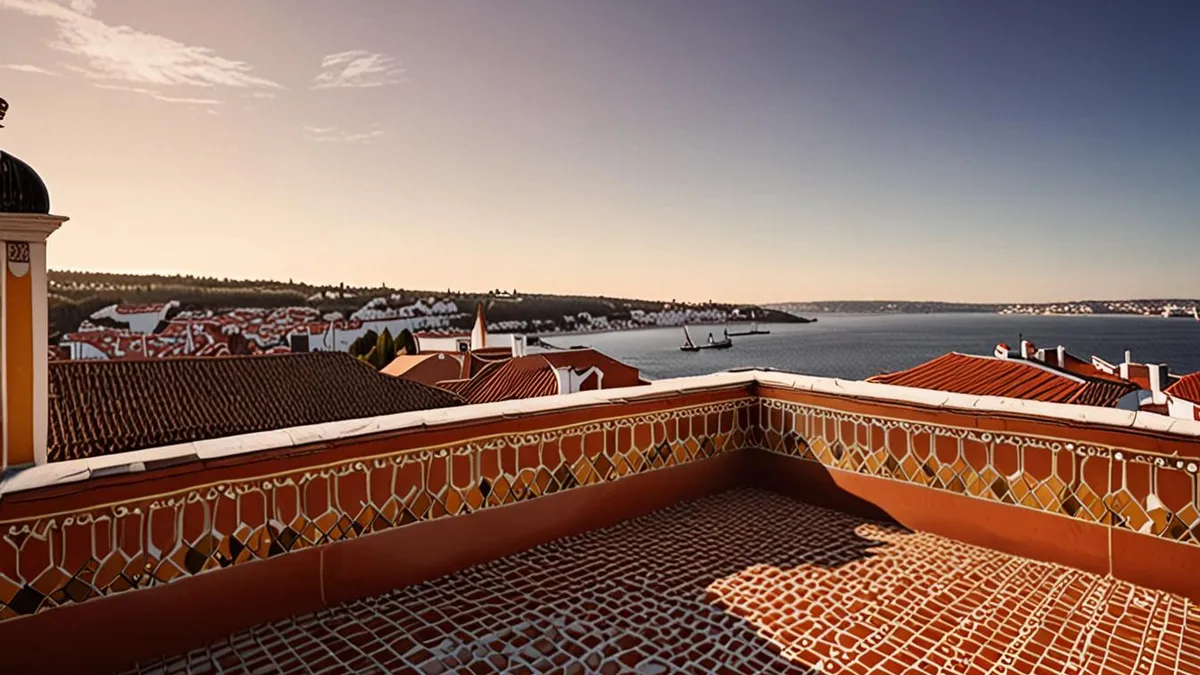
Alfama and Graça: Old Lisbon on the Hillside
Alfama is the Lisbon of postcards: a tangle of narrow lanes, laundry strung between windows, tiled façades and fado drifting out of tiny restaurants at night. It is the most atmospheric setting in the city, but it comes with a catch. From Baixa, it is roughly a 15-20 minute walk uphill, and those lanes are steep and confusing enough that you will want comfortable shoes and a little patience. If atmosphere tops your list and you do not mind stairs, Alfama rewards you daily.
Graça: viewpoints and a local feel
One hill further up, Graça delivers viewpoint terraces with sweeping views over the rooftops and the river, plus a noticeably local feel at lower prices than the center. The neighborhood cafés and small market draw residents rather than tour groups, so mornings here feel like everyday Lisbon rather than a sightseeing circuit. It is a good pick for travelers who want to feel like they live in the city for a few days, as long as they accept that reaching the center means a climb back up at the end of each outing.
The vintage 28 tram links both areas to Baixa, rattling through Alfama’s lanes on its famous loop. It is a delightful ride, but it fills up by mid-morning, so ride early or treat it as transport rather than a sightseeing tour. For getting home after a long day uphill, the walk down to Baixa is far easier than the walk up, which is worth remembering when you plan your evening route.
Bairro Alto, Príncipe Real and Avenida da Liberdade
Bairro Alto is Lisbon’s nightlife district, plain and simple. By day its streets are quiet and slightly shabby; after dark, bars spill onto the cobblestones and the party runs until the early hours. If your idea of a good trip involves hopping between small bars and meeting people, this is your zone. If you value sleep, it isn’t — noise carries late, especially on weekends, so light sleepers should look elsewhere.
One hill over, Príncipe Real feels like a different city. Expect leafy squares, independent concept shops, and a calm, residential mood that appeals to travelers who want a neighborhood rather than a nightlife scene. It’s still walkable to central sights, though the return journey involves an uphill climb, so check how close your hotel sits to the Gloria or Lavra funiculars.
Avenida da Liberdade is Lisbon’s grand boulevard, lined with plane trees, luxury flagships, and the city’s most polished hotels. It’s the pick for travelers who want space, service, and a straight, flat stroll down to Rossio. Most rooms here fall in the €110-200 mid-range band and climb steeply from there, so it suits travelers with a more generous budget.
- Ask about double glazing or courtyard-facing rooms in Bairro Alto. Even then, weekend noise can be significant; many bars stay open past 2 am.
- Príncipe Real has a popular Saturday organic market in its park. It’s a good excuse to see how locals use the neighborhood’s central garden square.
- The metro runs directly under Avenida da Liberdade. Stations along the boulevard give you a fast, flat connection to the airport line and the rest of the network.
- Bairro Alto is largely residential buildings converted into hostels and small guesthouses. Expect simpler rooms and fewer full-service amenities than on the Avenida.
When to Book and What You’ll Pay
Lisbon rewards travelers who time their visit well. The city is pleasant for most of the year, but crowds, temperatures and prices swing noticeably between seasons, and a first-timer’s short trip feels the difference directly. Walking up Alfama’s hills is far more enjoyable at 22°C than at 35°C, and a café table in Chiado feels different when the terrace isn’t packed with tour groups. A little planning on dates and lead time does more for your budget than any other single decision, more than switching districts or settling for a smaller room. The good news is that Lisbon’s seasonal pattern is fairly predictable, so you can plan around it with confidence rather than guesswork.
- Pick the shoulder-season windows first. Aim for April-June or September-October, when daytime temperatures sit around 20-27°C and the crowds are noticeably thinner than in summer. You get comfortable walking weather without the peak-season squeeze, and outdoor terraces and miradouros are at their best.
- Reserve 2-3 months ahead for any stay between May and September. These months overlap with the busiest travel period, and the best-priced rooms in central districts go first. Booking early keeps you in the €50-200 range instead of whatever remains.
- Know what you’re signing up for in July and August. These months bring peak prices and the biggest tour groups, especially in Baixa and Alfama, where narrow streets fill up by late morning. If summer is your only option, book even earlier and expect to pay more.
If your dates are flexible, shifting a trip by just a few weeks — from late June to early June, or from August to late September — often changes both the price and the feel of the city. You keep long daylight hours but lose much of the heat and the queue at every viewpoint. Check current rates on booking platforms before committing, since prices move with demand rather than following a fixed calendar, and a midweek stay can cost noticeably less than the same room on a weekend night.
Day-Trip Logistics: Belém and Beyond
One of Lisbon’s quiet advantages is how much you can see without renting a car. Belém, the city’s most famous half-day destination, sits about 6 km west of the center. Its monastery, tower and riverside walks are reachable in roughly 15-20 minutes by tram or suburban train, so you can go in the morning, spend the day by the water and be back for dinner.
Why your base matters for day trips
Staying in Baixa or Chiado keeps everything within easy reach: the Belém tram and train connections, the Sintra line, and the airport. From a central base, you can decide over breakfast whether today is a museum day or a palace-hunting day, without planning your morning around a long cross-city commute. That flexibility is worth a lot when your time in the city is limited.
For trips beyond Belém, two stations do most of the work. Rossio is the departure point for trains to Sintra, the fairy-tale hill town most first-time visitors want to see. Cais do Sodré, near the riverside, handles the line to Cascais, a relaxed coastal town with beaches and a pleasant seaside promenade. Both stations sit within easy walking distance of the central districts, which is one more reason a Baixa or Chiado base pays off.
Trains to Sintra and Cascais run frequently through the day, so you don’t need to book ahead or stick to a strict schedule — just turn up, buy a ticket and check the departure board. Verify current timetables before your trip, as schedules can change with the season.
Finding Your Perfect Lisbon Base
Lisbon rewards travelers who match their base to the city’s geography. Those steep hills are real, and choosing a district far from a metro or tram stop can turn a short break into a daily workout with luggage in hand. Baixa and Chiado remain the easiest first-timer bases, putting the main sights within a short walk and keeping day-trip connections close. Alfama and Graça trade some of that convenience for atmosphere, viewpoints, and a more local feel on the hillside.
Timing matters as much as location. Shoulder-season dates and 2-3 months of lead time keep prices in the €50-200 range, while July and August bring peak crowds and the highest rates. In the end, matching the district to your pace, whether that means nightlife, calm, or classic sightseeing, matters more than any single ranking. If this helped you plan your stay, leave a comment or share the article with a fellow traveler.