Glamping in Croatia can be a brilliant experience or a frustrating one, and the difference usually comes down to timing. The Adriatic coast and the inland regions are two very different worlds: one offers warm seas and busy beach towns, the other cool forests and national parks. Pick the wrong month and you could arrive to packed coastal sites, 30°C+ heat, or a closed tent with nobody around to check you in.
This guide breaks down the best seasons for both zones. We’ll look at when coastal sites in Istria and Dalmatia shine, when inland domes near Plitvice and Gorski Kotar are at their best, what you can expect to pay in each region, how to choose and book your site, and what to pack for the season you pick. By the end, you’ll know exactly which month matches your priorities, whether that’s swimming, hiking or quiet nights under canvas.
Why Timing Matters for Glamping in Croatia
Croatia effectively splits into two glamping zones, and they behave very differently through the year. The first is the Adriatic coast, covering Istria in the north and Dalmatia in the south, where Mediterranean weather keeps sites busy from spring to autumn. The second is the cooler inland belt around Plitvice Lakes, Gorski Kotar and the Zagreb hinterland, where forests, rivers and mountains create a completely different glamping setting.
Two zones, two calendars
Coastal sites generally run from May to early October, with July and August as the peak. From late October to April, many coastal glamping sites close entirely or go quiet, with reduced facilities and minimal staff. If you dream of waking up to sea views, you’ll want to plan within that coastal window.
Inland is more flexible. Some inland domes operate year-round, and winter stays in the mountains can be surprisingly cozy if you book the right setup. The trade-off is weather: Gorski Kotar winters are genuinely cold, while Plitvice in deep winter is beautiful but chilly.
Why the wrong month ruins the trip
Choosing the wrong season cuts both ways. Visit the coast in August without a reservation and you’ll face peak crowds, near-full occupancy and the year’s highest prices. Head inland in the wrong month and you risk cold, wet nights in a tent that wasn’t built for it. Matching your region to the right month is the single most important decision you’ll make.
Coastal Glamping Seasons: Istria and Dalmatia
The coastal glamping season in Istria and Dalmatia runs roughly from May to early October, but the sweet spots are May, June and September. In these shoulder months the sea sits at a comfortable 18-24°C, warm enough for proper swimming, and the crowds are far thinner than at peak. You can swim in the morning, explore a coastal town in the afternoon and still find a quiet spot on the beach.
July and August are a different story. Days regularly push past 30°C, sites in Istria fill to near-full occupancy, and prices hit their yearly high. If the peak is the only time you can travel, book 3-6 months ahead to secure a good pitch at a tolerable rate. Early October suits travelers chasing empty beaches and mild days, though some sites begin winding down, so confirm your chosen site is still fully operating before you commit.
A few practical notes for planning a coastal trip:
- Sea temperature peaks late in the season. The Adriatic is usually warmest in August and early September, so September swimmers often get the best combination of warm water and quiet beaches.
- Istria and Dalmatia feel different. Istria’s sites cluster near rolling coastline and hill towns, while Dalmatia offers easier access to islands and ferry ports, which matters if island day trips are on your list.
- Shoulder-month availability is forgiving. Unlike the peak, you can often book May, June, September or early October stays much closer to your travel date.
- Compare with other Mediterranean seasons. If you’re weighing several destinations, our guide to when to go glamping in Portugal and its best seasons shows how shoulder-season logic applies across southern Europe.
Inland Glamping Seasons: Plitvice, Gorski Kotar and the Zagreb Hinterland
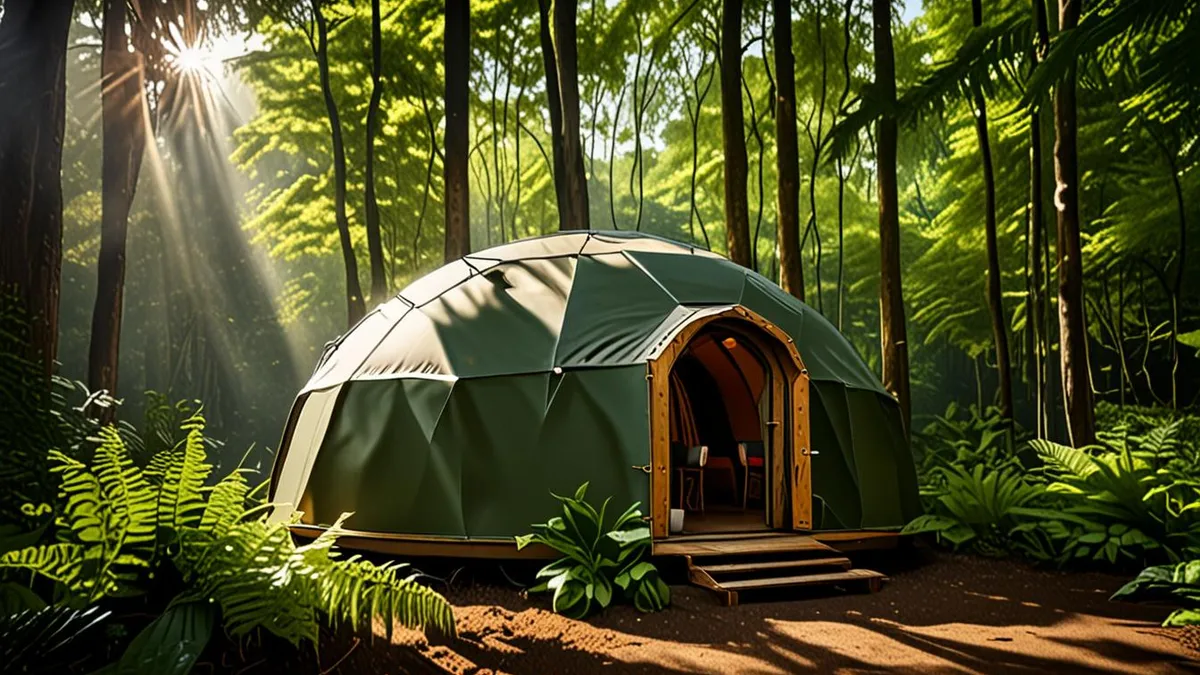
Inland Croatia rewards travelers who time it right. The best windows are May-June and September, when daytime temperatures sit around 20-25°C, the landscapes are lush and green, and the crowds at Plitvice Lakes and other national parks are noticeably thinner than in summer. These months give you comfortable hiking weather, rivers running strong and forests at their most photogenic.
Winter inland: cozy or cold?
Gorski Kotar, the mountainous belt between Zagreb and the coast, sees winters that can drop below freezing. That can be magical, snow-covered forests and steaming hot drinks in a heated dome, but only if your accommodation is built for it. Before booking any off-season inland stay, confirm the dome or cabin has proper heating and insulation. Some sites operate year-round with well-equipped winter units; others are fair-weather operations that close or scale back. Ask directly rather than assume.
The price advantage
Inland stays typically cost 20-30% less than coastal peak-season tents, which makes them an easy way to stretch a glamping budget. You also get quieter surroundings year-round: while August crowds push Istrian coastal sites to near-full occupancy, inland sites stay calmer even in midsummer. If your priorities are forests, rivers and national parks rather than beaches, the inland zone delivers more value and more breathing room.
For a comparison with another mountain region, our guide to glamping in Patagonia and where to stay covers similar questions about cold-season comfort and remote-site logistics.
What Coastal and Inland Stays Cost
Glamping in Croatia costs noticeably more on the coast than inland, and the biggest driver is the calendar. Peak-season coastal safari tents typically run €150-300 per night, while shoulder-season dates in May, June, September and early October drop to €90-180. Inland domes and cabins generally sit at the lower end of these ranges, making the Plitvice area and Gorski Kotar the budget-friendlier side of the country. If your dates are flexible, shifting a coastal trip from August to June or September can cut the nightly rate by a third or more while still delivering warm swimming weather.
If you’re comparing a canvas lodge against a simple campsite pitch, it helps to understand what you’re actually paying for — this guide to glamping versus camping costs and comfort breaks down the difference clearly.
- Sea-view premiums: pitches and tents with an unobstructed sea view often carry a surcharge of several dozen euros per night over garden-view units in the same resort.
- Family-size tents: larger two- and three-bedroom safari tents in July and August can push toward the top of the peak range or beyond, while the same unit in September may cost roughly half as much.
- Minimum-stay rules: some coastal resorts require three- to seven-night minimums during peak weeks, which effectively raises the total cost of a short trip even if the nightly rate looks reasonable.
- Weekend vs midweek: inland domes near Plitvice often price Friday and Saturday nights higher than midweek, so shifting your stay to Tuesday-Thursday can trim the bill.
- What’s included: many Croatian glamping rates bundle bedding, towels, cleaning and sometimes breakfast or kayak use — compare inclusions, not just headline prices, before booking.
A few practical habits will save you money. Ask about early-bird rates when booking several months out, and check whether cleaning fees or tourist taxes are added on top of the quoted nightly price — these extras can add a meaningful amount to a week-long stay. Also ask about deposit and cancellation terms before committing, since peak-season bookings often require larger deposits and stricter cancellation windows than shoulder-season ones.
Always check current rates directly with the operator, since prices shift from year to year and early-bird deals can soften the peak-season sting.
How to Choose and Book Your Croatian Glamping Site
Croatia gives you two very different glamping experiences, and picking between them shapes everything else — the month you travel, what you pack, how much you’ll pay and how far ahead you need to reserve. The coast around Istria and Dalmatia and the inland regions near Plitvice, Gorski Kotar and Zagreb rarely suit the same itinerary, so it pays to work through the decision in order rather than falling for a pretty tent photo first. The five steps below take you from broad choice to confirmed booking.
- Choose your region first. If your trip is about beaches, swimming and island hopping, aim for Istria or Dalmatia. If you want forests, rivers and national parks, look at Plitvice, Gorski Kotar or the Zagreb hinterland instead.
- Match the month to the region. The coast suits May through early October, while inland stays work best in May-June and September, when daytime temperatures sit around 20-25°C. A coastal tent in April may sit on a quiet, half-closed resort; a mountain dome in winter needs serious heating.
- Check climate control. Coastal summers can hit the low 30s, so confirm air conditioning for July and August bookings. For off-season inland trips, ask specifically about heating and whether the dome or cabin is insulated for cold nights.
- Confirm the facilities. Tent-style stays range from units with private bathrooms to setups sharing a facilities block. If a private bathroom matters to you, verify it before you pay, not on arrival.
- Book to match demand. August pushes Istrian coastal sites to near-full occupancy, so reserve peak coastal dates as early as your operator allows. Shoulder-season coastal trips and most inland stays can usually be booked 1-2 months out, though early booking still gives you the pick of sea-view pitches.
Once you’ve locked in region and dates, read recent guest reviews for the specific unit type you’re booking, not just the resort overall. A sea-view safari tent and a standard pitch can offer very different experiences on the same property, especially in July and August when sites run at capacity. If anything is unclear — cooling, heating, bathroom arrangements or cancellation terms — email the site directly before paying. A short message now saves a disappointing arrival later, and operators used to international guests typically reply quickly in peak planning season.
What to Pack for Croatia’s Seasons
Packing for a Croatian glamping trip depends heavily on whether you’re sleeping meters from the Adriatic or in a forest dome near Gorski Kotar. Summer coastal nights stay warm but can turn breezy, while inland springs and autumns bring genuinely chilly evenings even after pleasant days. Rather than packing for every possibility, build your bag around your region and your month of travel. A little planning here makes the difference between a relaxed stay and a frustrating one.
For summer coastal stays, think beach kit with a windproof layer on top. For inland trips in late spring or early autumn, think hiking gear with warm sleepwear. A few items earn their place in both scenarios, especially in summer when mosquitoes are active near water and along the coast.
- Reef-safe sunscreen: choose a high-SPF, coral-friendly formula if you plan to swim off rocks or pebble beaches, and reapply after every swim since sea water strips it fast.
- A windbreaker for the bura: this cold, gusty wind can sweep down the Adriatic coast in the evening or overnight, turning a warm July night into something you’ll want a layer for.
- Broken-in walking shoes: inland trails around Plitvice and Gorski Kotar are often damp, rooty or gravelly, so skip brand-new sneakers and bring footwear with real grip.
- Warm sleepwear and a waterproof jacket: inland nights in the shoulder seasons can feel several degrees cooler than the day, and spring and autumn showers are common in the hills.
- Mosquito repellent and a reusable water bottle: both matter most in summer — repellent for evenings near lakes, rivers and the coast, and a bottle since tap water is safe to drink across Croatia.
- A headlamp or small torch: glamping sites are deliberately low-lit at night, and the walk from your tent to the bathroom block can be genuinely dark.
Leave room in your bag for a quick-dry towel if your site doesn’t provide beach towels, and a dry bag or zip pouch for phones and passports on boat or beach days. Finally, check whether your tent or dome includes bedding and kitchenware before you go — most do, but a quick email to your host saves guesswork and luggage space.
Wrapping Up Your Croatian Glamping Trip
So, when should you go glamping in Croatia? It comes down to matching the region to the month. The coast shines in May, June and September, when the sea sits at a comfortable 18-24°C and sites are far quieter than in peak summer. Inland, late spring and early autumn bring mild days around 20-25°C, ideal for exploring national parks without the crowds.
Budget between €90-300 per night depending on season and region, and if your heart is set on the coast in July or August, book 3-6 months ahead. Above all, let your priorities lead the way: beaches and islands point to Istria and Dalmatia, while forests, rivers and quieter nights belong inland. Wherever you land, the right month makes all the difference. Have a favorite Croatian glamping spot or season? Share it in the comments or pass this article along to a fellow traveler.