Glamping on the Great Ocean Road sounds simple until you actually try to plan it. The road itself is only about 240 km long, running between Torquay and Allansford, yet glamping sites are scattered along its entire length, and the seasons vary sharply from one end of the year to the other. Do you book near the surf beaches, the rainforest, or the Twelve Apostles? And is summer really the best time, or just the busiest?
This guide sorts it out for you. We’ll walk through the best base areas, including Torquay, Lorne, Apollo Bay, the Otways and Port Campbell, then break down what each season actually feels like on the coast. You’ll also find typical costs, a comparison of stay types from tents to domes and cabins, plus booking tips and sample itineraries. By the end, you’ll know exactly where to pitch up and when to go.
Why Glamping on the Great Ocean Road Is Different
The Great Ocean Road is not one destination but a chain of very different ones. Over roughly 240 km between Torquay and Allansford, the route shifts from open surf beaches to dense rainforest to sheer limestone cliffs. A glamping site near Torquay feels nothing like one tucked into the Otways, so the stay you pick should match the stretch of coast you plan to explore.
Coast vs. forest: two very different sites
Coastal sites deliver the views and the salt air, but they also expose you to the elements. Wind is a constant along the clifftops and headlands, and salt spray can make canvas and zips stiffen overnight. Sites in the Otways trade ocean panoramas for shelter: the tall forest blocks the wind, holds warmth at night, and often feels several degrees calmer than the shore.
Neither option is better across the board. If waking up to surf sound matters most, stay coastal and pack layers. If you want quiet evenings and a snug tent, head inland.
Why one base rarely works
Distances along the road are bigger than they look on a map. The Twelve Apostles near Port Campbell sit roughly 2-3 hours’ drive from Torquay, so basing yourself in one spot and day-tripping the whole route means a lot of windshield time. Most glampers get more out of two shorter stays than one long, central one.
Best Areas to Stay Along the Route
Where you base yourself shapes your whole trip. The route splits naturally into three or four clusters, and each one suits a different kind of traveler. The good news is that glamping options exist in every zone, from beachside safari tents to forest domes tucked under tree ferns.
Torquay and Anglesea are the practical choice if surfing is your priority. They sit closest to Melbourne, so you can arrive, drop your bags and be on the water the same day. Lorne and Apollo Bay offer the best of both worlds: swimming beaches out front and rainforest glamping sites in the Otways just inland. If the Twelve Apostles are your main goal, Port Campbell and Peterborough put you within a short morning drive of the lookouts. Inland Otways sites trade ocean views for shelter, warmth and, in many cases, lower nightly rates.
A quick way to compare the zones:
- Torquay and Anglesea: best for surf lessons and beach days, with the shortest drive from Melbourne when you are short on time.
- Lorne: a good middle point if you want restaurants and a lively holiday-town feel within walking distance of your tent.
- Apollo Bay: the strongest all-rounder, combining a working harbor town with easy access to Otways walks and waterfalls.
- Port Campbell and Peterborough: ideal for sunrise and sunset trips to the Apostles, when the light is best and day-trippers have not arrived yet.
- Inland Otways: sheltered from coastal wind, warmer at night, and often the most affordable glamping in the region.
Before you commit to a forest base, it helps to think about how proximity to protected land affects your stay. Our guide on choosing a base near national parks walks through what to check, from park access to wildlife noise. If you cannot decide, remember that Torquay to the Twelve Apostles is roughly a 2-3 hour drive, so splitting your nights between two areas usually beats trying to see everything from one site.
When to Go: Seasons on the Great Ocean Road
Timing shapes almost everything about a glamping trip along this coast. Summer runs from December to February, and it delivers the best weather of the year: daytime temperatures usually sit between 20-25°C, perfect for beach days and long coastal walks. That comes at a price, though. Campsites and glamping sites fill quickly, and rates climb to their highest levels of the year.
If you would rather trade some warmth for space and value, aim for the shoulder seasons. March to May brings autumn color to the Otways and milder, stable weather, while September to November offers fresh spring conditions with wildflowers along the clifftops. Visitor numbers drop noticeably in both windows, so you will find better availability at the most sought-after sites, often without planning half a year ahead.
Winter on the coast: cooler, quieter, and full of whales
June to August is the coolest and wettest stretch, with rain and strong winds rolling in off the Southern Ocean. Do not write it off, though: this is prime whale watching season. Southern right whales and humpbacks pass along the coast between May and September, and winter glamping in a well-insulated dome with a heater can feel genuinely cozy. If you have glamped in cooler regions before, say the Pyrenees, you will know how much the right season shapes the experience; the same logic applies here.
Dates to dodge
Long weekends in January are the busiest stretch of the year, as locals escape Melbourne for the coast and every site between Torquay and Port Campbell fills up. If peace and quiet matter to you, skip those dates entirely. If you must travel then, lock in your booking 3-6 months ahead, because the best dome and safari tent sites disappear first. Always check current conditions and site opening details before you commit, as coastal weather and access can shift season to season.
What Glamping Costs on the Great Ocean Road
Glamping along the Great Ocean Road typically costs between AUD 150 and AUD 400 per night. Where your stay falls in that range depends on three things: the type of accommodation, the season and how close you are to the coast.
Coastal sites are the premium option. Domes and safari tents with ocean views near towns like Lorne or Apollo Bay command top rates in summer, when demand peaks and virtually every well-located site fills up. Expect the top of the price range for these bookings, especially for weekends.
Shoulder-season midweek stays are where the value sits. Outside the summer rush, many sites drop to the AUD 150-250 mark, and you often get the same tent or dome for a fraction of the peak price. If your dates are flexible, a Tuesday-to-Thursday trip in the shoulder months can slash your accommodation budget nearly in half.
Don’t Forget the Driving Costs
Most glamping sites sit 30-90 minutes from the nearest major town, so factor in car hire or fuel when you budget. A remote forest dome might look cheap per night, but a few days of driving to stock up on groceries and reach attractions adds up. If you’re flying into Melbourne, include the rental car in your total trip cost rather than treating it as a separate expense.
For a fuller picture of how different stay types compare on price, this glamping cost breakdown by stay type is a useful reference before you book.
Choosing Your Stay Type: Tents, Domes and Cabins
The stay type you pick matters as much as the location. Safari tents are the classic choice for beachside sites around Torquay and Lorne, and for good reason: their canvas and sturdy frames handle coastal wind well, so you get ocean breezes without the flapping and rattling you might expect. They feel airy in summer, which suits the warm months along the surf coast.
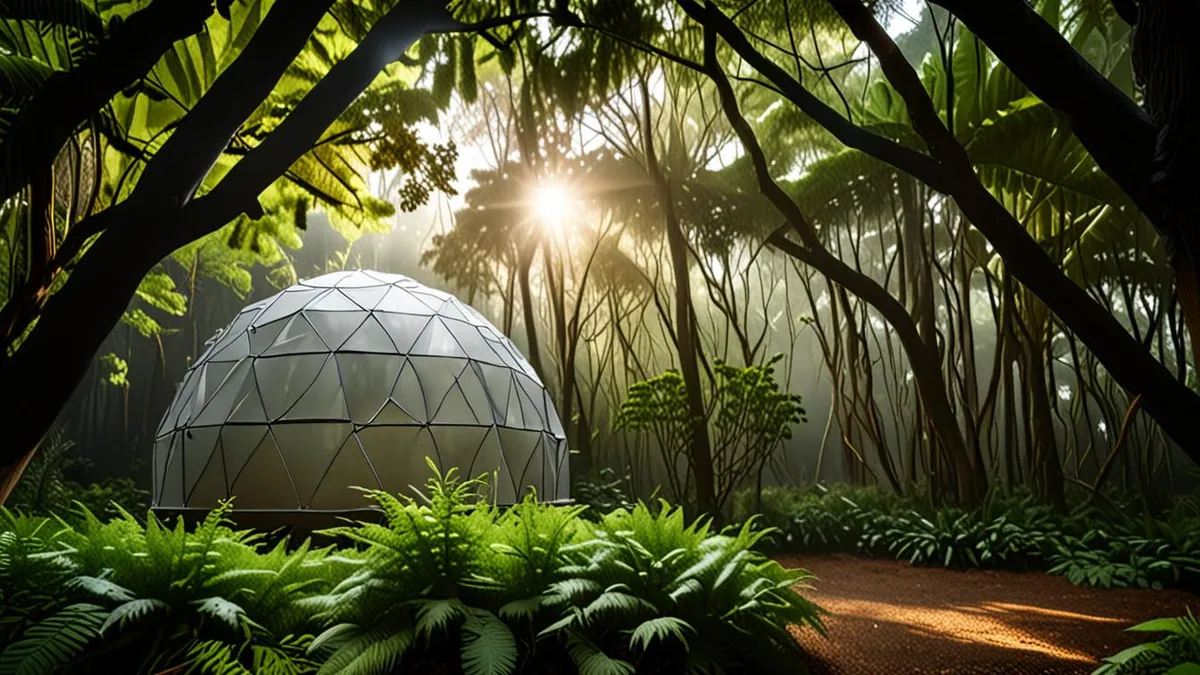
Geodesic domes are the better pick once you head into the Otways or travel in the cooler months. Their curved, insulated shell holds warmth far better than canvas, which makes them comfortable on chilly forest nights and on winter trips timed for whale watching along the coast. Many domes also have clear panels, so you can lie in bed and watch the weather roll over the treetops.
Amenities vary widely between sites, so check the details before you book. Some tents and domes come with a proper en-suite bathroom and a small kitchen, while others share facilities or have nothing more than a fire pit. Heating is especially worth confirming if you are traveling outside the warm December-February window, since a beautiful dome can still feel cold without it.
Group size should also shape your choice. Couples are well served by smaller domes, which are often the most romantic setups on the route. Families need more space, so look for multi-room safari tents or sites that offer extra bedding rather than squeezing everyone into one sleeping area.
- Ask about power and lighting: some remote Otways sites run on solar or gas only, which affects charging phones and using a kettle.
- Confirm bedding quality: real beds with proper mattresses are common but not universal; a few budget tents still use air beds.
- Check deck and outdoor space: a private deck with seating makes a big difference on coastal sites where you want to sit outside sheltered from the wind.
- Look at pet and child policies: they differ between operators, and some family-oriented sites have play areas while couples-only retreats keep things quiet.
Booking Tips and Sample Itineraries
When to book
Glamping sites along the Great Ocean Road are small, and summer dates go fast. If you want a December or January stay, book 3-6 months ahead, especially for weekends. Shoulder-season trips are easier: 4-8 weeks out is usually enough, and midweek dates often appear closer to the time. If you have your heart set on a specific dome or safari tent, book early regardless of season.
Before you pay, read the cancellation terms carefully. Coastal weather can change quickly, and a stormy weekend is not unusual, particularly outside summer. Look for policies that allow date changes or credit rather than full forfeiture, and check whether your travel insurance covers weather-related disruptions.
A sample 3-night plan
Three nights works well for a first trip. Spend night one near Torquay, where you can walk the surf beaches and settle into holiday mode. Then drive west and base yourself for two nights near Apollo Bay or Port Campbell. From Apollo Bay, you get easy access to the Otways rainforest; from Port Campbell, you are minutes from the limestone coast. Splitting your stay this way breaks up the driving and lets you enjoy the evenings instead of rushing back to a distant bed.
Time your Twelve Apostles visit for early morning or late afternoon. Tour buses typically arrive midday, so a sunrise or golden-hour visit gives you quieter boardwalks and far better light for photos. Arrive before the mid-morning rush, allow an hour or so at the site, and check current park details before you go.
Wrapping Up Your Great Ocean Road Glamping Plan
The Great Ocean Road stretches only about 240 km, but with glamping sites scattered from surf towns to rainforest, picking a base and a season can feel harder than the drive itself. The simplest fix is to choose your base first: Torquay for surf, Apollo Bay for rainforest, or Port Campbell for sunrise at the Twelve Apostles.
Then match the rest to it. Aim for December to February if warmth matters most, or the shoulder months for value and quiet, and budget AUD 150-400 per night. Book summer dates 3-6 months ahead, and match your stay type to the season — a dome for cool Otways nights, a safari tent for the coast. Do that, and you will get the best of this 240 km coastal route. If this helped you plan, leave a comment or share the article.