Finding a place to stay in Menorca sounds simple until you realize the island’s quietest spots shift with the calendar. A villa area that feels blissfully calm in May can be packed by August, while a breezy north-coast bay that seems exposed in spring turns out to be the smartest pick for a late-summer escape. Menorca changes character dramatically between May and October, and knowing which areas hold their peace in which months makes all the difference.
This guide walks through how the seasons reshape the quiet-villa picture, then compares the south coast’s calm coves, the north coast’s breezy bays, and the inland countryside that stays silent year-round. You’ll also find a simple season-to-area matching guide, plus practical advice on booking timelines and how to vet a villa listing before you pay a deposit. By the end, you should know exactly where to base yourself for the dates you have in mind.
How Menorca’s Seasons Change the Quiet-Villa Picture
Menorca’s quiet-villa equation is almost entirely a question of timing. Late June to early September is peak season, when crowds concentrate around the beaches and the island’s most popular coves fill up fast. August is the busiest and priciest month of all, with villa rates typically running 40-60% above what the same properties charge in May or October. If your dates fall in this window, the area you choose matters far more than it does in spring.
The shoulder seasons are where Menorca shows its best side. May-June and September-October combine sea temperatures of 20-24°C with noticeably lighter traffic and much shorter restaurant queues. Roads that crawl in August flow freely, and you can often walk onto a beach that would be wall-to-wall towels a few weeks earlier. For many travelers, this is the sweet spot: warm enough for long swims, calm enough to feel like a genuine escape.
Winter: quiet, with some trade-offs
November to April suits travelers planning long, genuinely quiet stays. The island empties out almost completely, and you can have entire stretches of coastline to yourself on a mild afternoon. The catch is supply: many seasonal villas close for the winter, and pools are often unheated, so verify exactly what’s operational before committing. If you’re flexible on dates and want solitude above all, though, this is the season that delivers it most reliably.
South Coast Villa Areas: Calm Coves for Summer Stays
Menorca’s south coast is where the island keeps its calmest, sandiest coves, and it’s the natural first stop for villa hunters. The villages of Binibeca and Sant Lluís anchor this stretch, offering sheltered sandy coves and whitewashed villa zones that manage to stay relaxed even in July. Binibeca’s famous whitewashed lanes and its gently shelving beach give the area a laid-back feel that holds up remarkably well through peak summer, especially compared with busier resort towns elsewhere in the Mediterranean.
If you’re comparing islands, it’s worth reading our guide to the best villa areas and seasons in Mallorca, since the two Balearic neighbors reward different timing strategies.
Longer beaches and family villas
Further along the coast, Punta Prima and Son Bou offer longer stretches of sand and a heavier concentration of family villas. They’re livelier in August, when the big beaches draw crowds, but at either end of the season they settle back into a genuinely quiet rhythm. If you want space for children to run and easy beach access from the villa, these two areas deliver without the intensity of a full resort town.
One practical bonus: the south-coast villa areas sit roughly 20-30 minutes from Mahón airport, making transfers refreshingly simple. With Menorca only around 50 km long, no villa area is truly remote, but the south coast’s short, easy transfer is a real advantage when you’re arriving with tired children or a car full of beach gear.
North Coast Villa Areas: Breezy Bays Outside Peak Weeks
The north coast plays a different game. It’s breezier than the south, which shapes both the beaches and the villa experience, and it rewards travelers who time their stay well. For water-sports lovers, Fornells is the obvious draw: its wide, calm bay is one of the best spots on the island for sailing and windsurfing. The trade-off is the village itself, which has a lively center in summer, with waterfront restaurants doing brisk business through the evening. You get atmosphere and activity rather than total hush.
Golf, horseshoe bays, and quieter peak weeks
Arenal d’en Castell and Son Parc offer a different flavor of north-coast stay. Both have well-established villa clusters, with Son Parc sitting alongside the island’s golf course and Arenal d’en Castell curving around a big horseshoe bay. In peak weeks these areas tend to be quieter than their south-coast equivalents, simply because they draw fewer of the August crowds that flock to the famous southern coves. If your dates are locked into late July or August and you still want breathing room, this is where to look first.
The north-coast wind, which can feel brisk in spring, becomes a genuine asset in summer. It makes June and September especially comfortable months for a villa stay here: warm enough for the beach, but with a steady breeze that takes the edge off the midday heat. For travelers who find the still, heavy air of southern coves oppressive in summer, the north coast’s airflow is exactly what makes a villa week here feel easy.
Countryside and Inland Villas: The Quietest Option Year-Round
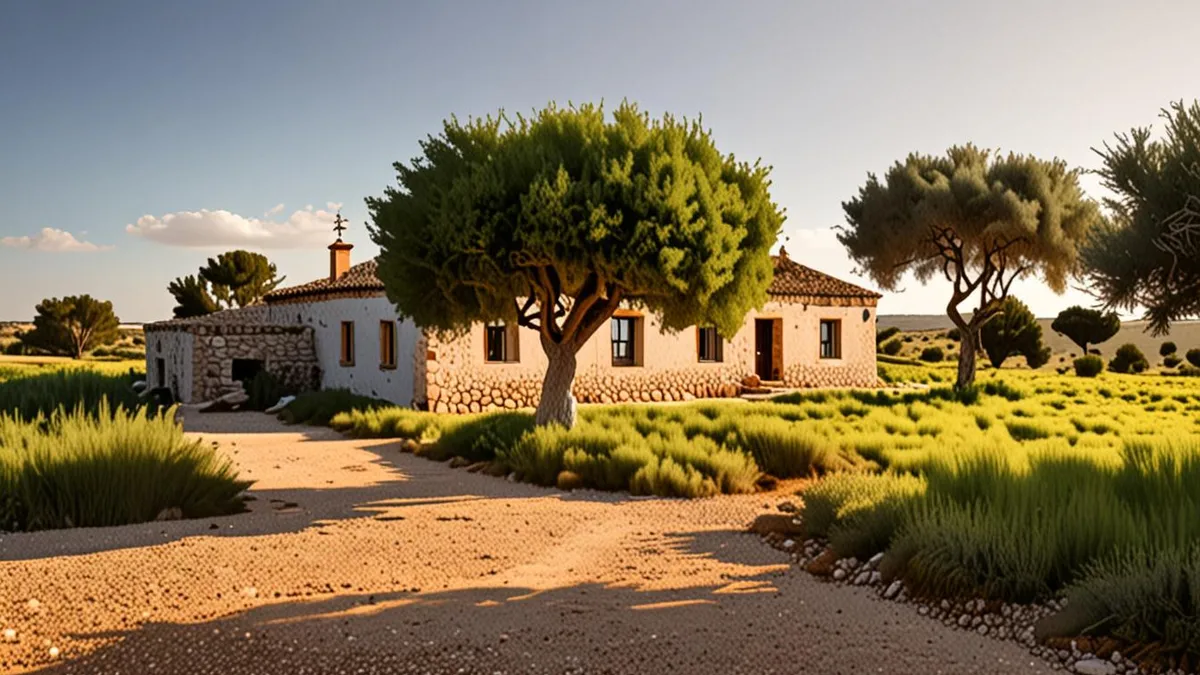
If your priority is silence above all else, head inland. Villages like Es Migjorn Gran and Alaior offer finca-style villas set among fields and low stone walls, where the loudest sound on a typical evening is the wind moving through olive and almond trees. Because these properties sit on larger plots, total privacy is realistic in every season, not just in the quieter months.
What You Trade for the Quiet
The main compromise is distance. Inland stays usually mean a 10-20 minute drive to the nearest beach, so plan on driving to coves rather than walking to them. In return, you get genuine stillness, dark night skies with visible stars, and a sense of rural Menorca that beach resorts simply cannot offer. Roads are well maintained, and the island is small enough that nothing feels remote.
Restored farmhouses are the standout option here, especially for groups and long stays. They typically offer generous living space, several bedrooms, and large private pools that are rarely overlooked by neighbors. If you are considering a month or more on the island, it pays to read up on monthly villa rates and what you can negotiate before committing, since long-stay terms often differ from weekly bookings.
Matching Season to Area: A Simple Choosing Guide
The right villa area depends heavily on when you travel. The same property that feels peaceful in May can feel crowded in August, and a summer-perfect beach zone can seem half-shuttered in winter. Matching the season to the area is the single most effective way to get both quiet and value from your booking.
For July and August, the smart move is to avoid the most popular south-coast beach zones, where peak-beach crowds concentrate and summer pricing climbs to its highest. An inland finca or a north-coast base gives you a double benefit: fewer people around you and a gentler bill at the end of it. The breeze on that side of the island also takes the edge off the hottest afternoons.
For the shoulder months, south-coast cove areas hit the sweet spot. The sea is already warm enough for proper swimming, the roads are calmer, and the whitewashed villa zones feel relaxed rather than busy. You get the postcard Menorca experience without the peak-season squeeze.
Winter works differently. With many seasonal coastal properties closed, the practical choice is the outskirts of Mahón or the island’s interior, where year-round villas, shops and services keep running. Menorca is roughly 50 km long, so even an inland base leaves most of the island within an easy day trip.
- July-August: Choose an inland finca around Alaior or a north-coast villa cluster; you escape both the peak-beach crowds and the steepest summer pricing.
- Shoulder months: Base yourself near Binibeca or the Sant Lluís coves so you can walk to a sandy bay in the morning and still enjoy short restaurant queues in the evening.
- Winter long stays: Focus on Mahón’s outskirts and inland villages, where services stay open all year and you can settle in for a genuinely quiet month or more.
Booking Timeline and Vetting for Menorca Villas
Menorca’s best villas, especially the quiet inland fincas and large south-coast properties, get reserved early, and the most appealing ones rarely sit empty for long. A clear timeline and a careful vetting process will save you both money and stress, whether you are booking for summer or for a winter long stay. The good news is that villa booking is straightforward once you know when to search and what to check. Most problems come from rushing: paying a deposit before reading the terms, or assuming a feature is included without asking. Treat the process like a short project, with a few emails and a document review, and you will avoid the pitfalls that catch out first-time renters.
- Book peak season early. For stays in late June through early September, reserve 6-9 months ahead. The most private, best-located villas are usually the first to go, and last-minute options shrink fast. This matters even more if you need specific features, such as a fenced pool for young children, several bedrooms, or space for two families traveling together. Waiting until spring for a July date usually means choosing from what is left rather than what suits you.
- Use a shorter window for shoulder season. May-June and September-October picks can typically be secured 2-3 months out, giving you more choice without the peak-season rush. Owners are often more flexible on arrival days and minimum-stay lengths outside the busiest weeks, so it never hurts to ask.
- Scrutinize the listing before paying anything. Study all photos carefully, ask for proof of ownership or management authority, and read the contract terms on cancellations, arrival times, and deposits. Our guide to verifying a villa listing before paying a deposit walks through this step by step.
- Ask about pool heating and utilities. If you plan a shoulder-season or winter stay, confirm in writing whether the pool is heated and whether electricity, water, and heating are included in the rate, since unheated pools are common outside summer. Also check the deposit amount, how the balance is paid, and whether any final cleaning fee applies. Getting these details in writing prevents awkward surprises at check-in.
A short email exchange covering these points before you transfer any money will filter out most problem listings. Reputable owners and agencies answer specific questions willingly, and written confirmations protect you if anything changes between booking and arrival. If an owner dodges direct questions or pushes for an urgent bank transfer, treat that as a warning sign and keep looking. There are plenty of alternatives, and patience almost always rewards you with a better villa at a fairer price.
Putting It All Together
The island you experience in May is not the one you’ll find in early August, so the real skill is pairing your dates with the right part of the island. If calm water and soft sand matter most, the south coast coves shine in the gentler months, when the sea is warm enough for long swims and the shorelines stay easygoing. If you prefer a sea breeze and a slower rhythm, the north coast comes into its own at the edges of summer, before the heaviest visitor weeks arrive.
Set on a mid-summer trip? The inland villages remain the steadiest bet, since restored fincas there offer privacy no beach zone can match. Whichever direction you lean, let your travel dates lead the choice rather than the other way around. If this helped you plan, leave a comment or pass it along to a fellow traveler.