Choosing between a beachfront ceremony and a ballroom reception is one of the biggest early decisions a couple makes, and the resort weddings vs hotel weddings debate usually comes down to two questions: which option actually costs less, and which is easier to organize for a mixed guest list of young friends, parents and grandparents. The honest answer is that both can work beautifully, but they spread the money and the work very differently.
This guide breaks the comparison into the parts that matter. We start with what a resort wedding package actually includes, then look at how hotels price their events, before running a total cost comparison between the two. From there we cover guest logistics like travel, rooms and stay requirements, the planning timelines and who does the work, how to choose a destination and season, and finally the bottom line for couples weighing their options.
What a Resort Wedding Package Actually Includes
A resort wedding package is essentially a bundle: for one fixed fee, you get the venue space, a ceremony arch with basic decor, an on-site coordinator, and a reception meal. That predictability is the main appeal. Instead of juggling a florist, a rental company and a caterer separately, you approve a package and the resort handles the pieces.
Tiered pricing by guest count
Most resorts structure their packages in tiers based on how many guests you bring. The ceremony fee that applies to a small group often drops, or disappears entirely, once your room block reaches roughly 30-50 booked rooms. In practice, this means a larger guest list can lower your per-couple costs, which is the opposite of how most hotel pricing works. Ask each resort to show you the tier thresholds in writing before you commit.
The all-inclusive advantage
If you choose an all-inclusive property, food and drinks are folded into the per-person rate your guests already pay. This removes the classic wedding-day worry of an open bar running up a surprise bill at the end of the night. It also makes budgeting simpler, since the reception dinner and cocktails are covered within a rate guests are paying anyway. If drinks are a priority for your crowd, an all-inclusive setup is usually the cleaner option to compare against traditional hotel catering.
How Hotel Weddings Are Priced
Hotel weddings are priced like any other event the venue hosts, which means the bill arrives as a stack of separate line items. You pay for venue hire, catering charged per head, a bar package chosen from a menu of options, and often a minimum spend requirement, especially on weekend dates. Each element is negotiated on its own, so the final number depends heavily on how well you bargain and how flexible the hotel is.
What the per-guest figure really covers
In major cities, hotel weddings typically run $150-$300 per guest for catering and venue hire alone. That figure does not include decor, photography, entertainment, or stationery, which couples usually source independently and pay for on top. A 100-person reception can therefore climb quickly once the extras are added, and the bar package is often the line item that grows the most on the night.
Dates change the price more than anything else
Peak-season Saturdays command the highest minimum spends, because demand from other couples and corporate events keeps hotels full. Shifting your celebration to a Friday or a Sunday can typically trim 10-20% off the overall bill while keeping the same venue and menu. If your guest list includes people traveling a short distance anyway, an off-peak Friday evening is often the easiest saving to make without anyone noticing a difference in the experience.
Resort Weddings vs Hotel Weddings: Total Cost Comparison
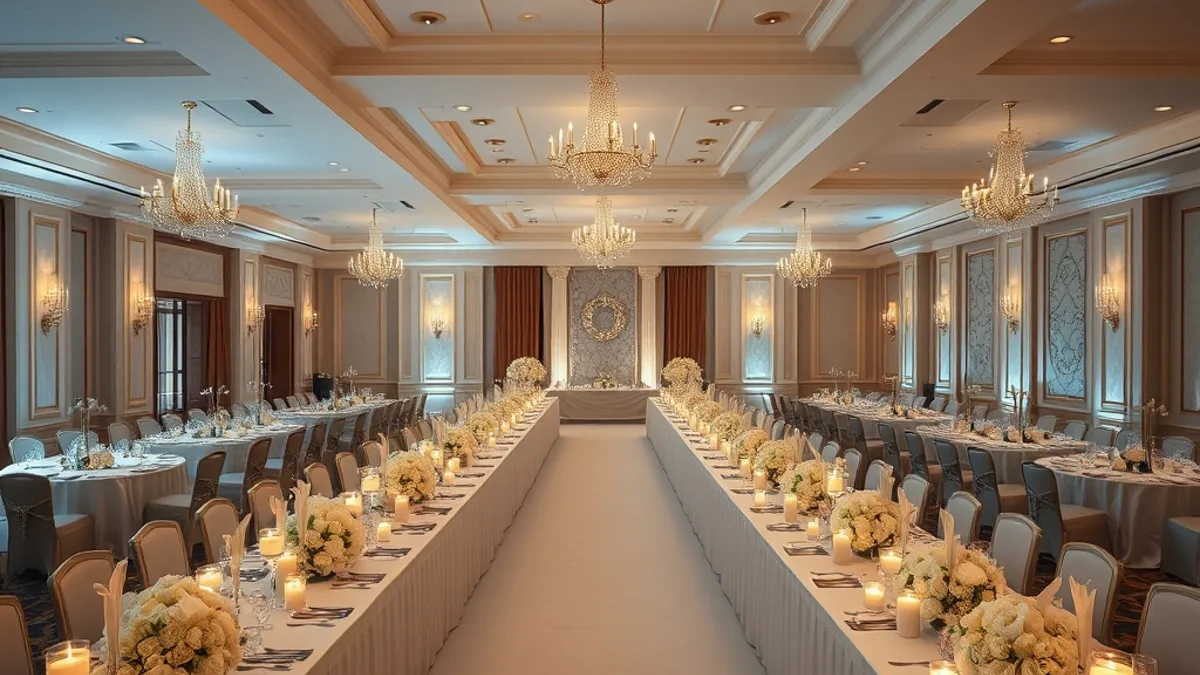
Put the two models side by side and the totals tell an interesting story. A 40-guest resort wedding, with packages typically ranging from $5,000 to $20,000, often comes in below an equivalent city hotel event once you add up venue hire, catering per head and bar packages. The hotel route also tends to carry minimum spends on weekend dates, and decor, photography and entertainment sit on top of the core food-and-venue bill. The resort figure, by contrast, usually covers the ceremony, decor, coordinator and reception meal in one number, which makes the total far easier to predict before you sign a contract.
The bigger structural difference is who pays for what. At a destination resort, guests absorb their own flights and accommodation, spreading the cost across everyone who attends. A hotel wedding concentrates nearly all spending on the couple, who fund the venue, catering and bar while guests pay only for a gift and their transport home. If you are weighing an all-inclusive property against a pay-per-item alternative, it helps to understand how all-inclusive resorts compare to a la carte pricing before you sign anything.
Resort weddings are not free of surprises, though. Budget separately for these common extras:
- Welcome events: many couples host a beach dinner or cocktail evening the night before, which the standard package rarely covers, so price it as a separate group booking.
- Excursion add-ons: group catamaran trips, snorkeling outings or spa days for your party are booked individually and can add a meaningful amount per guest.
- Vendor travel fees: if you bring an outside photographer or videographer, expect to cover their flights, rooms within your block and sometimes a resort fee for off-site suppliers working on the property.
Guest Logistics: Travel, Rooms and Stay Requirements
Guest logistics are where resort and hotel weddings diverge most, and the difference shapes who actually shows up. Most destination resorts require wedding groups to book a minimum stay of 2-4 nights. That commitment filters your guest list naturally: people who cannot take several days off will decline, and you will usually end up with a smaller, more invested crowd.
The upside is that room blocks become far easier to manage. Because everyone stays at the same property for multiple nights, the resort typically bundles group rates directly into your wedding package rather than negotiating them separately. You spend less time chasing rooming lists and fewer evenings fielding questions about where everyone should sleep.
How hotel weddings handle attendance
A hotel wedding is a single-day event for your guests. Relatives can fly in the morning of, attend the ceremony and reception, and head home without using vacation days. For older family members, parents of friends, or colleagues you want present, this often keeps attendance noticeably higher than a trip abroad would.
Room blocks at hotels work differently too. You negotiate a set number of rooms per night, usually just the wedding night plus perhaps one on either side, and guests book independently within the block. That flexibility suits guests with varying budgets, since some will stay at the hotel while others find cheaper options nearby. The trade-off is more coordination on your end, and a guest list that may scatter across several properties rather than gathering in one place.
Planning Timelines and Who Does the Work
Timing is one of the biggest practical differences between the two formats, and getting it wrong can cost you your preferred date or your group rooms. Destination weddings simply cannot be organized at the last minute, because flights, rooms and legal paperwork all need to line up well in advance. Marriage license requirements vary widely by country, and some destinations ask for documents to be submitted weeks before you arrive, so research the paperwork as soon as you shortlist a location.
- Book your resort 9-12 months ahead. This window is what it typically takes to secure group rooms and peak-season dates at popular properties. Peak weeks sell out early, and resorts often release wedding slots on a rolling calendar, so early booking gives you real choice rather than leftovers.
- Send save-the-dates as soon as the date is confirmed. Guests need time to request leave, budget for flights and book their own travel. The earlier they know, the higher your attendance rate will be, especially for guests coming from overseas.
- For a hotel wedding, start planning 6-10 months out. That lead time is usually enough to secure the venue and lock in catering. Aim to have catering tastings and floor plans confirmed around 3 months before the wedding, when final guest counts become realistic.
- Confirm who is doing the work. Resort packages usually include an on-site coordinator who handles the ceremony setup, timeline and vendor logistics. A hotel wedding typically requires hiring an independent planner, which commonly runs $2,000-$5,000 depending on how involved you want them to be.
Whichever route you choose, put the major milestones in a shared calendar with your partner early on. The resort route front-loads decisions about rooms and travel, while the hotel route concentrates decisions into the final three months. Knowing which rhythm you prefer will save you both a lot of stress. It also helps to build in a buffer week or two before each deadline, because vendor availability and guest responses rarely arrive exactly when you expect them to.
Choosing the Destination and Season
Once you have decided between a resort and a hotel, the next big question is where and when. Climate should drive the decision more than anything else, because a wedding on a rain-soaked terrace is a risk no package discount can offset.
For tropical destinations, the reliable window is November through April. Resorts in the Caribbean and the Maldives suit weddings in these months best, when rainfall is lower and humidity is more manageable. If the Maldives is on your shortlist, it helps to understand how the atolls differ before committing, and our atoll guide for first-timers to the Maldives breaks down which island groups work best for different travel styles.
Why shoulder season deserves a look
The Mediterranean works best from May to October, and the edges of that window are where the value sits. Shoulder-season dates, typically late spring and early autumn, can cut resort package prices by 15-25% compared with peak summer. You also avoid the worst of the summer heat and, in hurricane-prone regions, face lower storm risk than the height of the season brings.
Finally, match the destination to your guest list rather than to your Instagram feed. If many guests are older relatives or parents’ friends, a short-haul resort with a simple flight keeps attendance high. A bucket-list atoll or remote island works best for smaller, close-knit groups who will treat the trip as a shared vacation. A 60-guest celebration and a 12-guest elopement belong in very different places, so let the headcount lead.
The Bottom Line for Couples
So which option costs less? Resort weddings shift spending into a fixed package and let guests cover their own flights and rooms, while hotel weddings concentrate the bill squarely on the couple, with catering and venue hire alone typically running $150-$300 per guest in major cities. For smaller or mid-sized guest lists, the resort route often works out cheaper overall.
On logistics, the two demand different rhythms. Destination resorts need 9-12 months of lead time and ask guests to commit to a multi-night stay, while hotel weddings come together in 6-10 months and are easier for older relatives or time-pressed friends. Resorts usually bundle a coordinator into the package; hotels often mean hiring your own planner. Match the choice to your guest count, how far people will travel, and how much organizing you want to hand off. If you have planned either kind of wedding, share your experience in the comments or pass this along to a couple who is deciding.