You’ve done it: flights booked, beachfront room confirmed, and visions of paddling across a turquoise lagoon dancing in your head. Then you arrive, stroll up to the activities desk, and instead of a friendly “help yourself,” you’re handed a laminated price list. Suddenly those kayaks you assumed were included come with a rental fee, and the snorkel gear has a daily rate attached to it.
The reality is that water sports at resorts fall into two camps: gear that’s usually complimentary and activities that almost always cost extra. The trick is knowing which is which before you travel, so you can budget properly and avoid sticker shock at the beach. In this guide, we’ll walk through what’s typically free, what you should expect to pay for, how all-inclusive plans really handle the water, whether booking through the resort or a local operator makes more sense, and the fine print worth checking before you go. We’ll also look at which destinations suit the sports you actually want to do, so you can pick a resort that matches your plans.
What’s Usually Free: Non-Motorised Water Sports at Resorts
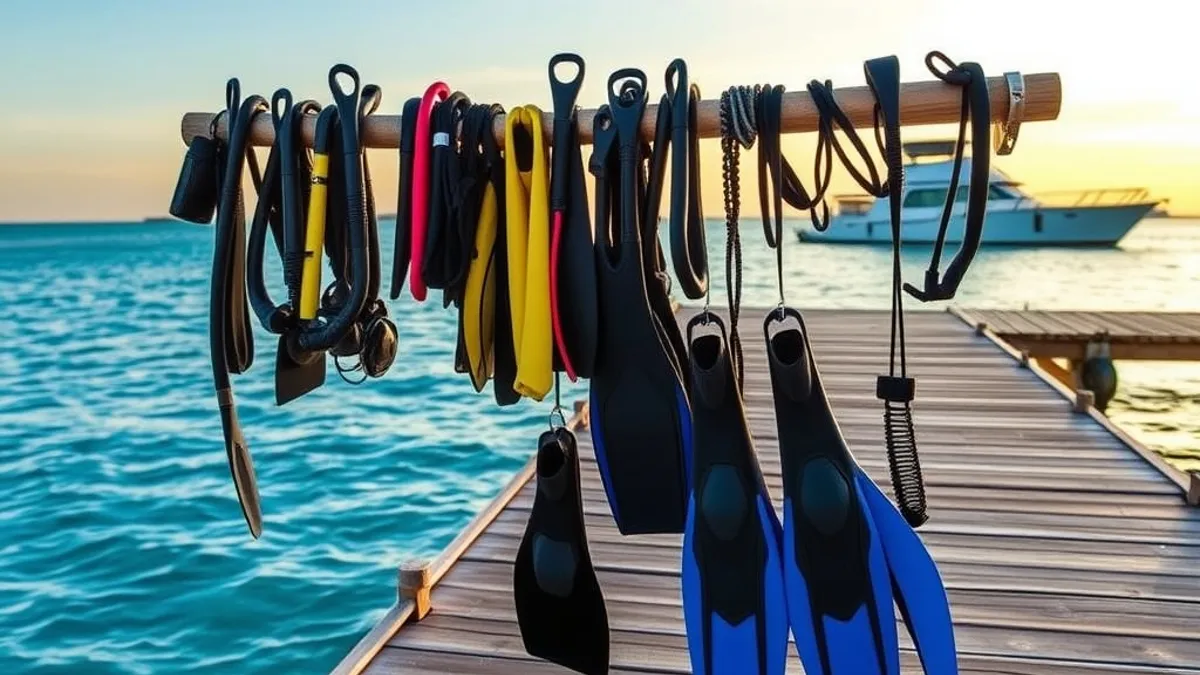
The good news is that the most popular gear on the beach is often free. Kayaks, stand-up paddleboards, Hobie Cat sailing and snorkel equipment are typically complimentary at beach resorts, though most properties cap each session at around 60-90 minutes so everyone gets a turn.
The paperwork before the paddle
Before your first outing, expect a short process. Most resorts require a brief orientation or safety briefing covering basics like where you’re allowed to paddle, how to read the wind, and what to do if you drift too far out. You’ll usually sign a waiver as well. It takes ten minutes or so, and once it’s done, you can generally check out gear whenever you like for the rest of your stay.
Timing matters
Free gear is almost always first-come, first-served, with no reservations. That means the calm-water morning slots fill fastest, especially on windier days when the afternoon chop makes paddling less fun. My advice: head to the water sports hut early on your first full day, get the briefing and waiver out of the way, and grab a paddleboard before the queue forms. Late mornings and mid-afternoons tend to be quieter if you don’t mind a bit more wind.
One more tip: check whether gear is genuinely complimentary or bundled into a daily resort fee. At non-inclusive properties, snorkel gear that isn’t free can run $10-25 per day, so it’s worth confirming at check-in rather than discovering it on your final bill.
What Almost Always Costs Extra
Now for the activities that will show up on your bill. Anything with an engine is almost never included, even at resorts that advertise plenty of “free” water sports. Jet ski rentals commonly run $80-150 per 30 minutes, and parasailing typically costs $70-120 per person for a 10-15 minute flight. Water skiing and wakeboarding are priced in a similar pay-per-session style, usually charged by the run or by a set block of time with a boat and driver.
Scuba diving deserves special mention because many travelers assume it’s covered. It rarely is. Expect $60-120 per guided dive, and if you want to get certified, open-water certification courses typically run from $400-600. Even resorts with a dive shop on site bill these separately.
- Private charters: Hiring a boat just for your group is priced by the half-day or full day, and the rate often excludes crew gratuity, food and fuel surcharges.
- Sunset cruises: These group outings are billed per person separately at nearly every property, and drinks onboard may or may not be included depending on the resort.
- Fishing trips: Deep-sea and reef fishing charters are almost always quoted as a private boat rate, so the per-person cost depends entirely on how many people you bring.
Before you book any of these, ask exactly what the quoted price covers. Fuel, equipment, park fees and gratuities can each be added separately, and the final figure is often noticeably higher than the number on the brochure.
All-inclusive plans sound like they should cover everything on the water, but that’s rarely the case. Most plans include the non-motorised gear, so kayaks, paddleboards and snorkel sets are yours to use within the usual session limits. Diving, jet skis and off-site excursions, however, are almost always excluded and billed as extras, no matter how premium the resort.
When diving is included
There are exceptions worth hunting for. Some premium all-inclusive brands include one scuba session per stay, which can be a great way to try diving without committing to a full package. Just read the conditions carefully: depth limits and certification requirements apply, so beginners may be restricted to shallow introductory dives, and certified divers may need to show their card. If you’re weighing whether an all-inclusive plan actually suits your travel style, our guide to choosing an all-inclusive resort breaks down how to compare plans beyond the water sports.
Read the word “unlimited” carefully
“Unlimited water sports” is one of the most misunderstood phrases in resort marketing. For some properties it means unlimited sessions, so you can check out gear as many times a day as you like. For others it only means unlimited time within each session, while the number of sessions per day is capped. The difference is significant if you plan to paddle every morning and sail every afternoon. Before booking, ask the resort directly what their unlimited policy covers, whether motorised sports are included, and how many sessions you can realistically book per day during peak season.
How All-Inclusive Resorts Handle Water Sports
At most all-inclusive resorts, the deal works like this: the non-motorised gear is covered, and almost everything with an engine or a tank is not. That usually means kayaks, paddleboards, Hobie Cats and snorkel sets come with your stay, while jet ski rides, parasailing and scuba diving show up on your bill at the end. Motorised activities are almost never included, even at all-inclusive resorts, so budget for them separately if they’re on your wish list.
There are exceptions worth knowing about. A handful of premium all-inclusive brands include one scuba session per stay as part of the package, which can be a nice taste of diving if you’ve never tried it. But read the conditions: these intro sessions typically have depth limits, and certified divers may need to show proof of certification to go deeper or book additional dives at a reduced rate rather than for free.
What “Unlimited” Actually Means
The word “unlimited” appears on a lot of brochures, and it doesn’t always mean what you hope. At some resorts, unlimited means you can sign out a kayak or paddleboard as many times per day as you like. At others, it means unlimited time within a single session, which still requires queuing up again if you want another go. The difference matters a lot on a busy week when everyone wants the good gear at the same hour.
Before booking, ask the resort directly whether unlimited applies to sessions or to time, and whether there’s a daily cap you won’t see mentioned in the marketing. It’s also worth confirming which specific activities fall under the plan at that particular property, since inclusions vary between sister resorts of the same brand. If you’re still weighing up which type of package suits your trip, a practical guide to choosing an all-inclusive resort can help you compare what each plan really covers before you commit.
Booking Through the Resort vs Third-Party Operators
Walk up to the activities desk at most beach resorts and you can book a jet ski or a dive trip in under two minutes. That convenience comes at a price. In many destinations, the same dive trip or excursion booked through the resort costs roughly 20-40% more than it would with an independent local operator. Some of that markup covers commissions and logistics, but a good chunk is simply the price of not having to make a phone call yourself.
Here’s the part many travelers don’t realize: the dive shops and excursion companies based outside the resort often use the exact same reefs, snorkel spots and dive sites as the resort’s own operation. You’re frequently paying for the desk and the transfer, not better water. Before you book anything, it’s reasonable to ask the activities desk which operator actually runs the trip, then check whether that company offers direct bookings.
The trade-off with independent operators
Going independent takes a bit more effort. Many local dive shops and boat operators work out of a nearby marina or dive center, which means arranging your own transport, arriving on their schedule and confirming the meeting point in advance. If you don’t have a rental car or don’t want to haggle with taxis, that friction can erase some of the savings. It’s also worth checking whether the outside operator carries the same safety standards and insurance you’d expect from the resort’s program.
A sensible middle path: use the resort desk for short, spontaneous bookings where convenience matters most, and book longer or repeat activities, like a multi-dive package, directly with a local shop. If you’re weighing an all-inclusive plan against paying per activity, our breakdown of all-inclusive versus à la carte resorts and their costs can help you see where the numbers land.
Hidden Costs and Fine Print to Check Before You Go
Free gear and paid extras are only half the story. The fine print around deposits, waivers and cancellation policies is where most resort water sports surprises hide, and it varies enormously from one property to the next. A few questions before you arrive can save you both money and frustration.
Start with the dive shop question, because it’s the one that catches divers most often. Some resorts, particularly those with their own on-site dive operation, have policies that effectively require guests to dive with the house shop. That can mean outside dive operators aren’t allowed to pick up guests at the resort jetty, or that you’re charged a fee for bringing in your own tanks. If diving is a priority for your trip, ask about this before booking the resort, not after.
Lessons are another common gap. The kayak or paddleboard itself may be free, but the moment an instructor is involved, a charge often appears. A “free” paddleboarding session can turn into a paid lesson if you ask for tips on technique, so clarify what counts as instruction before you accept help on the water.
- Damage deposits: some resorts place a hold on your credit card or ask for a cash deposit when you sign out paddleboards, kayaks or sailing dinghies, so ask whether a hold is placed and how long it takes to release.
- Damage waivers: a few properties add a small daily waiver fee for non-motorised gear, which is easy to miss on your final bill until you review it at checkout.
- Weather cancellations: if wind or swell cancels a paid trip, some operators refund as resort credit rather than cash, which only helps if you’re staying long enough to spend it.
- Session timing rules: check whether your free slot starts when you collect the gear or when you first reach the water, since queuing time can quietly eat into a short session.
None of these details are dealbreakers on their own, but together they can add up. A short email to the resort before you book, asking specifically about deposits, lesson charges and refund policy, usually gets straight answers.
Choosing a Destination for the Water Sports You Want
The destination you pick shapes your water sports experience more than the resort brochure suggests. Calm, sheltered lagoons are ideal for beginners getting comfortable on a paddleboard or in a kayak, while open-coast destinations with currents and swell reward divers and surfers willing to work a little harder for their fun. Matching the destination to the activity you care about most is the single best decision you can make.
Where each destination shines
Maldives resorts are hard to beat for house-reef snorkelling and diving. Many islands sit right on top of their own reef, so you can step off your deck, swim a few meters and be looking at turtles, reef sharks and dense coral. A large number of resorts lend snorkel gear free of charge, and the calm inner lagoons make it easy for nervous swimmers to build confidence before heading to the reef edge.
Bali and Thailand suit a different crowd: surfers and travelers watching their budget. Both have a wide spread of local operators charging well below typical resort rates, so you can mix a few nights at a polished beach resort with cheap surf lessons, boat trips or dives arranged independently. The trade-off is that conditions vary more by season and coastline, so timing matters.
If you’re torn between the two styles of trip, our comparison of the Maldives and Bali as resort destinations walks through how they differ on price, atmosphere and water conditions. And whatever you choose, remember the general rule: lagoon settings favor first-timers, while open coasts serve experienced divers and surfers best.
The Bottom Line on Resort Water Sports
So what’s the answer to that price list at the activities desk? Non-motorised gear like kayaks, paddleboards and snorkel sets is typically free, just limited to 60-90 minutes per session. Motorised sports and scuba diving are paid extras almost everywhere, even at all-inclusive resorts, and most all-inclusive plans don’t cover everything on the water either.
The simplest way to avoid surprises is to compare the resort’s rates with local operators, where third-party excursions can cost 20-40% less, and read the fine print on deposits, lessons and cancellation policies before you go. If you’ve had a good or bad experience with resort water sports, share it in the comments or pass this article along to a travel buddy.