Choosing the best areas to stay in Cancun often comes down to a single comparison: the Hotel Zone versus Playa del Carmen. On paper they sit close together on the same coastline, but in reality they offer two very different holidays. One is a strip of high-rise resorts on its own island; the other is a walkable beach town where you step out of your hotel straight into cafes and shops. Picking the wrong one can shape your whole trip.
This guide breaks down exactly how the two areas differ, from their beaches and setting to what your budget actually buys in each. We’ll compare transfer times from the airport, day trips and nightlife, and the smartest time to book. By the end, you should know whether a resort-focused stay in the Hotel Zone or a town-based stay in Playa del Carmen fits the trip you have in mind.
Cancun Hotel Zone vs Playa del Carmen: The Core Difference
The clearest way to understand this comparison is to look at what each place actually is. These are not two neighborhoods of the same city — they are two completely different approaches to a beach holiday.
The Hotel Zone: a resort island built for holidays
Cancun’s Hotel Zone is a purpose-built barrier island shaped like the number 7, stretching 22.5 km along the coast and separated from the mainland by a lagoon. There is no town here in any ordinary sense — just a continuous strip of high-rise resorts, restaurants and entertainment venues, with the Caribbean Sea on one side and the calmer lagoon on the other. Everything is designed around the hotels, and most guests rarely leave their resort except for excursions.
Playa del Carmen: a town with a beach
Playa del Carmen, about 68 km south, feels entirely different. It is a real, walkable beach town where low-rise hotels sit among cafes, dive shops and boutiques, most of them clustered along the pedestrian street known as Fifth Avenue. You can walk from your hotel to dinner, to the beach, or to the ferry pier in a few minutes.
In short, the Hotel Zone suits travelers who want a resort-focused holiday where everything happens on site. Playa del Carmen suits travelers who want town life a few steps from the sand, with more freedom to wander, eat locally and shape their own days.
Beaches and Setting in Each Area
Both areas sit on the same Caribbean coastline, but the beach experience feels noticeably different in each one. Knowing the difference matters if long days on the sand are the main point of your trip.
Wide, swimmable strands in the Hotel Zone
The Hotel Zone’s Caribbean-facing beaches are its biggest asset: wide, white and generally swimmable, with plenty of space even when resorts are busy. The lagoon side tells a different story — the water there is much calmer but often weedier and less appealing for swimming, so most beach time happens on the ocean side. If you’re weighing the Hotel Zone against other coastlines in the region, it holds its own among the best beach resorts in North America.
A softer feel in Playa del Carmen
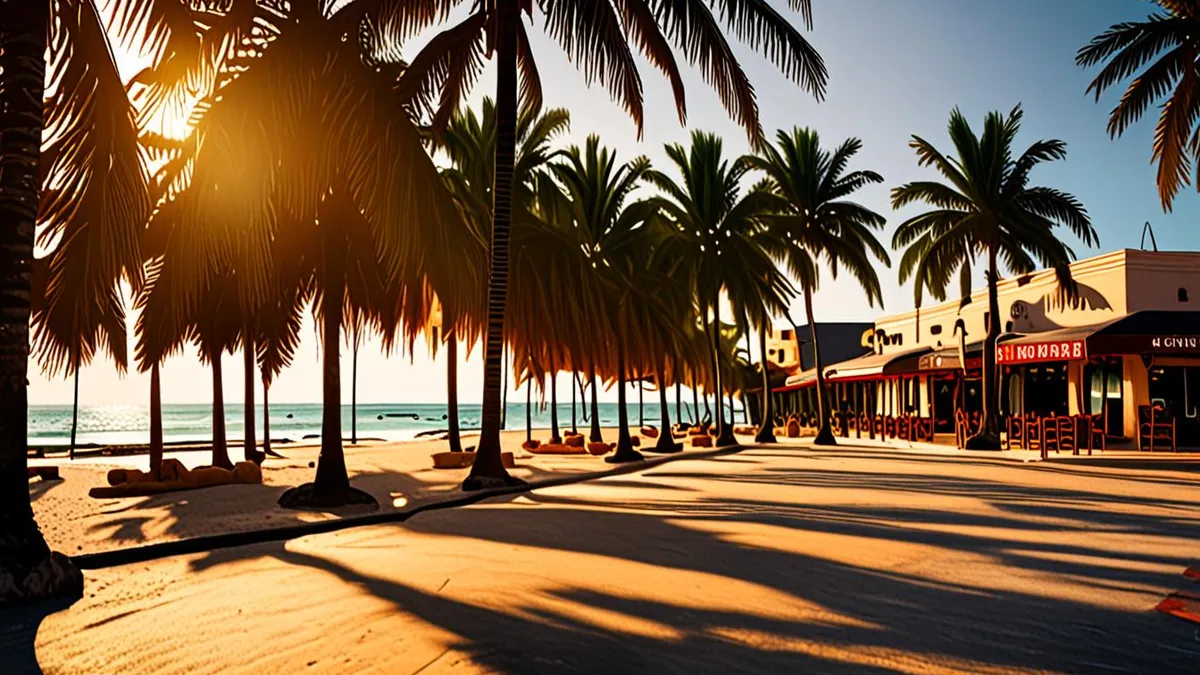
Playa del Carmen’s beaches are narrower than the Hotel Zone’s sweeping strands, but many travelers find the atmosphere softer and more relaxed. Instead of resort fronts lining the sand, you’ll find beach clubs where you can rent a lounger, order food and settle in for the day. The town sits just behind the beach, so the two blend together rather than feeling separate.
One issue affects both coastlines: sargassum seaweed, which drifts onto these shores in varying amounts from year to year. It is usually most noticeable between May and August, and conditions can change from week to week. Check recent reports close to your travel dates rather than assuming either area will be clear.
Costs: Where Your Budget Goes Further
Cost is where the two areas diverge most sharply, and the nightly rate only tells part of the story. What you pay for food, drinks and transport can flip which option comes out cheaper overall, so it pays to run the numbers for your own travel style before booking.
In the Hotel Zone, beachfront all-inclusive rooms typically run US$250-500 per night in high season, with meals and drinks included. In Playa del Carmen, boutique hotels typically cost US$100-250 per night, but food and drinks are paid separately. Before deciding, it helps to understand how the two models really compare — this guide to all-inclusive versus a la carte resorts and their pros and costs breaks down what each style actually delivers for the money.
- Meal math matters most. If you eat and drink heavily, an all-inclusive rate can absorb what would otherwise be US$100 or more per day in restaurant and bar bills, making the higher nightly price easier to justify.
- Light travelers save in town. If you plan to eat out only once a day and skip premium drinks, Playa del Carmen’s lower room rate plus affordable local restaurants usually wins on total cost.
- Resort extras add up. Some Hotel Zone properties charge resort fees or push upsells like spa treatments and premium-liquor upgrades, so read what the rate actually includes before comparing it to a town hotel.
- Transport is a hidden line item. Staying in Playa del Carmen means paying for a longer airport transfer, while Hotel Zone guests pay more for taxis once they start leaving the strip.
The practical takeaway: heavy eaters and drinkers often come out ahead with a Hotel Zone all-inclusive, while lighter spenders and anyone who wants to explore local restaurants typically saves money in Playa del Carmen. Tally your likely daily spending in each scenario and the better value usually becomes obvious.
Getting There and Getting Around
Your trip starts the moment you land, so it helps to know what each base asks of you. Cancun International Airport sits right next to the Hotel Zone, and the transfer typically takes about 20-30 minutes. That short hop is one of the zone’s biggest practical advantages, especially after a long flight or with tired kids in tow.
Playa del Carmen is a different story. The town lies roughly 68 km south of the airport, which works out to a 50-60 minute drive. If you prefer not to rent a car or haggle with taxi drivers, the ADO bus runs that route comfortably and drops you in the center of town, so you can often walk to your hotel from the stop.
Getting around once you have arrived
In the Hotel Zone, you will lean heavily on taxis and local buses. The zone stretches along a long, curved strip, and while buses run frequently and cheaply along it, distances between restaurants, beaches and your hotel add up quickly on foot. Factor taxi fares into your budget if you plan to leave your resort often.
Playa del Carmen flips that equation. Its center is genuinely walkable, with the beach, shops, cafes and restaurants all clustered within a few blocks. Once you have checked in, many travelers barely need transport at all, which keeps daily costs down and makes spontaneous plans easy.
Day Trips and Nightlife from Each Base
Both bases put you within easy reach of the Riviera Maya’s biggest draws, but they differ in one key way: Playa del Carmen is an actual transport hub. It is the departure point for the ferries to Cozumel, which leave every hour and take about 45 minutes to cross. If a day of snorkeling or wandering Cozumel is on your list, staying in Playa del Carmen lets you walk to the pier rather than plan a morning transfer.
From either base, the classics are all within about an hour: the clifftop Tulum ruins, the region’s famous cenotes for swimming, and the large Xcaret-style eco and theme parks that families love. The difference is simply that from the Hotel Zone you will usually book a tour or taxi, while from Playa del Carmen you can often catch a colectivo or bus on your own.
After dark, the personalities split clearly. Here is what each area does best:
- Hotel Zone nightlife: big nightclub strips with large, production-heavy venues, plus the convenience of resort shows and entertainment right where you sleep.
- Playa del Carmen nightlife: beach clubs where you can move straight from a daybed at sunset to a DJ set, without a taxi ride home.
- Bar atmosphere: Playa del Carmen favors a quieter, street-level bar scene where you can hop between spots on foot; the Hotel Zone concentrates the party into a few dense blocks.
If your evenings matter as much as your days, match the base to the vibe you want rather than trying to split your stay.
When to Book and Which Area to Pick
Timing your booking matters as much as picking the right base, because rates in both areas swing noticeably with the calendar. High season runs from December to April, when the weather is at its best and demand peaks, so expect fuller beaches and the year’s highest nightly rates. September and October are typically the cheapest months to visit, trading a bit of weather risk for real savings. Before locking anything in, it helps to read a seasonal guide to booking a resort so you know how far ahead to commit and how prices tend to move across the year.
- Decide your priority first. All-inclusive ease points you toward the Hotel Zone; walkability and lower nightly rates point you toward Playa del Carmen. Everything else follows from this choice.
- Set your dates against the season. December to April means peak pricing and fuller beaches; September and October trade some weather risk for the lowest rates of the year.
- Book 3-6 months ahead for high-season stays. This window applies in either area, and it matters most for beachfront rooms, which sell out first.
- Compare total trip costs, not just room rates. A cheaper nightly rate in Playa del Carmen can be offset by separate meals and drinks, so price out your likely daily spend either way.
Whichever area you land on, a little planning goes a long way. Booking early for peak dates secures the room you actually want, while staying flexible with shoulder-month dates often means the same property costs noticeably less. It also pays to check current rates and conditions close to booking time, since prices, availability and even sargassum conditions shift from year to year. If your dates are set in stone, reserve as early as you can; if your dates are flexible, watch rates for a few weeks and pounce when a good deal appears.
Wrapping Up: Hotel Zone or Playa del Carmen
So, Hotel Zone or Playa del Carmen? The Hotel Zone is a 22.5 km barrier island built around high-rise resorts, where a beachfront all-inclusive room will typically set you back somewhere between US$250 and US$500 a night during high season. Playa del Carmen is a walkable beach town where boutique hotels typically cost US$100-250, and the Cozumel ferry leaves hourly, with a crossing of about 45 minutes.
In short, the choice comes down to resort immersion versus town-and-beach flexibility. If you want everything handled under one roof, the Hotel Zone fits. If you want cafes, shops and sand within a few steps of each other, Playa del Carmen wins. Whichever you pick, book 3-6 months ahead for high-season stays. Have you stayed in either area? Share your experience in the comments or pass this article along to a travel buddy.