Choosing between honeymoon lodges vs villa stays is one of the biggest decisions you’ll make when planning a honeymoon. A lodge promises full-service romance with meals and activities bundled in, while a villa offers your own private home with total freedom. Both are wonderful, but they suit very different couples, and the price gap can be bigger than it first appears.
This guide compares the two across cost, privacy, atmosphere and booking timelines, so you can see exactly where your money goes and which style matches your honeymoon personality. We’ll break down what each option actually includes, how the numbers stack up over a week, and how to time your booking for the best rates. By the end, you’ll know whether you’re a lodge couple, a villa couple, or someone who should split the trip and enjoy both.
What a Lodge Honeymoon Actually Includes
A lodge honeymoon is built around the idea that everything is handled for you. Rates are typically all-inclusive style: breakfast, dinner and guided activities come bundled into the nightly price, and many properties throw in spa access as well. You arrive, and from that moment the schedule is someone else’s job.
That’s the real appeal. On-site staff, chefs and guides mean zero planning work for you as a couple. Want a sunrise game drive, a bush dinner or a surprise anniversary cake? One conversation with the manager and it’s arranged. You never open a map, book a restaurant or negotiate with a driver.
What you share, and what you don’t
The trade-off is that lodges are suites within a property, not fully private homes. You’ll have your own room and often a private deck or plunge pool, but shared lounges, dining rooms and group excursions mean regular contact with other travelers. Some couples love the sociability; others find it eats into the romance.
Budget-wise, expect roughly $300–$1,200 per night for two, varying widely by region and season. That sounds steep until you remember it usually covers meals, activities and often transfers, so the effective per-day cost is closer to a good hotel plus a full tour program.
What a Villa Stay Gives You Instead
A villa stay swaps the lodge’s service machine for something rarer on a honeymoon: a whole private home. You get your own kitchen, your own pool and your own garden, and there are no other guests on site. Ever. The only footsteps on the terrace at 7 a.m. are yours, or the housekeeper’s.
Base nightly rates run roughly $150–$800 depending on size, staff and location, which looks far friendlier than lodge pricing. But read the fine print, because add-ons stack up. A private cook, daily housekeeping or a car hire typically adds $30–$100 per day, and those extras are exactly what make a villa feel luxurious rather than self-catering. If you’re weighing up a safari-style trip, it helps to understand what a stay at an African safari lodge really costs, since the bundled lodge rate and the itemized villa bill can converge more than you’d expect.
Freedom, with homework
The upside is total freedom over your schedule and meals. Sleep until noon, eat toast by the pool at 3 p.m., drive to a fishing village on a whim. The cost of that freedom is organizational: you’re the concierge now, booking restaurants, planning day trips and shopping for groceries.
Villas reward commitment. For stays of a week or longer, the weekly rate usually works out far better than a comparable stretch of lodge nights, making them the best value option for slow, extended honeymoons.
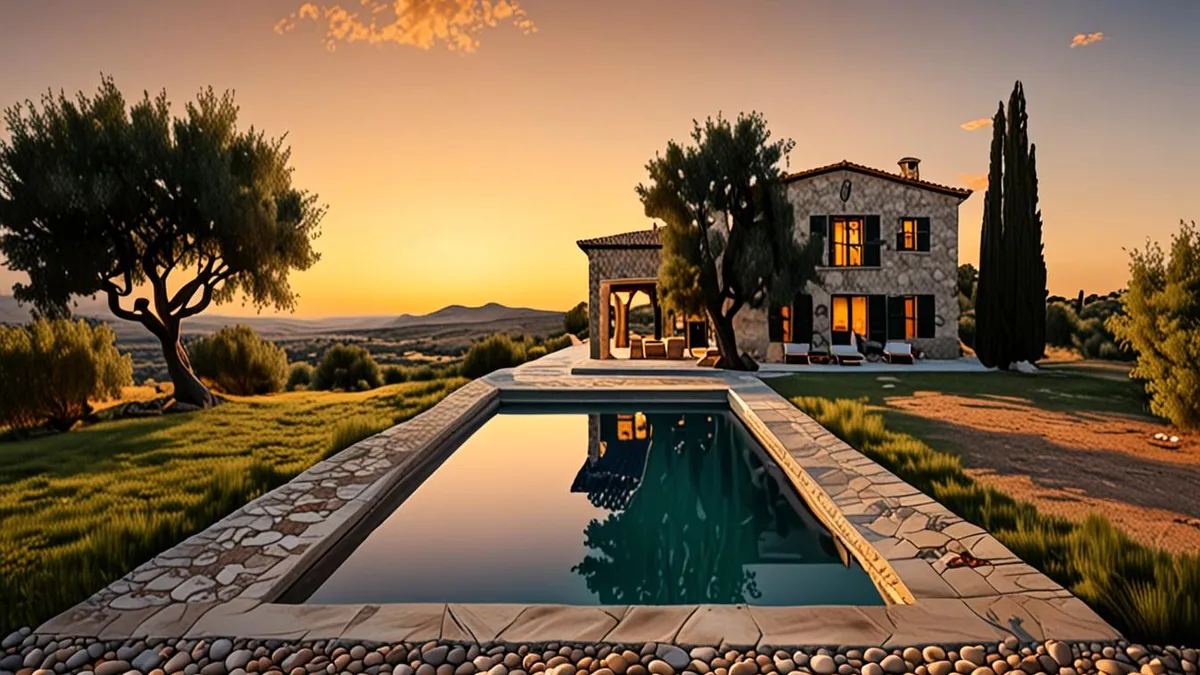
Privacy and Atmosphere: Lodge Suites vs Your Own Villa
Privacy means different things at a lodge and a villa, and the difference matters more on a honeymoon than at almost any other time. Lodges offer genuine seclusion within a property — your suite may sit far from the next one, screened by trees or bush — but communal areas like the lounge, the dinner table and the shared game drive vehicle mean regular contact with fellow travelers. You’ll swap stories over the evening meal and ride out at dawn with the same few faces.
Villas guarantee complete seclusion. No other guests exist, full stop. If your ideal honeymoon involves never making small talk with strangers, a villa is the clear choice. If you enjoy meeting a handful of like-minded couples, the lodge atmosphere can actually become part of the fun.
Service rituals versus home routines
The daily rhythm differs too. Lodge suites come with daily service and turndown rituals: your bed prepared at night, a fire lit, maybe a hot-water bottle tucked in. A villa feels like living in your own home abroad — you make the coffee, you decide when the linens change.
Romantic extras split the same way. At a lodge, arranging a surprise is easy: tell the staff your plans and they’ll stage a bubble bath, a private dinner or a room full of petals. In a villa, you stage your own moments, which takes effort but can feel more personal — champagne you chose yourself, a playlist you made together, a dinner you cooked side by side.
Cost Comparison: Where the Money Really Goes
The nightly price is where lodges and villas play very different games. A lodge rate that looks steep on paper usually covers breakfast, dinner, guided excursions and sometimes airport transfers, so almost everything on your itinerary is already paid for before you arrive. A villa rate looks refreshingly low by comparison, but the base price only buys you the house itself.
This is why comparing them night by night misleads almost every couple. To bring a villa up to lodge-style comfort, you will typically want a private cook, daily housekeeping and a rental car, and those extras stack up quickly on top of the rent. By the time you total seven nights with all those add-ons, you frequently end up near the cost of just four or five lodge nights, where meals and guides were included from the start.
Timing shifts the math in your favor too. Shoulder-season months like May, October and November can cut lodge prices by 20–40%, which sometimes makes the fully serviced option cheaper than a peak-season villa. Villas also reward longer stays: owners usually quote a weekly rate that beats booking seven individual nights, so the longer you stay, the better the per-night deal gets.
- Ask lodges exactly which transfers are included; remote properties with airstrip pickups can otherwise add a surprisingly large line item to your budget.
- Self-catering couples can shrink villa extras dramatically by shopping at local markets and skipping the private cook entirely.
- Some villas include mid-stay cleaning in the weekly rate, so confirm what housekeeping is covered before you budget for staff.
- If a lodge quotes per person rather than per room, double-check the total for two, since the gap between the two pricing styles can be significant.
Booking Timelines for Honeymoon Lodges vs Villa Stays
Lodges and villas run on completely different booking clocks, and knowing them saves both money and stress. For peak windows of June–September or December–February, most lodges want you to reserve 6–12 months ahead. Small safari and wilderness properties have only a handful of suites, so high-season space disappears fast, and honeymoons in popular months compete with returning guests who rebook the same weeks every year.
Villas move on a looser schedule. Most can usually be secured 2–4 months out, even in high season, because the pool of available homes is far larger than the number of lodge suites in any destination. That flexibility is a genuine advantage if you are planning a wedding and cannot confirm honeymoon dates until late.
One lodge quirk to plan around: many cap peak-season stays at 3–5 nights, which shapes how you build the rest of your itinerary. You may need to pair two lodges or add a different property to fill a two-week trip.
- Villa calendars fill by owner, not by season, meaning one beloved home can be gone a year out while its neighbor sits open, so message owners early if a specific house caught your eye.
- Some lodges waive or soften the minimum-stay rule in shoulder months, so ask directly if your dates fall outside peak.
- When booking a villa, confirm the cancellation terms with the owner or agency in writing, since terms vary widely and are rarely as standardized as hotel policies.
- If your heart is set on a specific lodge suite, inquire as soon as your wedding date is fixed, even if that means booking 12 months out.
Matching the Stay to Your Honeymoon Style
The right answer depends less on budget and more on what you actually want to do all day. Choose a lodge if the words “wildlife,” “guided adventure” and “someone else handles dinner” make you both light up. Guides, chefs and camp staff take care of every detail, so your only job is to show up for the morning game drive and enjoy it.
Choose a villa if your dream honeymoon involves sleeping past nine, cooking breakfast together and treating one region as your home base. You set the pace entirely, whether that means beach mornings, market runs or doing absolutely nothing by your own pool.
The hybrid option many couples love
Here is the setup that sidesteps the trade-off altogether: split the trip. Spend 3–4 lodge nights on the adventure phase, when your energy and excitement are highest, then move to a villa for a full week of unwinding. You get the guided, catered experience and the lazy private days without paying lodge rates for the entire honeymoon.
Let the scenery decide
Landscape matters more than couples expect. Mountain and fjord lodges suit sightseers who want guided hikes and dramatic views on tap; destinations like Norway’s fjord country are built for exactly that lodge style. Coastal settings do the opposite: a villa steps from the water suits slow days of swimming, reading and long lunches. Match the property type to the terrain and both of you will get the honeymoon you pictured.
The Short Answer for Couples
So which one suits you? If you want wildlife, guided days and everything handled by a team, a lodge honeymoon wins on service and bundled value, and it works well for shorter stays of around 3–5 nights. If you would rather sleep in, cook when you feel like it and never share a pool with anyone, a villa wins on privacy and flexibility, especially for week-long budgets.
Timing matters as much as the choice itself. Lodges need a long runway: aim for 6–12 months of lead time if your dates fall in peak season. Villas are far more forgiving, and even in high season a well-located home often still has openings just a couple of months before arrival. And if you genuinely cannot decide, a split trip gives you both experiences without doubling the budget. Still torn between the two? Tell us which way you are leaning in the comments, or share this article with your other half.