Many couples dream of a lodge honeymoon far from crowds, only to get stuck on the basics: which region, which season and which type of stay will actually deliver the privacy they’re paying for. Choose wrong, and you can burn two of your precious nights on transfers or end up sharing a dining room with a busload of other travelers.
This guide walks through lodge honeymoons step by step. We’ll look at why remote lodges beat resort packages for privacy, how to match destination and season to your style, and whether a glass lodge, cabin or full-service lodge fits you best. You’ll also find practical advice on booking timelines, trip length, realistic nightly budgets and the private touches that turn a remote stay into something unforgettable.
Why Lodge Honeymoons Work for Couples Who Want Privacy
A resort honeymoon package promises romance, but it usually comes with shared pools, buffets and a lobby full of other honeymooners wearing the same wristbands. A remote lodge works differently. By its nature, it sits away from towns and crowds, so the seclusion you’re after is built into the location rather than sold as an upgrade.
Fewer guests, easier privacy
Most remote lodges are small, often just a handful of rooms or standalone units. With so few other guests on the property, private dining is a simple request rather than a special occasion you have to negotiate, and quiet corners of the lodge stay genuinely quiet. Staff get to know you by name, which makes arrangements like a candlelit dinner on your terrace feel effortless.
The scenery does the entertaining
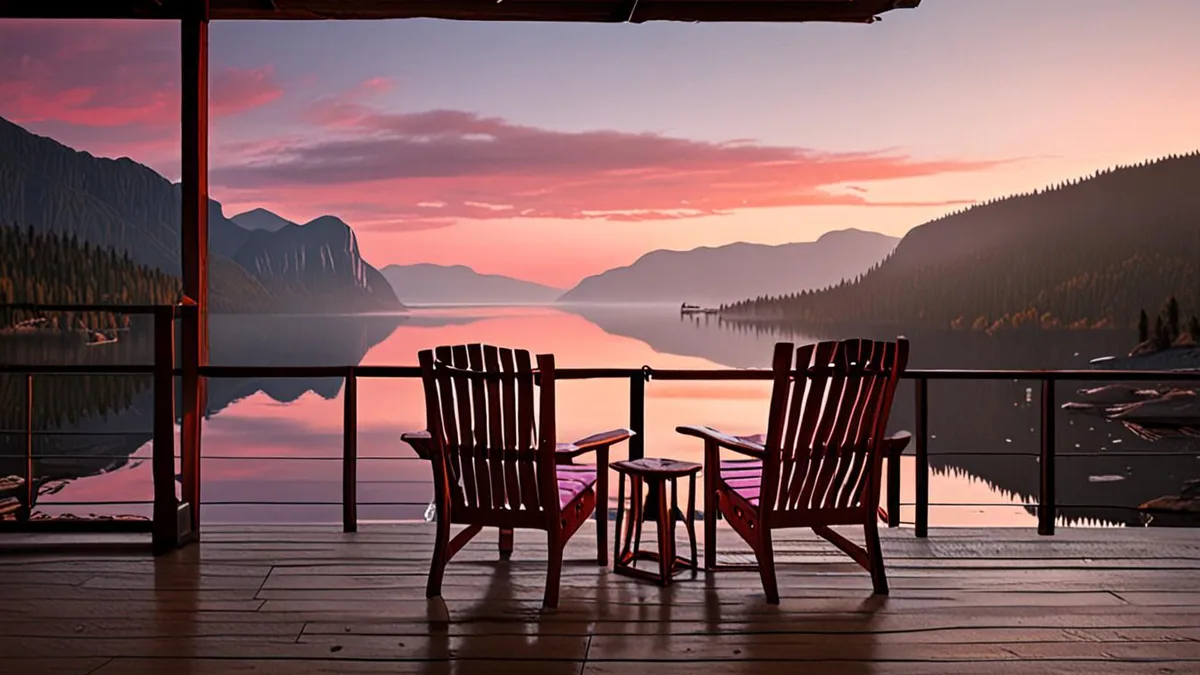
You don’t need waterslides or nightly shows when your window frames a fjord, a mirror-calm lake or a mountain ridge. The setting becomes the main event: mornings start with the light moving across the landscape, and evenings end with nothing louder than the wind. For couples who want to actually talk to each other on their honeymoon, that kind of built-in stillness is the whole point.
Choosing the Right Destination for a Lodge Honeymoon
Timing matters more for lodge honeymoons than for most trips, because remote regions have short windows of good weather and access. If aurora and winter silence are the goal, aim for the peak winter season in Lapland and Norway, which runs from December through March. Snow-lodge stays in this period deliver dark skies, frozen landscapes and the hush that makes a remote lodge feel truly cut off from the world.
For couples drawn to European lake districts, wine country or mountain regions, the shoulder seasons are the sweet spot. May–June and September–October bring mild weather, lower rates and far fewer crowds than high summer, so the trails, lakeside paths and village restaurants feel like yours alone.
Just as important is matching the setting to your style as a couple. Each landscape shapes a different kind of trip:
- Fjord views suit couples who want dramatic scenery from the room and slow days of boat trips and short drives between viewpoints; Norway’s fjord lodges are built around exactly this experience.
- Alpine roads favor pairs who enjoy driving together, with mountain passes, hairpin bends and small villages as the daily rhythm rather than a single fixed view.
- Lake walks work for couples who want gentle, unhurried days on foot, with flat shoreline paths, swimming spots and picnic stops steps from the lodge door.
- Wine country shapes a food-focused honeymoon, where tastings, long lunches and vineyard views replace hiking boots as the main activity.
Pick the one that matches how you both like to travel, and the rest of the planning falls into place.
Picking a Stay Type: Glass Lodges, Cabins or Classic Lodges
Once you’ve settled on a region and season, the stay type decides what your days together will actually feel like. The three main options suit very different couples, so it pays to be honest about how much planning you want to do once you arrive.
Glass lodges and cabins
Glass lodges are the classic winter honeymoon choice. With large panoramic windows or glass roofs, you can watch the night sky from bed, which turns every evening into a private show and makes them ideal for aurora season. If this appeals to you, our guide to glass lodges in Finnish Lapland covers what to expect from a night under the glass. Cabins, by contrast, suit couples who want full privacy and don’t mind cooking for themselves. Self-catering means unhurried breakfasts and no fixed dinner times, and a cabin makes a comfortable base for heading out on day hikes together before returning to your own fireplace.
Full-service lodges
Full-service lodges sit at the other end of the spectrum. Meals, guided activities and housekeeping are all included, so there is zero planning once you arrive. For couples who want their honeymoon to feel like a genuine rest rather than a project, this is usually the better fit, especially after a long transfer to a remote location. Think about which version of romance you’re after: cooking quietly together in a cabin, or letting a lodge team handle every detail while you focus on each other.
When to Book and How Long to Stay
Remote lodges fill up differently than city hotels, and that changes how you should plan. The most private rooms and the best winter dates go first, so timing your reservation matters as much as choosing the destination itself. A lodge that looks available in June can be fully booked for the aurora season before you have even picked a date. Here is how to plan the booking and the length of your stay so the trip delivers the honeymoon you imagined.
- Book winter lodges 9–12 months ahead. Lodges in Lapland and Norway that cater to the December–March aurora season have very limited inventory, and honeymooners often compete with general winter travelers for the same glass-roofed rooms. Reserving as soon as dates open gives you the pick of the property, including standalone units and the rooms with the clearest sky views.
- Reserve shoulder-season stays 3–6 months out. If you are traveling in May–June or September–October, you have more flexibility. Booking a few months ahead is usually enough to secure a good room, though the most requested units still go early, so do not leave it to the last minute.
- Plan for 5–7 nights. Remote lodges often involve a long drive, a boat transfer or a small-plane hop. A stay of 5–7 nights means the journey feels like part of the honeymoon rather than a day lost to travel, and it gives you time to settle into the slower rhythm of the place.
- Split a longer honeymoon between two lodges. If you have more than a week, pair a scenic lodge, such as one with fjord or lake views, with an activity-focused one that offers hiking, kayaking or guided excursions. Two shorter stays give you both quiet mornings and shared adventures.
If a snowy, silent setting is what you are after, browsing Finland lodges for winter silence is a good starting point for seeing what a week in the far north looks like in practice. Whichever region you choose, confirm transfer times with the lodge before locking in your dates, since some remote properties are only reachable on certain days. Ask about arrival logistics at the same time, because a missed connection on a small plane or boat can cost you a full night of your stay.
Budgeting for a Romantic Remote Stay
Romantic lodge stays range roughly $250–$900 per night for two, depending on the region, the season and how much is included. Winter glass lodges and safari-style lodges sit at the top of that range, while simple cabins and shoulder-season lake lodges come in lower. Knowing where your dream setup falls on that spectrum helps you decide where to splurge and where to save.
Use the shoulder seasons to your advantage
Timing your trip outside the peak summer weeks can cut nightly rates noticeably at most lodge destinations, since May–June and September–October typically bring lower prices and thinner guest lists. Fewer crowds matter here, because privacy is the whole point of a lodge honeymoon. A lakeside lodge that feels busy in midsummer can feel entirely yours on a quiet September weekday, and the milder light and calmer trails are a bonus.
Compare room-only and full-board rates
At remote lodges with no nearby restaurants, meals become the bigger cost of the trip, so read rate details carefully. A room-only price can look like a bargain until you add three restaurant meals a day for two people. Full-board rates, which at safari-style lodges often include meals and activities for two, may work out better overall. Ask the lodge what a typical dinner costs before you decide, and check whether drinks, transfers and activities are billed separately so you can compare stays on a like-for-like basis.
Adding Private Touches to Your Lodge Honeymoon
The difference between a nice lodge stay and a true honeymoon often comes down to a few requests made at booking time. Lodges that host only a handful of couples can usually accommodate special arrangements, but they need to know in advance. Small teams plan staffing, ingredients and guides around their guest list, so a request made on arrival is far less likely to succeed than one made weeks ahead. Mention that you are traveling on your honeymoon when you reserve, then follow up with the specifics below a few weeks before arrival. A short email is enough; most lodge managers reply quickly and will often suggest options you had not thought of.
- Ask for a standalone unit or a room at the far end of the property. Detached cabins and end-of-row rooms put more distance between you and other guests, which often means private views, less noise from shared terraces and a better chance of spotting wildlife from your window.
- Arrange private dinners or spa sessions directly with the lodge. Emailing the lodge before arrival lets them plan staffing and ingredients, especially for a candlelit dinner on a separate terrace or a couples massage in a small spa with limited slots.
- Book a sunrise guide or early excursion. Some lodges can arrange a guide to take just the two of you out at first light, when the light is best for photos and the trails are empty.
- Plan one shared experience for the trip. A fjord cruise, a long lake walk or a stargazing night gives the honeymoon a centerpiece memory. Booking it before you arrive means you spend your evenings at the lodge talking about the trip, not organizing it.
None of these touches require a big budget, and most lodges are happy to help when asked early. If you are already paying a premium for a remote stay, spending a little extra on one private dinner or a guided outing often delivers more memorable value than upgrading the room itself. Keep your requests realistic, too: a lodge with three staff members cannot stage a surprise at short notice, but it can have flowers in the cabin and a table set apart if you tell them beforehand. A single pre-booked experience plus a quiet corner of the property is usually all it takes to make a remote stay feel like it was designed for the two of you.
Planning Your Lodge Honeymoon at a Glance
A lodge honeymoon solves the privacy problem most resorts can’t, but only if you get four things right: the region, the stay type, the season and the length. Aim for 5–7 nights so the long transfer to a remote property feels like part of the trip rather than a day lost. Match the setting to your style, whether that’s fjord views, a lakeside cabin or a glass lodge under winter skies.
Timing matters as much as location. Booking 9–12 months ahead for winter dates, or securing shoulder-season stays early, gets you the best rates and the private rooms and standalone units that make a lodge feel truly yours. Add small touches like a pre-arranged private dinner and one shared experience, and a remote stay becomes a honeymoon you’ll talk about for years. If this helped you plan, leave a comment or share the article with your partner.