It’s a familiar story: you pack a suitcase full of shorts, tank tops and flip-flops for a week at the beach, then arrive at dinner and discover the restaurant requires long trousers and closed shoes. Suddenly you’re eating room-service noodles while everyone else enjoys the terrace. Resort dress codes catch travelers out every day, and most of the time it comes down to not knowing what to expect before you pack.
This guide walks you through the three common evening dress code tiers and what they actually mean in practice, how to read the fine print before you book, and the core wardrobe pieces that cover every dinner from buffet to fine dining. We’ll also tackle the footwear and grooming rules that surprise people most often, layering for cooler evenings, smart ways to pack light without breaking the code, and a final checklist to double-check before you zip your bag.
Decoding Resort Dress Codes: Casual, Smart-Casual and Formal
Most resorts use three evening tiers: casual, smart-casual and formal or elegant. Casual is the easiest to satisfy — a neat t-shirt or polo with shorts or a sundress is generally fine, usually at buffets and poolside venues. Smart-casual typically means long trousers and collared shirts for men, and dresses or trousers for women. Formal evenings usually require a jacket for men and a cocktail dress or jumpsuit for women, so this is the tier where packing decisions really matter.
Keep in mind that specialty restaurants often enforce stricter dress codes than the main buffet. The Italian fine-dining venue on property may turn away shorts and sandals, while the buffet next door welcomes the same outfit without a second glance. If your trip revolves around booked dinners at à la carte restaurants, plan your wardrobe around the strictest venue you’ll visit.
How many formal nights to expect
Many resorts run 1-2 formal nights per week on 7-night stays, often tied to a gala dinner or captain’s night. Check the weekly schedule on the resort’s website or ask your travel agent before you pack, so you know exactly how many times you’ll need that jacket or cocktail dress rather than guessing.
Reading the Fine Print Before You Book
The smartest time to think about dress codes is before you book, not after you’ve paid the deposit. Most resorts publish a dress code page on their website, and many list rules per restaurant rather than one blanket policy. Read both. A resort can be relaxed overall yet still require long trousers at its signature restaurant, and that single detail can change what you pack.
If the website isn’t clear, email or call the resort directly. Ask specific questions rather than general ones — “is there a dress code?” gets you a vague answer, while “are jeans accepted at the steakhouse?” gets you a useful one. Jeans are accepted at some resorts but rarely at fine-dining venues, so it pays to pin down each restaurant’s rules.
- Shorts at dinner: some resorts allow tailored shorts at buffets and casual venues, but ban them entirely from à la carte restaurants — ask about each venue separately.
- Sleeveless tops: men’s tank tops and some sleeveless shirts are commonly barred at dinner, while women’s sleeveless dresses are usually fine, so the rule often differs by gender and garment.
- Children’s dress codes: a few upscale resorts apply dress codes to kids at dinner too, which matters if you’re packing for the whole family.
Finally, match the code to your trip style. A beach resort rarely demands a jacket, while a wine-estate resort often does. A safari lodge and a city resort sit at opposite ends of the spectrum too, so let the destination’s character guide your expectations before you commit.
The Core Evening Wardrobe for Resort Dinners
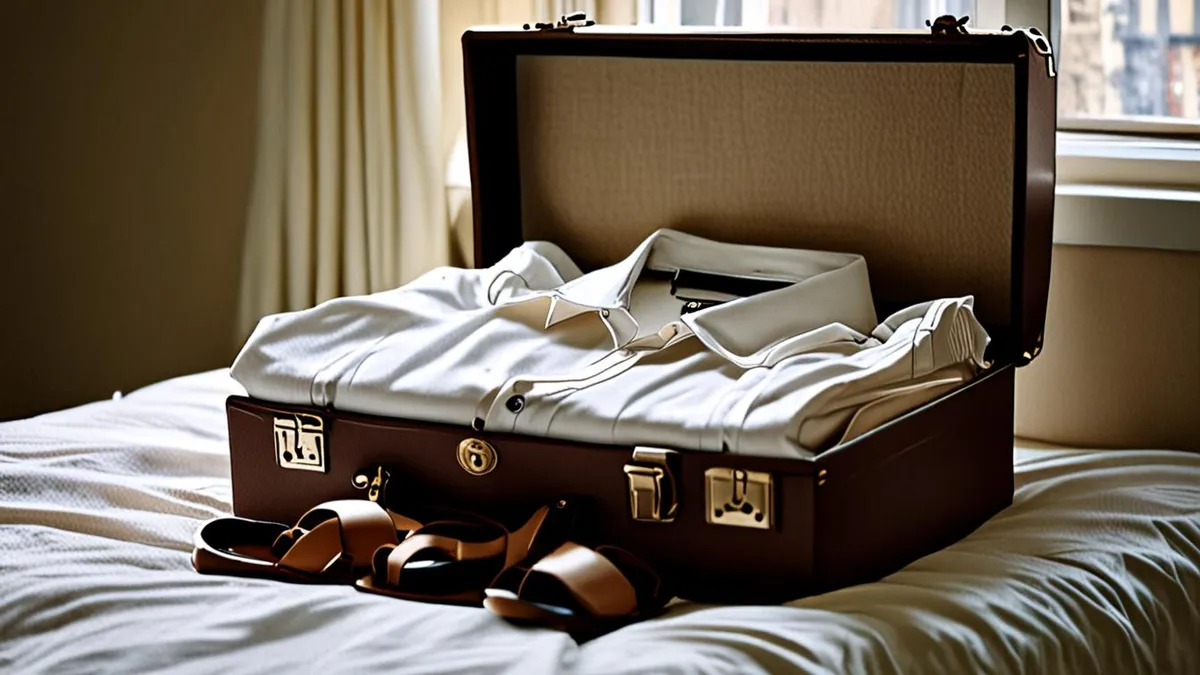
You don’t need a separate outfit for every dinner. Two or three smart-casual outfits will carry you through most resort weeks, especially if they can be re-worn. For men, that means linen trousers or chinos paired with a collared shirt or a neat polo. For women, a versatile dress or a trousers-and-top combination works on repeat, particularly in fabrics that don’t show creases. Aim for pieces that feel good after a full day in the sun, because comfort matters as much as appearance when dinner runs late.
Choose pieces you genuinely like wearing, because you’ll see them on photos for years. A linen dress that works at a beach buffet can be dressed up with accessories for a smarter venue, and the same pair of linen trousers can anchor several different tops across the week. Stick with neutral tones that flatter you, and every combination will look intentional rather than improvised.
- Dressier shoes: one pair is enough — leather sandals or loafers that stay comfortable in heat and pass the dress code at smarter venues, unlike canvas sneakers or rubber flip-flops.
- A light blazer or wrap: this is the piece that lifts a simple outfit to formal level, so a man can wear the same trousers on casual and formal nights, and a woman can throw a wrap over a plain dress.
- Accessories that multi-task: a belt and a few neutral accessories let the same trousers or dress read differently across the week without adding bulk to your bag.
The goal is a small set of pieces that work together rather than a complete outfit per evening. Think of it as a capsule: each item should pair with at least two others in your bag. Get that right and you’ll meet every dress code on property without overpacking, and you’ll spend your evenings enjoying dinner instead of worrying about what you’re wearing.
Footwear and Grooming Rules That Catch Travelers Out
Shoes are where most dress code surprises happen. Many fine-dining venues require closed or leather shoes for men, and some apply the rule to women as well. Flip-flops are usually banned from restaurants and bars after 6 pm, even at laid-back beach properties. If your evening plans include a specialty restaurant, pack a pair of leather sandals, loafers or dressy flats that pass inspection without hurting your feet.
Beachwear stops at the restaurant door
Beachwear is almost always banned from indoor restaurants in the evening, and that includes cover-ups worn over a swimsuit. Plan a real change of clothes before dinner rather than trying to stretch a swimsuit-and-sarong look past the host stand. A quick shower and one outfit swap takes ten minutes and spares you an awkward turn-back at the door.
Poolside is more forgiving. Swimwear at the pool bar is generally fine during the day and often into the evening, but the walk between the pool and your room or the buffet can cross public indoor spaces. Keep a light shirt, a tunic or a sarong in your pool bag so you can cover up for those transitions. The same trick works if you decide to stop for a drink on the way back from the beach.
Layering for Cooler Evenings and Different Climates
Tropical destinations feel relentless at midday and surprisingly cool after dark. Evening temperatures can drop 5-10°C after sunset, and a steady sea breeze or aggressive air conditioning inside restaurants makes it feel sharper still. A dinner outfit that felt perfect at 6 pm can leave you shivering by dessert, so plan a layer for every evening, not just the ones that look chilly on the forecast.
Layering matters even more at elevation. Resorts in the mountains need a proper jacket or a lightweight puffer even in summer, when days are warm but nights turn genuinely cold. If you are considering destinations like mountain resorts in South America, check typical evening temperatures for your travel dates and pack accordingly rather than assuming summer means light clothing around the clock.
One layer, several jobs
Choose layers that work double duty. A light scarf or a cardigan adds warmth on a breezy terrace and covers bare shoulders where a dress code or a place of worship nearby requires it. A pashmina-style wrap for women or an unstructured blazer for men slips into a day bag easily and lifts a smart-casual outfit at the same time. Pack layers in neutral colors so they work with every dinner outfit you brought.
Packing Light Without Breaking the Code
Meeting a resort dress code does not require a second suitcase. The trick is choosing pieces that pull weight across all three tiers, from poolside casual to formal night. Two fabrics do most of that work: linen breathes in tropical heat and looks intentional even when slightly rumpled, while merino wool resists wrinkles, handles cool evenings and can honestly be worn twice without anyone noticing.
A limited color palette is the other half of the equation. Pick two colors that flatter you, such as navy and white or olive and cream, and keep every top, bottom and layer within that palette. When everything mixes with everything, three pieces become six outfits, and formal night stops being a packing crisis.
- Roll, don’t fold, your linen. Rolling creates softer creases than folding, and linen wrinkles hang out naturally within an hour of wearing.
- Choose a blazer in a textured fabric. A linen or seersucker blazer reads formal enough for elegant nights yet looks relaxed with chinos, unlike a stiff business jacket.
- Pack one dark trouser or dress that works twice. A single dark bottom pairs with a collared shirt for smart-casual and with the blazer for formal night.
- Keep one spare top per outfit. A spill or a sweat-soaked afternoon shouldn’t cost you a dinner look; one extra top per outfit covers it.
The final formula is simple: one blazer plus two trousers or dresses covers casual, smart-casual and formal evenings across a full week. Add your dressier shoes and a layer or two, and you are ready for any dress code the resort prints on its restaurant door.
Your Resort Evening Packing Checklist
So here is the answer to the problem that catches so many travelers: you packed for the beach, then found out your resort expects long trousers and closed shoes at dinner. Before you book, check which of the three evening tiers applies — casual, smart-casual or formal — and confirm the per-restaurant rules, since specialty venues are usually stricter than the buffet.
As for the suitcase itself, keep it simple: two or three smart-casual outfits, one blazer or wrap, and a single pair of leather sandals or loafers that can handle both heat and a formal dining room. Toss in a light scarf for evenings when the temperature dips, and stick to wrinkle-friendly fabrics in a limited color palette so every piece mixes together. That way you stay within the code without overpacking. If this checklist helped you sort your suitcase, leave a comment or share the article with a fellow traveler.