Botswana’s wildlife changes dramatically month by month, so picking the wrong season can mean missing the very sightings you booked for. Travelers who arrive expecting huge elephant herds may find dispersed game and tall grass instead, while those chasing lush landscapes and newborn antelope might struggle through heat and dust. The best time to visit Botswana lodges depends entirely on what you want to see, whether that’s predators on the floodplains, mokoro trips through winding channels, or migrant birds in full breeding color.
This guide breaks down Botswana’s two main seasons, explains how the Okavango Delta flood shapes water-based activities, and walks through month-by-month wildlife highlights. You’ll also find practical advice on green season savings, how far ahead to book popular camps, and how to match your travel dates to the experience you’re after. By the end, you should know exactly which months fit your safari style and budget.
Botswana’s Two Seasons at a Glance
Botswana essentially has two seasons rather than four: a dry season from May to October and a green season from November to April. This simple split shapes everything about a safari here, from what animals you’ll see to how much your lodge will charge per night.
The dry season advantage
During the dry months, vegetation thins out dramatically and water becomes scarce away from rivers and permanent waterholes. Animals concentrate around these reliable water sources, which makes wildlife far easier to find and observe. For first-time safari-goers, this is typically the most rewarding window, with clear skies and comfortable daytime temperatures for much of the period.
What the green season offers
From November to April, the landscape transforms. Rain brings fresh grass, wildflowers and newborn animals, and lodge rates drop noticeably. The trade-off is thicker bush that can hide game, so sightings sometimes require more patience and a good tracker. Photographers often love this period for its dramatic skies and vibrant colors.
Most rain falls between December and March, and it usually arrives as short, sharp afternoon thunderstorms rather than all-day downpours. Mornings are frequently clear and excellent for game drives, so a rainy forecast rarely ruins a safari. Still, some remote camps close or reduce activities during the wettest weeks, so check with your lodge before booking travel in this window.
Dry Season: Peak Wildlife Months
If your priority is big game, plan your trip for the dry season months of July to October. This is prime time in Chobe and the Linyanti, where enormous elephant herds gather along the rivers as inland water sources dry up. It’s not unusual to see dozens of elephants drinking, bathing and crossing together in a single sighting.
The trade-off: heat and dust
September and October are the hottest and dustiest months of the dry season, with dry, hazy conditions that can test your patience on long game drives. Many seasoned travelers consider it a fair exchange, because these months deliver the most reliable big-game sightings of the year. Animals have fewer places to hide and fewer places to drink, so predators and prey converge in predictable spots.
Booking and budget realities
Peak demand means peak prices. Lodge rates reach their highest levels in these months, and competition for campsites and prime rooms is fierce. The most sought-after camps along the Chobe River and in the Linyanti private concessions can fill up many months in advance. If you’re set on traveling in July to October, reserve early and be flexible about which camps you choose. Travelers who book late often have to settle for less conveniently located lodges or pay premium rates for whatever remains.
The Okavango Delta Flood Timing
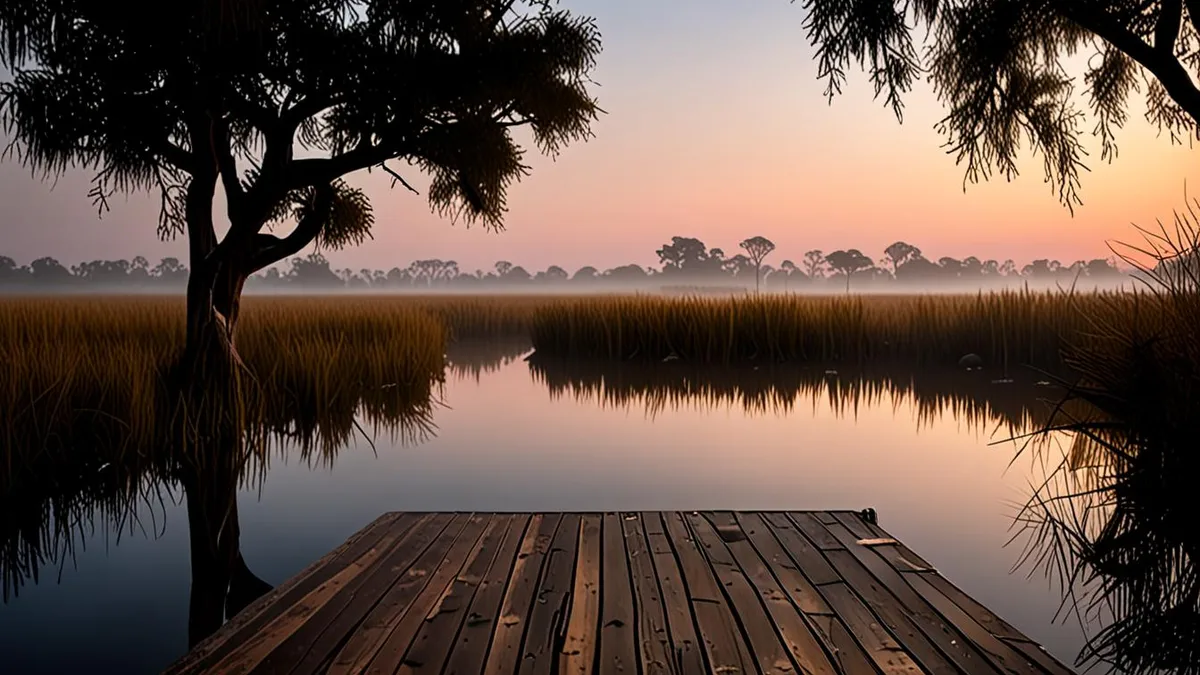
The Okavango Delta works on its own schedule, quite separate from local rainfall. Its floodwaters arrive from the Angolan highlands, typically reaching the Delta around June to August and peaking near July. This means the Delta is often at its fullest during Botswana’s dry season, when rain is scarce, a quirk that surprises many first-time visitors.
Best months for water activities
For travelers dreaming of gliding through channels in a mokoro, timing matters. Water-based activities like mokoro trips are generally best from roughly June to September in the permanent Delta camps, which sit in areas that hold water year-round. During these months you can expect reliable boating, mokoro excursions and the chance to spot wildlife from a completely different perspective, poling quietly past reed beds and lily pads.
When outer camps switch to land activities
Not all Delta camps enjoy permanent water. Some camps on the outer edges of the Delta operate on seasonal floodplains, and when water levels drop later in the year, they switch to game drives only. This isn’t necessarily a drawback, since dry-season game drives in these areas can be excellent. But if mokoro trips or boating are central to your idea of a Delta safari, confirm with your camp which activities will be running during your travel dates before you book.
Green Season: Value and New Life
If your budget matters more than perfect game viewing, the green season from November to April is worth a serious look. Lodge rates in these months are often 30-50% below peak dry season prices, which can turn a once-in-a-lifetime trip into something you can actually afford to extend by a few nights. If you want a sense of how these savings compare across the continent, this breakdown of what a safari lodge stay really costs puts the numbers in context.
The bush itself becomes a nursery between December and March. This is calving season, when impala, wildebeest and other antelope drop their young across the short green grass. Where there are newborn animals, predators are rarely far behind, so sightings of lions, cheetahs and wild dogs interacting with the herds can be dramatic.
Birders, meanwhile, get their best window of the entire year. Migratory species arrive from November to April, joining Botswana’s resident birds in full breeding plumage. Expect challenges too: rain falls most heavily December to March, usually as afternoon thunderstorms, and thicker vegetation can make animals harder to find.
- Lush photography conditions: Clean air after rain, dramatic skies and vivid green backgrounds give landscape and wildlife shots a completely different feel than the dusty dry season.
- More flexibility at camp: Lower occupancy means lodges can often be more flexible with room upgrades, private vehicle requests and itinerary changes.
- Fewer vehicles at sightings: Popular sightings are less crowded, so you may share a leopard sighting with one other vehicle instead of five.
- Storm drama without all-day washouts: Much of the rain arrives as short, sharp afternoon thunderstorms, leaving mornings clear for game drives.
Wildlife Migrations and Month-by-Month Highlights
Botswana’s wildlife movements are tied to water, so timing your trip around the rains can transform what you see. The most famous spectacle is the zebra migration in the Makgadikgadi region, where herds move with the rains, roughly from November to March, traveling between the Boteti River and the fresh grazing that appears around the salt pans. Stand quietly near a waterhole in these months and you can watch hundreds of zebras come in to drink.
Shoulder season: April and May
April and May sit in a sweet spot between seasons. The landscapes are still green from the rains but steadily thinning out, which makes animals easier to spot than in the heart of the green season. Visitor numbers are lower too, so you get a quieter, often more affordable safari without sacrificing decent game viewing.
Then there is October, the month that divides safari travelers. As waterholes shrink across the country, game concentrates dramatically around the remaining water, producing some of the most reliable big-game viewing of the year. The trade-off is heat: temperatures can climb above 35°C in some areas, and the air is thick with dust. Pack light clothing, a good hat and plenty of patience, and October rewards you with scenes you won’t get any other month.
How Far Ahead to Book Botswana Lodges
Botswana’s best camps are small by design, and that is exactly why booking early matters. Unlike large safari lodges that can absorb last-minute arrivals, a camp with a handful of rooms has only a few beds to sell each night. During the busy dry months of July to October, demand from international travelers far outstrips supply, and the most sought-after properties can fill their calendars long before many visitors have even settled on dates. The result is simple: travelers who wait often find their first choices gone, while early bookers get their pick of rooms, guides and itineraries.
- Decide on your travel window first. Knowing whether you want peak dry season game viewing or green season value determines everything else, since availability patterns differ sharply between the two. Your window also affects rates, water levels in the Delta and which camps are operating as usual.
- For July to October travel, book 9-12 months ahead. These peak months are when demand is highest and the most sought-after camps fill their calendars first, so early reservations give you real choice rather than leftovers.
- For green season trips, plan 3-6 months out. November to April is generally easier to book, and travelers with flexible dates can sometimes find last-minute discounts at camps trying to fill empty rooms.
- Check camp size before committing. Small camps with just 6-10 rooms sell out first, so confirm availability at your preferred properties before locking in international flights.
- Book flights only after your camp is confirmed. Botswana’s camps are often reached by light aircraft, so aligning flights with confirmed room availability avoids expensive changes later.
If your dates are fixed and your first-choice camp is full, a good safari operator can often suggest a nearby alternative with similar wildlife and terrain. Operators work with multiple camps in each region, so they usually know which properties still have space and which suit your style, whether that means walking safaris, boat activities or classic game drives. Staying flexible on camp, rather than on dates, is usually the easier path to a great trip. And if you do end up booking late, ask about cancellation lists: plans change, and rooms do occasionally reopen even in peak season.
Matching Your Trip to the Right Month
There is no single “best month” for a Botswana safari, only the best month for what you want to see. If your heart is set on big game, July to October delivers the most reliable sightings, and June to September is the sweet spot for mokoro trips and other water activities in the Delta. If you would rather stretch your budget, November to April brings lower prices, superb birding and baby animals, with the trade-off of thicker bush that can hide the game.
For many travelers, the shoulder months hit the balance just right: April, May and November combine decent game viewing with softer rates and fewer crowds. Match the season to your priorities, book early for the popular months, and Botswana will reward you at any time of year. Have a favorite month for a Botswana safari, or a question about timing? Share it in the comments or pass this article along to a fellow traveler.