Every traveler planning a European city break faces the same question: is it actually cheaper and easier to go in spring, or does summer’s good weather come at a price you only notice once you’re standing in a two-hour queue? The debate over spring vs summer city breaks isn’t just about sunshine — it’s about how much you pay for a hotel room, how crowded the old town feels, and whether you spend your trip sightseeing or sweating.
The answer depends on what you value most. This article breaks down the real trade-offs: how hotel rates shift between the seasons, what occupancy levels mean for queues and restaurant tables, when to book each season for the best rates, how to choose a hotel that suits the weather you’ll get, and which cities reward spring travelers versus summer ones. By the end, you’ll know whether your money and patience are better spent in April or July.
Spring vs Summer City Breaks: The Core Trade-Off
The fundamental choice between spring and summer comes down to what you’re willing to trade. Spring, running from April to early June, offers slightly cooler and less predictable weather, but in exchange you typically pay 15-30% less for your hotel room and share the streets with noticeably thinner crowds. Summer, from mid-June to late August, delivers long daylight hours and reliable warmth — but you’ll pay peak prices and compete for space in cities that often run at more than 85% occupancy.
What spring gives up — and what it gets you
Spring weather can be a gamble. A mild April afternoon might be followed by a rainy, windy day, so packing layers is essential. But that unpredictability is exactly what keeps rates down and queues short. If your itinerary is flexible — a museum-heavy day for wet weather, a walking day for sunshine — spring rewards you with lower costs and a calmer city.
Where the difference matters most
The choice between seasons matters most in southern European cities. In places like Rome, Athens or Seville, summer heat can make midday sightseeing genuinely uncomfortable, pushing you to explore early in the morning or late in the evening. In those cities, spring isn’t just cheaper — it’s often simply more pleasant. Northern capitals, where summer is milder, soften the trade-off, but the price gap remains everywhere.
How Hotel Prices Shift Between the Two Seasons
Hotel prices follow demand, and demand in Europe’s major capitals peaks hard in July and August. If you travel in spring, you can expect noticeably lower rates for comparable rooms in the same neighborhoods. That difference adds up quickly over a three-night stay, and it often means you can afford a better-located hotel for the same budget. In practice, the money you save on the room can go toward a nicer dinner, a museum pass or an extra night.
Why August stands out
In northern European cities, August is typically the single most expensive and busiest month of the year. School holidays, festival season and peak leisure travel all overlap, pushing both demand and rates to their ceiling. If your trip must fall in summer, early July usually costs less than late August — though checking current rates is always wise, since events can shift the pattern in any given year. A conference, a music festival or a major sporting event can send prices in one city soaring while its neighbors stay reasonable.
The shoulder-month sweet spot
May and September often deliver the best price-to-weather ratio of the entire year. You get mild conditions and shoulder-season pricing, with rates closer to spring levels while the weather still feels summery. Weekend surcharges are another factor to watch: they’re steeper in summer, when city leisure demand overlaps with concerts, festivals and events. If your dates are flexible, shifting a summer weekend trip to midweek can shave a noticeable amount off the bill, and midweek rooms are often easier to find in central locations too. For a fuller breakdown of booking timing, see this guide to when to book hotels for better rates.
Crowds, Queues and the Feel of Each Season
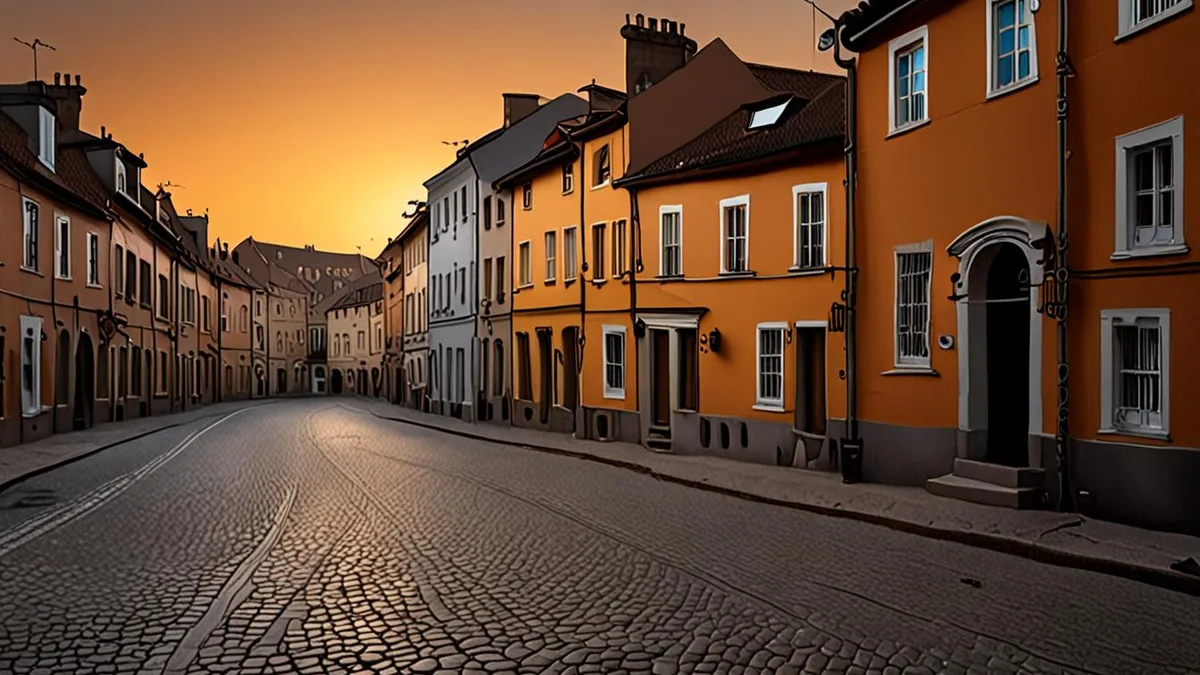
Crowds are the part of the trade-off that price comparisons don’t show you. In summer, when occupancy in popular cities often exceeds 85%, the effects ripple through your whole day: longer queues at major sights, harder-to-book restaurants and slower walks through the old town. In spring, occupancy usually sits between 60-75%, which keeps historic centers walkable and leaves café terraces with empty tables.
School holidays play a big role. July and August concentrate family travelers in the most popular cities, filling family rooms first and adding stroller traffic to already busy streets. Spring, by contrast, offers a calmer atmosphere in compact capitals like Vienna, Prague and Lisbon — cities that are a joy to explore on foot when you’re not shoulder-to-shoulder. If Lisbon is on your list, choosing the right base makes a calm trip even better; this guide to the best areas to stay in Lisbon for first-time visitors covers the options.
- Queue times at headline sights can stretch from minutes in spring to well over an hour in peak summer, so a timed-entry ticket matters far more in July than in May.
- Restaurant reservations are rarely necessary in spring outside the most famous tables, while summer dinners in popular districts often need booking a day or more ahead.
- Family-room availability tightens sharply during the July-August school holidays, so families traveling in summer should lock in rooms months earlier than couples do.
- Photo opportunities improve in spring: landmarks like Charles Bridge or Belém Tower can be photographed without crowds in the early morning, something much harder to manage in high summer.
When to Book for Each Season
Timing your booking matters almost as much as picking the season itself. The good news is that the windows are fairly predictable: summer city stays reward early planners, while spring trips give you more flexibility. Here’s how to approach each one.
- Set a reminder for summer bookings 3-6 months out. Rates for peak season climbs tend to rise steadily as availability shrinks, and the best-located rooms go first. Booking in this window locks in a price before the heaviest demand kicks in, and you’ll still have a decent range of hotels to choose from.
- Plan spring trips 1-3 months ahead. With occupancy typically sitting in the 60-75% range, you don’t need to commit as early. Booking one to three months out usually gets you a fair price and a solid choice of neighborhoods without the pressure of peak-season competition.
- Watch for last-minute spring deals, but act fast. Because spring demand is softer, hotels occasionally discount unsold rooms close to arrival dates. It’s a gamble, though, and it works best if you’re flexible on where you stay.
- Don’t count on last-minute luck for central locations. In both seasons, the most central hotels sell out first. If being walkable to the main sights is a priority, book early regardless of when you’re traveling.
One extra tip: if your dates are flexible, check prices across a few weeks before committing. Shifting a spring trip by even a few days can sometimes land you a noticeably better rate, especially around events or holidays that spike demand in an otherwise quiet month. And whatever window you book within, skim the cancellation terms before paying—plans change, and a flexible rate is often worth a small premium.
Choosing the Right Hotel for the Season You Pick
The season you choose should shape the kind of room you book, not just the price you pay. In summer, the two non-negotiables are air conditioning and a quiet location. Many older European hotels still treat AC as an optional extra, and a room facing a bar-filled street can cost you sleep on top of the heat you paid to escape.
Spring flips those priorities. With daytime temperatures in many cities sitting comfortably in the 15-25°C range during May, you will likely spend your days walking rather than retreating indoors. That makes the neighborhood matter more than the gym or rooftop pool. A modest guesthouse a short stroll from the old town often beats a full-service hotel near the station.
Timing matters too, especially for summer. Because you book those trips 3-6 months ahead, you are committing long before you know your schedule, so flexible cancellation is worth a small premium. For spring trips booked 1-3 months out, you have more room to change plans without penalty.
- Ask where the AC unit is. Some budget hotels cool only common areas, or leave the unit off until you request it, which matters on a hot August night.
- Request a courtyard or rear-facing room. These often cost the same as street-facing ones but cut noise dramatically in summer.
- Read recent reviews filtered by month. A hotel that feels quiet in April can sit above nightlife that only ramps up in summer.
- Consider a homestay for local character. Hosts can point you to neighborhood cafés and walking routes, which suits spring’s slow, wander-friendly pace better than a business hotel does.
- Check if breakfast is included in summer. Popular cafés near major sights fill early, and skipping the queue saves both time and energy in the heat.
Cities That Reward Each Season
Not every city rewards the same season. The bigger the gap between spring and summer conditions, the more your choice of dates shapes the whole trip.
Where spring is the smarter pick
Southern destinations like Sicily and Madeira are at their best before the coastal heat peaks. In Sicily, late spring means mild days for wandering hill towns and exploring Greek temples without wilting by mid-afternoon; by midsummer, temperatures on the coast can make midday sightseeing genuinely uncomfortable. If you’re weighing a stay there, our guide to Sicily hotels for coastal heat covers what to look for. Madeira follows a similar logic: spring brings green levada walks and comfortable hiking weather, while summer can feel hot and busier with holiday crowds.
Where summer earns its price tag
Northern capitals work the other way around. Dublin and Edinburgh both shine in summer, when daylight stretches late into the evening and outdoor festivals fill the calendar. Edinburgh in particular is built for long summer evenings — you can climb Arthur’s Seat after dinner and still have light to spare. In these cities, paying peak rates buys you something real: reliable weather and hours of extra usable daylight that a cool, showery spring day simply can’t match.
Alpine-adjacent cities such as Lucerne and Zurich sit comfortably in both camps. Summer suits them well, with lake swims and mountain day trips in full swing, but spring is quieter and typically cheaper, with snow still visible on the peaks and lakefront promenades far less crowded. If your priority is a relaxed, walkable city stay rather than maximum sunshine, spring is the easy call here.
The Takeaway: Matching Season to Trip Style
So which season actually saves you money and hassle? Spring wins on price, with hotel rates typically 15-30% below the July-August peaks, and on calmer streets where you can actually enjoy the old town instead of queuing through it. Summer wins on certainty: reliable warmth and long evenings that stretch your sightseeing well past dinner.
The booking windows differ too. Plan summer trips 3-6 months ahead to lock in a rate before peak demand, while spring trips can usually be booked 1-3 months out with good choice still available. If your dates are flexible, consider aiming for the shoulder months: May and September tend to pair mild 15-25°C days with pricing well below the summer highs. If this helped you plan your next city break, leave a comment or share the article with a fellow traveler.