First time glamping often goes wrong before you even arrive. Newcomers book the wrong site, pack the wrong gear and show up in the wrong season, turning what should be a luxury escape into a stressful scramble. A canvas tent with no heating in a cold snap or a remote dome with no shop nearby can catch anyone off guard.
The good news is that every one of these mistakes is avoidable. This guide walks through the six most common errors first-timers make: booking too late, choosing a unit that doesn’t match your comfort level, ignoring the season and climate, packing wrong, misjudging how remote the site really is, and expecting a hotel experience in a natural setting. Fix these and your trip becomes what glamping is meant to be: comfortable, memorable and genuinely relaxing.
Mistake #1: Booking Too Late or at the Wrong Time
The biggest mistake new glampers make is treating a glamping reservation like a walk-in campsite pitch. It isn’t one. You’re booking a fixed structure with limited availability, often just a handful of tents, domes or cabins on an entire property. Popular sites sell out 2-3 months ahead for summer weekends, so treat glamping like a hotel booking, not a campsite. If you want a specific dome on a specific Saturday in July, waiting until two weeks before is a good way to end up with nothing, or with a site that wasn’t your first choice.
Go shoulder season and breathe easier
If your dates are flexible, aim for the shoulder seasons. Trips in May-June or September typically mean lower rates and far better availability, and you’ll often share the site with fewer people. The weather in these months is usually pleasant too, though always check the local climate before fixing dates.
Read the fine print before you pay
One more step many first-timers skip: check the cancellation terms. Many glamping operators run stricter policies than hotels, sometimes requiring longer notice for a refund or offering credit instead of money back. Read them before entering your card details, not after your plans change. A five-minute check now can save you the full cost of the booking later.
Mistake #2: Choosing a Site That Doesn’t Match Your Comfort Level
“Glamping” covers everything from a basic safari tent with shared facilities to a heated dome with a private bathroom and full kitchenette. The word alone tells you almost nothing, so compare what’s actually included before you book. Real beds, heating, a private bathroom and a kitchenette vary widely between tents, domes and cabins, and two sites using the same label can offer very different experiences.
Photos are marketing; reviews are reality. Read recent reviews specifically for noise, insects and wifi quality rather than relying on staged images. A gorgeous tent at golden hour might sit next to a busy road, or attract every mosquito in the valley after dark. Guests who stayed last month will tell you.
Then there’s the price. Glamping typically costs 2-4 times more than traditional camping per night, so verify that the price matches the amenities before committing. If you want a deeper look at how the two compare, this guide on glamping vs camping: costs, comfort and what to expect breaks it down in detail.
When comparing listings, dig into these details:
- Bathroom situation: confirm whether it’s en-suite, private but in a separate building, or shared with other guests, since this changes your morning routine completely.
- Bedding and linen: some operators provide made-up beds with proper duvets, while others expect you to bring sheets even though the bed is “real”.
- Power and lighting: check if the unit has mains electricity, solar power with limited capacity, or just lanterns, because this affects charging phones and evening light.
- Cooking options: a kitchenette, a shared outdoor kitchen and a simple barbecue rack are three very different levels of self-catering.
Mistake #3: Ignoring the Season and Climate
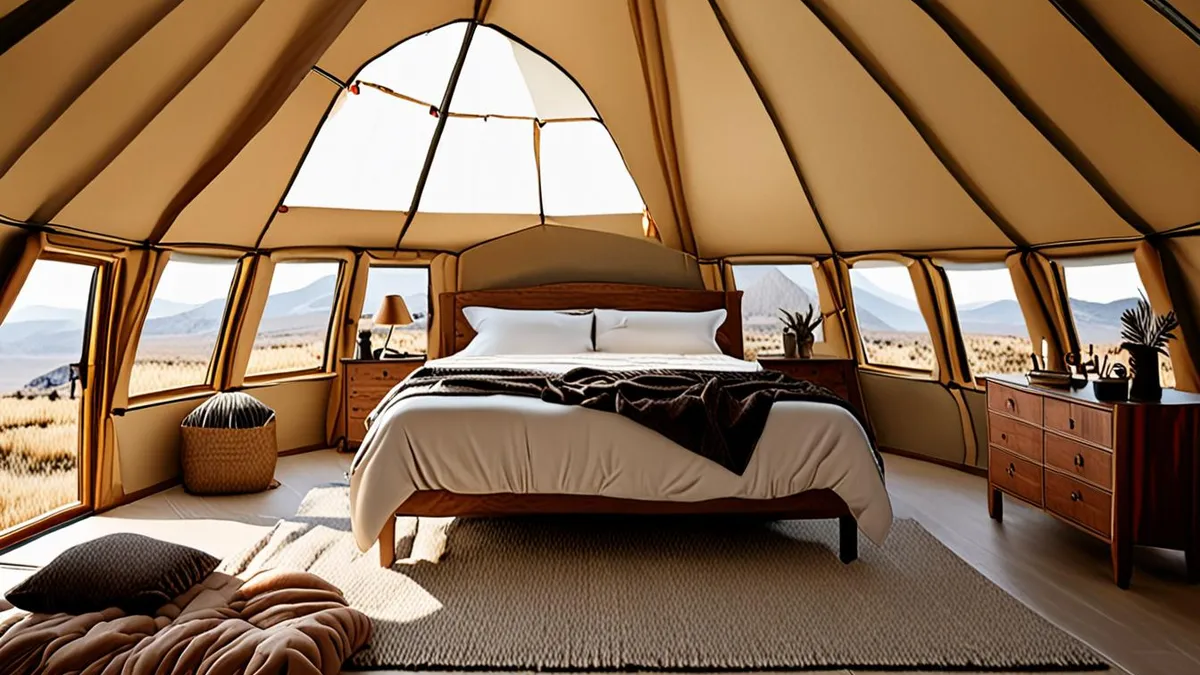
A tent that feels magical in July photos can feel miserable in a cold, wet week. Ignoring the season is one of the easiest mistakes to make, because glamping sites look good in pictures all year round. The reality is that night temperatures can fall below 10°C even in summer in many glamping regions, so confirm whether your unit has heating or extra blankets before you book. A wood stove or electric heater changes everything after dark.
Rain changes the whole trip
Rainy seasons change the experience completely. Wooden walkways get slippery, outdoor lounging areas go unused, and you may spend more time inside your unit than you planned. Research regional weather patterns before fixing dates rather than assuming summer means dry. For a concrete example of how much seasons matter, see this guide on when to go glamping in Portugal: best seasons and regions, which shows how the same country can offer very different trips depending on the month.
Check the site is actually open
Finally, ask the host about seasonal closures. Some sites operate only part of the year, closing during the wettest or coldest months, and a few reduce facilities like restaurants or pools outside peak season. A quick message before booking confirms the site is fully open, fully staffed and exactly what you’re expecting when you arrive.
Mistake #4: Packing Wrong for a Glamping Trip
Packing for glamping trips trips up first-timers in two opposite directions: some bring a full camping kit they will never use, while others assume the tent comes with everything and arrive unprepared for the outdoors. The truth sits in the middle. Your unit usually provides the bed, linens and basic furniture, but you are still sleeping in nature, where conditions shift quickly.
The biggest packing mistake is ignoring temperature changes. In many glamping regions, a 10-15°C swing between day and night is normal, so that warm afternoon can turn into a chilly evening on the deck. Pack in layers: a t-shirt, a warm mid-layer and a windproof outer layer will cover you from lunch to bedtime far better than one heavy jacket.
Before you start stuffing a duffel bag, check the packing list your host provides for your stay type. A safari tent, a dome and a cabin each come with different equipment, and the host knows exactly what is included. If you want a detailed, item-by-item checklist, this complete packing guide for a luxury safari tent stay breaks it all down.
One thing you should never skip, even when the site looks fully equipped, is a small personal kit. These items take almost no space but save real frustration:
- Headlamp: sites often have low or motion-activated lighting, and a headlamp keeps your hands free for the walk to the bathroom or for reading in bed after dark.
- Refillable water bottle: water points can be a walk from your unit, and having a bottle at your bedside means you are not fumbling around at 2 a.m.
- Quick-dry towel: useful for lake swims, unexpected rain or sites where towels are provided but changed infrequently, and it packs down small.
Leave the bulky gear at home. Sleeping bags, camp stoves, coolers and tents are unnecessary when the operator supplies proper beds, heating and kitchen facilities. Extra luggage only clutters a small space, so pack light and trust the packing list.
Mistake #5: Misjudging the Remote Location
Glamping sites are often built in beautiful, out-of-the-way places, and that remoteness catches many first-timers off guard. The last stretch of the journey can involve unpaved roads, no signage and a phone signal that disappears well before you arrive. Some hosts even give you a pin location that your navigation app struggles to interpret once you leave the main road. A little preparation turns this from a stressful arrival into a smooth one, so treat the drive itself as part of the trip and plan it with the same care you put into choosing the site.
- Download offline maps before you leave. Save the area around the site in your map app while you still have coverage, and confirm the exact access route with the host. Many glamping sites sit down unpaved roads that GPS may not route correctly, so knowing the final turn in advance matters.
- Ask about the road conditions. If you are renting a car, check whether a high-clearance vehicle is recommended for the access road, especially after rain. The host can tell you what to expect and where to park.
- Buy groceries and fuel before arrival. The nearest shop can be 30+ minutes away, and some rural stations close early. Plan a proper stop on the way so you are not driving back down a dark road for milk.
- Check phone coverage in advance. Ask the host which areas of the site have signal, if any. Some locations have none at all, which is part of the charm but requires planning.
- Get emergency contacts before you lose signal. Save the host’s direct number, the local emergency number and the site’s address in your phone, and write the address down on paper as a backup for navigation or emergencies.
Treat the remoteness as part of the experience rather than a problem to solve. Arriving prepared, with full fuel, stocked food and offline directions, means you can switch off and enjoy the quiet the moment you arrive. If you are traveling with kids or arriving after dark, mention your expected arrival time when you book so the host can leave a light on or meet you at the gate. Ten minutes of planning makes the whole stay easier.
Mistake #6: Expecting a Hotel Experience in a Natural Setting
The word “glamping” promises comfort, but it does not promise a hotel. You are still staying in or beside nature, and that comes with realities no operator can remove. Insects will find their way in on warm evenings. Temperatures will swing between afternoon and night. Birds and sunlight will wake you early, because canvas and large windows do not block the dawn. These are features of the setting, not service failures, and arriving with that mindset makes the whole stay more enjoyable.
That said, comfort expectations should still be met where the operator promises them. The key is knowing what you booked and what the host expects from you.
Read the house rules before you arrive
Every glamping site has its own house rules, and they are usually listed in your booking confirmation or the host’s listing page. Check them before arrival, not after a problem comes up. The most common rules cover quiet hours, campfires and pets. Fire rules in particular matter: some sites allow open flames only in designated fire pits, and some ban them entirely during dry periods. If you were planning to bring a dog or host a late evening around the fire, confirm it is permitted first.
Communicate special requests at booking time
Dietary needs, mobility considerations, celebration setups or questions about heating are all much easier for a host to arrange when they know in advance. A message sent at booking time gives the operator days to prepare; a request made on arrival often gets a shrug. Write your needs clearly when you reserve, and ask the host to confirm what they can provide. This single habit prevents most of the disappointments first-time glampers report, and it helps the host deliver the experience they want you to have.
Your First Glamping Trip, Done Right
Most glamping disappointments come down to three things: choosing a unit that doesn’t fit your comfort needs, showing up in the wrong season, and being underprepared for a remote location. None of these are hard to avoid. Treat popular sites like hotel rooms and reserve 2-3 months ahead for summer weekends. If your dates are flexible, shoulder months like May-June or September usually mean lower rates and fewer crowds. And before paying, match the tent, dome or cabin to your actual comfort expectations rather than the photos.
From there, it’s mostly about mindset and small preparation: layer your clothing for chilly nights, carry a few everyday essentials even when the site looks fully equipped, and arrive expecting a nature-first experience instead of a hotel lobby. Sidestep these missteps and your first glamping trip should feel like a smooth, memorable escape. If this helped you plan, leave a comment or share the article with a friend.