Yurts look impossibly cozy online: round canvas walls, a skylight full of stars, a wood stove glowing in the photos. But a yurt is not a cabin, and it is not a tent either. Pack wrong for a canvas home that heats up fast in the sun and chills quickly after dark, and you can spend a beautiful trip shivering, swatting bugs or fumbling around in the dark. That is why a smart yurt stay packing list matters more than for almost any other kind of getaway.
This guide walks you through what actually goes in the bag, season by season. We start with how a yurt differs from a tent or cabin, then cover the research to do before you pack, a core list that works year-round, and dedicated packing advice for summer, winter and the shoulder seasons of spring and autumn. By the end, you will know exactly what to bring, what to leave home and which questions to ask your host first.
How a Yurt Stay Differs From a Tent or Cabin
A yurt sits somewhere between camping and a cabin, and that in-between status is exactly why packing for one trips people up. The walls are canvas, not logs or drywall. Canvas has almost no insulation value, which means the inside temperature tracks the outside temperature much faster than a cabin would. A sunny afternoon can turn the yurt into a greenhouse, and once the sun drops, that same heat escapes quickly. Your insulation, in practice, is the clothing you bring, not the building itself.
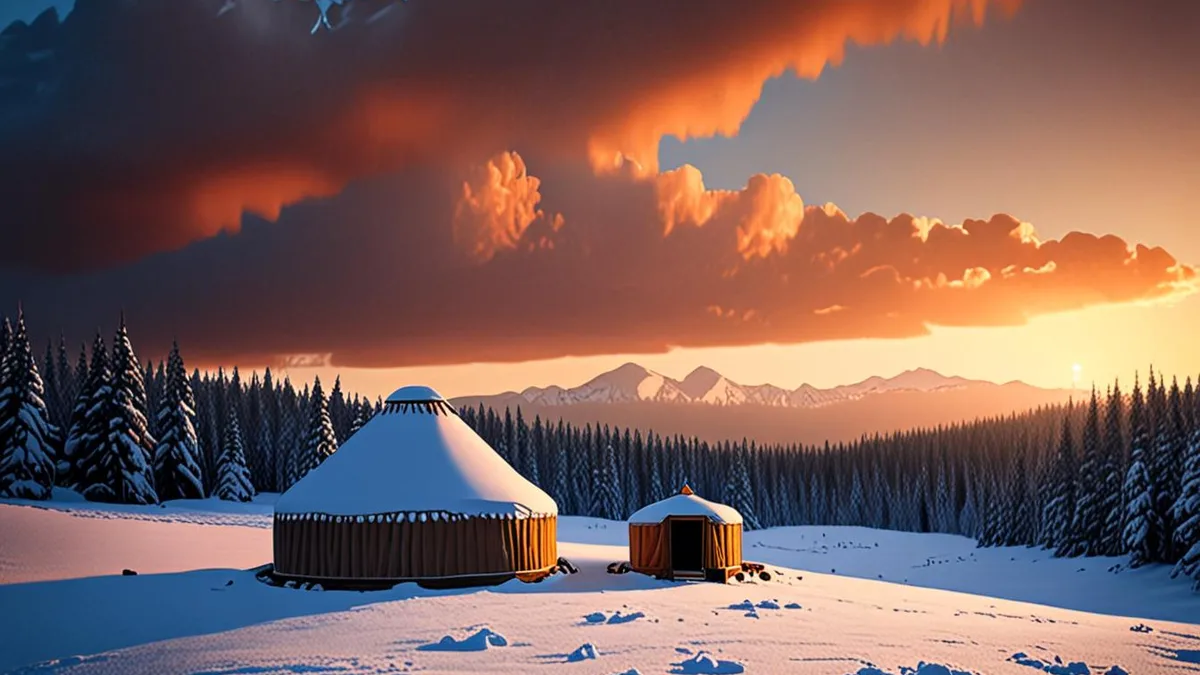
Location matters too. Most yurts sit on wooden platforms in open meadows rather than tucked into sheltered forest campsites. That open setting gives you great views and stargazing, but it also exposes you to stronger wind and a sharper night chill than you would feel among trees. A fleece that feels optional at a forest campground can be essential at a meadow yurt.
Amenities vary more than you might expect
The biggest packing variable is what the yurt actually contains. Some are close to fully equipped, with a wood stove, a small kitchen, cookware and real beds with duvets. Others are deliberately simple: a bed frame, maybe a mattress, and a fire ring outside. Showing up expecting a stove and finding only beds is one of the most common ways a yurt trip goes wrong, so check the listing carefully before you pack a single item.
Booking and Pre-Packing Research
Good research before booking saves you from packing blind. Yurts in popular areas fill up quickly, and the details that shape your packing list, like water access and heating, are rarely obvious from photos. A listing can show a beautiful canvas structure on a sunny deck, but it may not tell you whether the tap works, whether firewood is stacked by the stove or whether the road to the platform is plowed in January. A short exchange with the host answers most of these questions and takes only a few minutes. It also gives you a realistic sense of the nightly rate, which typically ranges from about $80 to $250 depending on season and amenities, so you can judge whether extras like bedding or firewood are included or will cost you more. Work through these steps before you finalize anything.
- Book early for your season. Reserve peak-season yurts, roughly June to September, 2-3 months ahead, since summer weekends in scenic areas go first. Winter trips to yurts equipped with wood stoves typically need 1-2 months of lead time, which is less competitive but still worth planning around.
- Confirm exactly what the host provides. Ask specifically about bedding, towels, firewood and cooking gear. Many yurts supply beds with bedding but not towels, and some provide firewood while others expect you to bring or buy your own. Getting this list in writing tells you what to pack and what to leave behind.
- Ask about water and toilets. Find out whether there is a tap, a well, a stream or no water on site, and where the nearest toilet is. This determines how much drinking water you carry and whether a headlamp for nighttime trips across the deck is a nice extra or a necessity.
- Check winter access. If you are going between December and March, ask whether the road is passable and whether you will need to walk the last stretch. That answer decides between a rolling duffel and a backpack.
Once you have these answers, your packing list practically writes itself. Knowing there is a working tap means one less water container in the car, and knowing firewood is provided frees up space for extra layers instead. Send the questions before you book rather than after, because a yurt without water or winter road access may not suit your trip at all. Hosts generally appreciate specific questions, since they signal a guest who will arrive prepared and treat the site well.
The Core Packing List for Any Season
Whatever the season, some items earn their place in every yurt packing list. The logic is simple: canvas walls mean you regulate your own temperature, lighting is rarely guaranteed, and you will be walking in and out of the yurt across a wooden deck. Build your kit around those realities and the seasonal extras become easy additions.
Clothing is the foundation. Rather than packing one heavy jacket, think in layers you can add or shed as the yurt swings between sunny and shaded, day and night. A system rated for roughly -5°C to 25°C covers a full year of yurt trips when combined properly. Beyond clothing, a few items solve the most common yurt complaints before they happen.
- Layering basics: moisture-wicking base layers, a fleece mid-layer and a windproof shell. Choose base layers you can sleep in comfortably, since yurt mornings are often the coldest part of the day and getting dressed in bed beats standing on a cold deck in underwear.
- Headlamp or lantern: many yurts have no interior lighting at all, or weak solar power that fades by evening. A headlamp keeps your hands free for stove tending, and a small lantern makes card games and reading possible after dark.
- Slip-on camp shoes or insulated slippers: platform decks get cold underfoot fast, and lacing up boots for a midnight bathroom run gets old on night one. Keep sturdy shoes for the walk in from the parking area, and slip-ons for everything else.
- Refillable water bottle, quick-dry towel and a small daypack: the bottle handles refills wherever your host says water is available, the towel covers you when the yurt does not provide one, and the daypack carries snacks, layers and water on hikes and excursions away from the yurt.
With these five categories covered, you already have most of what any yurt stay requires. The seasonal sections that follow only add to this base, so pack it first and pack it every time.
What to Pack for a Summer Yurt Stay
Summer is the easiest season for a yurt stay, but it comes with its own packing quirks. Most yurts provide duvets or wool blankets on the beds, and while those are cozy in spring, they can feel downright toasty on July and August nights. Tuck a light sleeping bag liner or a simple cotton sheet into your bag so you can sleep under something breathable instead of kicking the provided bedding to the floor.
Because many yurts sit on open platforms in exposed meadows, you get full sun all day with little shade nearby. Sun protection matters more here than at a forest campsite, and the same open ground is prime habitat for biting insects once the evening warms up. Pack as if you will spend hours outside the yurt, not just inside it.
- Sleeping bag liner or flat sheet: silk or cotton liners pack down to the size of a water bottle and slide over the provided duvet, giving you a clean, cool layer without hauling a full sleeping bag.
- Wide-brim sun hat: a hat with a brim all the way around beats a cap on a treeless platform, where the sun hits your neck and ears from every angle by mid-afternoon.
- High-SPF sunscreen: choose a stick or small tube you can reapply on day hikes, since reflections off dry grass in a meadow can catch you by surprise.
- Insect repellent: a spray for clothing and a lotion or pump bottle for skin covers both your walk-in and your sunset time around the fire ring.
- Earplugs: long summer daylight means birds start singing well before you want to wake, and thin canvas walls do nothing to muffle the chorus.
One last summer tip: check whether your yurt has a cooler, fridge or shade storage for food. In direct sun, anything left on the platform warms up fast, so a small insulated bag is often worth the space.
What to Pack for a Winter Yurt Stay
Winter yurt trips, typically run from December to March where wood stoves are provided, demand a more serious kit than any other season. The stove keeps the yurt warm while it burns, but canvas walls lose heat quickly overnight, so your warmth depends on what you wear and what you sleep in. An insulated jacket, thermal base layers and a sleeping bag liner rated to around -5°C form the backbone of your packing list. If you want a sense of just how quiet and cold a remote winter night can get, spending a night deep in Alaska’s wilderness captures it well.
The walk from your car to the yurt is often the riskiest part of the trip. Platforms sit in open ground, paths get packed down into ice by other guests, and a slip with an armful of gear is no fun at -10°C. Dress for the walk-in, not just for lounging inside.
- Wool socks in multiples: pack at least two or three pairs so a damp pair from the walk in can dry by the stove while you wear a fresh set; merino blends resist odor on multi-night trips.
- Waterproof insulated boots: look for a boot with a rated temperature comfort zone and deep tread, since snowmelt on the platform deck freezes into slick patches overnight.
- Traction straps: lightweight rubber cleats that stretch over your boot soles cost little space in your pack and turn an icy path into a routine stroll.
- Matches or a lighter plus fire starters: if you tend the stove yourself, bring waterproof matches, a lighter as backup and a few wax or wood-shaving fire starters, because damp kindling at the yurt is common.
- Headlamp with fresh batteries: winter darkness falls early, and you may need both hands to carry firewood or adjust stove dampers after sunset.
Before you leave, ask the host how much firewood is stocked and whether you need to split or haul any yourself. Knowing the answer changes how much stove gear you carry in.
Shoulder-Season Yurt Packing: Spring and Autumn
May and October can be the loveliest months for a yurt stay, and the trickiest to pack for. Shoulder seasons in most northern regions swing around 10°C between midday and evening, so a t-shirt that feels perfect at 2 p.m. leaves you shivering by the fire ring at 8 p.m. The fix is simple: pack warm layers for the evenings and lighter clothes for midday, and plan to add and shed layers several times a day.
Spring brings rain, and autumn brings storms, often with little warning. A waterproof shell and a pack cover protect both you and your gear on the walk in, which matters if your yurt is a 15-minute carry from the parking area. Wet layers that go unworn are annoying; wet layers you need tomorrow are a real problem.
- Extra blanket: shoulder-season stays may have limited or no heating, so a compact synthetic or wool throw turns a chilly 3 a.m. into a non-event without requiring you to run the stove all night.
- Hot-water bottle: a small rubber bottle filled from the kettle at bedtime warms the foot of your bed for hours and weighs almost nothing.
- Pack cover plus a dry bag: a rain cover keeps the outside of your pack dry, while a liner dry bag protects sleeping clothes that must stay usable even if the cover fails in driving wind.
- Quick-dry synthetic layers over cotton: cotton that gets soaked in an October shower may not dry before your trip ends, so favor synthetics or wool for anything touching your skin.
- Camp shoes with grip: wet wooden decks and muddy approach trails are the norm in these months, so slip-ons with real tread beat smooth-soled slippers.
If the host confirms heating is available but limited, ask how it works before you go. Some shoulder-season yurts run stoves only on request, and knowing that helps you decide whether to add a second blanket or trust the hot-water bottle.
Wrapping Up Your Yurt Packing Plan
Packing for a yurt stay comes down to three things: layers, lighting and confirming what the host provides. Get those right and the round canvas walls stop being a risk and start being the cozy escape you booked. Match your kit to the season, and the temperature swings that worry most first-timers become easy to handle.
The season shapes the bag. A trip between June and September calls for sun gear, insect repellent and a light liner, while December to March demands insulation, traction for icy paths and basic stove know-how. Book early for peak season, since yurts fill up fast, and you can pack light knowing the essentials covered here have you prepared. If this helped you plan your trip, leave a comment or share this article with a fellow traveler.