You book a room with a fjord in the name, scroll past glossy photos of mirror-still water, and arrive to find your window frames a car park and the roof of the breakfast room. It happens constantly in Norway, where the best waterside locations are snapped up fast and “fjord view” can mean anything from a panoramic balcony to a sliver of water between two buildings. The difference usually comes down to the type of property you choose, not just the destination.
Norway fjord lodges tend to solve this problem better than standard hotels. They are smaller, often built right at the waterline, and designed so more rooms actually face the water. This guide walks through why lodges win on views, which fjord areas suit different travel styles, how to verify that a room really looks at the fjord before you pay, when to book and what you can expect to spend, how to pair your stay with cruises and scenic drives, and what to consider if you want to head north for darker skies.
Why Norway Fjord Lodges Beat Standard Hotels for Views
The core advantage comes down to size and siting. A large hotel in a fjord village often stands back from the water on the main road, because that is where a building of that scale fits. Lodges are usually smaller, which means they can be built right at the waterline, and a higher share of their rooms face the fjord instead of a road. When the building hugs the shore, even a modest room number can put you meters from the water.
Design matters just as much as location. Many lodges are built around the landscape rather than despite it, with terraces, balconies and floor-to-ceiling windows positioned to frame the water and the mountainsides rising straight up from it. Instead of a standard rectangular block with identical rooms, you often get varied layouts where the architecture follows the shoreline.
Fewer guests, better odds
There is also a simple math benefit. A small lodge has fewer guests competing for the handful of sunrise-side rooms, the ones that catch the first light on the opposite mountainside. In a big hotel, those rooms go to whoever books earliest or pays most; in a lodge, booking a few months ahead often secures one. If waking up to water is the whole point of your trip, that odds advantage alone justifies choosing a lodge over a conventional hotel.
The Best Fjord Areas to Base Yourself In
Norway’s fjords are not interchangeable, and neither are the villages beside them. Some trade on drama, some on calm water and orchards, and the right base depends on what you want out of each day. A lodge that feels perfect in quiet May can feel like a different place when cruise ships dock at midday in July. Matching the village to your travel style matters as much as picking the room itself. Here are the four areas that consistently deliver for lodge stays.
- Geiranger: The Geirangerfjord is a UNESCO World Heritage site, and the waterfalls tumbling down its cliffs are the scenery postcards are made of. Expect cruise-ship crowds and the year’s busiest weeks in July, so book well ahead or visit in the shoulder season for quieter mornings.
- Flåm and Aurland: The Nærøyfjord, also UNESCO-listed, branches off this stretch, and the Flåm railway makes car-free travel genuinely easy. The steep mountainsides rise almost straight from the water, and the rail and ferry connections make day trips simple without repacking your bags.
- Balestrand and Lofthus: Both sit on the Sognefjord, Norway’s longest, where the water is wider and the pace slower than in the narrow eastern branches. In spring, the orchards around the villages burst into blossom, adding a soft, colorful foreground to the wide water views.
- Hardangerfjord near Eidfjord: May brings fruit blossom along the fjord’s orchards, one of Norway’s most photogenic seasonal events. Drive inland from Eidfjord and the landscape shifts toward glacier country, giving you two very different kinds of scenery from one base.
If you want drama and do not mind company, choose Geiranger. If you want calm water, blossom season or easy logistics, the Sognefjord villages and Hardangerfjord reward you with more space and fewer tour buses. Whichever you pick, think about how you will spend your evenings as well as your days: some villages empty out by late afternoon, while others keep cafes and waterfront walks lively after the day trippers leave. A short visit to each area before committing to a multi-night stay is rarely practical, so read recent guest reviews with your own priorities in mind, whether that is hiking access, dining options or simply a quiet bench by the water.
How to Spot a Lodge Room with a Real Fjord View
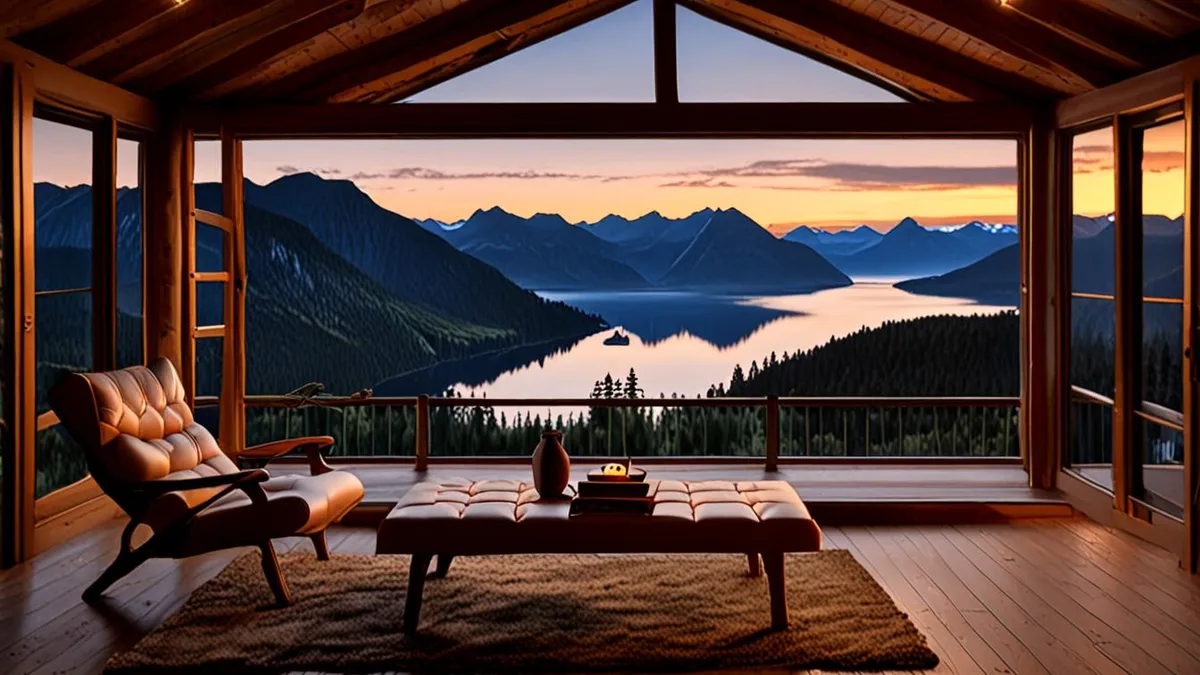
Even within one lodge, rooms vary enormously, and the difference between a fjord-front room and a parking-lot view can come down to a single corridor. This matters more in Norway than in most destinations, because the whole point of paying lodge prices on the Geirangerfjord or Nærøyfjord, both UNESCO World Heritage sites, is waking up to the water. Before you book, treat the view as a feature to verify, not assume. Property websites love to show the terrace at golden hour; what you actually need is evidence about your specific room, not the property’s best angle.
- Study room photos and floor plans: Look for shots taken from inside the room showing where the window actually points, not just exterior and terrace photos. If the site has a floor plan, trace which rooms sit along the water-facing wall and note their room numbers or categories.
- Ask about the room’s side of the building: Email or call and ask directly which side your room sits on and whether the terrace or balcony is private or shared. A “balcony” that connects to the neighboring room’s is a very different experience from your own.
- Search reviews for the right phrase: Filter reviews for mentions of “view from the room” rather than praise for the scenery in general. A review saying “stunning fjord” may describe the restaurant terrace; one saying “we saw the fjord from bed” is the detail you need.
- Go up a floor or up the hill: Upper-floor rooms and lodges set on the hillside above the shore usually clear the obstacles that block ground-level rooms, which often look straight across car parks. If a hillside lodge offers a view over rooftops toward the water, that can beat a waterside room at eye level with docked boats.
Ten minutes of this checking is the difference between the booking you imagined and the one you actually get. Lodge staff are generally happy to answer these questions, and how readily they confirm details tells you a lot about how the property treats its view rooms. If answers are vague, keep looking; villages like Flåm, Balestrand and Lofthus have enough options that you can afford to be picky.
When to Book and What Fjord Lodges Cost
Fjord lodges with genuine water-facing rooms are a limited commodity, and the pattern is always the same: the rooms with the best views sell out first. For July and August stays in popular fjord villages, reserve 4-6 months ahead. That sounds early, but summer in Norway is short and everyone wants the same handful of balconies.
On price, expect roughly NOK 1,500-3,500 per night for a double room. The spread usually reflects the view: a room facing the water at the top of the price range, a hillside or rear-facing room at the bottom. If your budget sits at the lower end, it can be worth paying a little extra for the view rather than saving on a room you will regret.
Shoulder season savings
May and September are the sweet spot for value. Rates in these shoulder windows often drop 20-30% below July prices, and the fjords are noticeably quieter. You trade a bit of warmth and some ferry frequency, but the light in late September can be spectacular.
The core season runs from late May to early September, when the days are long and ferries run at full schedules. Outside that window, check timetables carefully, as some routes and mountain roads reduce service or close entirely.
Getting There and Pairing Lodges with Fjord Days
Bergen is the natural gateway to the western fjords, and it works well because the major lodge villages fan out from it in manageable hops. Flåm, Balestrand and Lofthus all sit roughly 3-5 hours from Bergen by car or ferry, which makes them realistic first-night or same-day destinations rather than an exhausting trek.
Building fjord days around your base
The best lodge stays pair a fixed base with a rotation of day trips. From Flåm you can ride the famous mountain railway, join a fjord cruise or drive the steep bends of Eagle Road above Geiranger. Trollstigen, with its hairpin switchbacks, pairs naturally with a lodge stay if you have a car and are comfortable with dramatic driving. If scenic mountain roads appeal to you in general, our article on lodges in Austria made for mountain road trips covers a similar idea in the Alps.
One practical tip that changes the whole trip: base yourself in one lodge for 3-4 nights rather than hopping between villages daily. Unpacking once, learning where the morning light hits your terrace and watching the same fjord change through weather and hours is far more rewarding than racing between viewpoints. The fjords reward slow mornings, not itineraries.
Beyond the Southern Fjords: Arctic Lodge Options
Most fjord lodge guides stop at the southern fjords, but northern Norway has its own collection of waterside lodges, and they offer something the south cannot: northern lights potential from September to March. On a clear winter night, you can sometimes watch the aurora from your room or terrace, with the fjord reflecting the green glow below.
What you trade for the lights
The trade-offs are real. Access is more remote, often involving a flight to a regional airport followed by a drive, and winter daylight is short compared with the endless evenings of the southern summer. Services are thinner, and you should plan meals and activities ahead rather than expecting village cafes around every corner.
That makes Arctic lodge stays a good fit for a particular kind of traveler: if silence and dark skies matter more to you than summer hiking, this is your trip. The rhythm is different too, built around short daylight outings and long evenings by the fire. If that appeals, you might also enjoy our guide to Finnish lodges built around winter quiet, which covers a similar mood across the border.
Planning Your Fjord Lodge Stay
Most fjord bookings disappoint for one simple reason: the room ends up facing a car park or a road instead of the water. The fix is straightforward. Pick a fjord area that matches your season, confirm the room’s actual view before booking, and reserve 4-6 months out if you’re traveling in July or August. Do those three things, and you dramatically improve your odds of waking up to water instead of asphalt.
A single well-chosen lodge base between late May and early September delivers the views the photos promise: long days, full ferry schedules and that still, glassy water right outside your window. If you’ve stayed at a fjord lodge with a view worth waking up for, share it in the comments, or pass this article along to someone planning their own trip.