You know you want a lodge stay, but you cannot quite tell whether a riverside or a mountain setting will actually fit your trip style and the season you plan to travel. The choice matters more than it first seems. Water and elevation shape everything from the activities on your doorstep to how far you drive from the airport and what you pay per night.
This guide to riverside vs mountain lodges walks through what each setting actually offers, the best seasons to book, what you can expect to pay, how far in advance to reserve, and which trip styles suit each one best. We also cover access and practical details, then wrap up with a simple way to decide. By the end, you should be able to match a lodge type to your dates, your budget and the way you like to spend a day.
What Riverside and Mountain Lodges Actually Offer
The easiest way to compare these two lodge types is to ask what sits outside your door. At a riverside lodge, the answer is water. Rooms and terraces often look straight over the bank, and the river itself becomes the main attraction. You can swim, paddle a canoe or cast a fishing line within a few steps of your room, and many properties build decks or platforms right at the water’s edge so you can linger there all day.
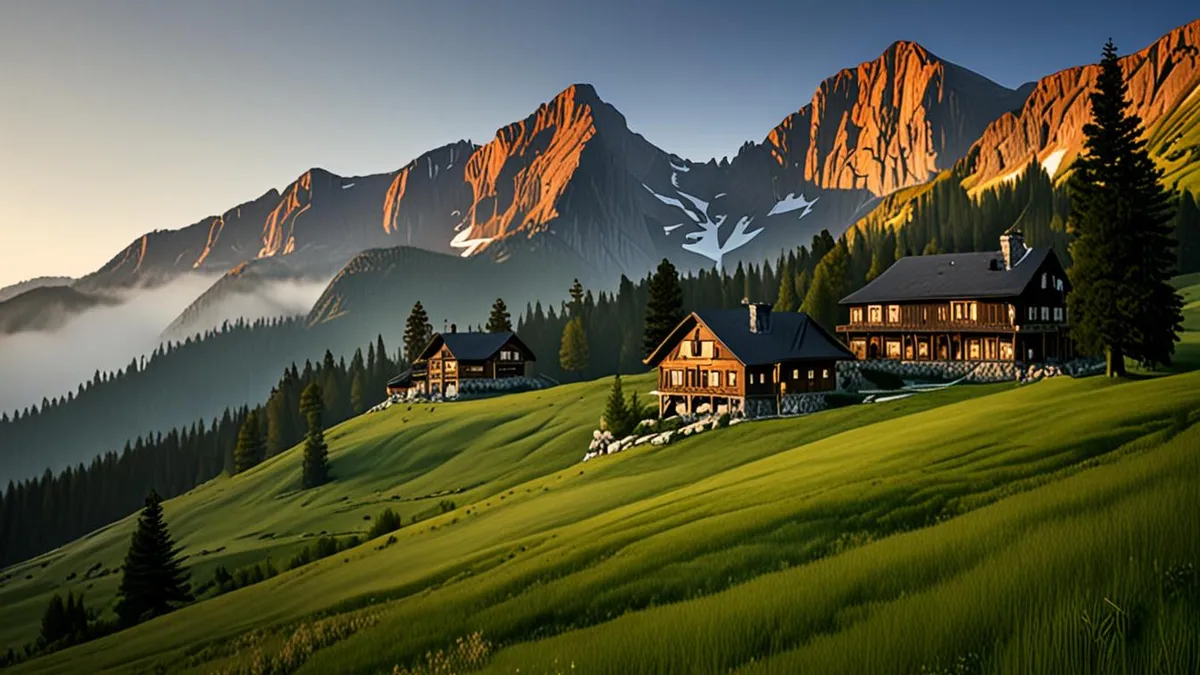
Mountain lodges center on elevation instead. Most sit between 1,200 and 2,000 m, which brings cooler air, thinner mornings and views that stretch for kilometers. Hiking trails often start at the property, and panoramic terraces are designed for exactly that: sitting still and watching the light move across the peaks.
Terrain and access differ more than you might expect
Riverside settings usually mean gentler, flatter ground. Walks are easier, and towns, shops and restaurants tend to be a short drive away, which makes daily logistics simple. Mountain settings trade that convenience for bigger scenery and bigger weather swings. Expect longer drives in, more dramatic temperature changes between morning and afternoon, and a general sense of being further from everything. Neither is better; they simply suit different travelers.
When to Book: Seasons for Riverside vs Mountain Lodges
Timing is where these two lodge types really part ways. Riverside lodges shine from May to October, when water levels are safe, terraces are usable and water-based activities run as advertised. Outside that window, the river can look and feel completely different, so it pays to know the calendar before you commit.
Mountain lodges split into two distinct seasons rather than one. The summer hiking season runs from June to September, when trails are clear and air at 1,200–2,000 m feels refreshingly cool. Then there is a snow season from December to March, which transforms the same properties into cozy, white-covered retreats. Shoulder months like May, October and November bring lower rates at both types, and they often come with quieter surroundings too.
- Snow season availability varies by property. Not every mountain lodge opens in winter, and some reduce services or close entirely between the two peak windows, so confirm your exact dates directly with the lodge.
- Water activities depend on conditions, not just dates. Even within the May to October window, a week of heavy rain upstream can temporarily close canoeing or swimming, so ask about current conditions close to your arrival.
- Shoulder-month value comes with trade-offs. You may save money in May, October or November, but some trails or terraces may be partly out of service, and weather can be less predictable than in peak weeks.
One warning worth repeating: riverside trips in winter often mean gray water, bare banks and closed activities. Check the lodge’s season dates before booking a cold-month stay, because the property you saw in photos may be running at a very different pace.
Budget: What Each Lodge Type Costs
Riverside lodges typically cost $120–$250 per night for two people. The lower range reflects simpler locations: riverside properties are often family-run, sit closer to towns and skip the expensive infrastructure that dramatic alpine settings demand. You are paying for the water, not for altitude.
Mountain lodges typically run $150–$350 per night for two, with a clear premium for rooms that face the peaks. The wider spread also reflects the extra cost of building and supplying a property at 1,200–2,000 m, where everything from furniture to fresh produce travels further.
How to pay less, whichever you choose
Shoulder-season stays can cut 20–30% off either type. Shifting your trip to May, October or November is the single easiest saving, and it often comes with quieter trails and emptier terraces as a bonus. If you want a benchmark for how lodge pricing works in another context, this guide to what a stay at an African safari lodge really costs shows how location and season shape nightly rates.
Do not forget the journey itself. Remote mountain lodges add transfer costs, whether that means a long rental car stretch or a arranged shuttle, and those extras add up. Riverside lodges, which typically sit 30–90 minutes from an airport, are cheaper and simpler to reach, which matters more the shorter your trip.
How Far Ahead to Book
Timing matters more for mountain lodges than for almost any other accommodation type. Because the good weather windows are short and the number of lodges with true panoramic positions is limited, the best rooms for the June–September hiking season and the December–March snow season are often gone months in advance. A safe rule is to reserve mountain lodges 3–6 months ahead if your dates fall inside either peak window. This is especially true for summit-facing suites and lodges with only a handful of rooms, where even a two-month lead time can leave you choosing between leftover rooms and a different property altogether. If you are planning a milestone trip, such as an anniversary or a honeymoon, treat the booking deadline as firm and set a calendar reminder so you are not scrambling.
Riverside lodges follow a gentler rhythm. Outside holiday weeks, booking 2–4 months ahead is usually enough to get a good terrace room or a spot with direct water access. That said, riverside lodges in popular valley regions still fill up fast once school holidays start, so your lead time should stretch if your dates are fixed and non-negotiable. It also helps to book directly with the lodge by phone or email when your priority is a specific feature, such as a room closest to the water, since third-party sites rarely let you pin down room positions.
A few calendar patterns are worth knowing before you commit to dates:
- Holiday weeks around Christmas and August are the hardest to book at both types, with the most sought-after lodges often fully committed well before the season begins.
- If you want a specific room type, such as a riverside terrace or a summit-facing suite, add an extra month to your lead time rather than settling for whatever remains.
- Midweek stays are easier to secure at short notice than weekends at both lodge types, which helps if your schedule is flexible.
- Last-minute deals are far more realistic for riverside stays, where cancellations are common, than for high-altitude lodges with small room counts.
Activities and Trip Style: Which Setting Fits You
The simplest way to choose between the two settings is to ask what you want your days to look like. If your ideal trip revolves around water — paddling a canoe in the morning, fishing after lunch, swimming before dinner and finishing with a slow walk along the bank — a riverside lodge puts all of that within a few steps of your door. Nothing needs to be planned or driven to.
If instead you picture hiking boots, summit views and noticeably cooler air, a mountain lodge is the better match. Lodges in the 1,200–2,000 m range give you trailheads at the door and light that shifts dramatically across the peaks through the day. For a closer look at what a well-sited mountain lodge can offer, see Snowdonia lodges with panoramic mountain views as a useful example of the category.
Group makeup matters just as much as activity preference. Some travelers to consider:
- Families with mixed fitness levels usually do better at riverside lodges, where flat terrain means grandparents, toddlers and teenagers can all join the same walk without anyone being left behind.
- Honeymooners and photographers often prefer mountain lodges, since sunrise and sunset light on peaks creates the kind of scenes that are hard to replicate on a riverbank.
- Keen anglers and paddlers should prioritize riverside locations with direct water access, so gear stays at the lodge instead of in the car.
- Trail runners and serious hikers get more value from mountain lodges, where multiple route options of varying difficulty typically start right from the property.
Access and Practicalities
Access is where the two lodge types differ most in day-to-day practicality. Riverside lodges tend to sit close enough to the nearest airport that a two- or three-night break is genuinely workable. You can land in the morning, cover the short transfer without fuss, and be on the terrace with lunch by early afternoon. That convenience also keeps transfer costs low, which matters when you are watching the overall trip budget.
High mountain lodges are a different calculation. The drive from a major airport can take 2–4 hours, often on winding roads with switchbacks and narrow sections, so plan to arrive in daylight and arrange a rental car well in advance. If you are weighing a driving-focused mountain trip, the guide to Austria lodges reached by scenic mountain roads covers what to expect behind the wheel.
Altitude and winter driving
Check the elevation before you book if anyone in your group struggles at altitude. Most people are fine at typical lodge heights, but if a traveler has had issues above 1,500 m before, choose a lower-situated property or build in an easy first day. Riverside settings, which usually sit below 1,000 m, sidestep this concern entirely.
Finally, think about the season of your visit. Mountain lodges in the snow season require either a car fitted with winter tires or a lodge shuttle arrangement, and some remote properties restrict self-drive access entirely in deep snow. Confirm these details with the lodge before booking rather than assuming your standard rental will cope. The same applies to shuttle schedules: check whether departure times align with your flight arrival, since a missed connection can leave you waiting hours in a small mountain terminal.
Wrapping Up the Riverside vs Mountain Choice
So which one is right for you? If your ideal day involves paddling, fishing or simply watching the water from a terrace, a riverside lodge fits best. It suits water lovers, families and shorter trips, with the sweet season running from May to October and typical rates of $120–$250 per night for two. Booking is easier too: 2–4 months of lead time usually covers it outside holiday weeks.
If instead you picture hiking trails, big summit views and crisp high-altitude mornings, a mountain lodge is the better match. Aim for the June–September hiking season or the December–March snow season, expect $150–$350 per night for two, and plan 3–6 months ahead for peak dates. Match the setting to your season and trip style, and the choice becomes simple. Which would you pick? Tell us in the comments or share this article with a travel friend.