Planning a lodge week in Queenstown sounds simple until you start comparing dates and locations. Rates swing by hundreds of dollars a night depending on the month, and the area you choose changes the whole rhythm of your trip. A lakefront lodge in January costs far more than a wine-country lodge in April, and both deliver a completely different experience. Many travelers end up overpaying for convenience they didn’t need, or booking a remote lodge that turns into a daily driving chore.
This guide breaks down the decisions one by one. We’ll walk through the seasons and what each one costs, compare the main areas from the town center to Gibbston and Glenorchy, and weigh winter against summer so you can match the trip to your style. You’ll also find practical advice on room types and meal plans, plus booking tips to lock in the right rate. By the end, you’ll know exactly when and where your lodge week in Queenstown makes sense.
When to Go: Seasons for a Lodge Week in Queenstown
Queenstown has four distinct booking windows, and each one changes both the experience and the price. Summer, from December through February, is the headline season: long daylight hours that stretch well into the evening, warm weather perfect for swimming and boating on the lake, and the busiest trails and restaurants of the year. It’s also when lodge rates peak, typically running NZD 500-900 per night for a mid-range room.
If you want the scenery without the peak pricing, aim for March and April. Autumn turns the hillsides gold and red, crowds thin out noticeably, and rates drop to a friendlier NZD 300-550 per night. October and November offer a similar value window: the landscape is fresh and green, trails are quiet, and prices sit in that same shoulder-season range.
Winter and ski season
Winter, from June to August, is the season for skiers and snowboarders. Rates run NZD 400-700 per night, climbing higher at lodges near the access roads for Coronet Peak and The Remarkables. If skiing is the point of your trip, this is your window; if not, the shoulder months deliver better value.
How far ahead to book
Timing matters as much as the season you pick. For December through February stays, book 6-9 months ahead, because summer lodges fill first around the holidays. In shoulder season, 3-4 months ahead is generally enough, though popular lodges can still sell out over local event weekends.
What a Lodge Week Costs: Budget Breakdown by Season
So what does a full week actually cost? For two people, plan on roughly NZD 2,800-6,000 including meals, with the season you choose as the single biggest cost driver. A February week at a lakefront lodge will land near the top of that range, while an April week in Gibbston can come in well under it. The gap between the cheapest and most expensive version of the same week is enormous, which is why the season decision deserves the most thought.
It also helps to understand where your money goes within that range. Mid-range lodge rooms sit well below the flagship luxury properties, which can exceed NZD 1,000 per night in peak months. You don’t need a luxury suite to have a great lodge week; a comfortable mid-range room in the right season often beats a premium room in the wrong one.
Meal plans move the total significantly, too. Full board adds real convenience, especially in remote spots, but it raises the weekly figure noticeably. If you want to dig into how the two approaches compare for your style of trip, this guide to full board versus self-catering walks through the trade-offs in detail.
- Season first, then room: the same room category can cost several hundred dollars more per night in January than in April, so fixing your dates before your room type keeps the budget realistic.
- Count meals as a line item: for two people eating out three times a day in town, restaurant meals alone can add a meaningful slice to the weekly total, which is why the board decision matters so much.
- Leave room for activities: the NZD 2,800-6,000 figure covers lodging and meals, so budget separately for skiing, wine tours, or lake activities, which vary widely by season.
Choosing Your Area: Town Centre, Lakefront, Gibbston and Glenorchy
Queenstown’s lodge options spread across four distinct areas, and each one shapes your week differently. The town center and lakefront lodges put restaurants, bars, and activities within walking distance. You can step out the door for dinner, book a lake cruise, or join a day tour without touching the car. That convenience comes at a price: these locations cost the most, especially in summer when everyone wants to be near the water.
Gibbston and wine country
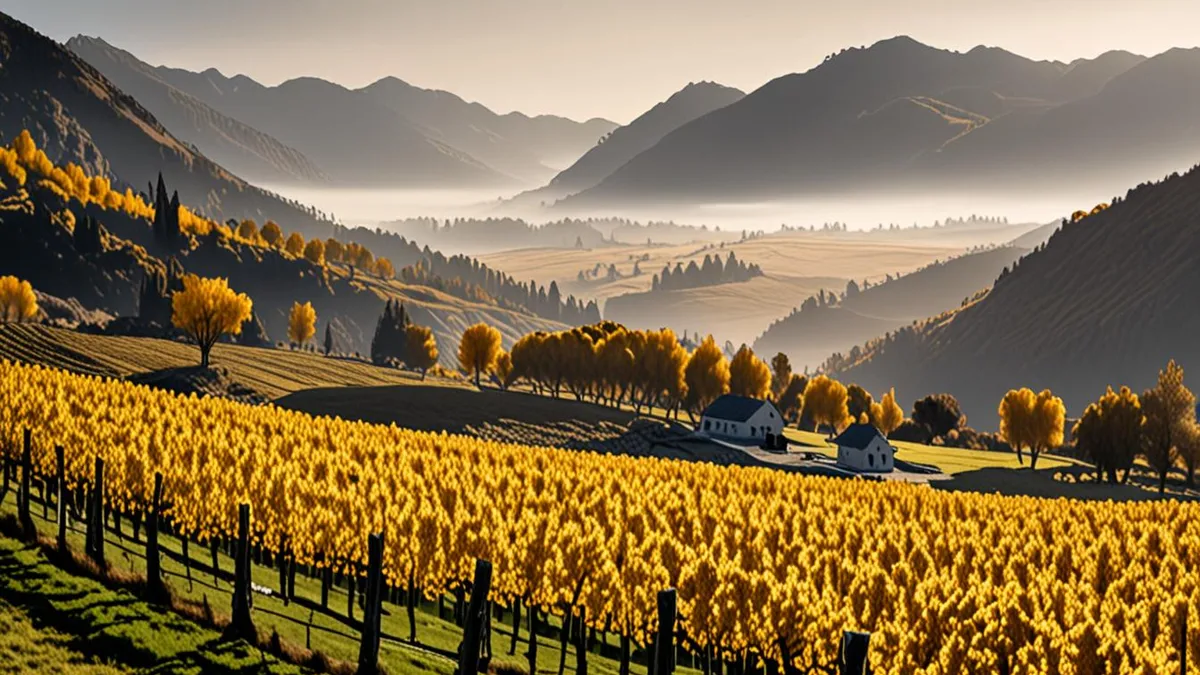
Gibbston sits about 20-30 minutes east of central Queenstown and is the region’s wine country. Lodges here typically charge lower rates than town, and the setting is quieter, with vineyards and river gorge scenery instead of streets and crowds. The trade-off is that you’ll drive into town for restaurants and most activities, so it suits travelers who plan to linger rather than rush out each morning.
Glenorchy and the wilderness
Glenorchy is the scenic splurge in terms of distance: about 45 km from Queenstown, roughly a 1-hour drive along the lake. The wilderness scenery is some of the most dramatic in the region, and lodges there feel genuinely remote. The cost is daily driving, so a week based in Glenorchy works best if you want slow days of walking and photography rather than a packed activity schedule.
The simplest rule is to match the area to your trip style. Activity-packed weeks favor town or the lakefront, where everything is close at hand. Slow, scenic weeks favor Gibbston or Glenorchy, where lower rates and quieter surroundings reward travelers who don’t mind being farther from the action. If you’ve faced a similar choice in other destinations, the logic in this comparison of lodge areas in Banff National Park follows much the same pattern: convenience versus setting.
Winter vs Summer Lodge Weeks: Which Season Suits You
Winter lodge weeks in Queenstown are built around the snow. Mornings typically start early with the drive up to Coronet Peak or The Remarkables, and the day revolves around ski passes, gear hire and recovering in front of a fire afterward. Because of that rhythm, lodges positioned close to the ski field access roads charge noticeably more, and rates in the June to August window generally run higher than the shoulder months. If skiing is the main purpose of your trip, that premium can be worth it for the extra sleep and shorter commute.
What summer weeks look like
Summer weeks trade chairlifts for the lake. Expect days shaped around swimming, kayaking, boat trips and hikes like the Ben Lomond track, plus day trips to Gibbston cellar doors or toward Glenorchy. Long daylight hours stretch well into the evening, which is part of why December to February commands peak pricing. You are effectively paying for two extra usable hours every day, and for many travelers that justifies the higher nightly rate.
Shoulder-season weeks in March-April and October-November are where the value sits. Rates typically drop to the NZD 300-550 per night range, the weather is often still pleasant enough for hiking and lake time, and the crowds thin out. A mixed itinerary of short walks, winery visits and town time works especially well in these windows, and booking 3-4 months ahead is usually enough to secure a good room.
If you are leaning toward a snow-focused stay, it helps to understand exactly where the money goes on the mountain side of things. This detailed budget breakdown for a ski lodge week covers lift passes, gear and lodge costs line by line.
Room Types and Meal Plans for a Queenstown Lodge Stay
Once you have chosen a season and an area, the next decision is what kind of room and meal arrangement you actually need. Queenstown-area lodges vary a lot here, and the wrong choice can add hundreds of dollars to a week or leave you stranded without dinner options.
Standard lodge rooms suit couples on shorter budgets. They cover the essentials comfortably and leave more of your NZD 2,800-6,000 weekly budget for activities and meals out. Suites and private lodge wings suit longer, pricier weeks, where you will spend more time in the room and want space, views and privacy.
Meal plans also change the picture. Full board simplifies remote stays like Glenorchy, where dining options are limited and driving back to town for dinner is not realistic. Self-catering works better in town, where restaurants and supermarkets are within walking distance and eating every meal at the lodge would waste the location.
Before booking, confirm exactly what the rate includes, because inclusions vary widely between lodges. Ask specifically about:
- Breakfast: some lodges include a cooked breakfast, others offer continental only, and some include no food at all despite the lodge label.
- Housekeeping frequency: smaller lodges may service rooms every few days rather than daily, which matters on a week-long stay.
- Transfers and parking: lodges outside the center sometimes charge for airport transfers or have limited on-site parking, so ask before you arrive.
A ten-minute email to the lodge before you pay can settle all three questions and prevent surprises on arrival.
How to Book Your Lodge Week and Lock In the Right Rate
Booking a lodge week in Queenstown is straightforward if you work in the right order. The main risks are paying a location premium you did not notice, or locking into strict terms for dates you might need to move. Follow these steps in sequence, and you will avoid most of the common mistakes travelers make when reserving a week-long stay around the lake.
- Fix your dates first, then your area. Decide whether you are traveling in peak summer, winter or shoulder season before browsing, because availability and pricing differ sharply between them. A ski-focused week and a lake-swimming week lead you to completely different lodges.
- Reserve early for December-February dates. The most desirable rooms in each category are claimed first during the summer peak, so early booking protects both the rate and the room type you actually want rather than whatever is left.
- Compare the same room category across areas. Location premiums can exceed NZD 200 per night between the town center, lakefront, Gibbston and Glenorchy, so only compare like-for-like rooms when judging value. A cheaper room in Gibbston may outperform a pricier town-center one at the same rate.
- Check cancellation terms carefully for peak-season bookings. Deposits and change rules are strictest in peak periods, so read the policy before paying rather than after. Ask what happens if you need to shift dates by a few days.
- Confirm inclusions in writing. Ask the lodge to confirm what the rate covers, from breakfast to parking, so there is no ambiguity later. Inclusions vary widely between properties.
For shoulder-season travel, the pressure is much lower: booking 3-4 months ahead is usually enough, and you will often have several room categories still available. That flexibility is one of the quiet advantages of traveling in March-April or October-November. It also makes last-minute adjustments far easier if your plans shift, and some lodges may be open to negotiating on upgrades or meal plans when they have empty rooms to fill.
Planning Your Queenstown Lodge Week: Key Takeaways
A lodge week in Queenstown is worth the price when the season matches what you actually want to do. Season drives most of the cost, with shoulder months at NZD 300-550 per night and summer at NZD 500-900, so value-focused travelers get the best deal in March-April or October-November, while skiers and lake lovers pay peak rates for good reason.
Area shapes the experience just as much. Town suits convenience and packed itineraries, Gibbston fits slow wine-country weeks, and Glenorchy delivers wilderness at the cost of daily driving. Book 6-9 months ahead for peak dates to secure both the rate and the room type you want. If this helped you plan your trip, leave a comment or share the article.