Two adults and two kids rarely fit comfortably in a standard double-double room, so which resort room layout should a family of four actually book? The answer depends on more than bed count. Your kids’ ages, their sleep habits, and how the resort counts occupancy all shape whether one room works, whether you need a suite, or whether two interconnecting rooms are the smarter move.
In this guide, we compare the main layout options side by side: interconnecting rooms, family suites, and bunk-bed family rooms. We look at why standard doubles so often disappoint families, how to match a layout to your children’s ages, and how each choice affects your budget, from bedding fees to meal plans. You’ll also find the questions to ask before paying, the best timing for booking scarce family categories, and a simple three-step process to pick the right layout with confidence.
Why a Standard Room Rarely Works for a Family of Four
Most standard doubles are built for two adults, not four. You typically get two queen beds, or one king plus a rollaway, and that is the entire sleeping arrangement. Once you add a crib, four suitcases, and a stroller parked by the door, there is very little floor space left. In the US, standard resort double rooms are typically 25-35 square meters, and that goes fast with four people and their gear.
There is also a rulebook issue many families discover too late. Many resorts officially cap standard rooms at 2 adults plus 2 children under 12. If your kids are teenagers, that same room may not be bookable for your family at all, and you could be required to take a second room whether you want one or not. Check the occupancy policy before you assume a “sleeps 4” listing applies to your crew.
The bedtime squeeze
Even when four people legally fit, tight layouts create a nightly problem. If your younger kids go to bed at 8 pm, the lights go off with them. Parents end up whispering on a dark balcony, sitting in the bathroom with a phone, or scrolling in the dark while trying not to wake anyone. That is not much of a vacation evening, and it is one of the strongest reasons to look beyond the standard double.
Resort Room Layout Options Compared: Interconnecting, Suite, Bunk Family Room
Once you accept that a standard double won’t cut it, you have three main layout options, each with real trade-offs in space, privacy, and price. Interconnecting rooms give you two bathrooms and genuine private space, but they usually cost 1.5-2x a single room rate, which surprises families who assumed two rooms meant two cheap rooms. Family suites typically sleep 4-6 with a separate living area, and they add roughly 20-50% over a standard room price, making them the middle path for many families.
Bunk-bed family rooms are the budget pick: four sleepers in one space, no connecting door to worry about, and often the first category to sell out. The compromise is that nobody gets privacy and storage is usually limited to a single wardrobe. If your trip is destination-driven, like a Maldives resort stay where timing shapes both price and weather, it pays to research the season and the room categories before you commit, since rates can swing widely by time of year.
- Interconnecting rooms: ask whether the connecting door is guaranteed or on request, because many resorts hold only a handful of connecting pairs and assign them at check-in.
- Family suites: the separate living area often includes a sofa bed, so confirm whether the “sleeps 6” count relies on it, since sofa beds suit kids better than adults.
- Bunk family rooms: check the bunk’s maximum weight and the ladder’s position, because top bunks near a ceiling fan or a low ceiling can be awkward for older kids.
- Kitchenette or day bed rooms: a small fridge and microwave make bottle prep and midnight snacks easy, and a day bed gives you a flexible nap spot without booking a full suite.
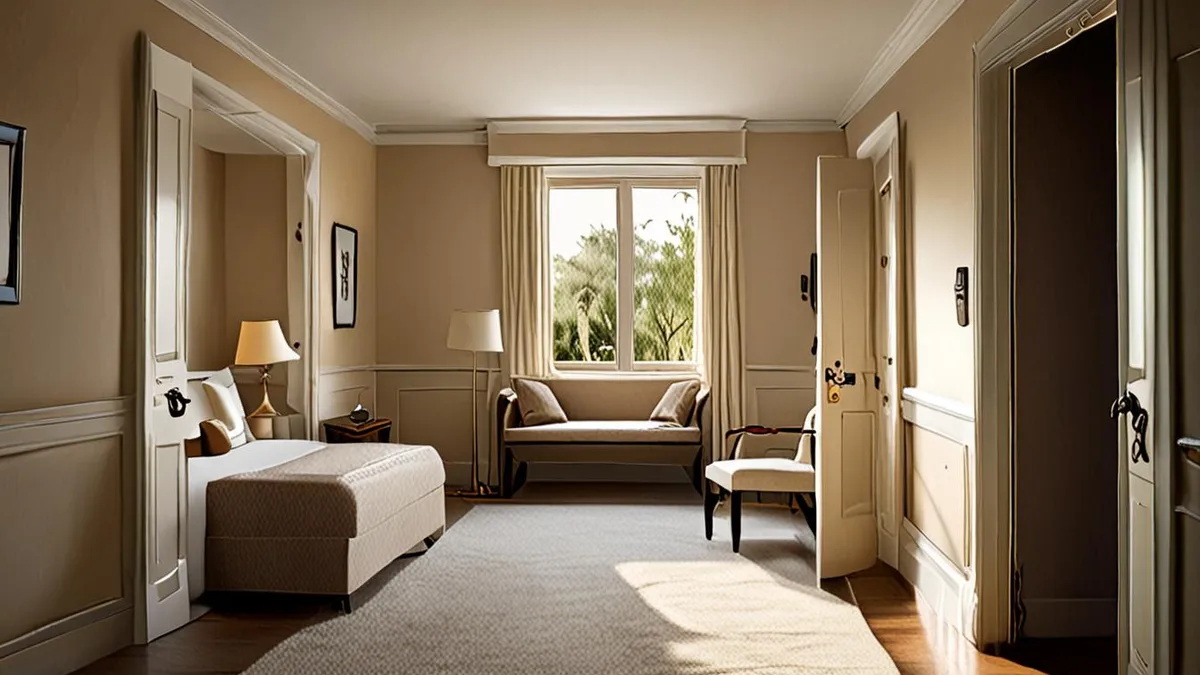
Choosing a Layout by Your Kids’ Ages and Sleep Habits
The right layout depends less on the resort’s brochure and more on how old your kids are and how they sleep. A layout that works beautifully for a family with a toddler can be a disaster for one with teenagers, so start here before comparing prices.
Toddlers and young kids
Toddlers need three things: a crib, blackout options, and space away from your bed so a 5 am wake-up doesn’t happen two feet from your pillow. A suite with a separate sleeping nook beats one open room for exactly this reason, because you can keep the crib area dark while you read with a lamp on. For help planning a trip at this stage, see this practical guide to planning a resort vacation with toddlers, which covers nap logistics and daily routines in detail.
Kids aged 5-10 are more flexible: bunk family rooms work well because each child gets their own bed, and a shared interconnecting room with their own beds gives everyone a little breathing room without doubling the price.
Teenagers and early sleepers
Teenagers need privacy and, ideally, their own bathroom, which makes two interconnecting rooms the most workable choice. They can stay up later, take long showers, and everyone gets a door that closes. The same logic applies to sleep schedules: if one child goes to bed at 7:30 pm, a dividing wall or closed door preserves the evening for everyone else. A curtain or open-plan studio layout offers no such barrier, and you will find yourselves tiptoeing by 8 pm every night of the trip.
How Room Layout Affects Your Family Budget
The biggest budget surprise for most families is assuming two rooms cost less than a suite. In reality, interconnecting rooms usually run 1.5 to 2 times the price of a single room, while a family suite typically adds only 20 to 50 percent over a standard room. Before you assume separate rooms are the “cheap” option, pull an actual two-room quote and put it side by side with the suite rate for your dates.
Bed fees are the second trap. Many resorts let kids under 12 stay free or at a reduced rate when they sleep in existing bedding, but the moment you add a third or fourth bed, a nightly charge usually kicks in. That fee applies to rollaways and cribs too, and those beds also eat into the floor space of a standard room, which often measures just 25 to 35 square meters at US resorts.
Finally, look at how meals are priced. Meal plans frequently count children separately, and that changes the math: sometimes a bigger suite with kids’ meal rates works out cheaper than two basic rooms stacked with more surcharges. Before comparing layouts, it pays to read up on how resort meal plans work, from half board to all-inclusive, so you know exactly what each tier covers and who it covers it for.
- Some resorts price “family rooms” per person rather than per room, so four guests can cost more than two standard doubles booked separately for two people each.
- Rollaway fees are often charged per night and per bed, meaning a family needing two extra beds pays double the advertised surcharge.
- Resort credits or package perks sometimes apply only to certain room categories, so a suite upgrade may unlock benefits that offset the higher rate.
- Taxes and service charges are often tiered by occupancy, so adding a fourth guest can bump you into a higher rate bracket rather than just adding a small fee.
Questions to Ask Before Booking a Family Room
Resort websites describe family rooms in vague, optimistic language, and the gap between the description and reality is where booking disappointments happen. Marketing photos are shot with wide-angle lenses on the emptiest possible rooms, so a space that looks generous online can feel cramped once a crib, luggage and a stroller arrive. A short phone call or email, with the answers confirmed in writing, saves you from sleeping four across two sofa beds. Work through these questions before you pay your deposit:
- Get the exact bedding configuration in writing. Ask for bed sizes, whether bunks are true singles or narrower, and what “sleeps 4” actually means. Some family rooms count two sofa beds toward occupancy, which is a very different night’s sleep than two real beds.
- Ask if the connecting door is guaranteed. Connecting pairs are limited inventory and are usually allocated at check-in, so a room described as “connecting” may simply mean some rooms in that category have doors. Get the guarantee in writing or accept the risk.
- Check the real size in square meters. Ask for the actual figure, and specifically whether the “living area” includes the balcony. A 45 square meter room with a 12 square meter balcony is a different proposition from 45 square meters indoors.
- Verify bathrooms, crib placement and housekeeping. Confirm how many bathrooms the layout includes, where a crib physically fits with the furniture in place, and whether housekeeping folds the rollaway away each morning or leaves it occupying floor space all day.
Send these questions in a single message and keep the reply. If anything goes wrong at check-in, a written confirmation from the resort is far stronger than your memory of a phone call, and it gives you something concrete to reference if you’re moved to a different room type on arrival. It also helps to ask about the little things that never appear in listings: whether the room has blackout curtains for early bedtimes, how far it sits from the pool or evening entertainment, and whether an extra child triggers a bedding fee. Ten minutes of asking now can spare you a week of compromises later.
When to Book Your Resort Room Layout
Family room categories are the scarcest inventory at almost any resort. A property might have two hundred standard rooms but only a handful of bunk rooms, suites that sleep six, or interconnecting pairs, so those categories sell out long before the rest of the resort does. For peak season travel, plan to book your specific layout six to nine months ahead rather than hoping something opens up later.
This pattern holds at both beach and ski resorts, and the busiest windows are the ones you’d expect: December through March and June through August. During these periods, family categories are often the first room types to disappear, sometimes months before standard doubles sell out. If your trip falls in these windows and you need a particular layout, treat early booking as part of the trip cost, not an optional saving.
When shoulder season works in your favor
Travel outside the peak months and you gain flexibility that peak-season travelers don’t have. With more inventory available, you can often upgrade to a suite on arrival, sometimes at a discounted rate offered at the front desk, or request a connecting pair at check-in and still have a reasonable chance of getting one. Just be aware that connecting doors are never certain, so if a guaranteed layout matters for your kids’ sleep, book it in advance rather than gambling at the desk.
Picking the Right Layout in Three Steps
So how do you pick the right room setup when booking for four? Start with your kids’ ages, because that usually decides everything: a suite with a separate sleeping nook works best for toddlers, a bunk family room suits kids aged five to ten, and teenagers generally need two interconnecting rooms with their own bathroom. A standard double-double rarely fits two adults and two children comfortably, so don’t default to it out of habit.
Next, compare the real cost. A suite at 20-50% over a standard room can beat interconnecting rooms, which usually run 1.5-2x a single rate, once you factor in bedding fees and kids’ meal plan rates. Finally, book the scarce family categories 6-9 months ahead for peak season, and get the bedding configuration and connecting door confirmed in writing before you pay. If this helped you plan your next trip, leave a comment or share the article with another traveling family.