Planning autism-friendly resort stays can feel like guesswork. Resort websites throw around phrases like “autism-friendly” and “sensory-inclusive,” but as a parent, you rarely know what training, certification or actual accommodations sit behind the wording. Is the staff genuinely prepared, or is it just marketing language on a landing page?
This guide breaks down what those labels really mean. We’ll explain why “autism-friendly” is an unregulated term, walk through the two main certifications you can actually verify, show you how to read a sensory guide, and cover kids club adaptations, room requests and the best timing for a calmer stay. By the end, you’ll know exactly what to look for before you book.
What ‘Autism-Friendly’ Actually Means at Resorts
Here’s the uncomfortable truth: “autism-friendly” is an unregulated label. There is no law stopping any resort from printing it on a brochure, adding it to a website banner or mentioning it in a sales email. No third party has to verify anything before those two words go live, which means the phrase alone tells you almost nothing about what actually happens on the property.
Verified claims, on the other hand, come from named certifications rather than adjectives. When a resort says it is a Certified Autism Center, that refers to a specific program with specific requirements. The wording matters, so read it closely: a page that names a certification is making a checkable claim, while a page that only promises “understanding staff” and “a welcoming environment” is not.
What specifics to look for
Instead of vague promises, look for concrete details. How many hours of autism training do guest-facing staff complete? Which sensory accommodations are actually available, such as quiet spaces or sensory kits? Is there an audit process, and who performed it? A resort that can answer those questions with specifics has done the work. A resort that leans on warm adjectives may still be lovely, but you’ll want to ask direct questions before committing to a stay.
The Main Certifications: Certified Autism Center and Autism Double-Checked
Two certifications dominate the resort and hotel space, and both involve third-party verification rather than self-declared marketing. Knowing how each one works helps you judge how much weight to give a property’s claim.
Certified Autism Center (IBCCES)
The Certified Autism Center designation comes from IBCCES, an organization that trains and certifies staff in autism awareness and support. To earn the designation, at least 80% of a property’s guest-facing staff must be trained and certified. Certification isn’t a one-time event either: renewal is required every 2 years, so staff knowledge stays current rather than fading after a single training session. When you see this label, it applies to the people you’ll actually interact with, from front desk agents to servers to kids club counselors.
Autism Double-Checked
Autism Double-Checked takes a slightly different approach by combining staff training with an audit of the property itself. That audit, which can be on-site or virtual, examines the actual guest experience: how check-in flows, what the common areas feel like, where sensory challenges are likely to arise. Training addresses people, the audit addresses place, and the combination gives a fuller picture than either alone.
Both organizations publish searchable directories of certified hotels and resorts on their websites. If you want the fastest way to shortlist genuinely verified properties, skip the resort marketing pages entirely and search those directories first. Anything you find there has been through a real certification process, and you can then compare the shortlisted properties on the details that matter to your family.
Sensory Guides and What the Ratings Tell You
Many certified resorts publish sensory guides for their own property, and these are among the most practical planning tools you’ll find. A sensory guide typically rates the resort’s spaces and attractions on a 1-10 scale across five senses: sound, light, smell, touch and taste. The spaces covered usually include the areas where sensory overload hits hardest, such as pools, lobbies, dining rooms and evening shows.
How to read the ratings
The scale runs from low stimulation to high, so the numbers tell you what to expect in each space. A high sound rating for the main pool deck signals peak noise, often from music, crowds and echoing hard surfaces. A low rating points to quieter zones or calmer times, which might be a shaded adult pool in the morning or a side lounge away from the action. The same logic applies to light: a dim, softly lit restaurant rates very differently from a buffet hall with bright overhead lighting and clattering trays.
Matching the guide to your child
The real value comes from matching the ratings to your child’s specific triggers. If sudden loud noise is the biggest challenge, scan the sound column and identify which spaces to skip and which times to use the others. If crowds and visual clutter are harder to manage, focus on the light and touch ratings instead. Build a simple plan around it: which spaces you’ll use, which you’ll avoid, and what time of day works best for each. Ten minutes with a sensory guide before you book can prevent the kind of overwhelm that derails an entire vacation.
Kids Club Adaptations for Autistic Children
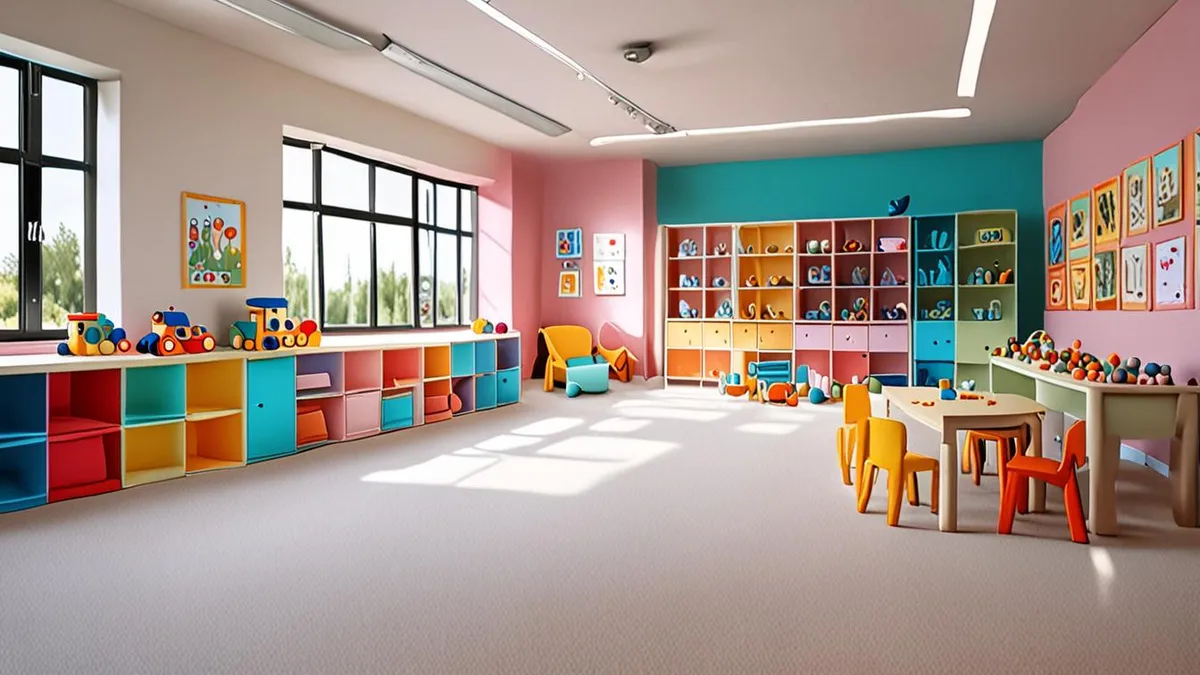
Kids club is often the make-or-break part of a resort stay for families with autistic children, so it pays to look closely at how a program is actually run. At certified properties, adaptations commonly include smaller group ratios and counselors who have completed training in autism support. That combination matters: fewer children per counselor means more capacity to notice early signs of overwhelm, and trained staff are more likely to handle meltdowns or communication differences calmly.
Structure is the other big difference. Expect quiet activity alternatives to the usual high-energy games, visual or written schedules so children know what comes next, and the option of shorter or trial sessions. A trial session is genuinely useful: your child can test the room, the staff and the routine with an easy exit, rather than committing to a full day on day one.
If you want a sense of how a standard resort kids club is organized before comparing adapted versions, it helps to read about what ages, activities and costs to expect at a typical kids club first. That gives you a baseline for spotting what a certified program changes.
Questions to ask before you book
Ask clearly whether the autism adaptations apply within the standard kids club or whether the resort runs a separate adapted program with different hours. Find out whether one-to-one support is available, and if so whether it is included or charged as an extra, since policies vary widely between resorts. It is also worth asking how many children are usually in a session and whether staff can share the structured schedule in advance, so you can preview the day with your child.
Room and Amenity Requests to Make Before You Book
The best time to shape your room experience is before you arrive, not at the front desk. Many autism-certified resorts offer a pre-arrival questionnaire covering your child’s triggers, routines and preferred room placement, and it is worth filling out in detail rather than ticking boxes. The more specific you are about what causes difficulty, the better the property can match your family to a suitable room. If no questionnaire arrives automatically, email the resort a few weeks before check-in and ask for one.
Room placement is the single request most likely to change your stay. Resorts are noisy in predictable places, and knowing where those places are lets you ask for something quieter. When you contact the resort, it also makes sense to ask about several supports at once rather than making separate calls.
- Ask for a room away from the pool deck and any evening entertainment venue, since both can carry sound well into the evening and night.
- Request a position away from elevator banks and housekeeping corridors, where constant foot traffic and cart noise start early in the morning.
- Ask whether the resort keeps sensory kits on hand with noise-cancelling headphones and fidget tools, and reserve one before arrival if so.
- Check if visual guides or social stories are available to help your child picture check-in, the room and dining routines ahead of time.
- Request early check-in if it is offered, so your child has unhurried settling time before the first pool trip or meal.
Finally, confirm each request in writing and bring a copy to check-in, since room assignments can shift. Even a good pre-arrival plan benefits from a calm, specific reminder at the desk.
Timing Your Stay: Crowds, Noise and Season
When you travel shapes how noisy a resort feels almost as much as where you stay. Peak family season, roughly June through August plus school holiday periods, means the fullest pools, the longest buffet lines and the busiest lobbies. Shoulder months like May, September and early October bring noticeably calmer common areas, with the same facilities operating but far fewer people using them.
That calm is not just a comfort issue. Crowded, unpredictable environments are harder for children with sensory sensitivities, and a quieter season gives your child more room to adjust at their own pace. The weather can still be very good in these months at most beach destinations, so you often lose little except the crowds themselves.
Why weekday arrivals help
Aim for a weekday check-in where your schedule allows. Weekend arrivals tend to coincide with peak guest turnover, so lobbies, elevators and even check-in queues are at their busiest. Arriving midweek typically means quieter common areas during your first, most settling-sensitive day, plus shorter waits at restaurants and activity desks.
Entertainment schedules worth checking
Before booking, ask the resort two practical questions. First, do pools or dining areas have designated quiet hours, when noise levels are deliberately lower? Second, do the main shows and entertainment run nightly or only on select evenings? If shows run every night near your building, room placement matters even more. If entertainment is limited to certain nights, you can plan your child’s schedule around it and choose rooms or activities accordingly. Both answers are easy to get by email and can shape your booking more than any amenity list.
Wrapping Up: Reading the Labels With Confidence
So what actually sits behind a resort’s “autism-friendly” wording? Often very little, since the label is unregulated and any property can use it in marketing. The claims worth trusting are the verified ones: certifications like Certified Autism Center and Autism Double-Checked, which involve documented staff training and, in some cases, an actual audit of the guest experience.
Once you’ve shortlisted certified properties, compare the concrete features: sensory guides with their 1-10 ratings, pre-arrival questionnaires, quiet room placement options and kids clubs with trained counselors and smaller groups. A shoulder-season stay in a month like May or September rounds out a calmer trip. If this helped you plan, leave a comment or share the article with another family.