You know the Maldives is your destination, but you cannot decide whether the extra cost of an overwater villa is worth it compared to a beach villa on the sand. It is the classic overwater villas vs beach villas dilemma, and both options look irresistible in photos. The right answer depends on your budget, who you are traveling with, and how much time you actually plan to spend in the water.
This guide walks through what each villa type really offers, what the price premium actually buys, and how swimming, snorkeling, privacy and views compare. We also cover the best times to book each category and which option suits couples, families and divers. By the end, you should be able to match the villa to your trip rather than to the picture on the resort website.
What Overwater Villas and Beach Villas Actually Offer
The two villa types are more different than they first appear. Overwater villas sit on stilts above the lagoon, connected to the island by wooden walkways. From your deck you get panoramic ocean views in a way no beach villa can match, and a ladder or steps lead straight from your deck into the water below. That direct access is the signature feature: no walk, no towel logistics, just a few steps from your room to a swim.
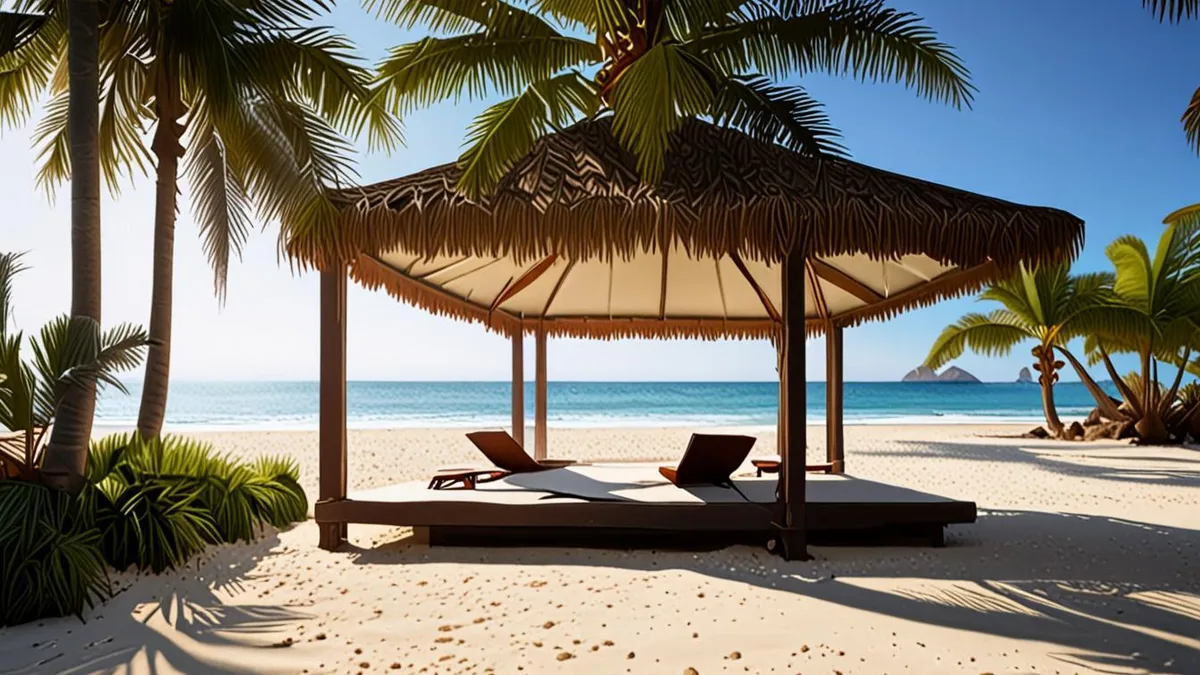
Beach villas sit on the island itself, a short stroll from the shore. You step from your terrace onto sand, and you usually get more for your money: larger gardens, more outdoor space and, in most cases, more indoor floor space than an overwater villa at the same price. The trade-off is the view; you look out onto your garden and the beach beyond rather than open ocean.
What stays the same
Here is the part that matters for your decision: both types on the same resort island share exactly the same restaurants, housekeeping and transfer arrival. Your seaplane or speedboat drops you at the same jetty either way, and you eat at the same places. The real difference is location and access, not service. So the question is simply which kind of access you value more: a ladder into the lagoon, or a garden opening onto sand.
Price Differences: What the Premium Really Buys
Let’s talk numbers. As a rule of thumb, expect overwater villas to cost 30-60% more than a comparable beach villa on the same island. That premium is not for extra service or a better bed; it buys the location, the views and the direct water access. Whether that is worth it depends heavily on when you travel.
How the season changes the gap
In low season, May to October, resorts discount heavily to fill rooms, and those discounts can narrow the gap between categories. An overwater upgrade in the rainy months can end up costing roughly what a beach villa costs at high season. If you have always wanted to try an overwater villa but balked at the price, this is the window where the math works best.
At peak dates like Christmas, New Year and February, the opposite happens. Base rates are at their highest, and the absolute price gap in dollars is widest, so upgrading costs the most then. If you are locked into peak dates and watching your budget, a beach villa is the sensible pick. If you are flexible, shifting your dates can effectively pay for the upgrade you wanted.
Swimming, Snorkelling and Lagoon Access Compared
Water access is where the two villa types genuinely behave differently. From an overwater villa, you slip straight off the deck by ladder or steps into 1.5-2 m deep lagoon water. That depth is deep enough to swim comfortably and shallow enough to see the bottom, and on islands with a house reef nearby it puts you within easy snorkeling distance of some of the best underwater scenery in the country. Roll out of bed, and you can be finning over coral before breakfast.
The beach villa experience
Beach villas offer a very different kind of entry. Most Maldives lagoons are waist to chest deep near the shore, so you wade in gradually rather than jumping in. That shallow entry is safer for children and non-swimmers, and it makes for easy, relaxed paddling all day. What you give up is immediate access to deeper water and reef; from a beach villa you typically walk or swim out further to reach it.
Check the house reef first
Before paying the overwater premium, check whether your island actually has a house reef. On islands with a good one close to the villas, the direct water access is a genuine highlight. On islands without one, where snorkeling means a boat trip anyway, the overwater villa’s water access matters far less, and you may be paying for views alone. Ask the resort how far the reef is from each villa category before you book.
Privacy, Noise and Views
Privacy is where overwater villas pull clearly ahead. Because they sit on stilts out over the lagoon, there is usually no direct neighbor beside you and no foot traffic passing your deck. Nobody strolls past your lounger, and sound carries out over open water rather than bouncing around a garden. If your idea of a perfect Maldives day involves swimming without a swimsuit and reading on the deck in total quiet, an overwater villa is the strongest privacy option you can book.
Beach villas, by contrast, sit along shared beachfront paths. Guests walking between the restaurant, spa and dive center often pass close by, and some islands pack beach villas in tighter rows than the resort photos suggest. Before you book, ask the resort which villa rows or plots are the most spacious and furthest apart, or insist on a generous plot when reserving. A well-spaced beach villa can still feel very private; a cramped one can feel like a busy neighborhood.
Orientation matters too. The sunset-facing and sunrise-facing sides of an island give you completely different views and light, and overwater villas on the sunset side command the highest demand for good reason.
- Ask for a villa map before you pay. Many resorts will email a rough island plan showing villa spacing, so you can spot which beach villas have wide gaps or natural vegetation screening between neighbors.
- Sunset-side overwater villas often sell out first. If watching the sun drop from your deck is a priority, request that side explicitly and expect fewer available dates.
- Sunrise-facing decks suit early risers and photographers. You get soft morning light and calmer winds on that side at some islands, plus a cooler deck in the afternoon heat.
- Check for overwater walkway traffic. Some overwater villas sit near the jetty or the walkway to the spa, so ask for a villa at the far end of the jetty for maximum quiet.
When to Book Overwater Villas vs Beach Villas in the Maldives
The season you pick shapes both the experience and the price of each villa type. November to April is the dry season, with calm lagoons and long sunny stretches on the deck of an overwater villa. This is the best window for deck days: lounging on your sundeck, swimming off your ladder and using the steps into the water without wind or chop. With water around overwater villas typically 1.5-2 m deep, calm conditions make the ladder access genuinely pleasant rather than a challenge.
May to October brings rain, storms and wind, but also rates up to 40% cheaper. That makes it the best value time to try an overwater villa, especially if you can be flexible about which days you actually use the deck. You will still get beautiful stretches of weather, just with a higher chance of showers and choppier water.
Timing your booking matters as much as the season. For high-season dates on popular resort islands, book 6-11 months ahead.
- Overwater categories sell out first. The most photographed villa types have the least inventory on most islands, so waiting usually means settling for a beach villa or a worse overwater location.
- Beach villas often release last. Resorts sometimes hold back beach villa inventory until closer to arrival, so late availability is more common in that category than over the water.
- Peak dates around Christmas, New Year and February can be double low-season rates. If you must travel then, lock in your villa type early rather than hoping for a late deal.
- Shoulder months give a compromise. Late April and early November often combine decent weather with pricing closer to low season, useful if you want an overwater villa without peak pricing.
Choosing by Traveler Type
Couples and honeymooners get the most out of overwater villas, full stop. The combination of unobstructed ocean views, genuine privacy with no neighbors or foot traffic past your deck, and direct swimming access off your own ladder justifies the premium in a way it rarely does for anyone else. If the villa itself is a big part of why you booked the Maldives, spending more to be over the water is money well spent.
Families with young children usually do better in beach villas. Shallow, waist-to-chest-deep water near the shore means kids can play safely while you watch from the sand, and the larger garden and indoor floor space give everyone room to spread out. Sand play, naps, strollers and early bedtimes all work more easily at ground level. Before you commit, run through age-based safety checks for villas with kids, because railings, deck gaps and water access differ a lot between villa types.
If your trip is all about diving
If you are mainly there to dive or join excursions from the dive center, a beach villa saves money you can spend on boat trips. You will be out on the water most of the day anyway, so the view from your deck matters less, and the extra cash goes further toward extra dives, a snorkeling safari or a private sandbank trip than it does on stilts you barely see.
A quick way to decide
Ask yourself one question: will I spend real, uninterrupted hours at the villa itself? If yes, upgrade to overwater. If your days are packed with activities, kids’ playtime or dive boats, a beach villa delivers more usable space for less money.
The Bottom Line on Overwater Villas vs Beach Villas
So, is the overwater premium worth it? If privacy, uninterrupted ocean views and stepping off your deck straight into the lagoon matter most to you, the answer is usually yes. Just remember that overwater villas typically cost 30-60% more than equivalent beach villas on the same resort island, so that premium buys a genuinely different experience, not just a nicer room.
Beach villas, on the other hand, win on space, child-friendly shallow water and overall value, especially in the May to October low season when rates can drop by up to 40%. The smartest move is to match the villa type to who is traveling and when, rather than to the Instagram image. If that helped you decide, leave a comment or share this article with someone planning their own Maldives trip.