Planning a multi-generational resort trip can feel like an impossible puzzle. Grandparents want shade, quiet and a comfortable lounger, parents want a break from constant logistics, and the kids just want the pool and ice cream, ideally before 8 a.m. When every age group defines “a great holiday” differently, it is easy to put off booking altogether.
The good news is that a trip everyone enjoys comes down to a handful of early decisions, not luck. In this guide, we will work through setting a group budget that prevents awkward money conversations, picking a destination and season that suits three generations, choosing between connecting rooms and villas, getting meal plans right for mixed ages, finding activities that genuinely work for everyone, and sorting the logistics like transfers and tipping. Get these right before you book, and the trip largely runs itself once you arrive.
Start With a Multi-Generational Resort Trip Budget Everyone Agrees On
Before you fall in love with a brochure photo, agree on a budget. A realistic starting point is roughly $150-400 per person per day at mid-range all-inclusive resorts, which gives the whole group a shared framework for comparing destinations. With that range on the table, you can rule out places that are obviously too expensive and avoid the resentment that surfaces later when someone realizes they paid twice what others did.
Decide who pays for what, early
Money is the fastest way to sour a family trip, so settle the structure before any deposits change hands. Some groups prefer one family to cover the grandparents as a gift, while others split every cost evenly per adult, with children priced separately. Neither approach is wrong, but everyone needs to know the arrangement in writing, even if that just means a simple message thread everyone can refer back to.
Why all-inclusive pricing helps
All-inclusive rates are popular with large families for a simple reason: they remove the daily negotiations over drinks, snacks and extra meals on site. When everything is already paid for, nobody tracks who ordered the second round of cocktails, and grandparents can treat the grandkids without checking with anyone first.
Finally, build a buffer of 10-15% into the group budget for excursions and extras like spa treatments, photos or a special dinner. Families who skip this step often end up dipping into someone’s pocket at the airport. Those who plan for it simply enjoy the extras without a conversation.
Choosing a Destination and Season for Three Generations
With a budget agreed, the destination choice becomes much easier. Start with the calendar rather than the map: shoulder-season months like May-June or September-October typically cut prices 20-40% versus peak periods in many destinations, and the resorts are noticeably quieter. Fewer crowds matter more than usual with a large group, since you are more likely to get adjacent loungers, free sunbeds by the pool and shorter lines at the buffet.
Keep flights short and simple
When three generations travel together, the flight matters as much as the resort. Favour short direct flights, ideally under 6 hours, so grandparents are not changing planes with heavy carry-ons and toddlers are not melting down during a connection. A slightly less famous destination with one easy flight often beats a more glamorous one that takes a full day of travel to reach.
Plan around the least mobile traveler
Match the destination to the least mobile person in the group, not the most adventurous. That means flat resorts with shaded walkways, elevators to all floors, and distances between rooms, pools and restaurants that a grandparent can comfortably walk. Review resort maps and recent guest reviews with this in mind before committing.
For beach destinations, always check hurricane and monsoon windows before locking in dates. A month can look cheap precisely because the weather is unpredictable then. If the Maldives is on your shortlist, reading up on weather and price seasons at Maldives resorts will help you pick a window that suits everyone in the group.
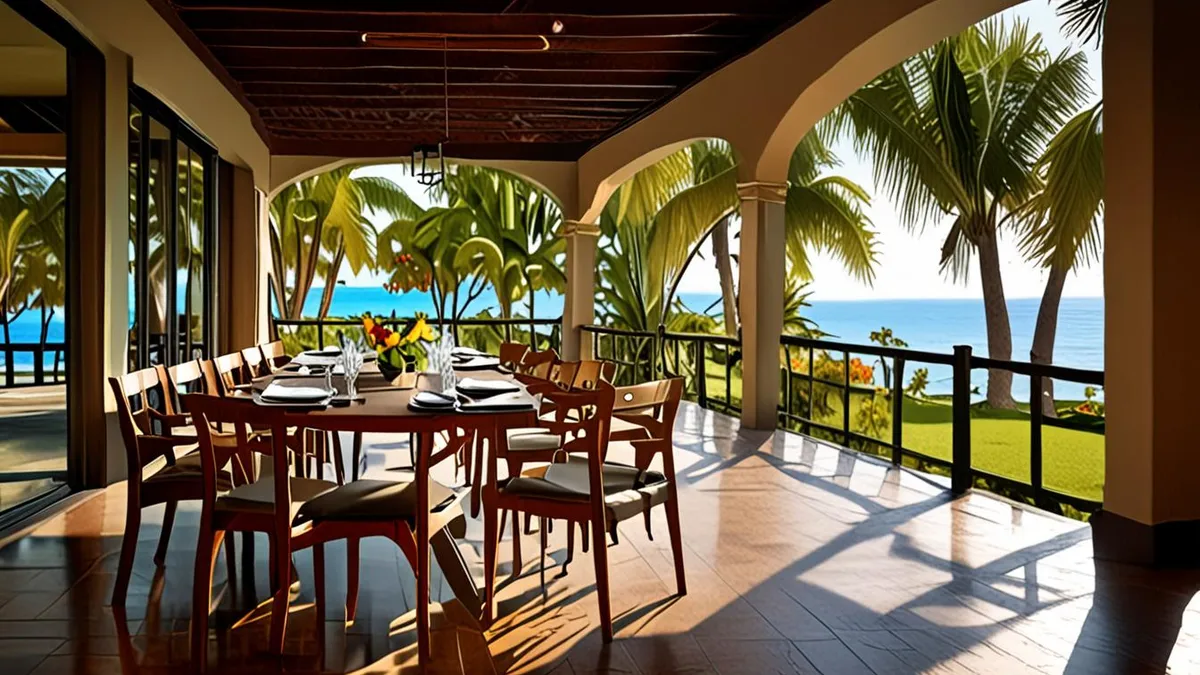
Room Configurations: Connecting Rooms, Villas and Suites
Rooms make or break a multi-generational trip, and the best configurations disappear first. Connecting rooms and adjoining suites are the most requested setups for large families, so book them 8-12 months ahead of travel. Wait until six months out and you will often find the only remaining options are rooms scattered across different floors, which defeats the purpose of traveling together.
The other big decision is a multi-bedroom villa versus several standard rooms. Do the math on cost per person rather than the headline nightly rate, then factor in the shared space: a living room and private pool where the whole family can gather is often what turns a good trip into a great one. Sometimes several standard rooms cost less and the pool deck becomes your shared space instead.
Before you confirm anything, work through this checklist with the resort:
- Mobility access: request ground-floor rooms or elevator-access rooms for grandparents with limited mobility, and ask about handrails in bathrooms and step-free access to restaurants.
- Cots and rollaway beds: confirm availability in writing, since some room categories cannot physically fit an extra bed even if the website suggests otherwise.
- Extra-person fees: ask exactly what each child or additional adult adds to the rate, because these charges vary widely between resorts and can quietly change your per-person math.
- Distance and layout: ask how far the proposed rooms are from the pool, restaurants and kids club, and whether they are shaded in the afternoon.
Getting these details confirmed before booking takes one email and saves weeks of back-and-forth later. Resorts handle these requests constantly, so a specific, polite request usually gets a specific answer.
Meal Plans and Dining for Mixed Ages
Meals can decide whether a multi-generational resort trip runs smoothly or turns into daily negotiation, so getting the meal plan right before you book matters. All-inclusive or full board options typically cost 30-50% more than room-only rates, but many families find the premium worthwhile because it removes the daily “where and what do we eat” debate entirely. With three generations traveling together, that simplicity often pays for itself.
Before committing, check how each plan treats children. Some resorts let young kids eat free, while others offer reduced rates only up to a certain age, and the rules can differ between meal plan tiers at the same property. If you want a clearer picture of how these plans compare, our explainer on how half board, full board and all-inclusive differ walks through the details.
Matching menus to every generation
Look for resorts that pair a generous buffet with à la carte restaurants. The buffet saves picky eaters of any age, from a five-year-old who only eats plain pasta to a grandparent who wants familiar food, while the specialty restaurants give foodie grandparents and adventurous parents something to look forward to in the evenings. Ask whether specialty venues charge a supplement on your plan, as policies vary by resort.
Finally, reserve group tables or private dining as early as possible. Restaurants at family resorts often have limited seating, and parties of ten or more frequently need advance notice, sometimes days ahead. Ask at check-in which venues can host your full group and lock in at least a few shared dinners so everyone gets time together around one table. It’s also smart to note any allergies or dietary needs for every traveler in one list and pass it to the resort before arrival, so kitchens have time to prepare.
Activities That Work for Kids, Parents and Grandparents
The best multi-generational resorts let each generation do its own thing during the day, then come together happily in the evening. Start by understanding the kids club: most programs typically serve ages 4-12, which leaves two gaps to fill. Under-fours usually need a parent or grandparent with them, and teens often find kids clubs babyish, so plan separate entertainment for both groups before you book. If you want the full picture, our guide to what kids clubs offer by age and what they cost covers the details.
Pool layout matters more than you might think. Prioritize resorts with a calm, shaded family pool well away from swim-up bars and adult-only zones, so grandparents can supervise toddlers without dodging cannonballs or poolside parties.
Shared activities that suit everyone
The sweet spot is low-impact activities where no one needs to be an athlete. Good options include:
- Snorkelling from calm, shallow bays or boat-accessed reefs, where grandparents can float and watch from the boat if the water feels like too much.
- Sunset or glass-bottom boat trips, which need no swimming at all and give toddlers something novel to point at.
- Cooking classes or market tours, where kids can get hands-on and grandparents can trade family recipes with the chef.
- Evening shows and live music, which require nothing but a seat and let the whole group wind down together after dinner.
One final rule: schedule one group activity per day, maximum, and protect the rest as free time. Naps, pool time and quiet reading hours are what keep a three-week-long family happy, and nobody should feel over-programmed on vacation.
Logistics: Transfers, Tipping and Group Bookings
Once the fun decisions are made, the logistics decide whether the trip actually runs smoothly. Start with airport transfers: for large groups, pre-book private transport 2-4 weeks ahead, because a party of twelve rarely fits in one standard vehicle. Expect to need a minibus or two or three separate cars, and confirm that child seats can be provided if toddlers are traveling.
Negotiating as a group and handling tips
If your party fills 8 or more rooms, you can often negotiate group rates roughly 10-20% below standard pricing, especially in shoulder season. Contact the resort’s groups or events desk directly rather than booking online, and ask what extras they will throw in, such as a free room upgrade or private group dinner. Tipping is the other common flashpoint. Set up a shared tipping kitty at the start of the trip, topped up equally by each family, and agree roughly how much to give porters, housekeeping and guides. Check local tipping norms before departure, because expectations vary widely between destinations and over-tipping can cause its own awkwardness.
Finally, assign one point person for the whole trip. This person handles correspondence with the resort, relays dietary requests and allergies, tracks any itinerary changes and becomes the single contact if something goes wrong on the ground. Spreading those jobs across three generations almost guarantees something falls through the cracks; one organized coordinator keeps everyone else free to relax.
Wrapping Up Your Multi-Generational Resort Trip Plan
One resort trip that keeps grandparents, parents and kids happy at once can feel impossible, because each generation wants something different from the same week. The trick is to plan so those differences never collide: agree the budget, destination and room setup early, ideally 8-12 months before travel, so connecting rooms and group rates are still available. Match meal plans and activities to every generation, from kids clubs to grandparents’ pace, and build in free time for everyone.
Then sort the practical details before departure: pre-booked transfers, a shared tipping kitty and one point person handling the resort, dietary requests and itinerary changes. Do that, and the trip largely runs itself, leaving the family to enjoy it together. If this guide helped you plan your own multi-generational getaway, share it with the family group chat or drop a comment below.