Travelers booking winter hotel stays often discover that “heated” means very different things in a Nordic lodge, a Mediterranean hotel and an Asian high-rise. In one property you get toasty bathroom floors and sealed triple-glazed windows; in another, a wall-mounted unit that rattles all night while cold air seeps through the window frame. The word “heating” in a room description tells you almost nothing about how warm your stay will actually feel.
This guide explains why winter hotel stays vary so much between regions and buildings. We will look at the heating systems you are most likely to encounter, from radiators to underfloor heating to split units, and at how insulation and glazing separate warm rooms from cold ones. You will also find practical steps for checking a hotel’s heating before you book, choosing the right room type and floor, and fixing things if your room turns out too cold anyway.
Why Winter Hotel Stays Feel So Different Around the World
The biggest reason winter hotel stays feel so different is climate itself. In cold-climate countries like Scandinavia, Canada and alpine Europe, heating is not an optional extra; it is a core part of how the building is designed. Hotels there are built around retained heat: thick walls that hold warmth for hours, triple glazing on most windows, and central heating systems that run through the whole property rather than room by room. Staff expect guests to demand warmth, so the systems are sized accordingly.
In mild-winter regions, the picture changes completely. Around the Mediterranean and in parts of Asia, winters are short and often mild, so heating has historically been treated as an afterthought. Many hotels rely on portable heaters, wall-mounted units or air-conditioning systems switched to heating mode. That works fine on a cool evening, but during a genuine cold snap these setups can struggle, especially in older buildings that were never designed to keep heat in.
Building age matters as much as location
Two hotels in the same city can behave entirely differently in winter. A 19th-century townhouse with original windows, high ceilings and solid but uninsulated walls loses heat in ways its owners may never have fully fixed. A glass tower built in 2015, a few streets away, has modern insulation and sealed windows but may rely on a single split unit per room. Neither is automatically better; the point is that location alone does not predict comfort. Building age, renovation history and heating design all matter just as much when you are choosing where to sleep on a cold night.
Heating Systems You Will Encounter: Radiators, Underfloor and Split Units
The heating system in your room shapes your whole stay, yet most travelers never ask about it until they are shivering at midnight. Four systems dominate hotels worldwide, and each behaves differently once the temperature drops. If you want to understand how room categories and features are described in the first place, it helps to read up on how deluxe, executive and suite categories actually differ before comparing listings.
Hot-water radiators dominate in central Europe. They are effective and reliable, but they dry the air noticeably and take hours to bring a genuinely cold room up to temperature, so expect a chilly first evening if the heating was off before you arrived. Underfloor heating is common in Nordic and alpine hotels, and it is most often found in bathrooms, where floors are typically kept at a comfortable 24-27°C. It is silent and even, but it warms slowly and usually cannot be adjusted much from the room. Split air-conditioning units double as heaters in Mediterranean and Asian hotels. They warm a room fast, but they can be noisy, and their performance drops when it is colder than about 5°C outside, which is exactly when you need them most. Some US hotels use forced-air systems with individual thermostats that cycle on and off audibly through the night.
- Radiator valves: In many European hotels, radiator knobs are the only control you get, so check whether yours actually turns and whether the valve has been closed after the previous guest checked out.
- Split unit remotes: The heating mode is often marked with a sun or heat symbol rather than the word “heat,” and some remotes are in the local language only, so ask reception for a quick walkthrough on arrival.
- Underfloor zones: In alpine hotels, underfloor heating frequently covers only the bathroom and hallway, leaving the main living area to radiators or a separate source.
- Forced-air quirks: Window-mounted thermostat sensors in US-style forced-air rooms can misread the temperature if sunlight or a draft hits them, causing the system to cycle at the wrong times.
Insulation and Glazing: The Real Difference Between Warm and Cold Rooms
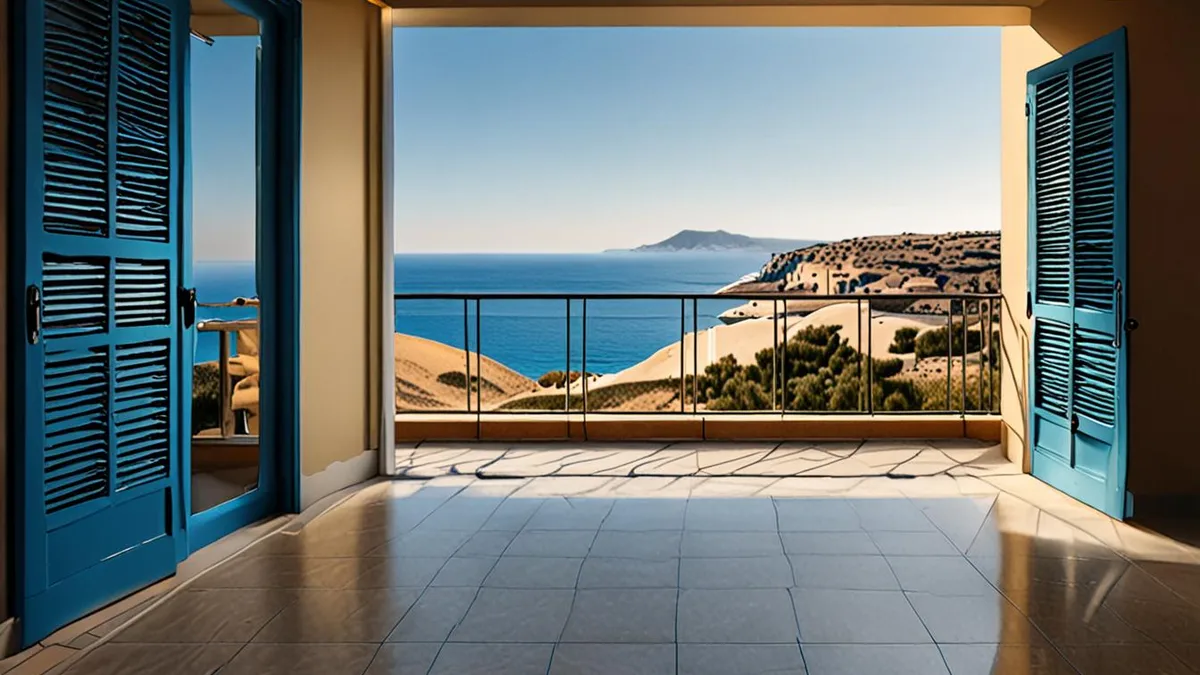
Heating gets the attention, but insulation and glazing decide whether that heat actually stays in your room. In cold climates, double or triple glazing is standard across Scandinavia, Canada and Russia, and walls are built to hold warmth. In mild-winter regions, the opposite is common: single glazing still appears in older Mediterranean buildings, sometimes even in rooms that were recently renovated otherwise. A beautiful sea-view window from another era can be the single biggest source of heat loss in your room.
Why historic hotels get cold
Historic buildings often have radiators but poor insulation, which creates a strange combination: the heat source works fine, yet drafts around original windows become noticeable once temperatures drop toward freezing outside. The warm air simply escapes, and the radiator runs constantly without ever quite catching up. That is not a reason to avoid historic properties, which offer atmosphere no new building can match, but it is a reason to choose carefully within them. If you are new to this type of accommodation, what to expect from a stay in a historic hotel covers the trade-offs in more detail. Asking about window type and recent renovation before booking a winter stay in an older property is one of the most useful questions you can ask.
Where heat escapes fastest
Room position matters too. Corner rooms have two exterior walls instead of one, and top-floor rooms sit directly under the roof, so both lose heat faster than rooms surrounded by neighbors on all sides. If a hotel has been refurbished recently, the windows and insulation were usually part of that work, which makes the renovation date a better predictor of warmth than the star rating. Two simple questions to reception cover most of it: whether the windows are double or single glazed, and when the room category was last renovated.
How to Check Heating Before You Book
A hotel can look perfect in photos and still leave you shivering in January. The good news is that a little research before you book tells you almost everything you need to know about how a room will actually feel in winter. Photos show the furniture, the view and the marble bathroom, but they never show whether the heating works well, whether the windows leak drafts or whether the system shuts down overnight. Since a cold room can affect your sleep and your whole trip, it pays to spend a few minutes checking before you commit. Here is exactly how I vet heating before booking a winter stay.
- Read winter reviews specifically. Filter reviews for stays between December and February, then search them for words like “cold” or “draft”. A summer guest raving about the room tells you nothing about how it performs when temperatures drop. Pay attention to whether the hotel responded to those complaints, since that often says as much as the complaint itself.
- Message the hotel directly. Ask whether heating is central, underfloor or split units, and whether it runs 24 hours a day or on a timer. A hotel that switches heating off overnight can leave you waking up to a chilly room no matter how good the system is. Also ask how quickly a cold room warms up when you arrive.
- Confirm individual temperature control. Ask whether you can adjust the room thermostat yourself. In many European hotels, settings are capped at around 22-24°C, so it helps to know the maximum before you arrive if you run cold. If the cap is lower than you like, ask whether staff can adjust it for you.
- Ask about extras. Check whether extra blankets, heavier duvets or portable heaters are available on request. Most hotels can provide something, but it is far easier to arrange this in advance than at midnight. If you are booking a suite in a tropical destination, confirm whether heating even exists in that category.
Ten minutes of questions can be the difference between a cozy stay and sleeping in your clothes. Hotels that answer clearly and willingly are usually the ones that take winter comfort seriously, so a slow or vague reply is itself useful information. If a property dodges a simple question about its heating system, treat that as a warning sign and keep looking.
Choosing Room Types and Floors for a Warm Winter Stay
Once you know how a hotel heats its rooms, the next lever is the room itself. Two rooms in the same building, at the same price point, can differ by several degrees purely because of where they sit and when they were last refurbished. A few booking choices make a surprising difference.
The single most reliable indicator of a warm room is recent renovation. Refurbished rooms almost always get new windows and improved insulation as part of the work, so prioritize listings described as “recently refurbished” over category names like deluxe or superior, which say nothing about thermal performance. In resort destinations this works in your favor financially: winter is low season at beach properties, with rates often 20-40% below summer prices, so upgrading to a renovated category costs far less than it would in July.
- Choose mid-floor, interior-facing rooms in older buildings. Top floors lose heat through the roof and corner rooms have extra exterior walls, so a mid-floor room sharing walls with neighbors holds warmth noticeably better.
- Ask about window glazing in mild-winter regions. Single glazing persists in Mediterranean and similar climates, and it becomes obvious on colder nights, so a renovated room with double glazing is worth the upgrade.
- In tropical destinations, check heating availability by room category. Nights can drop to 15-18°C, and heating may only exist in suites or be provided on request, so confirm your specific room type has it.
- Request a south-facing room where possible. Sunlight through the window adds free warmth during the day, which matters in buildings with modest heating systems.
None of these choices costs extra effort beyond a note in your booking or a quick email. Combine a renovated, well-placed room with a decent heating system and most winter discomfort disappears before you ever arrive.
What to Do If Your Room Is Too Cold
Even with careful planning, you can still arrive to find the radiator lukewarm or a draft sneaking around the window. How you handle that first evening usually determines whether the rest of your stay is comfortable or miserable. Rooms cool down fast overnight, and maintenance teams go home, so a problem reported at 9 pm is far harder to fix than one reported at check-in. The goal is to act early, be specific about what you need, and keep a record if things are not resolved. A calm, practical approach also gets better results than frustration, because front desk staff respond to clear requests they can actually pass on to maintenance or housekeeping.
- Report the problem on the first evening. Do not wait until your last morning to mention it. Reporting immediately gives housekeeping or maintenance time to respond while you are still there, whether that means bleeding a radiator, resetting a split unit or bringing a portable heater to your door. If the first fix does not work, follow up the same night rather than letting it slide.
- Ask for something specific. Rather than a vague “the room is cold”, request a room change to a south-facing or interior-facing room, a portable heater, or an extra duvet. Specific requests are easier for staff to action and harder to brush aside. If you are unsure what staff are obligated to handle, it helps to understand what hotel housekeeping can and can’t do for you before you escalate.
- Document everything if the issue persists. Take a photo of the thermostat showing the set temperature next to the actual reading, and note the date and time of each report. If you plan to request a discount or compensation afterward, this evidence matters far more than a general complaint made at checkout.
Front desk teams respond very differently to a calm, specific, well-timed request than to an angry comment left on the way out. Give the hotel a fair chance to fix things the same evening, and most cold-room situations end with a heater at your door or a warmer room upstairs rather than a refund fight. If nothing improves by the second night, ask to speak with a duty manager and present your notes calmly. Most properties would rather move you or adjust your bill than deal with a disputed charge later, so a polite but firm escalation usually gets results.
Wrapping Up Your Winter Hotel Stay Planning
So why does “heated” mean such different things around the world? Because winter hotel stays vary mainly by climate, building age and heating system, not by price or star rating. A Nordic lodge with underfloor heating and triple glazing delivers warmth by design, while a Mediterranean hotel or an Asian high-rise may rely on split units and single glazing, treating heat as a bonus rather than a baseline.
The good news is that most cold-room problems are preventable. Check recent winter reviews, message the hotel about its heating system and whether it runs around the clock, and choose a renovated mid-floor room over a charming-sounding corner. A few questions before booking usually decide whether you sleep warm or shiver. If this helped you plan a winter trip, leave a comment or share the article with a fellow traveler.