Most villa guides to Sri Lanka start and end with the beaches, and it is easy to see why. But if you only plan the coast, you may be left wondering where to stay in the cooler, greener interior, and what a night in a tea estate bungalow actually involves. The highlands offer a completely different side of the country, and the choices are less obvious than a beachfront rental.
This guide to Sri Lanka hill country villas walks through the decisions that matter: whether to base yourself in Kandy, book a colonial bungalow around Nuwara Eliya or Hatton, or choose a modern cliffside villa in Ella. We also cover how the hill country compares with the coast, the best times to visit, and the practical checks to make before you pay a deposit, so your highland stay fits smoothly into a longer trip.
Why Choose Sri Lanka Hill Country Villas Over the Coast
The strongest argument for choosing the hills is the climate. While the coast sits in steady heat and humidity, the hill country runs at daytime temperatures of roughly 15–25°C thanks to its elevation of 1,000–2,000 m. After a week of beach weather, that cool air feels genuinely refreshing, and many travelers plan their highland segment specifically as a break from the heat.
Scenery you cannot get by the sea
Coastal villas compete on ocean views, but the hills offer something different: tea terraces rolling across entire valleys, waterfalls dropping through cloud forest, and mist that drifts in and out of the ridgelines each afternoon. If your trip photos so far are all palm trees and sand, a few days among the tea fields adds real variety.
Staffing is often built in
Here is a practical difference that surprises many first-time visitors. Estate bungalows in the hill country frequently come with cooks and housekeepers included in the rate, so meals are prepared for you and the house is kept without any effort on your part. Many coastal rentals, by contrast, are self-catering unless you arrange help separately.
Finally, the hill country works beautifully as a 3–5 night segment of a two-center trip. Pair it with a beach stay, and you get two very different Sri Lankas in one itinerary without the hassle of constant moving.
Kandy: Gateway Base With City Convenience
Kandy is the best pick for travelers who want city convenience alongside a villa stay. You get restaurants, the Temple of the Sacred Tooth Relic, markets, and the city’s transport links, all within easy reach of a quiet residential villa. If you dislike the idea of being isolated on a remote estate, Kandy solves that problem.
Where the villas sit
Most Kandy villas are located in leafy suburbs or in lakeside areas, typically 10–20 minutes from the city center. That short distance is the whole appeal: you can spend the morning sightseeing and return to a garden and pool for the afternoon. Traffic in central Kandy can be slow, so check the exact location and route before booking rather than judging by distance alone.
A smart first stop
Kandy also works well as your first hill country stop because it lets you acclimatize before heading higher to Nuwara Eliya or Ella. The city sits lower than the deep highlands, so the temperature drop is gradual rather than abrupt, which matters if you are arriving from a hot coastal stretch.
Rates are another advantage. Expect Kandy villa prices of roughly $120–300 per night, noticeably lower than remote estate bungalows. Kandy also suits travelers planning a working stretch of their trip, since many city villas offer the reliable internet and comfortable workspaces covered in this guide to choosing villas for remote work. If a few weeks of mornings at the desk and afternoons by the pool sounds appealing, it is worth comparing Kandy’s options with that in mind before you book.
Tea Estates Around Nuwara Eliya and Hatton
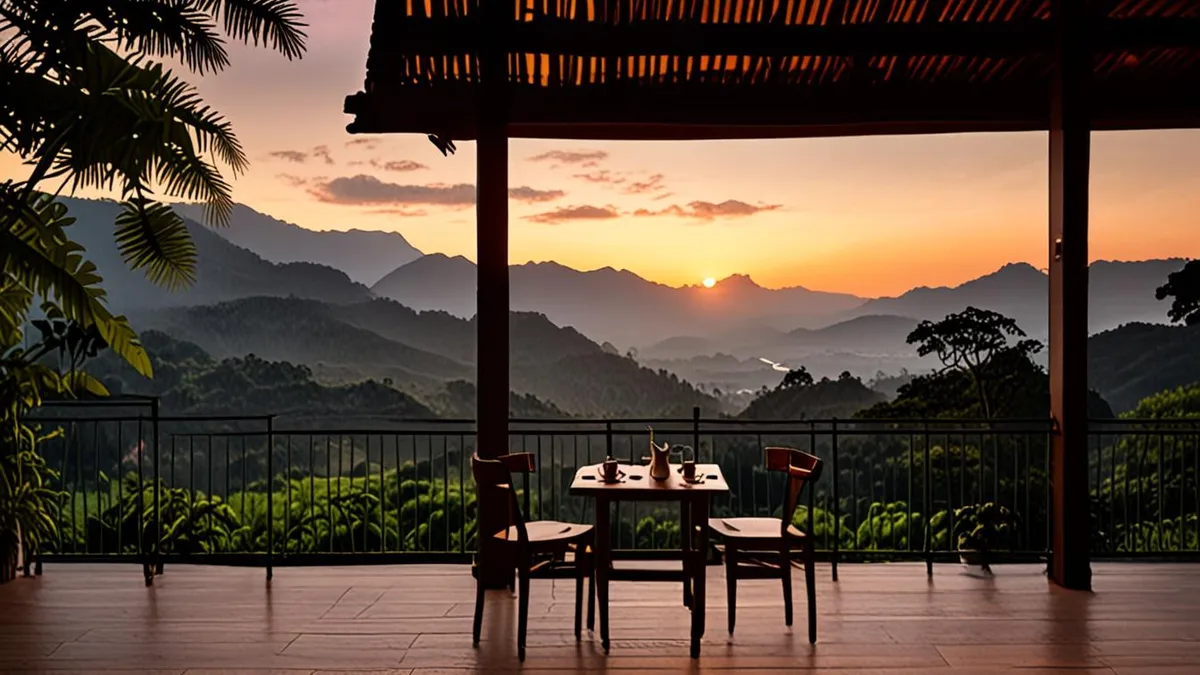
This is the classic tea country experience, and it divides neatly into two zones. Nuwara Eliya, at around 1,900 m, is the heart of the colonial bungalow tradition. The town was built as a cool-season retreat, and the surrounding estates are dotted with old planter’s houses, many now run as staffed villas. It also has the coolest nights of anywhere in this guide, so pack accordingly.
Hatton and Dimbula: working estates
Further west, the Hatton and Dimbula estates offer a more immersive setting. Many bungalows here sit within working tea plantations, some with their own factories, and stays often include guided plantation walks where you can follow the leaf from bush to weighing point. If you want to understand tea rather than just look at it, this zone is the stronger choice.
What to expect on price and timing
Staffed bungalows in these areas typically run $150–600 per night, with the upper end reflecting exclusivity, private-estate access, and peak-season demand. The most sought-after bungalows, especially those with famous views or historic pedigrees, book out early for the December–February window. For those dates, plan to book 3–6 months ahead; leaving it late usually means compromising on location or paying a premium for what remains.
One more practical note: these bungalows are often reached by long, winding estate roads, so confirm access details with the property before arrival, especially if you are driving yourself.
Ella and the Southern Hills: Views and hiking
Ella sits at about 1,000 meters, noticeably warmer than Nuwara Eliya, and its whole appeal comes from the landscape. The town perches above a dramatic gorge where waterfalls tumble through forested ravines, and most mornings you wake up looking straight across the valley toward distant peaks. If your priority is the view from your terrace rather than manicured tea lawns, this is the part of the hill country for you.
The villa scene here is different from the estate zones further north. Instead of colonial-era bungalows, Ella’s accommodation tends toward modern cliffside designs: glass-fronted living rooms, cantilevered decks and, in many cases, an infinity pool positioned to catch the valley view. Some of the best-regarded properties are small, so early booking pays off.
The journey itself is part of the experience. The Kandy–Ella train is widely considered one of the world’s most scenic rides, winding past tea slopes and mountain tunnels for hours, and seats sell out well in advance.
- Reserve train seats 2–4 weeks ahead during high season, since observation-class and first-class carriages are limited and often the first to fill.
- Start the hike to Little Adam’s Peak at sunrise, when the trail is cool and the valley is still clear of visitors.
- Ella Rock takes longer and involves some unmarked sections through tea fields and forest, so allow a full morning and consider hiring a local guide.
- Afternoon cloud builds quickly over the gorge, so plan photography and viewpoints for the first half of the day.
When to Visit the Hill Country
Picking your dates matters more in the hill country than it does on the coast, because mountain views are weather-dependent and rain changes the hiking experience completely. The good news is that the two best windows conveniently split the year, so you can usually pair a hill stay with a beach stretch somewhere on the island.
January through March delivers the driest, clearest conditions of the year, with crisp mornings and long sightlines across the tea slopes. If photographing waterfalls or seeing Adam’s Peak-style panoramas from your villa terrace is high on your list, this is the stretch to target, and it is also when estate bungalows book out furthest in advance.
July to September is a reliable second window. While the southwest coast sits in its monsoon, the hill country stays comparatively dry, which makes it a natural escape mid-year. The wettest stretch falls between October and November, when the inter-monsoon brings heavy rain and slippery trails.
- During the October–November inter-monsoon, leeches appear on forest trails, so pack socks or salt solutions if you still plan to hike.
- Nights stay cool at elevation throughout the year, so bring a fleece or jumper even if your days feel warm.
- Because January–March is peak demand, popular estate bungalows can disappear from calendars months ahead; booking early secures both the property and better rates.
- The July–September window pairs neatly with southwest coast beaches being at their wettest, letting you flip a classic beach-first itinerary.
What to Check Before Booking a Hill Country Villa
Hill country villas are wonderful, but a few details catch travelers off guard, and all of them are easily checked before you pay a deposit. The most common complaint in this region is not the view or the food, it is the cold. Nights at higher elevations can drop to around 10°C, and a beautiful bungalow with no working fireplace, heaters or reliable hot water quickly loses its charm. Daytime temperatures across the hills sit around 15–25°C, which sounds mild until you step onto a stone floor after sunset. Ask specifically about heating and hot water before confirming any booking.
Transport deserves equal attention. Roads in the tea country are winding and slow, and drive times are far longer than the distances suggest. Kandy to Nuwara Eliya is roughly 75 km but takes 2.5–3 hours by car, and Ella lies about 2 hours further east, so build realistic transfer times into your itinerary rather than trusting map estimates. If you plan to ride the famous Kandy–Ella train instead, book seats 2–4 weeks ahead in high season, as it is widely considered one of the world’s most scenic journeys and sells out accordingly.
Staffing is the other key question. Most hill country villas include a cook and housekeeper, but food arrangements vary widely between properties, so dig into the details.
- Clarify whether the cook shops on your behalf and whether groceries are charged at cost plus a service fee, or priced through a fixed menu.
- Confirm how many staff are on site daily, since some bungalows bring in a housekeeper only during daytime hours.
- Ask about bedroom heating specifically, because a fireplace in the common room does not help a cold guest room at 2 a.m.
- Verify the listing independently before sending any deposit; fake estate bungalow listings do appear, so check the property through a second channel and, if in doubt, read how to verify a villa listing before paying a deposit.
Planning Your Hill Country Stay
Most villa guides for Sri Lanka focus on the beaches, but the hill country deserves its own planning. The highlands bring cool weather, tea estate scenery and staffed bungalows that the coast simply cannot match, and choosing the right base makes all the difference. Kandy works best if you want restaurants and transport on your doorstep, Nuwara Eliya and Hatton suit travelers after a classic estate bungalow stay, and Ella fits those chasing modern villas with big views.
Aim for January–March or July–September for the clearest mountain weather, and book 3–6 months ahead if you want a sought-after estate bungalow for a December–February stay. Before paying anything, check heating and hot water, drive times and road quality, and exactly what staff inclusions cover. If this guide helped you plan your trip, leave a comment or share it with a fellow traveler.