Choosing between Mount Roraima and Torres del Paine trips up a lot of trekkers, and for good reason: they are almost impossible to compare directly. One is a lodge-and-refugio park in Chilean Patagonia where you can sleep in a proper bed most nights; the other is a tent-based expedition up a Venezuelan tepui where the trail itself is the accommodation. Even the Torres del Paine lodges scene and Roraima’s simple base town serve completely different trip styles.
This guide skips the property-by-property comparison and helps you pick the right base instead. We’ll look at what each destination actually offers, the season and weather windows that shape both trips, how trekking access differs between day hikes and full expeditions, what lodge stays cost and how far ahead to book, and where to base yourself in Puerto Natales or Santa Elena de Uairén. By the end, you should know which one matches your comfort level, your calendar and your appetite for mud, wind and tents.
Two Very Different Patagonia Bases: What Roraima and Torres del Paine Actually Offer
Torres del Paine is a full national park hub in Chilean Patagonia, and its accommodation network is one of the reasons it’s so popular. Refugios, eco-domes and full-service lodges cluster around the W Trek and the O Circuit, so you can plan anything from a comfortable lodge-based week to a multi-day trek with a bed waiting at the end of each stage. Trails are signed, transport runs regularly in season, and the whole area is set up for travelers who want structure.
A tepui trek, not a lodge circuit
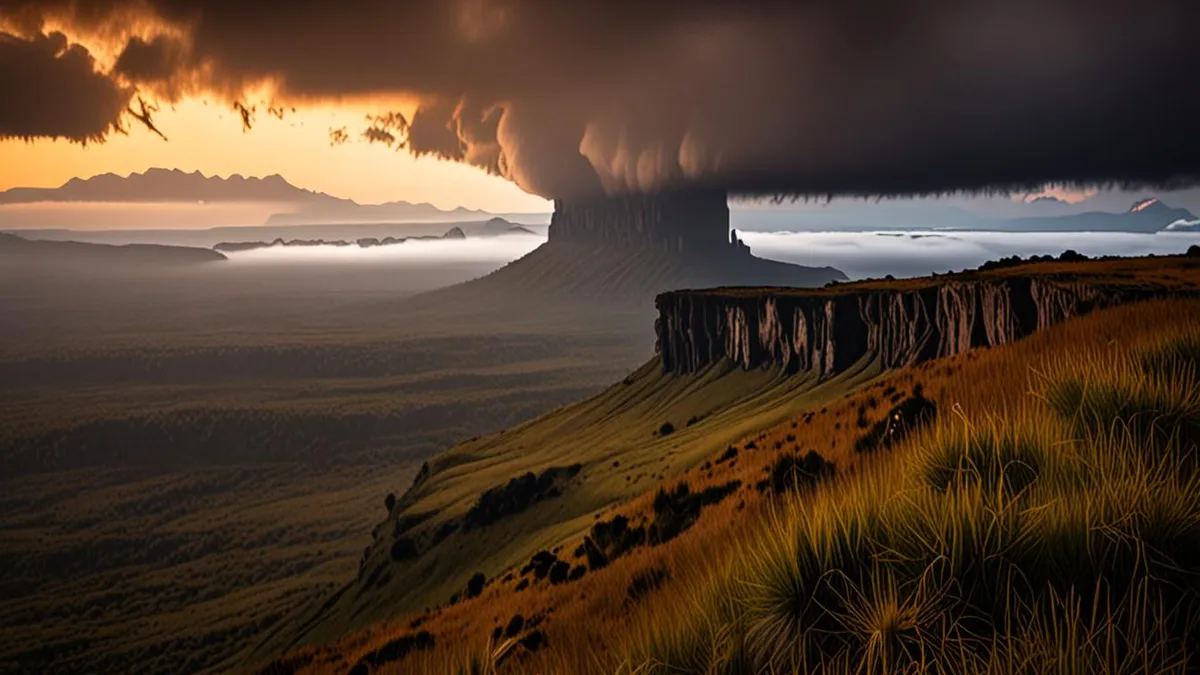
Mount Roraima is a different animal entirely. It’s a Venezuelan tepui trek where accommodation is mostly camping on the trail: you pitch your tent at designated campsites as you climb toward the plateau, and there are no lodges waiting along the route. The only real lodge base is Santa Elena de Uairén, a frontier town where trips are organized and where you’ll sleep before and after the expedition.
That’s why the usual “which lodge is better” question doesn’t work here. The real choice is between a lodge-based park, where comfort is built into the experience, and a tent-based expedition, where the lodging is essentially your base town bookending a week of camping. Knowing which of those two trip styles you want settles most of the decision before you ever compare a single property.
Season and Weather Windows for Each Base
Timing shapes both trips more than any lodge choice does, and the two windows barely overlap in character. Torres del Paine works best from November to March, when Patagonian summer brings long daylight, the full refugio and transport network runs, and trails are at their most reliable. October and April act as quieter shoulder months, with fewer crowds and milder prices if you don’t mind more changeable conditions.
Why Roraima’s window matters more
Roraima is best visited in the drier December-to-April window, and this matters far more than a simple preference for good weather. The trail involves river crossings that swell in the wet season, and the exposed plateau offers little shelter when conditions turn. A wet-season attempt can mean delayed crossings, soaked gear and miserable nights, so the dry window is closer to a requirement than a recommendation.
The character of each season differs too. Paine’s summer means long daylight hours and famously strong wind, which you plan your packing and campsite choices around. Roraima’s dry season, by contrast, brings humidity and heat at the lower elevations, so you’ll be sweating through the Gran Sabana before the climb cools things off. If your travel dates are fixed, check which destination’s window they actually fit; if they’re flexible, let the season decide for you.
Trekking Access: W Trek Day Hikes vs the Roraima Expedition Route
The two destinations differ sharply in how you actually get onto the trail. From Torres del Paine lodges you can day-hike to the Base Torres viewpoint without ever carrying an overnight bag, or run the full W Trek over roughly 4-5 days with lodge or refugio beds each night. The O Circuit adds the remote back side of the massif and takes about 8-10 days, with more camping involved. Either way, you’re choosing your itinerary day by day from a fixed base, and that freedom shapes the whole trip: you can shorten a stage when the wind picks up, add a rest day, or book a different bed each night as you go.
Roraima offers no such flexibility. The trek usually runs 6-8 days round trip from Santa Elena de Uairén, and it’s camping throughout: there is no lodge network on the route, so your “base” is Santa Elena before and after the expedition. You commit to the full route in one go, with a licensed guide and typically porters or mules carrying group gear. That means you can’t skip a section or split the trek across two visits — it’s the whole mountain or nothing, which is exactly the appeal for many trekkers.
- The W Trek’s stages are linked by refugios and campsites, so you can hike it in either direction and adjust which nights you book where.
- The O Circuit’s back side has fewer facilities and more exposed sections, which is why it suits trekkers comfortable with consecutive camping nights.
- On Roraima, campsites like those at the base of the ramp and on the plateau itself are fixed points on the itinerary, not options you choose between.
- Roraima trips are arranged through operators in Santa Elena, so your pre-trek days there are spent sorting permits, gear and guides rather than booking lodges along the route.
What Torres del Paine Lodges Cost and How Far Ahead to Book
Torres del Paine is not a budget-friendly park once you step beyond a dorm bed. Full-service lodges near the park typically range from about USD 300 to over USD 1,000 per night in high season, and that’s before you factor in whether meals are included. At the lower end, refugio bunks and dome beds are far cheaper, but they come with a catch: availability.
Why the summer beds vanish so early
Refugio and dome beds for January and February, the busiest months of the season, often sell out 5-6 months ahead. If you want a W Trek with a bed every night in peak summer, you’re essentially planning your trip the previous winter. Waiting until spring to book usually means piecing together camping spots instead, or settling for whatever dates remain.
The shoulder months change the math considerably. Booking for October or April widens your options noticeably and can cut rates on full-service lodges versus peak summer. You trade some daylight and warmth for quieter trails, easier reservations and often better value per night.
This pattern isn’t unique to Patagonia, so it helps to think in general terms. Our guide to how far ahead to book national park lodges explains the booking windows that apply to famous parks worldwide, and Torres del Paine sits firmly at the “book early” end of that spectrum. Whatever month you target, check current rates and availability directly with operators, since pricing shifts year to year.
Base Towns and Lodging Hubs: Puerto Natales vs Santa Elena de Uairén
Where you sleep before and after the trek matters as much as where you sleep during it, and the two destinations handle this very differently.
Puerto Natales: the comfortable hub
Puerto Natales sits about 1.5-2 hours by road from Torres del Paine and is the main lodging hub for the region. It offers the widest lodge choice by far, from simple guesthouses to polished boutique hotels, plus gear rental shops, supermarkets and restaurants for stocking up. It works beautifully as a pre- and post-trek base: you can arrive, sort permits and equipment, then day-trip into the park or transfer in for a multi-day trek.
Staying inside the park itself saves you that daily drive, which is a real advantage for sunrise hikes to the Base Torres viewpoint. The tradeoffs are predictable: it costs more, and in-demand properties book out earlier than anything in town. Many travelers mix the two — a couple of nights inside the park, the rest in Puerto Natales.
Santa Elena de Uairén: the staging point for Roraima
Santa Elena de Uairén, on the Venezuelan side of the border, is the only real lodge base for a Roraima trek. Expect simple lodges, guesthouses and tour operators gathered in a compact town — functional rather than fancy. Comfort levels are far more basic than Paine’s lodge scene, so set expectations accordingly. The practical approach is to arrive a day early, confirm your expedition with a local operator, and use the town as a staging point before you trade a bed for a tent.
Comfort, Meal Plans and Logistics on the Ground
Once you’ve picked a base, the daily logistics are where trips succeed or fray. The two destinations demand very different kinds of preparation.
Life at a Torres del Paine lodge
Torres del Paine lodges commonly offer full board, gear storage and guided trek packages, which makes planning refreshingly simple: you show up, they handle meals and logistics, and you hike. The catch is that inclusions vary widely between properties, so check whether meals are included before comparing prices — a lower nightly rate without food can end up costing more overall. If you’re unsure how these arrangements work, our guide to full board versus self-catering meal plans breaks down what to look for.
Packing here is dominated by one factor: wind. It’s the defining weather feature of the park, so think windproof shells, a hat that stays on, and trekking poles for exposed sections. Layers matter, but wind protection matters more.
Life on the Roraima expedition
Roraima trips bundle meals, porters and guides into the expedition price, which simplifies budgeting — but you sleep in tents for the duration and carry far less choice about where and what you eat. Cooking happens at campsites, and menus are set by the operator. Your packing challenge is different too: rain and mud on the trail are the real test, so prioritize a good rain shell, quick-drying clothing and footwear with solid grip. Dry bags for electronics and spare socks are worth their small weight.
Wrapping Up: Matching the Base to Your Trip Style
If you want lodge or refugio comfort, flexible day hikes and a November-to-March season, Torres del Paine is the clearer pick. You can mix full-service properties with refugio beds, day-hike when the wind allows, and rely on Puerto Natales as a proper base before and after. It rewards planning, especially for January and February, but the infrastructure is there.
If you are expedition-minded and happy to camp for 6-8 days, Mount Roraima in the December-to-April dry window offers something Paine cannot: a remote tepui summit reached under your own steam, with Santa Elena de Uairén as your only real lodge base. In the end, choosing by season, trek style and comfort level matters far more than comparing individual properties. If this helped you decide, leave a comment or share the article with a trekking partner.