Booking a lodge often comes with a tricky question: should you pay for meals up front, or cook for yourself and keep the freedom to eat where and when you like? Lodge meal plans vary a lot, and the cheapest-looking room rate can turn out to be the most expensive option once you add three restaurant meals a day for a family.
This guide walks through what each plan actually includes, when full board is worth every cent, where self-catering delivers real savings, and why half board is the middle ground many travelers end up choosing. We’ll also look at how meal plans change the total cost of your stay and how to match a plan to your destination, whether that’s a remote safari camp or a lakeside lodge near a market town. By the end, you’ll know exactly which option fits your trip.
What Lodge Meal Plans Actually Include
Meal plan terminology isn’t standardized across the lodge world, so the same word on two booking sites can mean different things. A “full board” rate at one property might include afternoon tea and packed lunches, while at another it covers nothing beyond three set meals. Before comparing rates, work out exactly what food each option covers, because the gap between room-only and full board can be substantial once you add up every breakfast, lunch and dinner. Here’s how the main plans break down:
- Room-only: no food is included at all, so you arrange every meal yourself, from the morning coffee to the last dinner of your stay.
- Self-catering: your lodge comes with an equipped kitchen or kitchenette, typically including a stove, fridge and basic cookware, so you prepare your own meals just as you would in a rental apartment.
- Half board: breakfast plus one main meal, usually dinner, are included each day, leaving lunch to your own arrangements.
- Full board: breakfast, lunch and dinner are covered daily, so you only pay separately for drinks and snacks in most cases.
Some lodges blur these lines in useful ways. Instead of a sit-down lunch, a walking lodge might hand you a packed picnic each morning. Others give you a daily credit to spend on à la carte dishes, so you choose what and when you eat rather than accepting a fixed menu. A few properties also offer flexible plans that let you add meals day by day, which can suit travelers who plan to eat out occasionally.
Always ask what the plan covers in practice, because a “full board” rate that excludes drinks at a remote lodge can still leave a noticeable bar bill at checkout. Ask specifically about tea and coffee, snacks between meals, and whether speciality dinners cost extra. Getting these details in writing before you book makes comparing prices far easier and avoids surprises when the bill arrives.
Full Board: When Paying for Every Meal Makes Sense
Safari lodges almost always include all meals, and for a simple reason: they sit far from any shops or restaurants, so there is no alternative to eating at the lodge. Once you’re through the gate, driving out for dinner usually isn’t realistic, and the kitchen is part of the experience anyway, often serving shared dinners where guides and guests swap stories from the day’s game drives.
Remote lodges where there’s no alternative
The same logic applies to remote fjord and mountain lodges. When the nearest restaurant is 30-60 minutes away by car down narrow roads, paying for every meal is less a luxury than a practical necessity. On a trip through Norway, for example, staying at a lodge deep in the fjords means your evening meal realistically happens where you sleep. Our guide to Norway fjord lodges with the best views covers properties where this applies.
Why short trips favor full board
All-inclusive-style dining also removes daily decision-making, which matters most on short trips. On a 2-3 night stay, you don’t want to spend precious hours researching restaurants or driving somewhere for lunch between activities. You wake up, eat, head out, come back to a prepared dinner. Budget-wise, expect full board to add roughly 30-60% to the nightly rate versus room-only, so weigh that premium against what you’d realistically spend eating out three times a day.
Self-Catering: Freedom, Kitchens and Real Savings
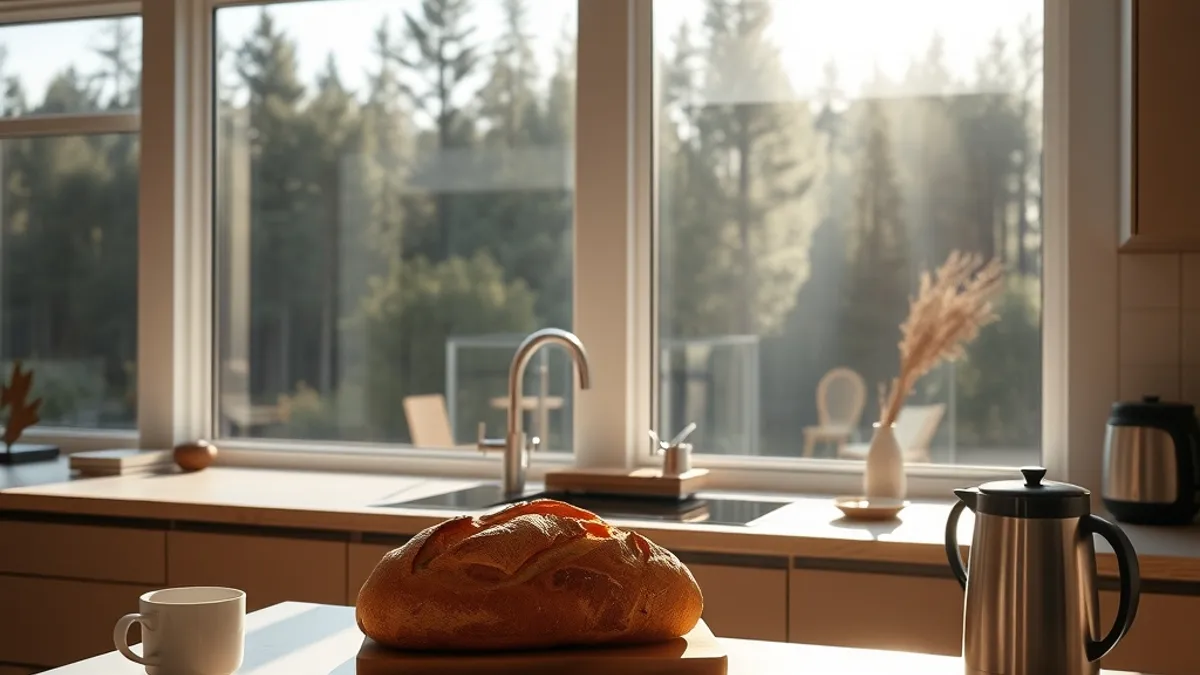
If your lodge sits near a town with markets and restaurants, self-catering can be the smarter financial choice. Cooking your own meals can cut food costs 15-30% for a family of four compared with eating out three times a day, and those savings add up quickly over a week. There’s also a comfort factor: breakfast in pajamas, a relaxed pasta night after a long day on the trail, and no need to dress for a restaurant.
Watch the minimum stay
Self-catering lodges often require minimum stays of 3-7 nights in peak season, so this option suits longer trips rather than a quick weekend. That’s usually no hardship, since the savings only become meaningful after several nights anyway. If you’re planning a week by a lake or on the coast, a well-equipped kitchen pays for itself.
Plan your grocery run
One thing to budget for is shopping. Many rural lodges are 20-40 minutes from a decent supermarket, so plan a grocery run on arrival day, ideally before you reach the lodge. Stock up on staples for a few days at once rather than making repeated trips. The other big advantage is control: you set meal times and ingredients, which is valuable for allergies, fussy kids, or early hiking starts when you need breakfast at six and a packed lunch ready to grab on the way out.
Half Board: The Middle Ground Most Lodge Guests Choose
Half board is the plan most European lodge guests end up booking, and for good reason. It bundles breakfast and dinner into one rate, typically adding 20-40% to the room-only price. You wake up to a proper meal, head out for the day, and come back to a cooked dinner without ever opening your wallet at the lodge. For many travelers, that balance of structure and freedom is exactly what a lodge stay should feel like.
The setup suits anyone who spends lunchtime away from base. Hikers, cyclists and sightseers are usually halfway up a trail or across a valley when midday rolls around, so paying for a sit-down lunch they will not eat makes little sense. A big breakfast carries you through the morning, you grab something light on the move, and dinner becomes the satisfying finish to a long day outdoors. If you are planning a walking trip, it is worth browsing lodges that cater specifically to hikers, such as these lodges in the Brecon Beacons for hikers, where the meal structure is built around days on the trail.
Before you book, ask a few practical questions:
- Picnic swaps: Many walking and cycling lodges let you exchange dinner for a packed lunch on request, useful for days when the route finishes far from base. Ask in advance rather than on the morning itself.
- Drinks: Dinner drinks are usually billed separately, so at a remote lodge with no alternative bar, a bottle of wine with dinner can noticeably inflate your final bill.
- Dinner times: Some lodges serve dinner at a fixed hour with a set menu, so check whether the kitchen can accommodate a later arrival after a long day out.
- Dietary needs: Confirm vegetarian, allergy-friendly or children’s options when you reserve, as small lodges often plan menus days ahead.
How Meal Plans Change the Total Cost of Your Lodge Stay
The headline room rate is the least useful number on a lodge booking page. What matters is the full package price, because meal plans shift where your money goes. Two lodges with very different headline rates can end up costing almost the same once food is factored in.
Consider a typical scenario: a lodge quoted with full board can look expensive next to a room-only competitor down the road. But add up three restaurant meals a day for your family, plus drinks and tips, and the room-only option often overtakes it. If you want a worked example of how these numbers stack up, this breakdown of what a stay at an African safari lodge really costs shows why the all-meals rate usually represents fair value in remote locations.
Where self-catering costs hide
Self-catering looks simple on paper: you pay for groceries instead of a meal plan. In practice, grocery prices vary enormously by region. Island communities and alpine villages often charge a real premium for basics, because everything arrives by ferry or a long mountain road. Shop in a larger town before you arrive and your weekly food bill can drop noticeably.
Finally, ask exactly what each plan excludes. Drinks, snacks between meals, speciality tasting dinners and café lunches are the most common extras. Two “full board” rates are not always comparable until you know what sits outside them, so get the inclusions in writing before you compare prices.
Matching the Meal Plan to Your Trip Style and Destination
The right meal plan depends less on the lodge and more on how you travel. Match the plan to your destination and trip length, and the choice usually makes itself. Before you book, think honestly about how often you will actually be at the lodge to eat, and whether you see meals as part of the experience or just fuel between activities.
Full board earns its keep where leaving the property is impractical. Safari lodges sit hours from the nearest restaurant, wilderness lodges may be reachable only by boat or light aircraft, and winter lodges can have snow-covered access roads after dark. In these settings, meals are part of the stay rather than an optional extra, and trying to arrange food independently is rarely realistic.
Self-catering shines in the opposite situation: lake, wine-country and coastal lodges near towns with markets, bakeries and good restaurants. Half the pleasure of those destinations is eating locally, so a kitchen gives you flexibility without locking you into lodge dinners every night. It also suits travelers who like a slow breakfast or a late lunch on their own schedule.
A few quick rules of thumb by trip type:
- Active itineraries: Half board fits trips built around daytime excursions, since you are out over lunch but want a relaxed, cooked evening at the lodge.
- Family cooking: With kids, a kitchen lets you eat early, keep familiar foods on hand and avoid restaurant meltdowns at the end of a long day.
- Shoulder-season trips: Outside the peak June-August and December-February windows, minimum-stay requirements on self-catering lodges are often more flexible.
- Dietary needs: If you have strict allergies or follow a specific diet, self-catering removes the guesswork of explaining your requirements to a new kitchen every mealtime.
Wrapping Up: Picking Between Full Board and Self-Catering
So, is paying for included meals worth it? The honest answer is that it depends on where you are staying and for how long. Full board makes the most sense at remote lodges and on short trips, when leaving the property for a meal is impractical. Self-catering comes into its own on longer stays near towns, where you can shop locally and cook on your own schedule. Half board sits in between, and it remains the most common lodge offering in Europe.
Whatever you choose, compare the total package cost rather than the headline room rate, and check exactly what each plan includes before you book. Drinks, snacks and speciality dinners are the usual surprises. If this guide helped you decide, leave a comment with your own lodge experiences or share the article with a fellow traveler.