Hunting lodge stays have a certain pull: crackling fires, game dinners, and days spent in the field with a local guide. But if you have never booked one, the unknowns pile up quickly. What actually happens on a guided day? Do you share a room? And how do you know whether a quote is fair or wildly overpriced? That uncertainty stops a lot of travelers from pressing the booking button.
This guide walks through the whole picture, from what a hunting lodge stay actually includes to what it costs at three different levels, from room-only nights to all-inclusive packages with trophies and permits. You will also find advice on seasons and booking lead times, a realistic hour-by-hour look at a typical day, how to choose between lodge types and regions, and what to pack. By the end, you should know exactly what you are paying for and whether a lodge stay fits your travel style and budget.
What a Hunting Lodge Stay Actually Includes
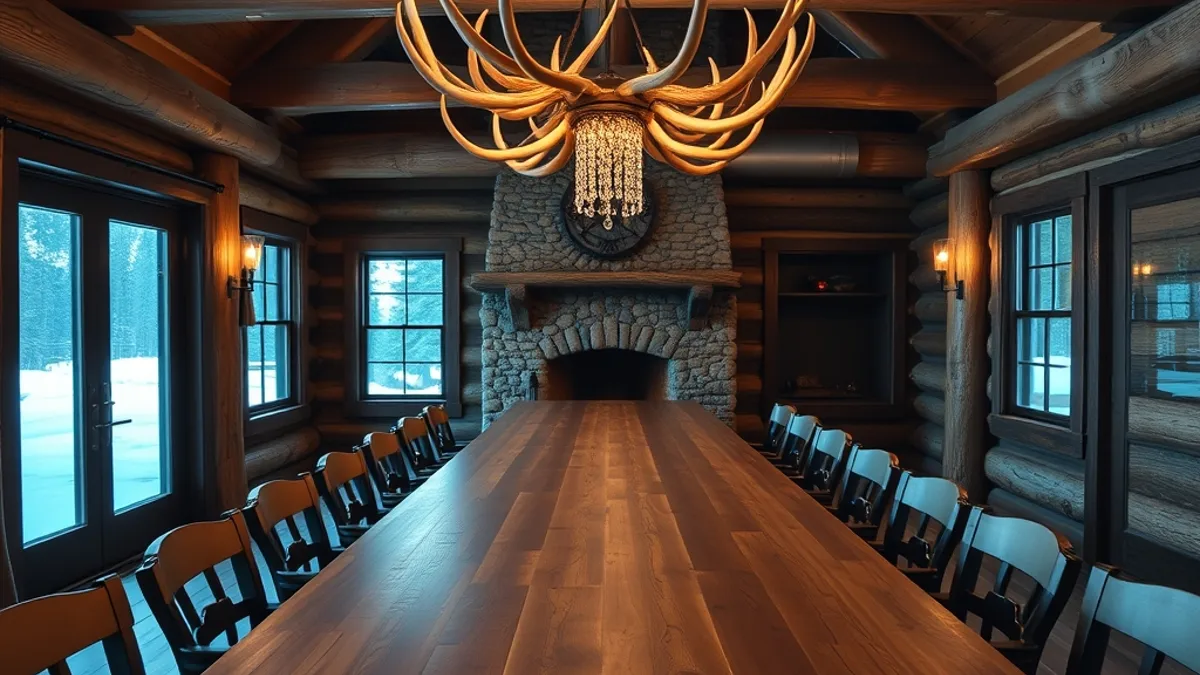
Most hunting lodges are deliberately small operations. A typical lodge hosts somewhere between 8 and 20 guests, which keeps the atmosphere personal rather than hotel-like. Accommodation ranges from shared rooms in older estate houses to private rooms in more modern builds, so it is worth asking which you are getting before you book. Communal dining is standard, and nearly every lodge has a lounge with a fireplace where guests gather after the day is done.
What you pay for usually comes as a bundle: lodging, meals and guided outings packaged together. If you only want a bed and you plan to arrange your own activities, room-only rates are the budget option, typically running $150 to $400 per night. Full packages cost more but remove almost all the logistics from your shoulders.
Be ready for early starts
The biggest surprise for first-timers is the schedule. Guided days usually last 6 to 10 hours and often begin before dawn, with breakfast served in the dark so you are in position when wildlife is most active. If you are not a morning person, plan your evenings accordingly and pack a thermos. The early alarm is part of the experience, and most guests find the rhythm easier to adjust to than they expected.
Hunting Lodge Costs: From Room-Only to All-Inclusive
Hunting lodge pricing comes in three broad tiers, and knowing which one a quote belongs to makes comparison much easier. Room-only stays are the entry level: you get accommodation only, and you handle meals, guides and any permits yourself. It suits experienced hunters who already know the area or who prefer to book services separately.
The middle tier is full-board with guided days, which typically runs $400 to $1,200 per person per night. This covers your room, all meals and a guided outing each day, though trophies and permits are usually billed separately. If you have priced safari trips before, the structure is similar, as what a stay at an African safari lodge really costs explains.
At the top end, all-inclusive packages that bundle in trophies and permits can exceed $2,000 to $5,000 per person. These are genuine packages where the animal fee, paperwork and often the trophy preparation are included in the headline price.
- Ask what the trophy fee covers. Some packages include field preparation and shipping documentation, while others charge for caping, salt treatment and export papers as extras.
- Clarify the permit situation. In several countries the lodge arranges the hunting license or permit on your behalf, but the fee may be passed through at cost rather than included.
- Check whether ammunition and rifle rental are extra. If you travel without your own firearm, rental and ammunition can add a noticeable amount to the final bill.
One more point that changes the math for many groups: non-hunting companions usually pay 30 to 50 percent less than hunting guests. That makes lodges surprisingly workable for couples or friend groups where only some people hunt.
Seasons and Booking Lead Times
Timing matters more at hunting lodges than at almost any other type of accommodation, because the calendar is set by the seasons rather than by school holidays. In Europe, hunting seasons run roughly September to February, while North American seasons peak between October and January. Within those windows, demand concentrates around the weeks when your target species is legally huntable and conditions are best, so those dates fill first.
How far ahead to book
For peak-season dates, plan on booking 6 to 12 months ahead. Popular estates with limited guest capacity can be fully committed a year out, especially for driven hunts where the calendar is fixed. Shoulder-season stays are far more forgiving and often need only 2 to 3 months’ notice, which makes them a good option if you prefer to travel spontaneously.
The trade-off with shoulder months is daylight. Early and late in the season you get lower rates and quieter lodges, but the guided day is compressed because darkness falls sooner. Losing an hour or two of usable light can matter if your goal is a specific hunt, so it’s worth weighing the savings against a shorter window in the field.
Season choice also shapes the experience beyond the hunt itself. Peak weeks tend to bring fuller lodges and a livelier atmosphere at the dinner table, while shoulder dates often mean more attention from staff and a calmer pace. Neither is better; it depends on whether you want atmosphere or quiet.
Before you commit, confirm with the lodge which species are in season during your travel window, what the weather is typically like at that point, and whether the terrain will be at its best. A short email exchange early in the process can save you from booking a week that doesn’t match your expectations.
A Typical Day at a Hunting Lodge
A day at a hunting lodge follows a rhythm that surprises most first-time guests. It is built around daylight and animal activity, not hotel schedules, so the pace feels different from any other countryside stay. Expect the day to stretch from early morning well into the evening, with long breaks built in between outings. Here is how a typical guided day usually unfolds.
- Pre-dawn breakfast. The kitchen serves an early, hearty meal before the sun comes up, because game is most active in the first hours of light. Coffee is strong, and most guests dress in their field clothes at the table so they can head straight out.
- Morning guided outing. You head out with a local guide through woodland or open terrain, walking drives, sitting in a high seat or positioning yourself where the guide expects movement. These outings are the core of the day and take up most of the daylight hours, so pace yourself and bring snacks if the lodge allows it.
- Midday return and rest. Back at the lodge, a substantial lunch is served, often the biggest cooked meal of the day. Afterward you get a proper break, with time to nap, clean equipment or simply read by the fire.
- Optional afternoon session. Depending on the season, the weather and how the morning went, guides may offer a shorter second outing. Many guests take it, but skipping it is perfectly accepted, and the downtime is part of the experience rather than a gap to fill.
- Communal dinner. The evening centers on a long, shared dinner, often featuring game dishes from the region. Guests compare notes from the day, and the conversation tends to carry late into the lounge.
The communal structure is part of the appeal. With most lodges keeping groups small, you quickly get to know everyone at the table, from fellow first-timers to returning guests who happily share local tips. The shared meals become as memorable as the outings themselves, and solo travelers rarely feel out of place in this setting. Come prepared for long days, generous food and plenty of conversation, and the routine quickly grows on you. Ask the lodge about the daily schedule when you book so you can plan rest, meals and any non-hunting activities around it.
Choosing Between Lodge Types and Regions
Not all hunting lodges offer the same experience, and the region you choose shapes almost everything about the stay. The first big split is between traditional working estates and wilderness-focused operations, and each suits a different kind of traveler.
Traditional estates and wilderness lodges
Working estates in Scotland and Central Europe offer tradition and managed terrain. These are often family-run properties with decades of hunting history, formal rituals and carefully maintained grounds. If that heritage appeals to you, browsing options like Scotland lodges for Highland roads gives a good sense of what these properties look and feel like. Nordic and Alpine lodges, by contrast, pair hunting with wilderness scenery, trading manicured estates for vast forests, fjells and mountain landscapes.
Matching the lodge to your goal
The type of hunt should drive your choice. Driven hunts, where beaters move game toward positioned shooters, need larger estates with the staff and terrain to run them properly. Walk-up stalking, where you move quietly through ground with a single guide, suits smaller operations and often feels more personal. Ask directly how many guests each guide handles, because a low ratio usually means more attention and better days afield. And if your group includes non-hunting companions, confirm before booking that the lodge welcomes them and explains what they will pay, since rates for companions differ from hunting rates. A quick email to the lodge covering these two points saves awkward surprises at check-in.
Packing and Practical Preparation
Preparation makes the difference between a comfortable stay and a miserable one. Guided outings often begin before dawn, and weather in hunting country turns quickly. You will also spend most of the day standing still or moving slowly, which makes dressing correctly more important than on an ordinary hike.
Start with your clothing. Think in layers, in muted colors that blend into woodland and field, so you can add or shed pieces as the day warms or cools. Your paperwork matters just as much. License and documentation requirements vary by country, so confirm everything directly with the lodge well before travel rather than relying on secondhand advice. If you would rather not travel with a firearm, ask early about rifle rental or bow availability, since not every lodge keeps equipment on hand for guests.
- Waterproof boots with ankle support. You will cross wet grass, boggy ground and stubble fields, and damp feet on a long outing can end the day early.
- Warm gloves you can still shoot in. Thin insulated gloves keep fingers working in cold high seats without ruining your trigger feel.
- A quiet, roomy daypack. You will carry spare layers, ammunition, snacks and water for hours at a time, so choose something that does not rustle loudly when you move.
- Documents in a waterproof sleeve. Keep your license, permits and identification together and dry, since guides often check them before the first outing.
- A small headlamp with fresh batteries. Pre-dawn starts and dusk returns mean you will regularly walk in the dark.
Pack light but pack right. Most lodges offer drying rooms or boot rooms, so wet gear is manageable, but the right base layers and footwear are your responsibility alone.
The Bottom Line on Hunting Lodge Stays
A hunting lodge stay is easier to book once you know the shape of it. Prices run from $150 room-only nights up to $5,000 all-inclusive packages, so there is a workable option at most budgets. The experience itself is defined by small lodges of 8 to 20 guests, early starts before dawn and communal dinners where everyone compares the day’s notes.
Timing matters as much as money. For the September-to-February peak season, plan to book 6 to 12 months ahead to secure your dates. If you have been hesitating because you were unsure what a day looks like or what a fair price is, you now have both answers. If you have stayed at a hunting lodge yourself, leave a comment or share this article with someone considering their first trip.